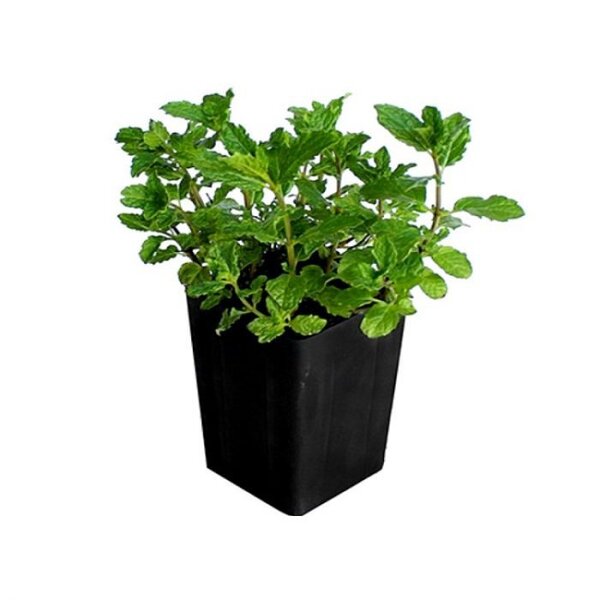
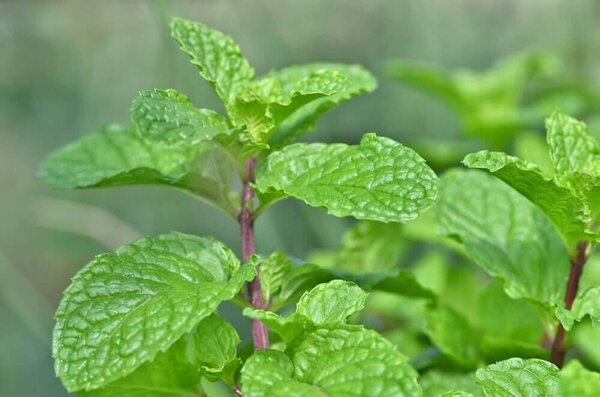
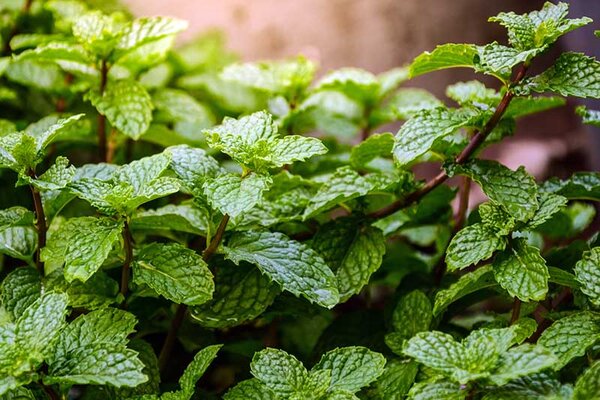
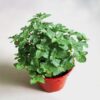
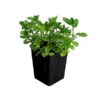
Mint Pudina Plant

Original price was: ₹651.00.Current price is: ₹340.00.

Mint Pudina Plant Details

  • Botanical Name:
    Mentha spicata
  • Common Names:
    Mint, Pudina, Spearmint.
  • Bloom Type:
    Small, dense clusters of purple or pinkish flowers that appear in summer.
  • Flower Color:
    Light purple or pink.
  • Fragrance:
    Strong, refreshing minty aroma, which is characteristic of the plant’s leaves.
  • Growth Habit:
    • Type: Herbaceous perennial.
    • Height: 12–24 inches (30–60 cm), but can spread much wider.
    • Spread: Can spread up to 18–24 inches (45–60 cm) or more, depending on growing conditions.
    • Lifespan: Perennial in suitable climates, with ongoing growth each year.
  • Other Details:
    • Native Habitat: Native to Europe and Asia, but widely cultivated around the world.
    • Hardiness Zones: USDA zones 3–8; thrives in cooler climates.
    • Soil: Prefers moist, well-draining, slightly acidic soil.
    • Light: Grows best in full sun to partial shade.
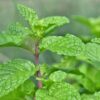
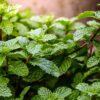
    • Special Traits: Known for its vibrant green leaves with a cooling, refreshing aroma. It’s often used in culinary dishes, drinks, and herbal remedies. Mint is also easy to grow and can spread quickly, often becoming invasive if not contained.

Out of stock

Planting Tips for Mint Pudina Plant

  1. Site Selection:
    • Choose a sunny spot with good drainage for the best growth.
    • Mint can also tolerate partial shade, but it thrives in full sun.
  2. Soil Preparation:
    • Ensure the soil is rich in organic matter and remains consistently moist.
    • For containers, use a well-draining potting mix and ensure the container has drainage holes to avoid waterlogging.
  3. Planting Time:
    • Best planted in early spring when the last frost has passed.
  4. Planting Process:
    • Mint spreads quickly, so it is often best planted in containers or with a barrier to prevent it from overtaking other plants.
    • Space plants about 12–18 inches apart if planted in the ground to allow for spreading.
  5. Watering:
    • Keep the soil consistently moist, especially during hot summer months.
    • Mint prefers to be watered regularly but dislikes standing water, so ensure good drainage.
  6. Fertilizing:
    • Mint is a fast grower and doesn’t require heavy fertilization. Use a balanced, all-purpose fertilizer once in early spring to encourage growth.
    • Too much fertilizer can result in less aromatic leaves.
  7. Pruning and Maintenance:
    • Regularly pinch back mint stems to encourage bushier growth and to prevent it from flowering (which can make leaves taste bitter).
    • Trim dead or damaged leaves to keep the plant healthy.
  8. Pest and Disease Control:
    • Common Pests: Aphids and spider mites; treat with insecticidal soap or neem oil.
    • Diseases: Watch for fungal infections like powdery mildew, particularly in overly wet conditions. Ensure good airflow and proper spacing.
  9. Temperature and Care:
    • Mint thrives in cooler climates and can tolerate a range of temperatures. However, it is best to protect it from extreme heat or cold.

Benefits and Uses:

  • Culinary: Mint leaves are used fresh in beverages (like mojitos or iced tea), desserts, salads, and garnishes.
  • Medicinal: Mint has digestive, anti-inflammatory, and soothing properties. It’s commonly used in herbal teas to relieve stomach discomfort.
  • Aromatic: The plant’s leaves emit a refreshing minty fragrance, ideal for herb gardens or as a natural air freshener.
  • Low Maintenance: Easy to grow, even for beginners. However, its spreading habit may require containment to prevent it from overtaking garden space.

The Mint Pudina Plant is an essential herb for any kitchen garden, offering both practical uses in cooking and numerous health benefits.

“Explore fresh herbs like Mint Pudina at PlantsInfo!”