
SALE


American Tropical Apricot Fruit Plant
Original price was: ₹2,050.00.₹1,250.00Current price is: ₹1,250.00.
American Tropical Apricot Fruit Plant Details
- Botanical Name:
Mammea americana - Common Names:
Tropical Apricot, Mammee Apple, South American Apricot, Santo Domingo Apricot. - Fruit Type:
Large, round to oval fruit with a thick, leathery rind and sweet, aromatic, apricot-like orange pulp. - Fruit Color:
The outer skin is green to brownish when ripe, with bright orange flesh inside. - Fragrance:
Sweet, tropical aroma, especially noticeable when the fruit is cut open. - Growth Habit:
- Type: Evergreen tropical tree.
- Height: 60–80 feet (18–24 meters) in the wild but manageable at 15–20 feet (4.5–6 meters) in cultivation.
- Spread: Dense, rounded canopy with dark green, glossy leaves.
- Lifespan: Long-lived tree; productive for several decades.
- Other Details:
- Native Habitat: Native to the Caribbean and parts of Central and South America.
- Hardiness Zones: USDA zones 10–12; thrives in tropical and subtropical climates.
- Soil: Prefers well-drained sandy or loamy soil with a slightly acidic to neutral pH.
- Light: Requires full sun for healthy growth and optimal fruit production.
- Special Traits: High resistance to drought once established, making it suitable for hot climates.
Planting Tips for Mammea Americana Plant
- Site Selection:
- Choose a sunny location with enough space for the tree’s canopy to spread.
- Avoid areas prone to flooding or with heavy, waterlogged soil.
- Soil Preparation:
- Prepare rich, organic soil by adding compost or well-rotted manure.
- Ensure proper drainage to prevent root rot.
- Planting Time:
- Plant during the rainy season or early spring for the best establishment.
- Planting Process:
- Dig a hole twice the size of the root ball and as deep as the root system.
- Place the tree in the hole, ensuring the root collar is at ground level.
- Backfill with soil, firm gently, and water thoroughly.
- Watering:
- Water young plants regularly to keep the soil moist.
- Once established, the plant becomes drought-tolerant but benefits from occasional deep watering during dry spells.
- Fertilizing:
- Feed with a balanced fertilizer 2–3 times a year during the growing season.
- Add potassium-rich fertilizers to enhance fruit quality.
- Pruning:
- Prune lightly to remove dead or crossing branches and shape the tree.
- Regular pruning helps maintain size and encourages air circulation.
- Pest and Disease Control:
- Common Pests: Fruit flies, scale insects, and mealybugs; manage with neem oil or organic insecticides.
- Diseases: Fungal issues like anthracnose can occur in humid conditions; use fungicides and maintain proper spacing for airflow.
- Cold Protection:
- Protect young trees from frost with mulch and covers in cooler climates.
- Harvesting:
- Fruits are ready to harvest when they soften slightly and emit a sweet fragrance.
- Use clippers or twist gently to avoid damaging the branches.
Benefits and Uses:
- Culinary: The sweet pulp is eaten fresh, and used in jams, jellies, ice creams, and desserts.
- Nutritional: High in fiber, vitamin C, and antioxidants, promoting digestion and immune health.
- Medicinal: Traditionally used in folk medicine for treating skin issues and improving overall vitality.
- Ornamental: The lush foliage and fragrant flowers make it a beautiful tropical garden tree.
The Mammea Americana is an exotic tropical fruit tree that delivers delicious apricot-like fruits and aesthetic value to any garden.
“Learn about more tropical treasures at PlantsInfo!”
Related products
-
SALE SOLD OUT 
Apple Mango Plant
Original price was: ₹950.00.₹800.00Current price is: ₹800.00. -
SALE 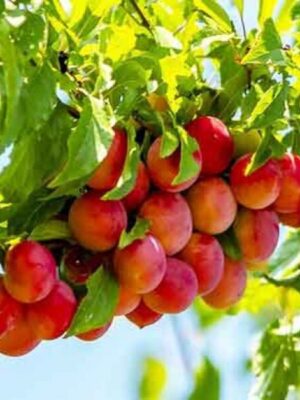
Hybrid Alubukra Plant
Original price was: ₹950.00.₹751.00Current price is: ₹751.00. -
SALE SOLD OUT 
Barbados Cherry Fruit Plant
Original price was: ₹950.00.₹751.00Current price is: ₹751.00. -
SALE SOLD OUT 
Black Stone Mango Plant
Original price was: ₹1,051.00.₹851.00Current price is: ₹851.00.