
SOLD OUT

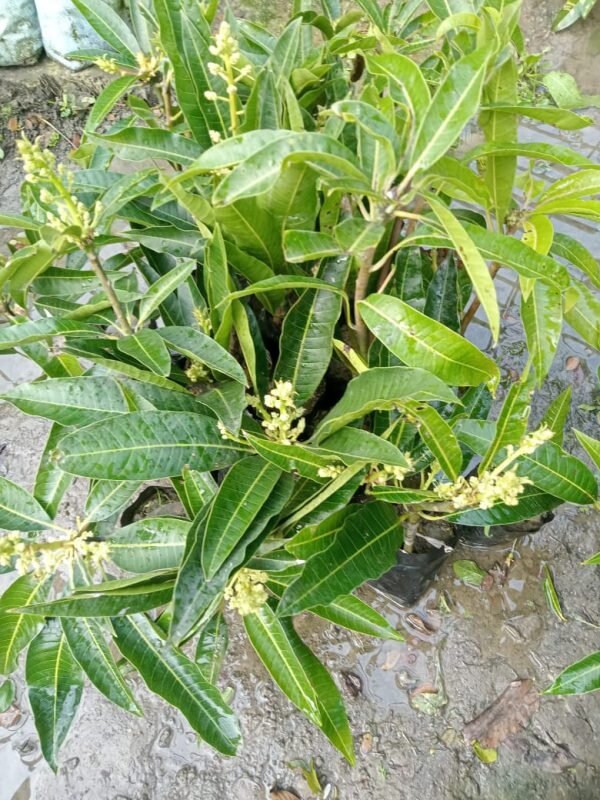
Apple Mango Plant
Original price was: ₹950.00.₹800.00Current price is: ₹800.00.
Apple Mango Plant Details
Plant Name:
Common Name: Apple Mango
Botanical Name: Mangifera indica
Plant Characteristics
- Botanical Name: Mangifera indica
- Common Names: Apple Mango, African Mango
- Type: Tropical fruit tree
- Height: Grows up to 10-15 meters tall with a wide canopy spread of 5-10 meters
- Leaves:
- Shape: Long, lanceolate, and pointed
- Color: Glossy dark green when mature, reddish when young
- Texture: Smooth
- Flowers:
- Color: Pale yellow or cream-colored
- Shape: Small and clustered in panicles
- Fragrance: Mildly sweet
- Bloom Season: Late winter to early spring
- Fruits:
- Shape: Oval or round, resembling an apple
- Color: Yellow to orange with occasional red blush
- Taste: Sweet with a hint of tanginess
- Harvest Time: Late spring to early summer
- Native Habitat: Indian subcontinent, widely grown in tropical and subtropical regions
- Other Details:
- Renowned for its juicy and aromatic fruit
- High in vitamins A and C
Out of stock
Planting Tips for Apple Mango
Growing Requirements
USDA Zone:
- Suitable for zones 9-11
Light:
- Requires full sun for optimal growth and fruiting
Soil:
- Well-drained, sandy loam soil with a pH of 5.5–7.5
Watering:
- Moderate watering; avoid overwatering as the plant is drought-tolerant once established
Ideal Planting Time
- Best planted in spring when the risk of frost has passed
Soil Preparation
- Enrich the soil with compost and organic matter before planting
- Ensure proper drainage to prevent root rot
Watering Routine
- Water deeply once every week during the growing season
- Reduce watering during the dormant winter period
Fertilizing
- Apply a balanced fertilizer every 6-8 weeks during the active growth phase
Pruning
- Prune in late winter to shape the tree and remove dead or diseased branches
Pest and Disease Control
- Common Issues: Anthracnose, mealybugs, and scale insects
- Solutions: Use fungicides for anthracnose and insecticidal soap for pests
Pollination Requirements
- Self-pollinating but benefits from insect pollinators like bees
Benefits and Uses
Nutritional Value
- Rich in vitamins A, C, and dietary fiber
Aesthetic Value
- Ideal for tropical gardens, providing shade and visual appeal
Ecological Role
- Attracts pollinators like bees and butterflies
- Improves air quality and provides a habitat for birds
Special Notes
Explore more fascinating plants and their benefits on PlantsInfo today!
Related products
-
SALE SOLD OUT 
Jayaphal Jatiphal Nutmeg Spice Plant
Original price was: ₹1,051.00.₹800.00Current price is: ₹800.00. -
SALE SOLD OUT 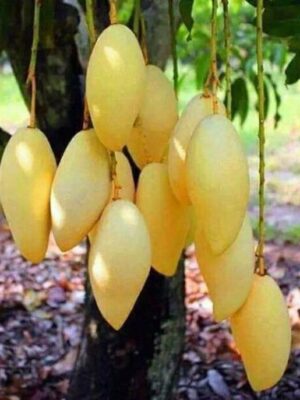
Doc Mai Mango Plant
Original price was: ₹1,051.00.₹800.00Current price is: ₹800.00. -
SOLD OUT 
Chalta / Elephant Apple Plant
₹750.00 -
SALE SOLD OUT 
Thai Lychee Plant
Original price was: ₹750.00.₹651.00Current price is: ₹651.00.