₹1,250.00Original price was: ₹1,250.00.₹851.00Current price is: ₹851.00.
Rambutan Fruit Plant
Botanical Name: Nephelium lappaceum
Plant Details
Bloom Type:
The Rambutan tree produces small, fragrant flowers that are greenish-white to pale yellow. These flowers grow in clusters on panicles and are usually unisexual, requiring cross-pollination for optimal fruit production.
Color:
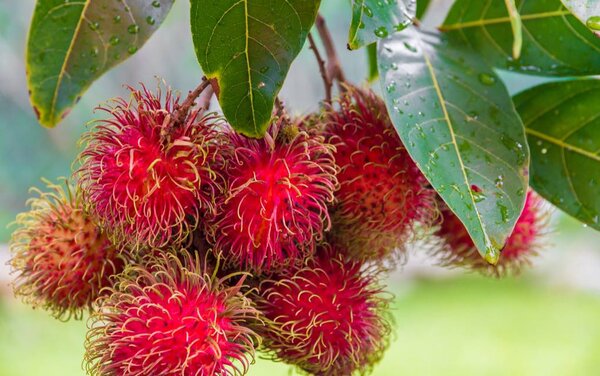
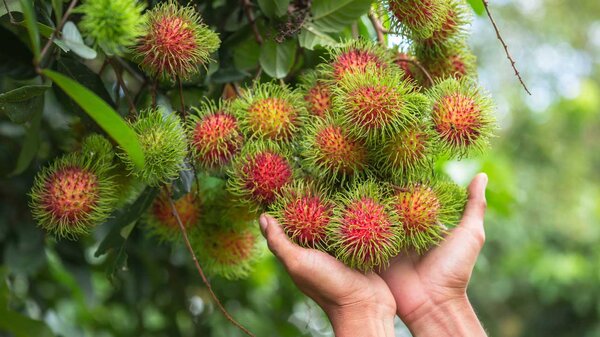
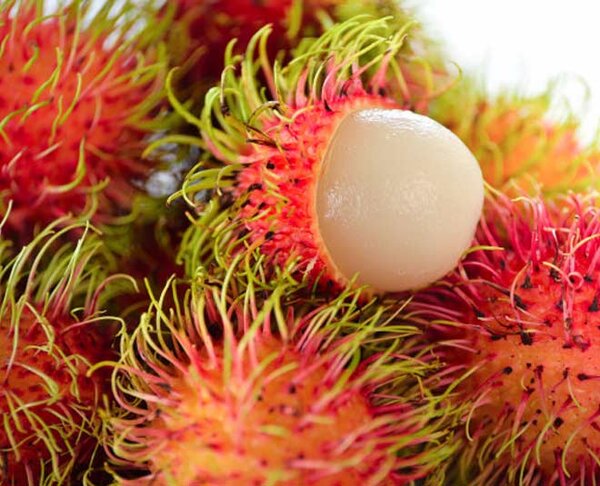
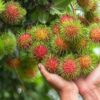
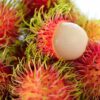
The Rambutan fruit is bright red, sometimes yellow or orange when ripe. The outer skin is covered in soft, hair-like spines or bristles, giving it a unique appearance. The edible flesh inside is translucent white, juicy, and succulent.
Fragrance:
The Rambutan plant has mildly fragrant flowers, and the fruit has a subtle, sweet aroma when ripe.
Growth Habit:
The Rambutan tree is a tropical, evergreen plant that can grow up to 50–80 feet tall, though it is often pruned to a manageable height for harvesting. It has a dense, rounded canopy with glossy, dark green leaves.
Other Details:
Foliage: Rambutan trees have pinnate leaves with 2–8 pairs of oval-shaped leaflets. The foliage is lush and green, providing excellent shade.
Fruit: The Rambutan fruit is about 1–2 inches in diameter, resembling lychee in taste and texture. The flesh is sweet and slightly tangy, encasing a single seed.
Hardiness: Rambutan thrives in tropical climates with high humidity and consistent rainfall. It is best suited for USDA zones 10–12.
Flowering and Fruiting: Rambutan trees typically flower in late spring or early summer, with fruit ripening in 4–6 months, usually in late summer or early fall. The tree begins to bear fruit within 5–6 years when grown from seed, or sooner if grafted.
Sunlight: Rambutan plants require full sunlight for optimal growth. Ensure they receive 8–10 hours of direct sunlight daily.
Soil: Rambutan trees prefer well-draining, fertile soil rich in organic matter. Sandy loam or clay loam with a slightly acidic to neutral pH (5.5–6.5) is ideal.
Watering: Rambutan requires consistent watering, especially during dry periods. Keep the soil evenly moist but not waterlogged. Mature trees are somewhat drought-tolerant but still benefit from regular irrigation.
Fertilizer: Feed Rambutan plants with a balanced fertilizer or organic compost during the growing season. Apply a high-nitrogen fertilizer during the early growth stage and switch to a phosphorus and potassium-rich fertilizer during flowering and fruiting.
Pruning: Prune young trees to establish a strong framework, and remove dead or diseased branches annually. Regular pruning improves airflow and sunlight penetration, promoting healthier fruit development.
Pollination: Rambutan trees often need cross-pollination for better fruit yield. Planting male and female trees together, or having pollinators like bees nearby, ensures optimal fruiting.
Pest Control: Protect the Rambutan plant from pests like fruit flies, scale insects, and aphids using organic insecticides or neem oil. Fungal diseases can be managed by ensuring good drainage and airflow.
Mulching: Apply a thick layer of organic mulch around the base of the tree to retain soil moisture, regulate temperature, and suppress weed growth.
PlantsInfo Note:
For more detailed guides on tropical fruit plants like Rambutan, visit PlantsInfo, where gardening meets inspiration and expertise! 🍃