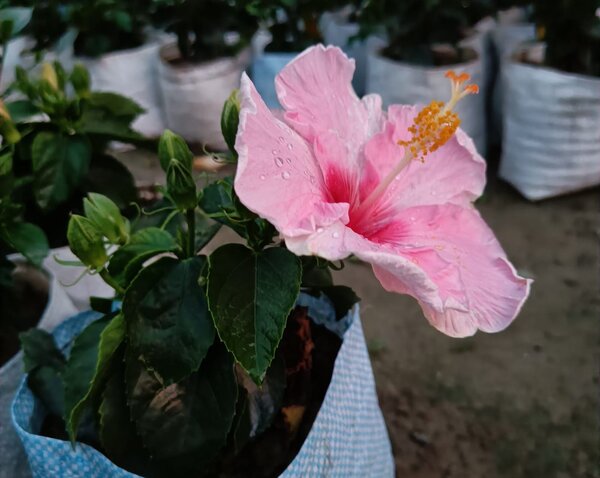
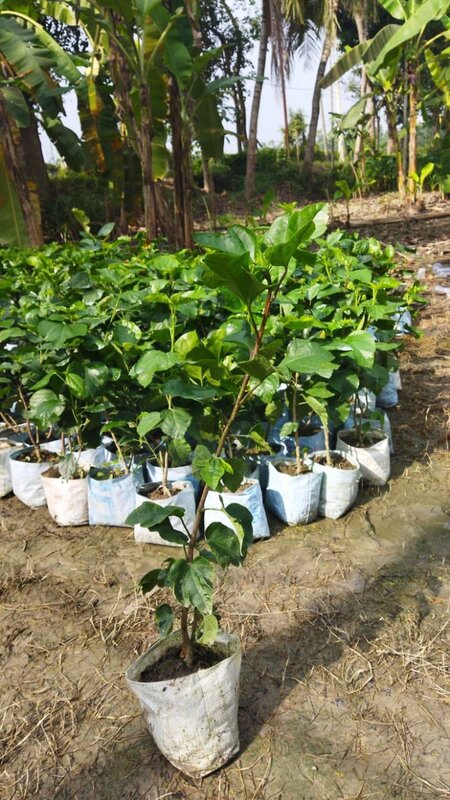
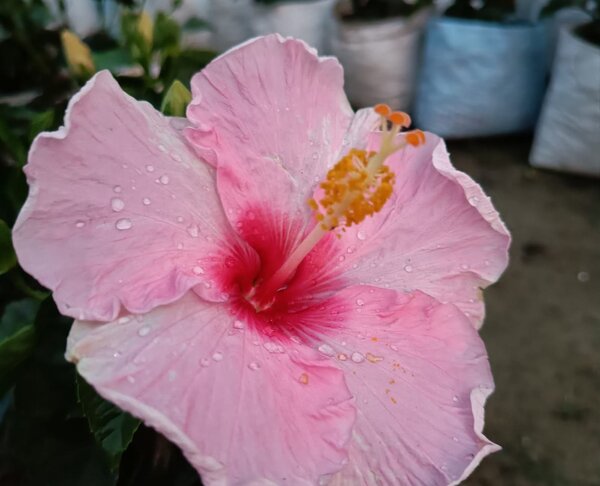
American Hibiscus Plant, Pink And Red Shaded

Original price was: ₹700.00.Current price is: ₹451.00.

American Hibiscus Plant Details


Plant Name:

Common Name: American Hibiscus
Botanical Name: Hibiscus rosa-sinensis


Plant Characteristics:

  • Botanical Name: Hibiscus rosa-sinensis
  • Common Names: Rose Mallow, Tropical Hibiscus
  • Type: Shrub
  • Height: Typically grows 4–10 feet tall with a spread of 3–6 feet.
  • Leaves: Glossy, dark green, ovate leaves with a slightly serrated margin.
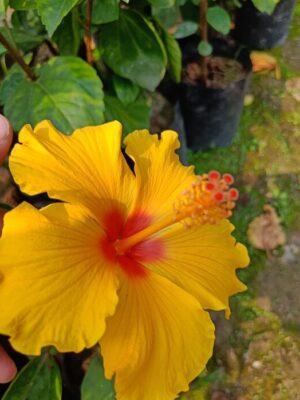
  • Flowers: Large, vibrant blooms in colors like red, yellow, pink, and orange. The flowers are trumpet-shaped and often without fragrance. Bloom season lasts from spring to late fall.
  • Fruits: Rarely produce seed pods; mostly sterile in cultivated varieties.
  • Native Habitat: Tropical regions of Asia and the Pacific Islands.
  • Other Details: Hibiscus flowers symbolize beauty and are often used for ornamental purposes. They are also known for their use in herbal teas and natural dyes.

Out of stock

Planting Tips for American Hibiscus:


Growing Requirements:

  • USDA Zone: 9–11
  • Light: Prefers full sun but tolerates partial shade.
  • Soil: Well-draining, slightly acidic to neutral soil (pH 6.0–7.0).
  • Watering: Regular watering is essential; keep the soil consistently moist but not waterlogged.

Ideal Planting Time:

  • Best Time: Early spring after the last frost.

Soil Preparation:

  • Add organic compost to enrich the soil. Mix sand or perlite for better drainage.

Watering Routine:

  • Water deeply 2–3 times per week during the growing season. Reduce frequency in cooler months.

Fertilizing:

  • Use a balanced fertilizer (10-10-10) every two weeks during the growing season. Reduce fertilization in winter.

Pruning:

  • Prune early spring to shape the plant and remove dead or diseased branches.

Pest and Disease Control:

  • Common Issues: Aphids, spider mites, and whiteflies.
  • Solutions: Use neem oil or insecticidal soap for infestations.

Pollination Requirements:

  • American Hibiscus is self-pollinating but benefits from pollinators like bees and butterflies.

Benefits and Uses:


  • Nutritional Value: Hibiscus tea, made from dried flowers, is rich in antioxidants and Vitamin C.
  • Aesthetic Value: Popular in landscaping for hedges, borders, and potted plants.
  • Ecological Role: Attracts pollinators such as bees, butterflies, and hummingbirds.

Special Notes:

“American Hibiscus thrives in warm climates and brings tropical beauty to any garden.” – PlantsInfo