
SOLD OUT


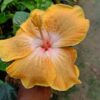
Australian Hibiscus Plant, Yellow
Original price was: ₹550.00.₹451.00Current price is: ₹451.00.
Australian Hibiscus Plant Details
Plant Name:
Common Name: Australian Hibiscus
Botanical Name: Alyogyne huegelii
Plant Characteristics
- Botanical Name: Alyogyne huegelii
- Common Names: Australian Hibiscus, Blue Hibiscus, Native Hibiscus
- Type: Evergreen shrub
- Height: Grows up to 6-10 feet tall with a spread of 4-8 feet
- Leaves:
- Shape: Lobed and deeply divided
- Color: Bright green to gray-green
- Texture: Slightly coarse and leathery
- Flowers:
- Color: Purple, blue, or lavender with a dark center
- Shape: Funnel-shaped with five delicate petals
- Fragrance: Mildly sweet
- Bloom Season: Spring through autumn, with peak flowering in warmer months
- Fruits:
- Shape: Small capsules containing seeds
- Color: Green turning brown when mature
- Harvest Time: Late summer to autumn
- Native Habitat: Coastal and arid regions of Western Australia
- Other Details:
- Known for its drought tolerance and suitability for xeriscaping
- Attracts native birds and pollinators
Out of stock
Planting Tips for Australian Hibiscus
Growing Requirements
USDA Zone:
- Suitable for zones 9-11
Light:
- Prefers full sun for best flowering, tolerates partial shade
Soil:
- Well-drained sandy or loamy soil with a neutral to slightly alkaline pH
Watering:
- Low watering needs; drought-tolerant once established
Ideal Planting Time
- Best planted in spring or early autumn
Soil Preparation
- Add organic matter to sandy soils to improve fertility
- Ensure excellent drainage to prevent root rot
Watering Routine
- Water deeply once every 1-2 weeks during dry periods
- Reduce watering in cooler months
Fertilizing
- Apply a low-phosphorus fertilizer twice a year, in spring and late summer
Pruning
- Light pruning after flowering to maintain shape and promote bushy growth
- Remove dead or damaged branches regularly
Pest and Disease Control
- Common Issues: Aphids, caterpillars, and powdery mildew
- Solutions: Use neem oil or insecticidal soap for pests; prune for good air circulation to prevent mildew
Pollination Requirements
- Self-pollinating but benefits from pollination by bees and birds
Benefits and Uses
Nutritional Value
- Not applicable; the plant is ornamental and not edible
Aesthetic Value
- Excellent for garden beds, borders, and containers
- Provides vibrant color to drought-tolerant landscapes
Ecological Role
- Attracts pollinators such as bees, butterflies, and birds
- Helps in soil stabilization in arid regions
Special Notes
Enhance your garden with the vibrant and hardy Australian Hibiscus! Visit PlantsInfo to learn more about beautiful, drought-resistant plants.
Related products
-
SALE SOLD OUT 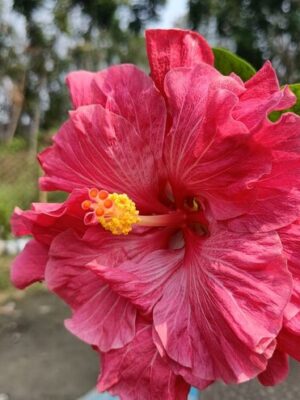
Australian Hibiscus Plant, Pink
Original price was: ₹550.00.₹451.00Current price is: ₹451.00. -
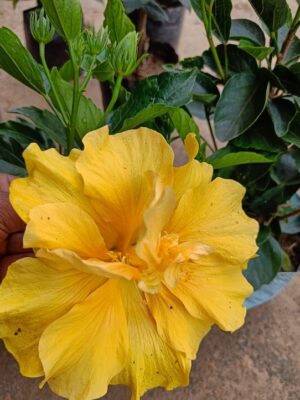
Yellow Thoka Hibiscus Plant
₹550.00 -
SALE 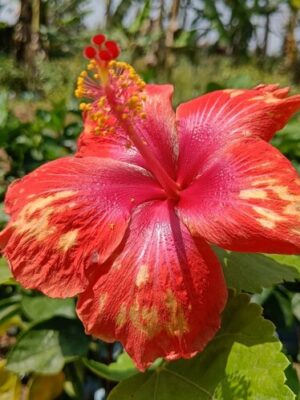
Austrian Hibiscus Plant, Tiger Shade
Original price was: ₹550.00.₹451.00Current price is: ₹451.00. -
SALE SOLD OUT 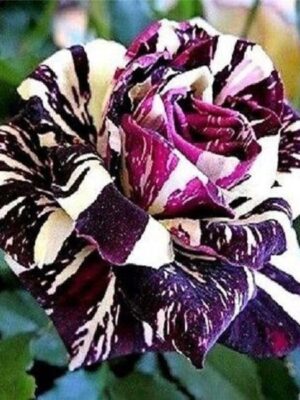
Abracadabra Rose, Purple And White
Original price was: ₹550.00.₹451.00Current price is: ₹451.00.