Common Names:
Bhutan Tagar, White Michelia, Doltsopa, Himalayan Champaca.
Flower Type:
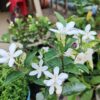
The plant produces large, fragrant, creamy-white flowers with a slightly yellow center, often appearing in clusters.
Flower Color:
White to cream with a yellowish center.
Fragrance:
The flowers have a strong, sweet, and delightful fragrance, similar to the scent of champaca flowers.
Growth Habit:
Type: Evergreen tree or large shrub.
Height: Typically grows 10–20 feet (3–6 meters) tall, though some specimens can reach 40 feet (12 meters) in height.
Spread: 8–15 feet (2.5–4.5 meters) wide.
Lifespan: Perennial, with a long lifespan if properly cared for.
Other Details:
Native Habitat: Native to the Himalayan regions of Bhutan, Nepal, and parts of India.
Hardiness Zones: USDA zones 9–11; ideal for subtropical to tropical climates.
Soil: Prefers rich, well-draining, slightly acidic to neutral soil.
Light: Thrives in full sun to partial shade.
Special Traits: Bhutan Tagar is known for its beautiful flowers and strong fragrance, making it a popular ornamental plant in gardens, especially in tropical and subtropical regions. The plant also has medicinal uses in traditional practices.
Choose a location that receives plenty of sunlight for optimal growth and flowering, but the plant can tolerate some partial shade.
Ensure the planting site has enough space for the plant to spread and grow without obstruction.
Soil Preparation:
Bhutan Tagar prefers fertile, well-draining soil that is slightly acidic to neutral.
If the soil is heavy or clay-based, amend it with organic matter to improve drainage and texture.
Planting Time:
The best time to plant Bhutan Tagar is in the early spring or early fall when the temperatures are moderate.
Planting Process:
Dig a hole that is twice the size of the root ball and place the plant in the hole, ensuring the root crown is level with the soil surface.
Water thoroughly after planting to help the roots settle and establish.
Watering:
Water the plant regularly, especially during the first few months after planting, to establish the root system.
Once established, Bhutan Tagar is relatively drought-tolerant, but regular watering during dry periods will support better growth and flowering.
Fertilizing:
Use a balanced fertilizer in spring to promote healthy growth and flowering.
Organic compost or well-rotted manure can also be applied annually to improve soil quality and provide nutrients.
Pruning and Maintenance:
Prune the plant after flowering to maintain its shape and remove any dead or damaged branches.
Regularly check for any pests or diseases that may affect the plant and treat them promptly.
Pest and Disease Control:
Common Pests: Bhutan Tagar is generally pest-resistant but can occasionally attract aphids, scale insects, or mealybugs. Use organic pest control methods like neem oil or insecticidal soap.
Diseases: The plant is susceptible to fungal diseases, particularly if overwatered. Ensure good drainage and avoid waterlogging to prevent root rot.
Temperature and Care:
Bhutan Tagar prefers a warm climate with temperatures between 60°F to 85°F (15°C–30°C).
It can tolerate light frost but should be protected from prolonged cold weather or freezing conditions.
Benefits and Uses:
Ornamental: The attractive flowers and fragrant scent make Bhutan Tagar a popular ornamental tree for gardens, parks, and streets, especially in tropical and subtropical climates.
Aromatic: The flowers are highly fragrant and are used in making perfumes or as natural air fresheners.
Medicinal: Bhutan Tagar has a long history in traditional medicine, where parts of the plant are used for their analgesic, anti-inflammatory, and digestive properties.
Wildlife: The flowers attract pollinators such as bees and butterflies, adding to the biodiversity of a garden.
The Bhutan Tagar Flower Plant is a stunning addition to any garden, with its fragrant, showy flowers and attractive foliage. Ideal for tropical and subtropical climates, this tree offers both beauty and utility in landscape design.
“Embrace the elegance of Bhutan Tagar flowers at PlantsInfo!”