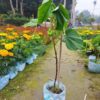
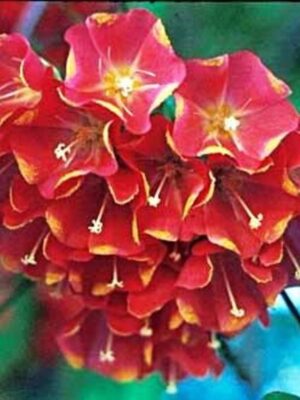
Common Name: Dombeya Botanical Name: Dombeya wallichii
Plant Characteristics:
Botanical Name:
Dombeya wallichii
Common Names:
Dombeya, Pink Ball Tree, Tropical Hydrangea
Type:
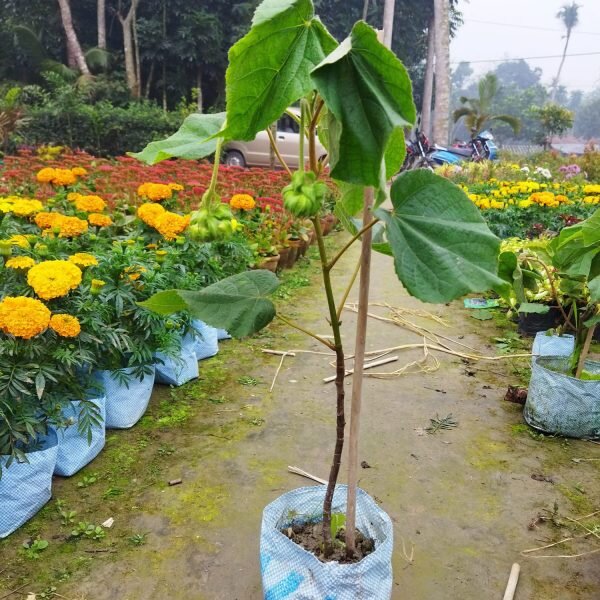
Shrub, Small Tree
Height:
Average height: 3-6 meters (can vary depending on pruning and growing conditions)
Spread: 2-4 meters wide
Leaves:
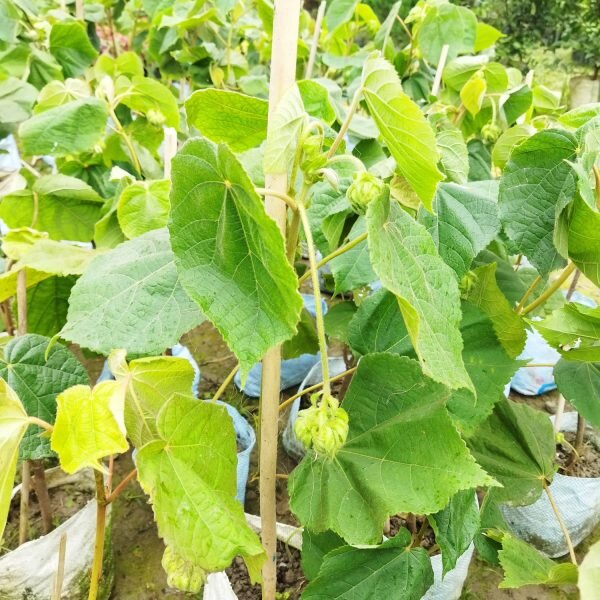
Shape: Large, heart-shaped, with serrated edges
Color: Dark green
Texture: Smooth and glossy
Flowers:
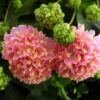
Color: Soft pink to lavender, sometimes white
Shape: Rounded clusters or “balls” of small flowers
Fragrance: Light, sweet
Bloom Season: Late winter to early spring (depending on climate)
Fruits:
Shape: Small, round capsules
Color: Brown when mature
Taste: Not edible
Harvest Time: N/A (not commonly harvested)
Native Habitat:
Native to tropical regions of East Africa, including Madagascar
Other Details:
The Dombeya plant is admired for its striking floral display, with large, ball-shaped clusters of flowers that bloom profusely. It is often grown as an ornamental shrub or small tree in warm climates.
Dombeya is closely related to the hydrangea but thrives better in tropical and subtropical environments.
USDA Hardiness Zones: 9-11 (tropical and subtropical climates)
Light:
Prefers full sun to partial shade
Thrives in bright locations with ample sunlight for at least 4-6 hours a day
Soil:
Well-draining, slightly acidic to neutral soil
Loamy or sandy soil is ideal, but it can tolerate slightly clayey soil if well-drained
pH level: 6.0 to 7.5
Watering:
Keep the soil consistently moist, especially during the growing season
Water deeply but avoid waterlogging to prevent root rot
Reduce watering in the dormant winter months
Ideal Planting Time:
Best planted in spring or early summer when the weather is warm and stable
Soil Preparation:
Mix in organic compost to improve soil structure and fertility
Ensure good drainage by adding perlite or sand if planting in clay-heavy soil
Watering Routine:
Water regularly, ensuring the soil is moist but not soggy
Deep watering is preferred to encourage deep-root growth
Water less frequently during the cooler months or dormancy
Fertilizing:
Fertilize with a balanced, slow-release fertilizer in early spring to support new growth
Apply additional fertilizer during the growing season (summer) if growth appears slow
Avoid heavy fertilization in winter when the plant is dormant
Pruning:
Prune after flowering to shape the plant and remove dead or damaged wood
Trim back leggy growth to encourage fuller, bushier growth
Regular pruning helps maintain the plant’s form and promotes better flower production
Pest and Disease Control:
Common pests: Aphids, whiteflies, and mealybugs
Control with insecticidal soap or neem oil
Watch for fungal diseases in humid conditions; treat with fungicides as needed
Pollination Requirements:
Dombeya plants are typically self-pollinating, but having multiple plants can encourage better fruiting and a more vigorous floral display
Pollination is assisted by insects like bees and butterflies
Benefits and Uses:
Nutritional Value:
Dombeya flowers and leaves are not typically consumed by humans, and the plant is not used for nutritional purposes.
Aesthetic Value:
Dombeya is a popular ornamental plant due to its beautiful, showy flowers that bloom in large, eye-catching clusters
Perfect for tropical and subtropical gardens, as a hedge, or as a specimen tree in large landscapes
Ecological Role:
The plant attracts pollinators like bees, butterflies, and hummingbirds
Dombeya trees provide shade and habitat for local wildlife
Special Notes:
Dombeya is a striking ornamental plant, especially in tropical gardens where its vibrant pink blooms stand out. It is a fast-growing, relatively low-maintenance plant that thrives in warm conditions. However, it is sensitive to frost and should be protected or grown indoors in cooler climates.
For more plant care tips and to find a variety of flowering plants, visit PlantsInfo, your trusted source for gardening information and plant care guides!