₹700.00Original price was: ₹700.00.₹451.00Current price is: ₹451.00.
Jacaranda Flower Plant Details
Botanical Name: Jacaranda mimosifolia
Common Names:
Jacaranda, Blue Jacaranda, Green Mimosa Tree.
Bloom Type:
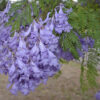
The plant produces large, showy clusters of trumpet-shaped flowers that bloom in spring or early summer.
Flower Color:
Typically vibrant purple to blue, though shades can vary from pale lavender to deep purple.
Fragrance:
The flowers have a light, pleasant fragrance, but they are not strongly aromatic.
Growth Habit:
Type: Deciduous tree.
Height: Can grow 25–50 feet (7.5–15 meters) tall.
Spread: Typically 20–40 feet (6–12 meters) wide.
Lifespan: Jacarandas can live for several decades if well cared for, sometimes up to 50 years or more.
Other Details:
Native Habitat: Native to tropical and subtropical regions of South America, especially Brazil, Argentina, and Bolivia.
Hardiness Zones: USDA zones 9–11; ideal for warm climates.
Soil: Prefers well-draining, sandy or loamy soil with a slightly acidic to neutral pH.
Light: Requires full sun to produce abundant flowers and strong growth.
Special Traits: Known for its stunning, vibrant blooms and fern-like, delicate leaves, the Jacaranda tree is a striking addition to any landscape. It is often used as an ornamental tree in parks and streets due to its impressive flowering display.
Choose a sunny location where the tree will receive full sunlight for at least 6–8 hours a day. This is crucial for producing abundant flowers.
Ensure the planting site has enough space for the tree’s broad canopy to spread without obstruction.
Soil Preparation:
Plant in well-draining soil; sandy, loamy, or clay-loam soil is ideal.
If the soil is heavy, consider amending it with organic matter to improve drainage.
Planting Time:
The best time to plant Jacaranda trees is in the spring or early fall when the temperatures are mild. Avoid planting during the cold winter months or extreme heat.
Planting Process:
Dig a hole that is twice the size of the root ball and plant the tree at the same depth as it was in the nursery pot.
Gently remove the tree from its pot and place it in the hole, then fill the hole with soil and water well to settle the roots.
Watering:
Water regularly during the first few months after planting, especially during dry spells, to establish the root system.
Once established, Jacarandas are fairly drought-tolerant but will benefit from occasional deep watering during prolonged dry periods.
Fertilizing:
Apply a slow-release fertilizer in early spring to promote healthy growth and blooming.
Avoid high-nitrogen fertilizers as they may encourage excessive leaf growth at the expense of flowers.
Pruning and Maintenance:
Prune to shape the tree and remove dead or damaged branches, especially during the dormant season.
Jacarandas typically require minimal pruning but may benefit from occasional thinning of the canopy to improve air circulation.
Pest and Disease Control:
Common Pests: Jacarandas are generally pest-resistant but may occasionally attract aphids, caterpillars, or scale insects. Use an organic insecticidal soap if needed.
Diseases: The tree can sometimes be affected by fungal diseases, especially in overly wet conditions. Ensure good air circulation around the tree and avoid overwatering.
Temperature and Care:
Jacaranda trees prefer warm, frost-free climates. In cooler areas, the tree may be grown as a smaller ornamental tree or shrub.
Protect from frost in colder regions, as young trees are particularly sensitive to low temperatures.
Benefits and Uses:
Ornamental: The Jacaranda’s striking purple or blue flowers make it one of the most popular ornamental trees for landscaping and street plantings in warm climates.
Shade: The tree’s broad canopy provides excellent shade in hot climates, making it ideal for parks and gardens.
Wildlife: Jacaranda trees can attract birds and bees due to their abundant flowers.
Low Maintenance: Once established, Jacarandas are relatively low-maintenance trees that are drought-tolerant and resistant to pests.
The Jacaranda Flower Plant is renowned for its breathtaking beauty and is a spectacular addition to any landscape, particularly when in full bloom.