₹700.00Original price was: ₹700.00.₹451.00Current price is: ₹451.00.
Kamini Flowering Plant Details
Botanical Name: Cestrum nocturnum
Common Names:
Kamini, Night-Blooming Jasmine, Raat Rani, Queen of the Night.
Flower Type:
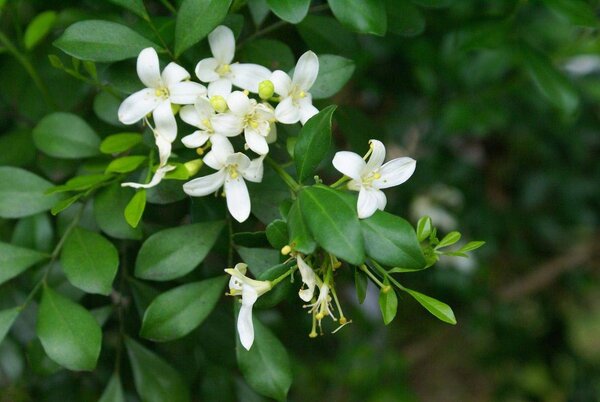
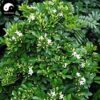
The plant produces small, tubular, fragrant white flowers that bloom in clusters.
Flower Color:
White or pale greenish-white.
Fragrance:
Strong, sweet, and intensely aromatic, particularly noticeable in the evening and at night. This is one of the key features of the plant, as the fragrance becomes more pronounced during the nighttime hours.
Growth Habit:
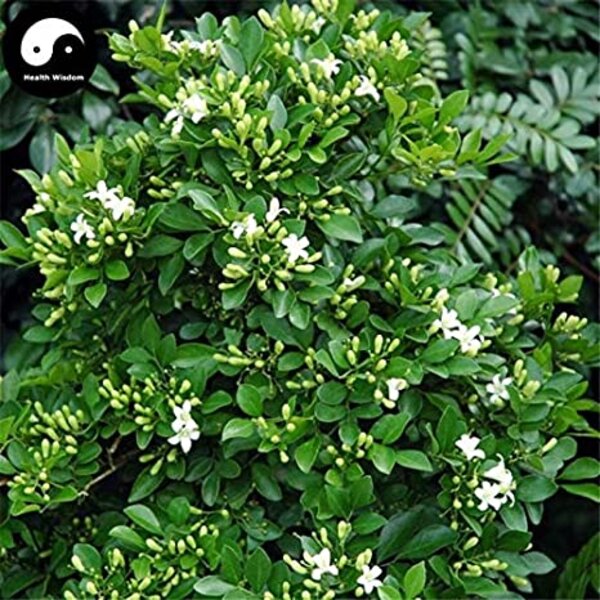
Type: Evergreen shrub or small tree.
Height: Typically 6–12 feet (1.8–3.6 meters) tall.
Spread: 3–5 feet (1–1.5 meters) wide.
Lifespan: Perennial, with a long lifespan if cared for properly.
Other Details:
Native Habitat: Native to the tropical and subtropical regions of the Americas, especially the West Indies.
Hardiness Zones: USDA zones 9–11.
Soil: Prefers well-draining, loamy soil, and can tolerate poor soil conditions.
Light: Prefers full sun but can tolerate partial shade. It flowers best when given adequate sunlight.
Special Traits: Kamini is especially valued for its night-blooming flowers and the strong, sweet fragrance they emit. It is a popular choice for gardens where a pleasant evening aroma is desired.
Choose a sunny location, as Kamini plants bloom best with full sunlight. However, it can also tolerate partial shade.
Ensure the site is sheltered from strong winds, as this could damage the plant’s delicate flowers.
Soil Preparation:
Plant in well-draining, slightly acidic to neutral soil.
Kamini is relatively adaptable to various soil types but thrives in loamy soil rich in organic matter.
Planting Time:
The best time to plant Kamini is in the early spring or late fall when temperatures are mild.
Planting Process:
Dig a hole twice the size of the root ball and place the plant in the hole, ensuring the root crown is level with the soil surface.
Fill the hole with soil and water thoroughly to help the roots establish.
Watering:
Water regularly, keeping the soil consistently moist, especially during dry periods.
Avoid waterlogging, as this can lead to root rot. Kamini prefers well-drained soil.
Fertilizing:
Apply a balanced fertilizer in the spring to encourage healthy growth and flowering.
Avoid over-fertilizing, as too much nitrogen can encourage foliage growth at the expense of flowers.
Pruning and Maintenance:
Prune the plant to remove dead or damaged branches and to shape the plant. Pruning will help maintain a tidy, bushy form.
Remove any spent flowers to encourage continuous blooming.
Pest and Disease Control:
Common Pests: Kamini is susceptible to aphids, whiteflies, and scale insects. Use insecticidal soap or neem oil if needed.
Diseases: Keep the plant well-spaced to allow air circulation and avoid fungal diseases, especially in humid climates.
Temperature and Care:
Kamini prefers warm climates and can tolerate temperatures as low as 50°F (10°C). It is sensitive to frost, so protect cooler regions.
If grown in a container, it can be brought indoors during the winter to protect it from freezing temperatures.
Benefits and Uses:
Aromatic: The plant’s fragrant flowers are widely used to create a sweet-smelling atmosphere in gardens, balconies, and patios, especially during the evening and night.
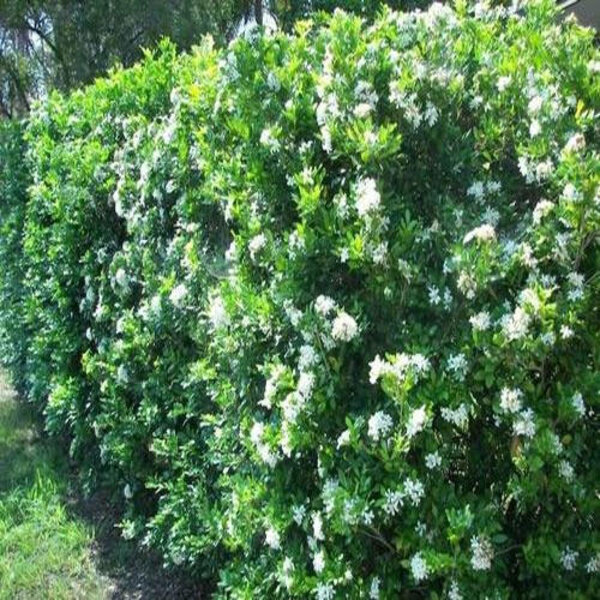
Ornamental: Kamini is also grown for its attractive white flowers and glossy foliage. It is a great choice for ornamental gardens and hedges.
Medicinal: In traditional medicine, Kamini is used to treat a variety of ailments, including insomnia, due to its calming fragrance. The plant’s leaves and flowers are also used in herbal remedies for their antiseptic properties.
Wildlife: The flowers attract nocturnal pollinators, particularly moths, due to their strong fragrance.
The Kamini Flowering Plant is a highly valued plant for its night-blooming flowers and rich fragrance. Whether used as an ornamental plant or for its soothing aroma, Kamini can enhance any garden.
“Add a touch of elegance with Kamini flowers at PlantsInfo!”