Yellow Palash Flower Plant

Original price was: ₹2,050.00.Current price is: ₹1,751.00.

Yellow Palash Flower Plant Details

  • Botanical Name:
    Butea monosperma
  • Common Names:
    Yellow Palash, Bastard Teak, Flame of the Forest.
  • Bloom Type:
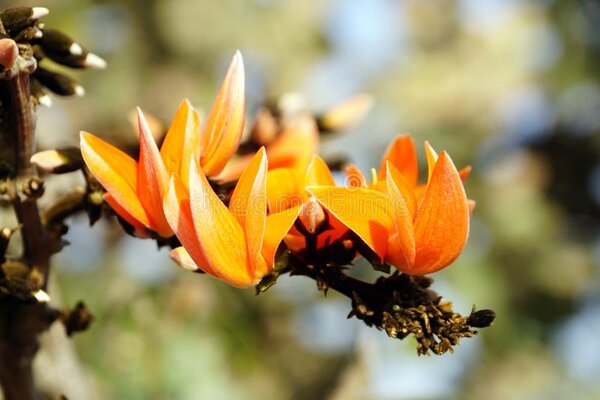
    Large, clustered, trumpet-shaped flowers that grow in bunches.
  • Flower Colors:
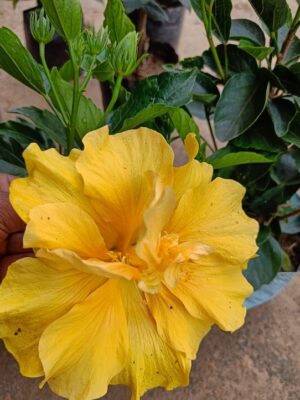
    Bright yellow, often with orange or red tinges at the center of the flowers.
  • Fragrance:
    Mild, sweet, and pleasant fragrance.
  • Growth Habit:
    • Type: Deciduous tree or shrub.
    • Height: 15–30 feet (4.5–9 meters).
    • Spread: 10–15 feet (3–4.5 meters).
    • Lifespan: Long-lived, with a potential lifespan of several decades under optimal conditions.
  • Other Details:
    • Native Habitat: Native to the Indian subcontinent and Southeast Asia, particularly in tropical and subtropical regions.
    • Hardiness Zones: USDA zones 9–11.
    • Soil: Prefers well-drained, sandy or loamy soil. Tolerates a range of soil types, including poor soils.
    • Light: Full sun is essential for abundant blooming.
    • Special Traits: Known for its striking yellow flowers and its cultural significance in Indian festivals. The tree is also valued for its wood and medicinal properties.

Out of stock

Planting Tips for Yellow Palash Flower Plant

  1. Site Selection:
    • Choose a sunny spot with full exposure to direct sunlight, as it requires ample light to bloom profusely.
    • Ensure good space for the tree to spread and grow.
  2. Soil Preparation:
    • Prefers well-draining, sandy to loamy soil.
    • Enrich the soil with organic compost if the soil quality is poor.
  3. Planting Time:
    • Best planted in the early spring or after the monsoon rains when temperatures are moderate.
  4. Planting Process:
    • Dig a hole that is twice the size of the root ball.
    • Place the plant in the hole at the same depth as in the pot and fill with soil.
    • Water thoroughly and apply a layer of mulch around the base.
  5. Watering:
    • Water regularly during the first few months until the plant establishes a strong root system.
    • Mature plants are drought-tolerant, but occasional watering during dry spells will help maintain healthy growth.
  6. Fertilizing:
    • Fertilize the tree once a year with a balanced fertilizer or organic compost to promote healthy flowering.
    • Avoid over-fertilizing as this can hinder flowering and cause excessive foliage growth.
  7. Pruning and Maintenance:
    • Prune the tree to remove dead or damaged branches and maintain its shape.
    • Prune after the flowering season to avoid disrupting the next bloom cycle.
  8. Pest and Disease Control:
    • Common Pests: Aphids, caterpillars, and mealybugs may occasionally appear. Use organic pesticides if necessary.
    • Diseases: The tree is generally hardy but can be susceptible to root rot if overwatered. Ensure proper drainage.
  9. Temperature and Care:
    • It thrives in warm, tropical to subtropical climates and should be protected from frost.
    • For cooler regions, it can be grown in pots and brought indoors during the winter months.

Benefits and Uses:

  • Ornamental: Adds a striking splash of yellow to gardens, streets, and parks, especially in the flowering season.
  • Medicinal: Various parts of the plant, including the bark and flowers, are used in traditional medicine for their purported health benefits.
  • Cultural Significance: The Yellow Palash is considered sacred in many cultures and is associated with the Indian festival of Holi.
  • Wildlife-Friendly: Attracts bees, butterflies, and birds, supporting local biodiversity.

The Yellow Palash Flower Plant is an eye-catching and culturally rich addition to gardens, landscapes, and public spaces.

“Add a burst of color and culture to your garden with Yellow Palash, only on PlantsInfo!”