
SOLD OUT
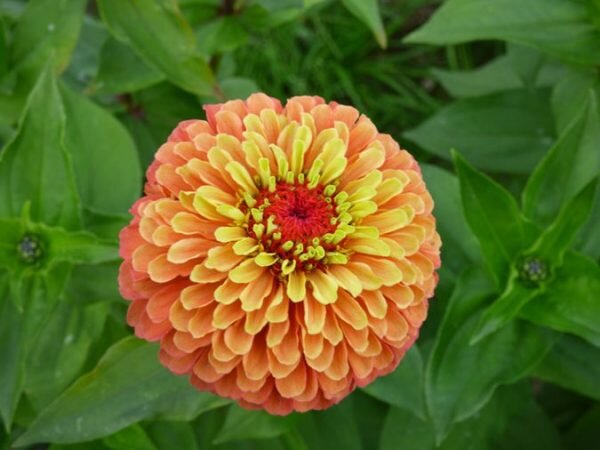
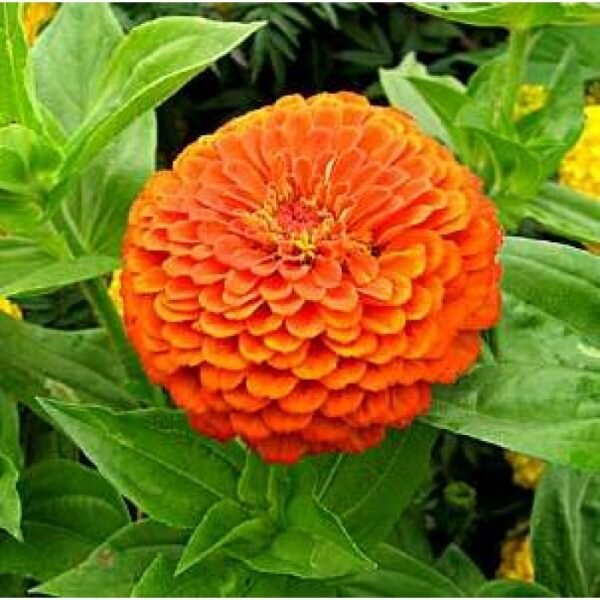
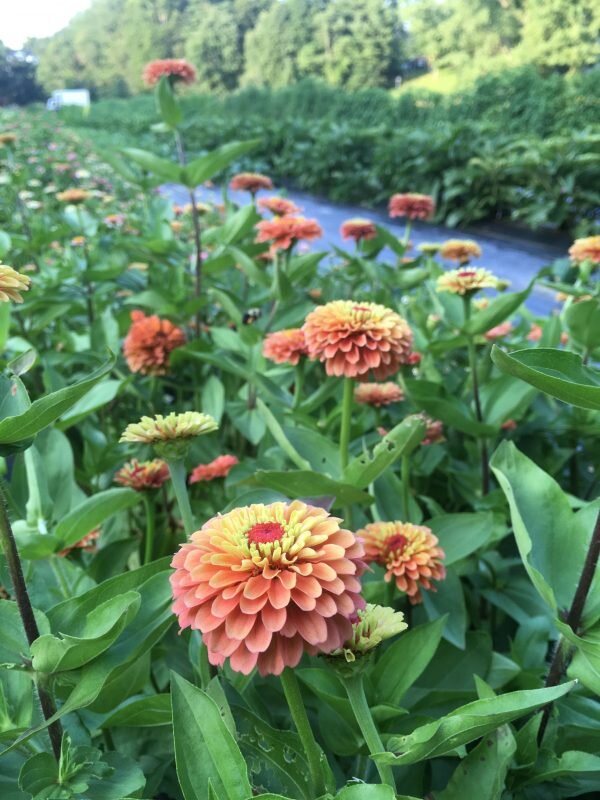


Zinnia Flower Plant
Original price was: ₹700.00.₹551.00Current price is: ₹551.00.
Zinnia Flower Plant Details
- Botanical Name:
Zinnia elegans - Common Names:
Zinnia, Youth-and-Age, Garden Zinnia. - Bloom Type:
Showy, daisy-like flowers in a variety of forms, including single, semi-double, and double blooms. - Flower Colors:
Wide range of vibrant colors, including red, pink, orange, yellow, purple, and white. Some varieties are bi-colored or multi-colored. - Fragrance:
Mild to no noticeable fragrance; valued for its visual appeal. - Growth Habit:
- Type: Annual flowering plant.
- Height: 12–36 inches (30–90 cm), depending on the variety.
- Spread: 12–18 inches (30–45 cm).
- Lifespan: Completes its lifecycle within a year, producing seeds for propagation.
- Other Details:
- Native Habitat: Native to Mexico and Central America.
- Hardiness Zones: Grows as an annual in all zones.
- Soil: Thrives in well-draining, fertile soil with a neutral pH.
- Light: Requires full sun for vibrant blooms and healthy growth.
- Special Traits: Zinnias are heat-tolerant, low-maintenance, and attract pollinators such as butterflies and bees.
Out of stock
Planting Tips for Zinnia Flower Plant
- Site Selection:
- Choose a sunny spot with at least 6–8 hours of direct sunlight daily.
- Ensure good air circulation to prevent fungal diseases.
- Soil Preparation:
- Prepare loose, well-drained soil enriched with compost or organic matter.
- Avoid overly rich soil, as it may lead to excessive foliage growth at the expense of flowers.
- Planting Time:
- Sow seeds after the last frost in spring when the soil temperature is consistently above 70°F (21°C).
- Planting Process:
- Directly sow seeds in the garden or start indoors 4–6 weeks before transplanting.
- Plant seeds 1/4 inch (0.6 cm) deep and 2–3 inches (5–7 cm) apart. Thin seedlings to 6–12 inches (15–30 cm) apart once they sprout.
- Watering:
- Water regularly to keep the soil evenly moist but not waterlogged.
- Mature plants are drought-tolerant but benefit from consistent watering during dry spells.
- Fertilizing:
- Apply a balanced, water-soluble fertilizer every 4–6 weeks during the growing season.
- Avoid excessive nitrogen, which can reduce flowering.
- Pruning and Maintenance:
- Deadhead spent blooms regularly to encourage continuous flowering.
- Remove any diseased or damaged leaves promptly.
- Pest and Disease Control:
- Common Pests: Aphids, spider mites, and whiteflies. Use neem oil or insecticidal soap as needed.
- Diseases: Powdery mildew and leaf spots can occur; ensure proper spacing and good air circulation.
- Companion Planting:
- Plant zinnias near vegetables to attract pollinators and beneficial insects.
Benefits and Uses:
- Ornamental: Adds vibrant color to gardens, borders, and containers.
- Pollinator-Friendly: Attracts butterflies, bees, and other beneficial insects.
- Cut Flowers: Long-lasting blooms are perfect for floral arrangements.
- Low Maintenance: Ideal for beginner gardeners and thrives in hot, sunny conditions.
The Zinnia Flower Plant is a cheerful addition to any garden, bringing a splash of color and life to your outdoor space.
“Brighten your garden with the vibrant blooms of Zinnia, only on PlantsInfo!”
Related products
-
SOLD OUT 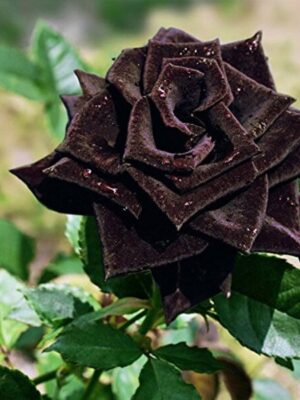
Black Rose Plant
₹550.00 -
SALE SOLD OUT 
Australian Hibiscus Plant, Yellow
Original price was: ₹550.00.₹451.00Current price is: ₹451.00. -
SALE SOLD OUT 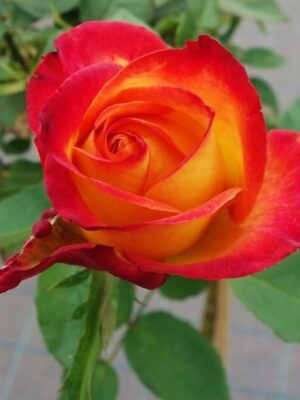
Alinka Rose Plant
Original price was: ₹550.00.₹451.00Current price is: ₹451.00. -
SALE SOLD OUT 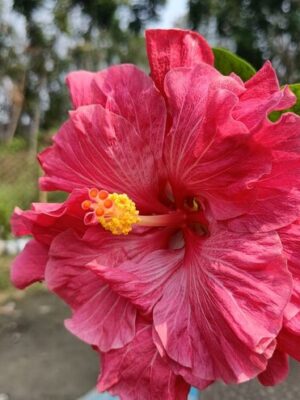
Australian Hibiscus Plant, Pink
Original price was: ₹550.00.₹451.00Current price is: ₹451.00.