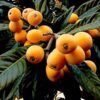
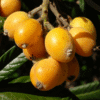
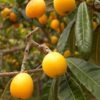
Loquat Fruit Plant

Original price was: ₹951.00.Current price is: ₹700.00.

Loquat Fruit Plant Details

  • Botanical Name:
    Eriobotrya japonica
  • Common Names:
    Loquat, Japanese Plum, Chinese Plum, Nispero.
  • Fruit Type:
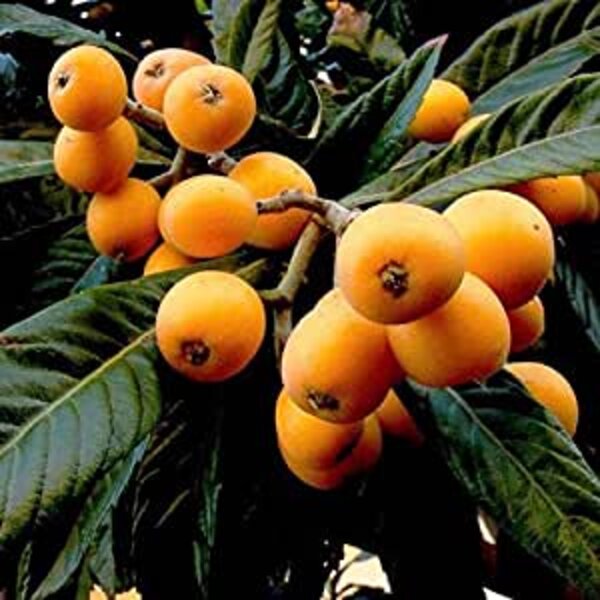
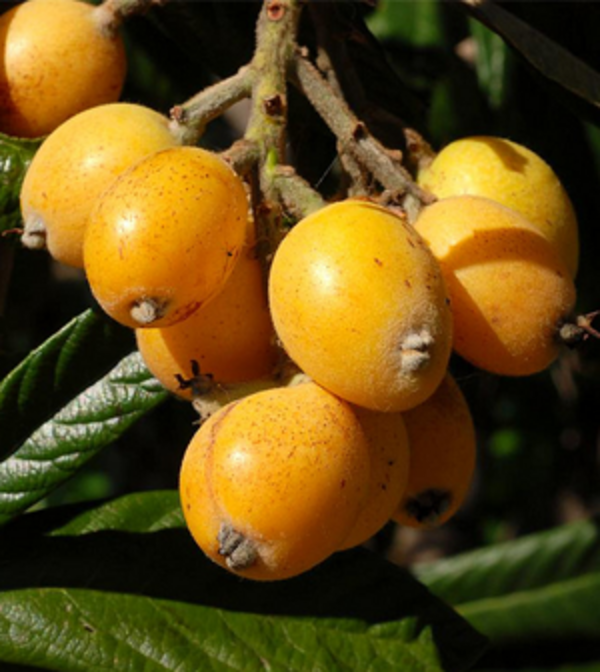
    Small, round to oval fruits with smooth or slightly fuzzy skin, growing in clusters.
  • Fruit Color:
    Yellow to orange when ripe, with a soft, juicy interior.
  • Fragrance:
    Sweet, floral aroma from the fruits and blossoms.
  • Growth Habit:
    • Type: Evergreen shrub or small tree.
    • Height: 10–20 feet (3–6 meters), though it can grow taller in favorable conditions.
    • Spread: Wide canopy with dense, glossy green leaves that are lance-shaped and leathery.
    • Lifespan: Long-lived and highly productive, often fruiting for decades.
  • Bloom Type:
    Loquat flowers are small, white, and fragrant, appearing in fall or early winter.
  • Other Details:
    • Native Habitat: Originates from southeastern China but is now widely cultivated in subtropical and warm temperate regions worldwide.
    • Hardiness Zones: USDA zones 8–10.
    • Soil: Prefers well-drained, loamy soil with a slightly acidic to neutral pH.
    • Light: Thrives in full sun but tolerates partial shade.
    • Uses: The fruit is consumed fresh, used in jams, jellies, and desserts, and has medicinal applications in traditional remedies.

Out of stock

Planting Tips for Loquat Fruit Plant

  1. Site Selection:
    • Choose a sunny, sheltered location to protect the plant from strong winds.
    • Allow ample space for the canopy to spread.
  2. Soil Preparation:
    • Ensure the soil is well-draining and rich in organic matter.
    • Avoid heavy clay soils unless amended with compost or sand.
  3. Planting Time:
    • Plant in early spring or late winter in regions with mild climates.
  4. Planting Process:
    • Dig a hole twice the width and the same depth as the root ball.
    • Place the sapling in the hole and backfill with soil, pressing gently to remove air pockets.
    • Water thoroughly after planting.
  5. Watering:
    • Water regularly during the first year to establish roots.
    • Mature trees are drought-tolerant but produce better fruit with consistent watering, especially during flowering and fruiting.
  6. Fertilizing:
    • Feed with a balanced fertilizer in spring and summer to promote healthy growth and fruit production.
    • Avoid over-fertilizing, as excessive nitrogen can reduce fruit yield.
  7. Pruning:
    • Prune after fruiting to maintain the shape and remove dead or diseased branches.
    • Thinning the canopy improves air circulation and light penetration, enhancing fruit quality.
  8. Pest and Disease Control:
    • Common Pests: Fruit flies, aphids, and scale insects. Use neem oil or insecticidal sprays for infestations.
    • Diseases: Watch for fire blight and leaf spot, and apply copper-based fungicides if necessary.
  9. Cold Protection:
    • Protect young plants from frost using mulch or frost cloth.
    • In colder regions, consider growing loquats in containers that can be moved indoors.
  10. Harvesting:
  • Fruits are ready to harvest when they turn fully yellow or orange and are slightly soft to the touch.
  • Handle with care to avoid bruising, as ripe fruits are delicate.

Benefits and Uses:

  • Culinary: Loquats are eaten fresh, added to fruit salads, or processed into jams, pies, and wine.
  • Medicinal: Leaves and seeds are used in traditional medicine for their anti-inflammatory and antioxidant properties.

The Loquat plant is a low-maintenance addition to home gardens, offering lush foliage, fragrant blooms, and delicious fruits.

“Learn more about growing fruits like the Loquat on PlantsInfo!”