
Sweet Orange Fruit Plant

Original price was: ₹850.00.Current price is: ₹700.00.

Sweet Orange (Citrus Sinensis) Plant Details


Plant Name:

Sweet Orange Plant


Plant Characteristics:

Botanical Name:

Citrus sinensis

Common Names:

Sweet Orange, Navel Orange, Valencia Orange

Type:

Evergreen fruit-bearing tree

Height:

Reaches 15–25 feet tall with a spread of 12–15 feet under ideal conditions.

Leaves:

Glossy, dark green leaves; oval-shaped with a slightly pointed tip.

Flowers:

Small, white, and fragrant flowers; bloom in spring and early summer.

Fruits:

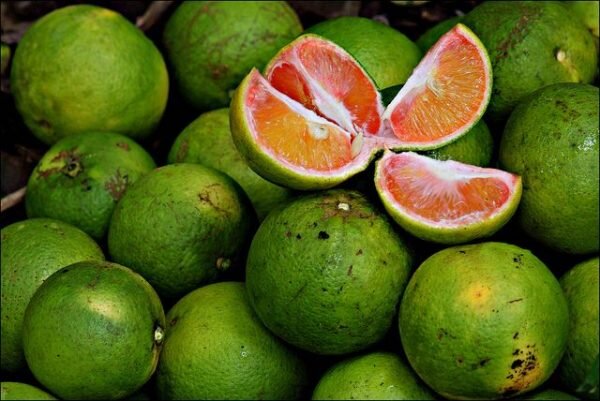
Round to slightly oval; bright orange peel; juicy and sweet-tasting segments. Harvested in late autumn to winter.

Native Habitat:

South and Southeast Asia; widely cultivated in tropical and subtropical regions worldwide.

Other Details:

  • Sweet Orange fruits are rich in Vitamin C and antioxidants.
  • Known for their refreshing aroma and flavor.
  • A symbol of good fortune in many cultures.
SKU: PLA-INF-57 Category: Tags: ,

Planting Tips for Sweet Orange:


Growing Requirements:

  • USDA Zone: 9–11
  • Light: Full sun; needs at least 6–8 hours of direct sunlight daily.
  • Soil: Well-draining, sandy loam soil with a pH of 6.0–7.0.
  • Watering: Moderate; ensure consistent moisture without waterlogging.

Ideal Planting Time:

Spring or early summer.

Soil Preparation:

  • Amend soil with organic compost and well-rotted manure for fertility.
  • Add sand for improved drainage in heavy soils.

Watering Routine:

  • Water deeply once a week; increase frequency during dry spells.
  • Mulch around the base to retain soil moisture.

Fertilizing:

  • Apply a citrus-specific fertilizer every 6–8 weeks during the growing season.
  • Reduce fertilization in autumn and winter.

Pruning:

  • Prune in late winter or early spring to remove dead or damaged branches.
  • Thin out overcrowded growth to improve airflow and light penetration.

Pest and Disease Control:

  • Common pests: aphids, spider mites, and citrus scale.
  • Treat with neem oil or horticultural sprays as needed.
  • Watch for fungal diseases like citrus canker; ensure good drainage and airflow.

Pollination Requirements:

Self-pollinating, but cross-pollination by bees can enhance fruit production.


Benefits and Uses:

Nutritional Value:

  • Excellent source of Vitamin C, dietary fiber, and antioxidants.
  • Promotes immunity, skin health, and digestion.

Aesthetic Value:

  • Adds charm to home gardens and orchards with its vibrant fruits and blossoms.

Ecological Role:

  • Attracts pollinators like bees and butterflies.
  • Helps prevent soil erosion when grown on slopes.

Special Notes:

Learn more about growing and nurturing citrus plants at PlantsInfo, your go-to resource for plant care and gardening tips!