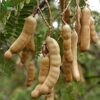
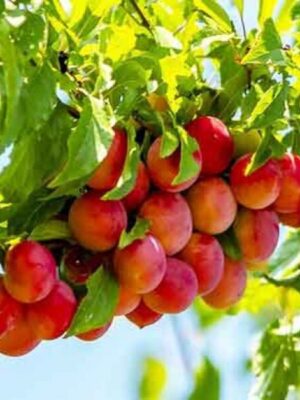
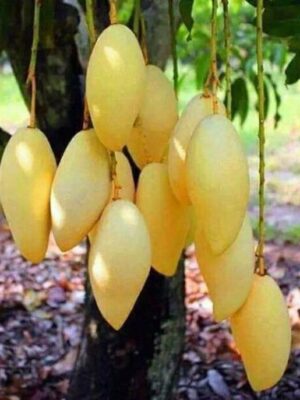
Choose a sunny location with enough space for the tree to spread.
Soil Preparation:
Plant in well-draining, loamy or sandy soil. If your soil is heavy, amend with organic matter for better drainage.
Planting Time:
Plant during the warmer months, ideally in early spring or during the monsoon season for better root establishment.
Planting Process:
Dig a hole about 2–3 times the size of the root ball.
Place the seedling in the hole, ensuring the root collar is level with the soil surface.
Backfill the hole, water thoroughly, and apply mulch around the base to retain moisture.
Watering:
Water regularly during the first year to establish roots.
After establishment, water deeply during dry spells but avoid waterlogging.
Fertilizing:
Use a balanced fertilizer (10-10-10) to promote healthy growth.
Apply organic compost once a year to improve soil fertility.
Pruning and Maintenance:
Prune lightly to shape the tree and remove any dead or damaged branches.
The tree benefits from minimal pruning, so avoid cutting too many branches.
Pest and Disease Control:
Pests: Tamarind trees are generally pest-resistant but may attract aphids, scale insects, or mealybugs. Use neem oil or insecticidal soap to manage these pests.
Diseases: Watch out for fungal diseases like powdery mildew; ensure proper air circulation and avoid overhead watering.
Temperature and Care:
Sweet Tamarind thrives in tropical and subtropical climates with warm temperatures between 70–95°F (21–35°C).
Benefits and Uses
Culinary Uses:
The sweet and tangy pulp is used in chutneys, candies, sauces, and beverages.
Commonly used in Indian, Southeast Asian, and Middle Eastern cuisines.
Health Benefits:
Rich in vitamin C, antioxidants, and dietary fiber.
Known to aid digestion, relieve constipation, and promote a healthy immune system.
Wood and Shade:
The wood is strong and durable, often used for furniture and construction.
The tree provides excellent shade, making it a great choice for landscaping and parks.
Cultural and Traditional Uses:
Tamarind leaves and bark are used in traditional medicine for various health benefits.
The Sweet Tamarind Plant offers not only delicious fruit but also a host of other practical and medicinal benefits.
“Grow your own Sweet Tamarind Tree today, available online at PlantsInfo!”