Common Names:
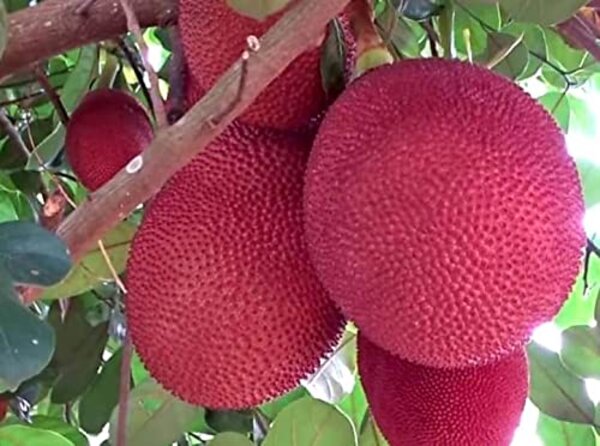
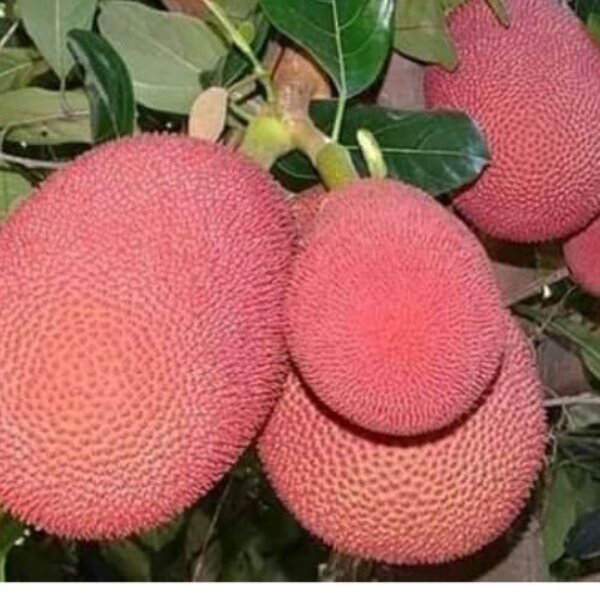
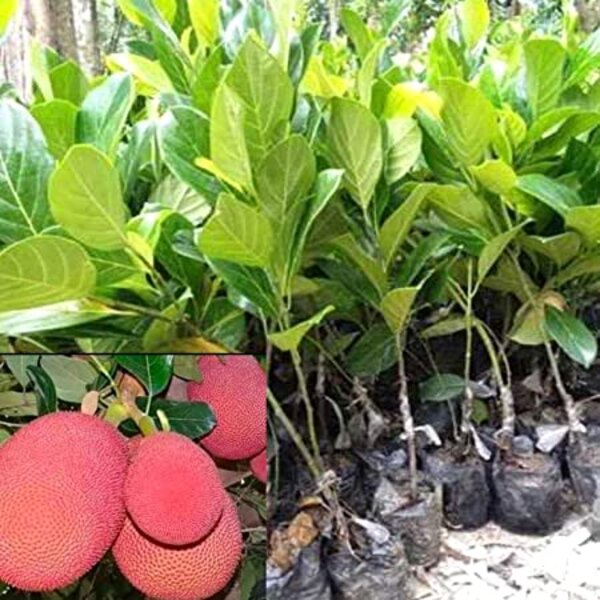
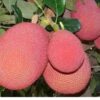
Thai Pink Jackfruit, Pink Jackfruit, Tropical Jackfruit.
Bloom Type:
Monoecious plant producing both male and female flowers on the same tree. The flowers are small, cylindrical, and inconspicuous, giving way to large fruits.
Flower Colors:
Greenish-yellow flowers with no significant ornamental value.
Fragrance:
Flowers have a mild earthy fragrance, while ripe fruits emit a strong, sweet aroma.
Growth Habit:
Type: Tropical evergreen tree.
Height: Can grow up to 30–70 feet (9–21 meters) in height under optimal conditions.
Spread: 20–50 feet (6–15 meters), depending on pruning and care.
Lifespan: The tree can live and bear fruit for over 50 years.
Other Details:
Native Habitat: Native to Southeast Asia, with this variety being cultivated in Thailand for its pink-fleshed fruit.
Hardiness Zones: USDA zones 10–12; thrives in tropical and subtropical regions.
Soil: Prefers rich, well-draining, slightly acidic to neutral soil with a pH of 5.5–7.5.
Light: Requires full sun to thrive, needing at least 6–8 hours of direct sunlight daily.
Special Traits: Known for its sweet, pink-colored flesh, Thai Pink Jackfruit is a high-yielding variety producing large, delicious fruits ideal for both fresh consumption and culinary use.
Choose a location with plenty of sunlight and space for the tree to grow to its full size. Avoid planting near buildings or other large trees to ensure proper airflow and sunlight access.
Soil Preparation:
Use nutrient-rich, well-draining soil. Adding compost or organic matter to the planting area will boost fertility and improve drainage.
Test soil pH and maintain a slightly acidic to neutral level.
Planting Time:
The best time to plant is during the spring or early summer when the weather is warm and there is no risk of frost.
Planting Process:
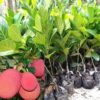
Dig a hole twice as wide and as deep as the root ball.
Place the sapling in the hole, ensuring the root crown is at the soil surface.
Backfill with soil and water thoroughly to settle the roots.
Watering:
Water deeply and consistently during the first two years to establish strong roots.
Reduce watering during the rainy season and avoid waterlogging, as jackfruit trees do not tolerate standing water.
Fertilizing:
Feed the tree with a balanced fertilizer (10-10-10 or similar) every 2–3 months during the growing season.
Enrich the soil with organic compost or manure annually to ensure sustained nutrient availability.
Pruning and Maintenance:
Prune to maintain shape, remove dead branches, and encourage better airflow and sunlight penetration.
Regularly thin out the canopy to promote healthy fruit production.
Pest and Disease Control:
Common Pests: Watch for fruit flies, aphids, and caterpillars. Use neem oil or organic pesticides to manage infestations.
Diseases: Fungal infections, such as root rot or leaf spot, can occur if the soil is overly wet. Ensure proper drainage and remove infected leaves or branches promptly.
Temperature and Care:
The ideal temperature range is 77–95°F (25–35°C). Protect young trees from frost or extreme cold by covering them or moving them to sheltered areas.
Mulching around the base helps retain soil moisture and stabilize root temperature.
Benefits and Uses
Fruit Quality: Thai Pink Jackfruit is prized for its vibrant pink flesh, sweet flavor, and low-fiber texture, making it perfect for fresh consumption, desserts, and smoothies.
Nutritional Value: High in vitamins A and C, dietary fiber, and antioxidants, it is a highly nutritious fruit.
Culinary Uses: Used in various dishes, including curries, salads, and desserts. Ripe fruits are eaten fresh or processed into jams and candies.
Economic Value: Popular in commercial farming due to its high yield and market demand.
Ornamental Value: The large, glossy leaves and impressive fruit size make it an attractive addition to tropical gardens.
The Thai Pink Jackfruit Plant is a rewarding addition to any tropical garden, combining ornamental beauty with the delight of harvesting large, delicious fruits.
“Bring the taste of the tropics to your garden with the Thai Pink Jackfruit, featured on PlantsInfo!”