Ensure the site has ample space for the tree to spread its canopy.
Soil Preparation:
Use well-draining soil enriched with organic matter.
Avoid waterlogged areas to prevent root rot.
Planting Time:
Best planted during the rainy season or early spring.
Planting Process:
Dig a hole twice the size of the root ball.
Place the sapling in the hole, ensuring the root collar is at ground level.
Backfill with soil and water thoroughly to settle the roots.
Watering:
Water regularly during the first year for root establishment.
Mature plants are drought-tolerant but benefit from consistent watering during flowering and fruiting seasons.
Fertilizing:
Apply a balanced fertilizer every 3–4 months during the growing season.
Supplement with organic compost or manure for better yield.
Pruning:
Prune regularly to shape the tree and remove dead or diseased branches.
Thinning the canopy improves sunlight penetration and air circulation.
Pest and Disease Control:
Common Pests: Fruit flies, mealybugs, and aphids. Manage with neem oil or insecticidal sprays.
Diseases: Root rot and leaf spot can occur in poorly drained soil. Use fungicides if needed.
Cold Protection:
Protect young plants from frost using mulch or frost cloth.
In colder climates, consider planting in containers to move indoors during winter.
Harvesting:
Fruits are ready to pick when fully mature but still firm.
Allow harvested fruits to ripen at room temperature until soft before consuming.
Benefits and Uses:
Culinary: Eaten fresh or used in milkshakes, desserts, ice creams, and jams for its rich, caramel-like sweetness.
Nutritional: Packed with dietary fiber, vitamins A and C, and essential minerals like iron and potassium.
Ornamental: Adds beauty to gardens with its lush foliage and attractive fruits.
Medicinal: Used in traditional remedies for its anti-inflammatory and antioxidant properties.
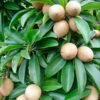
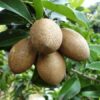
The Thai Chiku Plant is a high-yielding, low-maintenance fruit tree perfect for tropical and subtropical gardens, offering year-round sweetness and charm.
“Explore more fruit plant care guides on PlantsInfo!”