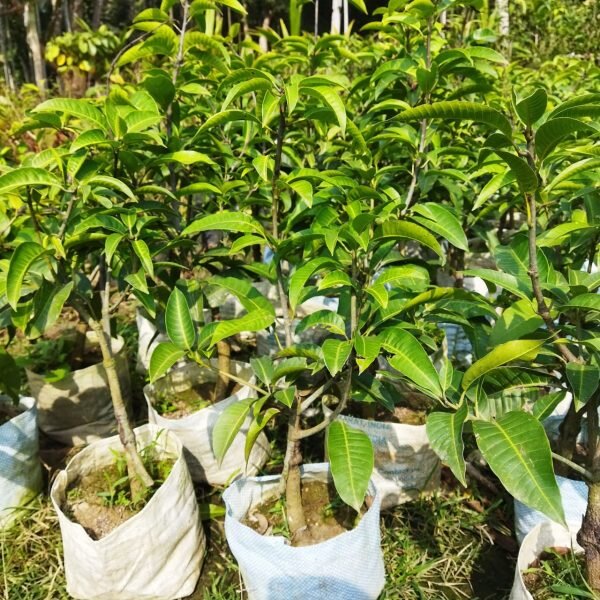
Thai Mango Plant

Original price was: ₹1,050.00.Current price is: ₹751.00.

Thai Mango Plant Details

  • Botanical Name:
    Mangifera indica (Thai Variety).
  • Common Names:
    Thai Mango, Nam Dok Mai Mango, Thai Sweet Mango.
  • Fruit Type:
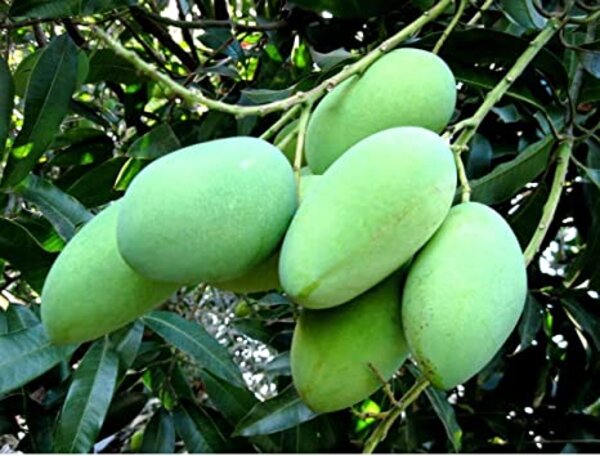
    Oblong-shaped, medium to large-sized fruits with smooth skin and juicy, fiberless pulp.
  • Fruit Color:
    • Skin: Greenish-yellow to golden yellow when ripe.
    • Flesh: Vibrant yellow-orange.
  • Fragrance:
    Sweet and tropical aroma.
  • Growth Habit:
    • Type: Evergreen tropical fruit tree.
    • Height: 30–60 feet (9–18 meters) but can be pruned for manageable height in home gardens.
    • Spread: 20–40 feet (6–12 meters).
    • Lifespan: Long-lived, productive for decades under proper care.
  • Other Details:
    • Native Habitat: Native to South Asia and Southeast Asia, widely cultivated in Thailand.
    • Hardiness Zones: USDA zones 9–11.
    • Soil: Thrives in well-drained, sandy, or loamy soil with a slightly acidic to neutral pH (5.5–7.5).
    • Light: Requires full sunlight for optimal growth and fruit production.
    • Special Traits: Known for its sweet, fragrant fruits and ability to thrive in warm climates.

Out of stock

Planting Tips for Thai Mango Plant

  1. Site Selection:
    • Choose a location with full sunlight and plenty of space for the tree’s canopy.
  2. Soil Preparation:
    • Ensure the soil is well-drained. Amend with organic compost for added nutrients.
  3. Planting Time:
    • Plant during spring or early monsoon when the soil is warm and moist.
  4. Planting Process:
    • Dig a hole twice the size of the root ball.
    • Position the sapling so the root collar is level with the soil surface.
    • Backfill with soil, and water thoroughly, and apply mulch to retain moisture.
  5. Watering:
    • Water deeply and regularly during the first 2–3 years for root establishment.
    • Reduce watering frequency once established but maintain moisture during flowering and fruiting periods.
  6. Fertilizing:
    • Use a balanced fertilizer (10-10-10) twice a year during the growing season.
    • Increase potassium and phosphorus during flowering and fruiting stages.
  7. Pruning and Maintenance:
    • Prune to shape the tree, remove deadwood, and improve airflow.
    • Thin branches to allow sunlight to penetrate the canopy.
  8. Pest and Disease Control:
    • Common Pests: Mango hoppers, mealybugs, and fruit flies. Use organic insecticides or neem oil.
    • Diseases: Anthracnose and powdery mildew. Apply fungicides and maintain proper airflow.
  9. Temperature and Care:
    • Thrives in temperatures between 77–95°F (25–35°C). Protect young plants from frost.

Benefits and Uses

  • Nutritional Value: Rich in vitamins A and C, antioxidants, and dietary fiber.
  • Culinary Uses:
    • Consumed fresh, in smoothies, salads, and desserts.
    • Used to make mango jams, pickles, and chutneys.
  • Aesthetic Appeal: Its lush foliage and seasonal flowering enhance gardens and orchards.
  • Economic Importance: High-yielding and profitable for commercial farming.

The Thai Mango Plant is perfect for tropical fruit enthusiasts, offering delicious, fiberless mangoes and enriching your garden’s landscape.

“Grow the exquisite Thai Mango Plant in your garden, now available online at PlantsInfo!”