₹850.00Original price was: ₹850.00.₹651.00Current price is: ₹651.00.
Vietnamese Guava Plant Details
Botanical Name: Psidium guajava
Common Names:
Vietnamese Guava, Guava, Tropical Guava.
Fruit Type:
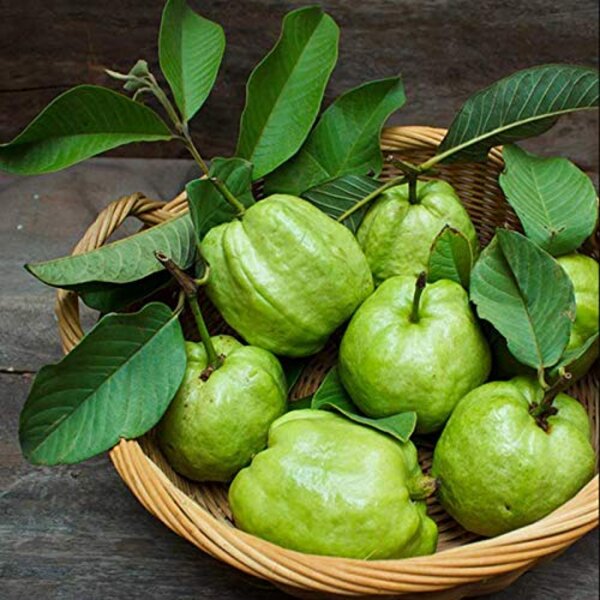
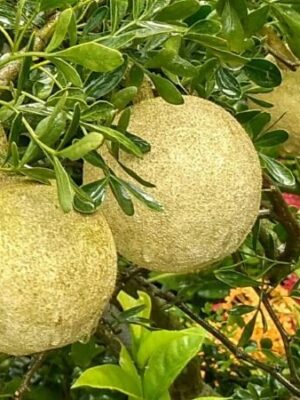
Vietnamese guavas are round to oval with green or yellowish skin. The flesh inside can vary from white to light pink, depending on the variety.
Fruit Color:
Green or light yellow exterior with white or pale pink flesh.
Taste and Texture:
The fruit has a mild, sweet, and slightly tangy flavor. The flesh is crisp when unripe and softer when fully ripened. Small edible seeds are present at the center.
Growth Habit:
Type: Evergreen tropical shrub or small tree.
Height: Typically 10–20 feet (3–6 meters) tall, though with pruning, it can be maintained at a smaller height.
Spread: 8–15 feet (2.5–4.5 meters).
Lifespan: Guava trees are long-lived and can produce fruit for 30–40 years with proper care.
Other Details:
Native Habitat: Native to tropical regions, particularly Central America, but widely cultivated in Vietnam and other Southeast Asian countries.
Hardiness Zones: USDA zones 9–11.
Soil: Prefers well-draining, sandy or loamy soil. Tolerant of various soil types but performs best in rich, organic soils.
Light: Requires full sun for optimal growth and fruit production.
Special Traits: Vietnamese guavas are prized for their prolific fruit production, fast growth, and ability to thrive in tropical climates.
Choose a location with plenty of sunlight; guava plants need at least 6–8 hours of direct sunlight daily.
Ensure the planting site has enough space for the plant to spread without overcrowding.
Soil Preparation:
Guava plants prefer well-draining soil that is rich in organic matter.
If planting in clay-heavy soil, amend with compost or sand to improve drainage.
Planting Time:
The best time to plant guava is in early spring or during the monsoon season in tropical climates.
Planting Process:
Dig a hole twice the size of the root ball and place the plant in the hole, ensuring the root crown is level with the soil surface.
Fill the hole with soil and water thoroughly to settle the roots.
Watering:
Water regularly, especially during the first year after planting, to establish a healthy root system.
Once established, guava plants are drought-tolerant but produce better fruit with consistent watering.
Fertilizing:
Use a balanced fertilizer in early spring and mid-summer to promote growth and fruiting.
Organic compost or well-rotted manure can be applied annually for added nutrition.
Pruning and Maintenance:
Prune the tree annually to remove dead or damaged branches and encourage better air circulation.
Shaping the plant helps in managing its size and increases fruit yield.
Pest and Disease Control:
Common Pests: Guava plants can attract aphids, fruit flies, and mealybugs. Use neem oil or insecticidal soap for pest control.
Diseases: Be vigilant for fungal issues like anthracnose or root rot, especially in humid climates. Proper air circulation and well-drained soil help prevent diseases.
Temperature and Care:
Vietnamese guava thrives in warm tropical and subtropical climates.
Protect the plant from frost and prolonged cold temperatures by using frost cloth or relocating potted plants indoors during winter.
Benefits and Uses:
Fruit: Vietnamese guavas are packed with vitamin C, fiber, and antioxidants, making them a healthy addition to any diet. The fruit can be eaten fresh, juiced, or used in jams, jellies, and desserts.
Ornamental: The guava plant is also an attractive addition to gardens, with its glossy leaves and fragrant flowers.
Medicinal: Guava leaves are used in traditional medicine to treat digestive issues, wounds, and skin conditions.
Wildlife: The fruit attracts birds and insects, promoting biodiversity in gardens.
The Vietnamese Guava Plant is a versatile, fast-growing fruit tree that provides delicious and nutritious fruit year-round in tropical climates. With proper care, it can be a centerpiece in any home garden or orchard.