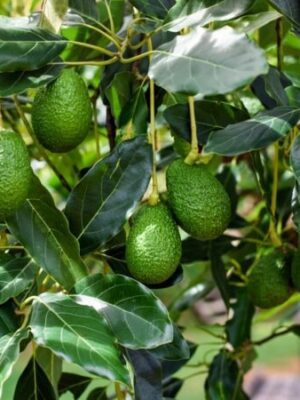
Thai Kaju Plant

Original price was: ₹1,051.00.Current price is: ₹751.00.

Thai Kaju Plant Details

  • Botanical Name:
    Anacardium occidentale (Thai Variety).
  • Common Names:
    Thai Kaju, Cashew Nut Tree, Kaju Tree.
  • Fruit Type:
    • The cashew tree produces two parts:
      • A pear-shaped cashew apple, which is juicy and edible.
      • A kidney-shaped cashew nut, attached to the end of the apple and encased in a hard shell.
  • Fruit Color:
    • Cashew apples: Yellow, orange, or red.
    • Cashew nuts: Green when raw, turning grayish-brown upon ripening.
  • Fragrance:
    Sweet, fruity aroma from the cashew apple.
  • Growth Habit:
    • Type: Tropical evergreen tree.
    • Height: 15–30 feet (4.5–9 meters).
    • Spread: 20–25 feet (6–7.5 meters).
    • Lifespan: Long-lived, often productive for decades.
  • Other Details:
    • Native Habitat: Originally from northeastern Brazil, adapted to tropical regions like Thailand, India, and Africa.
    • Hardiness Zones: USDA zones 10–12.
    • Soil: Prefers well-drained sandy or loamy soil with a slightly acidic to neutral pH (5.5–7.0).
    • Light: Requires full sunlight for healthy growth and optimal nut production.
    • Special Traits: Drought-tolerant and suitable for warm, humid climates.

Out of stock

SKU: PLA-INF-73 Category: Tags: ,

Planting Tips for Thai Kaju Plant

  1. Site Selection:
    • Choose a sunny, open area with good drainage.
  2. Soil Preparation:
    • Prepare soil enriched with organic matter, such as compost.
    • Avoid waterlogged or clay-heavy soils.
  3. Planting Time:
    • Best planted during spring or early monsoon when the soil is moist and warm.
  4. Planting Process:
    • Dig a hole twice the size of the root ball.
    • Place the sapling, ensuring the root collar is at ground level.
    • Backfill with soil, water thoroughly, and mulch around the base to retain moisture.
  5. Watering:
    • Water regularly during the first year for root establishment.
    • Once established, water during prolonged dry spells but avoid overwatering.
  6. Fertilizing:
    • Apply a nitrogen-rich fertilizer during the growing season to encourage growth.
    • Supplement with potassium and phosphorus for fruiting and nut development.
  7. Pruning and Maintenance:
    • Prune annually to remove dead or overcrowded branches.
    • Maintain a single trunk for easier harvesting and tree stability.
  8. Pest and Disease Control:
    • Common Pests: Aphids, caterpillars, and borers. Use neem oil or organic insecticides.
    • Diseases: Leaf spot and powdery mildew in humid conditions. Improve air circulation and apply fungicides if needed.
  9. Temperature and Care:
    • Thrives in temperatures between 77–95°F (25–35°C).
    • Protect young plants from frost and cold winds.

Benefits and Uses

  • Nut Production: Produces cashew nuts, a highly nutritious snack rich in healthy fats, proteins, and vitamins.
  • Culinary Uses:
    • Cashew apples are used to make juices, jams, and alcoholic beverages.
    • Cashew nuts are versatile, used in desserts, savory dishes, and as a standalone snack.
  • Ornamental Value: The tree’s broad canopy and lush foliage provide shade and aesthetic appeal.
  • Economic Value: Cashew cultivation is highly profitable due to the global demand for cashew nuts.

The Thai Kaju Plant is a valuable addition to home gardens or commercial plantations, offering nutritious nuts and delicious cashew apples.

“Grow your cashews with the Thai Kaju Plant, available online at PlantsInfo!”