Choose a sunny, sheltered location to protect the tree from strong winds and frost.
Ensure good air circulation to reduce the risk of fungal diseases.
Soil Preparation:
Use nutrient-rich, well-draining soil.
Enrich the planting area with compost or well-rotted manure.
Planting Time:
Plant dormant bare-root trees in late winter or early spring.
Container-grown trees can be planted at any time, avoiding extremes of heat or frost.
Planting Process:
Dig a hole twice as wide and as deep as the root ball.
Position the tree so that the graft union (the bulge near the base) is a few inches above the soil.
Backfill with soil, water thoroughly, and mulch around the base, keeping it away from the trunk.
Watering:
Water regularly during the first year to establish roots.
Mature trees require less frequent watering but ensure consistent moisture during fruiting.
Fertilizing:
Fertilize in early spring with a balanced fertilizer or organic compost.
Avoid over-fertilizing, which can lead to excessive foliage growth at the expense of fruiting.
Pruning:
Prune in late winter to early spring before new growth begins.
Remove dead, diseased, or crossing branches to shape the tree and improve air circulation.
Pest and Disease Control:
Common Pests: Aphids, mites, and fruit borers. Control with neem oil or insecticidal sprays.
Diseases: Brown rot, leaf curl, and powdery mildew. Use fungicides and maintain tree hygiene.
Frost Protection:
Protect young trees and blossoms from late frost by using frost cloths or planting near a windbreak.
Harvesting:
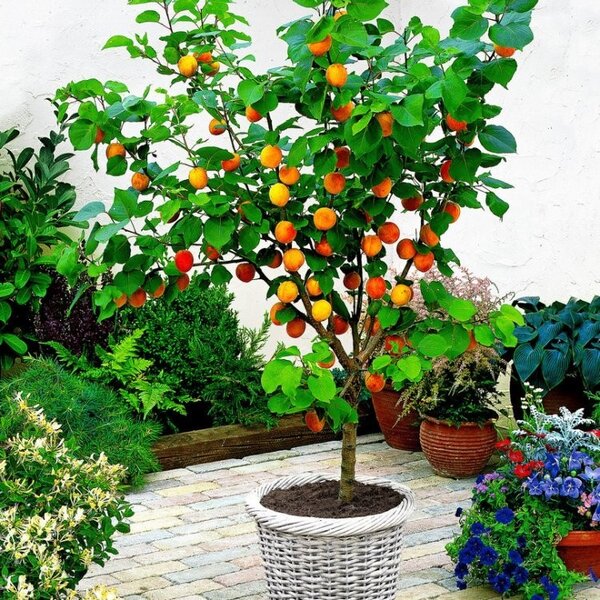
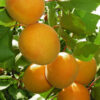
Apricots are ready to harvest when they develop a rich orange color and yield slightly to gentle pressure.
Pick by hand to avoid bruising the delicate fruits.
Benefits and Uses:
Culinary: Eat fresh, dried, or used in jams, desserts, and savory dishes.
Nutritional: High in vitamin A, potassium, and dietary fiber; known for promoting eye and digestive health.
Medicinal: Traditionally used for improving skin health and supporting heart health due to its antioxidant properties.
Ornamental: Beautiful spring blossoms make it an attractive addition to gardens and orchards.
The Apricot Plant is a rewarding fruit tree that combines beauty with productivity, making it a perfect choice for home gardeners in temperate regions.
“Find more detailed guides on fruit plants at PlantsInfo!”