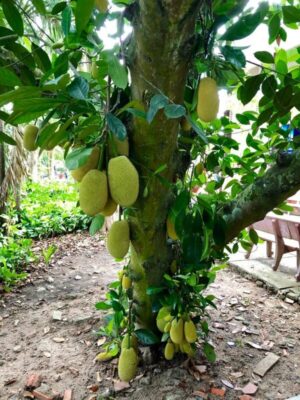
Choose a sunny, open location with ample space for the tree to spread.
Ensure the site is sheltered from strong winds to prevent branch damage.
Soil Preparation:
Prepare well-draining soil enriched with organic compost or manure.
Avoid planting in heavy clay soils unless amended for better drainage.
Planting Time:
Best planted during the rainy season or early spring for quick establishment.
Planting Process:
Dig a hole twice the width and depth of the root ball.
Position the plant in the hole, ensuring the root collar is level with the ground.
Backfill with soil and water thoroughly.
Watering:
Water regularly during the first year to establish a strong root system.
Mature trees are drought-tolerant but benefit from occasional deep watering during prolonged dry spells.
Fertilizing:
Apply a balanced fertilizer or organic compost twice a year: once in spring and once in summer.
Additional potassium-rich fertilizer during fruiting enhances yield and flavor.
Pruning:
Prune young trees to shape the canopy and encourage strong branching.
Remove dead, diseased, or overcrowded branches annually.
Pest and Disease Control:
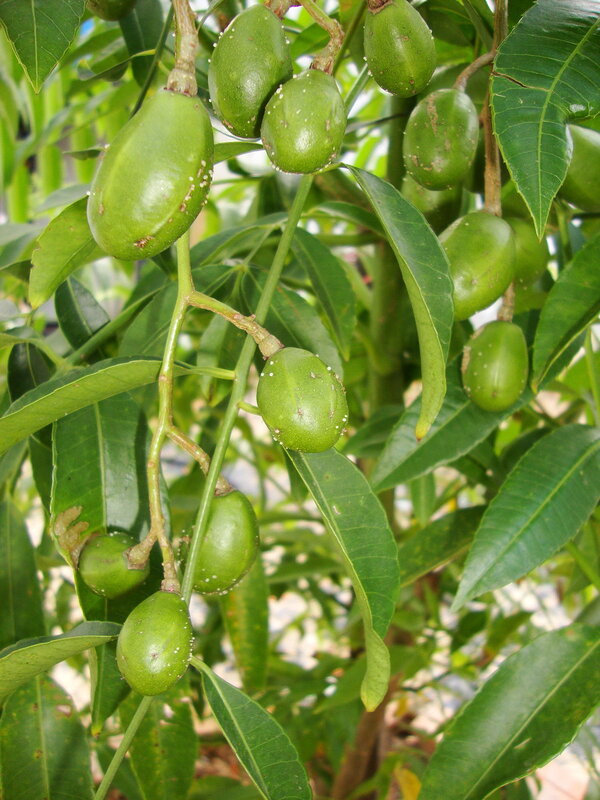
Common Pests: Scale insects, mealybugs, and fruit flies. Control with neem oil or insecticidal sprays.
Diseases: Root rot and leaf spot can occur in poorly drained or overcrowded conditions. Ensure proper spacing and soil drainage.
Frost Protection:
In colder climates, protect young plants from frost using mulch or frost covers.
Harvesting:
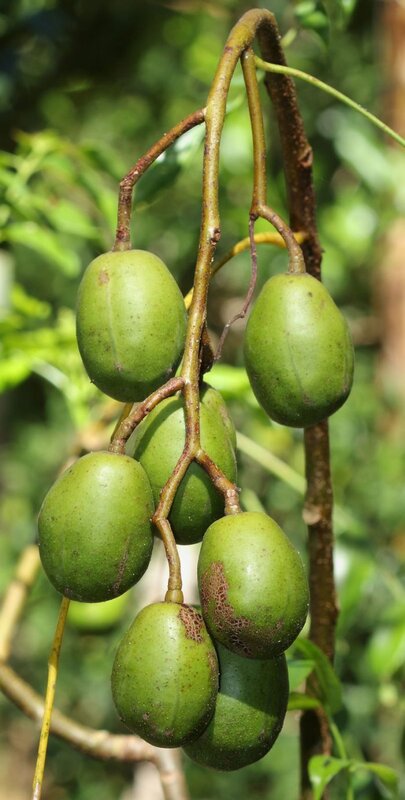
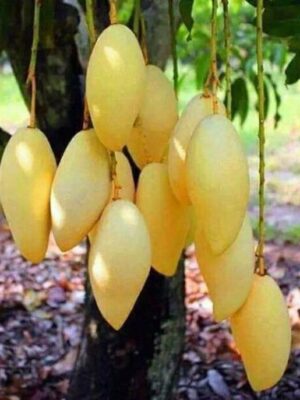
Fruits are ready to harvest when they turn yellow and slightly soften.
Pick by hand to avoid damage and store at room temperature until ripe.
Benefits and Uses:
Culinary: Consumed fresh, pickled, or used in jams, chutneys, and beverages. The unripe fruit is tangy and often used in salads or dips.
Nutritional: High in vitamin C, iron, and dietary fiber, supporting immune and digestive health.
Medicinal: Traditionally used for its anti-inflammatory and digestive benefits.
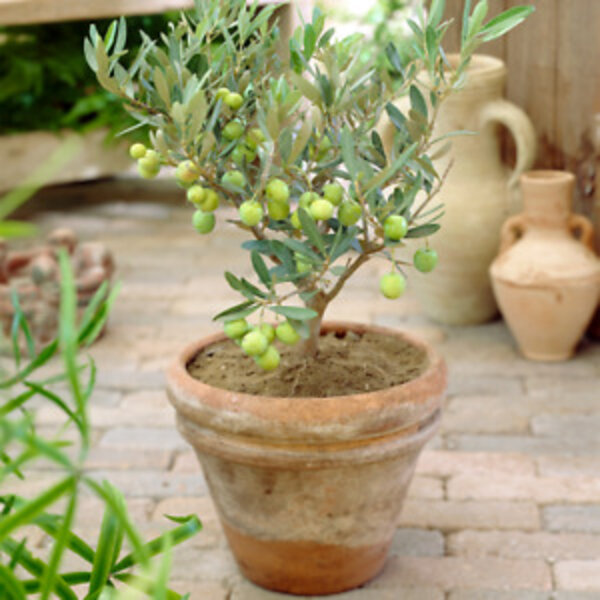
Ornamental: Its lush canopy and golden fruits make it a striking addition to home gardens.
The Thai Olive Plant is a versatile, easy-to-grow fruit tree, perfect for tropical and subtropical gardens, offering both culinary delights and aesthetic appeal.
“Discover more fascinating fruit plants on PlantsInfo!”