
SOLD OUT

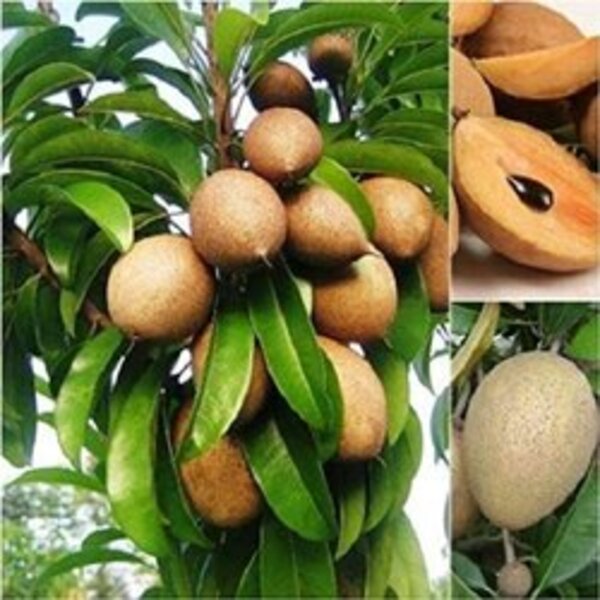
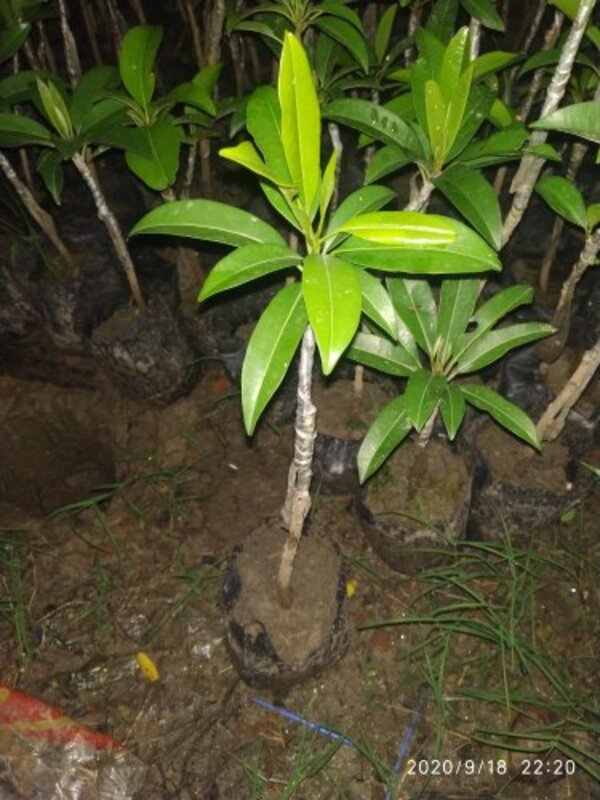
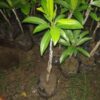
Kalapati Chiku (Saphota) Fruit Plant
Original price was: ₹951.00.₹651.00Current price is: ₹651.00.
Kalapati Chiku (Sapota) Fruit Plant Details
- Botanical Name:
Manilkara zapota - Common Names:
Kalapati Chiku, Sapota, Sapodilla, Naseberry. - Fruit Type:
Round to oval-shaped fruits with rough, brown skin and sweet, grainy pulp inside. - Fruit Color:
Brown exterior; the flesh is creamy brown with black seeds. - Fragrance:
The ripe fruit has a mild, sweet aroma. - Growth Habit:
- Type: Evergreen tree.
- Height: 30–50 feet (10–15 meters) in its natural environment; smaller in home gardens or with pruning.
- Spread: Dense canopy with oval-shaped, dark green leaves.
- Lifespan: Long-lived, productive for several decades.
- Other Details:
- Native Habitat: Originates from Central America and Mexico, thriving in tropical and subtropical climates.
- Hardiness Zones: USDA zones 9–12.
- Soil: Prefers well-drained sandy or loamy soil with a slightly acidic to neutral pH.
- Light: Requires full sun for optimal growth and fruit production.
Out of stock
Planting Tips for Kalapati Chiku (Sapota) Plant
- Site Selection:
- Choose a location with full sun exposure.
- Allow enough space for the tree to grow and spread its canopy.
- Soil Preparation:
- Ensure well-drained soil enriched with organic matter.
- Avoid waterlogged areas, as the plant is sensitive to standing water.
- Planting Time:
- Plant during the rainy season or early spring for best results.
- Planting Process:
- Dig a hole twice the size of the root ball.
- Place the plant in the hole with the root collar at ground level.
- Backfill with soil and water thoroughly to settle the roots.
- Watering:
- Water regularly during the first year to establish roots.
- Mature plants are drought-tolerant but benefit from consistent watering during flowering and fruiting.
- Fertilizing:
- Use a balanced fertilizer rich in nitrogen, phosphorus, and potassium.
- Apply compost or organic manure twice a year for better yield.
- Pruning:
- Prune young plants to shape the tree and remove weak or dead branches.
- Regular pruning improves air circulation and light penetration.
- Pest and Disease Control:
- Common Pests: Mealybugs, aphids, and fruit flies. Apply neem oil or appropriate insecticides to manage infestations.
- Diseases: Anthracnose or root rot in poorly drained soil. Use fungicides and ensure proper drainage.
- Cold Protection:
- Protect young plants from frost by mulching around the base or covering them during cold snaps.
- Harvesting:
- Fruits are ready to harvest when they are fully mature but still firm.
- Ripen off the tree until soft before consuming.
Benefits and Uses:
- Culinary: Consumed fresh, used in milkshakes, desserts, or jams due to its rich, sweet flavor.
- Nutritional: High in fiber, vitamins A and C, and antioxidants, making it a healthy fruit choice.
- Medicinal: Used in traditional remedies for its anti-inflammatory and digestive properties.
The Kalapati Chiku Plant is a productive, easy-to-grow fruit tree, perfect for home gardens and orchards, offering delicious fruits year-round.
“Discover more fruit plant care tips on PlantsInfo!”
Related products
-
SALE SOLD OUT 
Hybrid Rudraksha Plant
Original price was: ₹550.00.₹500.00Current price is: ₹500.00. -
SALE 
Avocado Plant
Original price was: ₹1,051.00.₹950.00Current price is: ₹950.00. -
SALE SOLD OUT 
Jayaphal Jatiphal Nutmeg Spice Plant
Original price was: ₹1,051.00.₹800.00Current price is: ₹800.00. -
SALE 
Red Apple Ber Plant
Original price was: ₹660.00.₹651.00Current price is: ₹651.00.