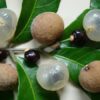
Planting Tips for Dragon’s Eye, Longan Fruit Plant:
Growing Requirements:
Light:
Full sun to partial shade; requires at least 6 hours of direct sunlight for optimal fruit production.
Soil:
Well-draining, slightly acidic to neutral soil (pH 6.0–7.5). Longan prefers loamy or sandy soil.
Watering:
Regular watering, especially during dry periods, but ensure the soil is well-drained to avoid waterlogging.
Ideal Planting Time:
Plant in the spring after the last frost or in the early summer in tropical regions.
Soil Preparation:
Add organic matter or compost to improve soil fertility and drainage.
Avoid planting in heavy clay soils, as the roots are sensitive to water retention.
Watering Routine:
Water regularly, keeping the soil moist but not soggy, particularly during the growing and fruiting seasons.
Reduce watering during the dormant period or winter.
Fertilizing:
Fertilize in early spring with a balanced fertilizer (e.g., 10-10-10) or organic compost.
Apply additional fertilizer in late summer to encourage fruiting.
Pruning:
Prune lightly to maintain a healthy structure and remove any dead or weak branches.
Prune to allow good airflow, which helps prevent fungal diseases.
Pest and Disease Control:
Watch for pests like aphids, scale insects, and fruit flies. Use neem oil or insecticidal soap for pest management.
Prevent fungal diseases by ensuring good air circulation and not overwatering.
Pollination Requirements:
Longan trees are usually self-pollinating, but planting more than one tree can enhance fruit production.
Benefits and Uses:
Nutritional Value:
Rich in vitamin C, potassium, and antioxidants.
The fruit is often used in traditional medicine for its potential health benefits, such as improving digestion and boosting energy.
Aesthetic Value:
Longan trees have dense, glossy foliage and produce attractive clusters of white flowers, making them valuable ornamental trees in tropical landscapes.
Ecological Role:
Provides food for birds, insects, and small wildlife.
Its flowers attract pollinators like bees.
Special Notes for PlantsInfo:
“Get Longan Fruit Plant at PlantsInfo to enjoy this tropical fruit in your garden!”