₹951.00Original price was: ₹951.00.₹751.00Current price is: ₹751.00.
Golap Jam Fruit Plant
Botanical Name: Syzygium jambos
Also known as Rose Apple or Malabar Plum.
Plant Details
Bloom Type:
The Golap Jam fruit plant produces beautiful, fluffy flowers that are large and clustered. The blooms have numerous stamens, giving them a feathery appearance.
Color:
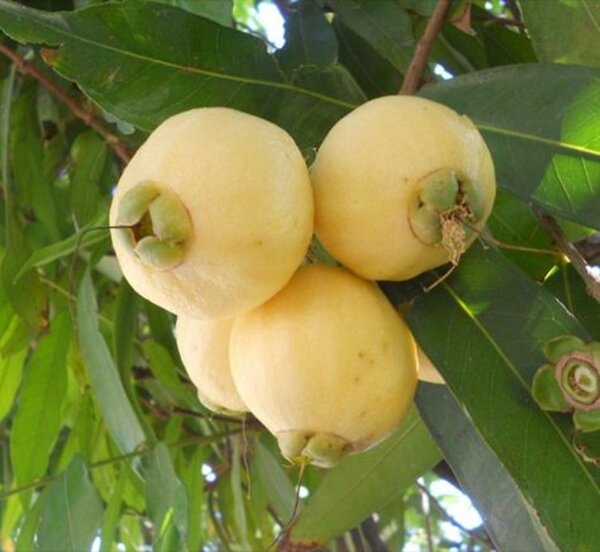
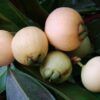
The flowers are creamy-white or pale greenish-yellow, while the fruits are usually yellowish or green with a rosy tinge. Some varieties may have reddish or purplish hues when ripe.
Fragrance:
The flowers and fruit of the Golap Jam plant have a pleasant, rose-like fragrance, which is where it gets its name. The fruit’s scent is sweet and mildly floral.
Growth Habit:
Golap Jam is an evergreen tree that grows moderately fast and can reach heights of 20–40 feet, though it can be pruned to remain smaller. It has a dense, spreading canopy and smooth, grayish bark.
Other Details:
Foliage: The plant has glossy, lance-shaped leaves that are deep green. Young leaves are often tinged with bronze or reddish hues.
Fruit: The fruit is small to medium-sized, round to oval, and has a thin, waxy skin. The flesh is crisp and juicy, with a sweet taste and a hint of rose flavor. It contains 1–2 seeds at the center.
Hardiness: The Golap Jam plant thrives in tropical and subtropical climates and is hardy in USDA zones 9–11. It prefers warm, humid conditions but can tolerate occasional mild frost.
Flowering and Fruiting: The tree typically flowers in late winter to early spring, with fruit maturing in summer. It can produce fruit within 2–4 years of planting, depending on growing conditions.
Sunlight: Golap Jam fruit plants require full sunlight for optimal growth and fruit production. Ensure they receive 6–8 hours of direct sunlight daily.
Soil: The plant thrives in well-draining, fertile soil with a pH range of 5.5–7.5. Sandy loam or loamy soil enriched with organic matter is ideal. Avoid heavy, waterlogged soil.
Watering: Water the plant regularly, especially during its growing season and dry periods. Keep the soil moist but not soggy. Established trees are moderately drought-tolerant but benefit from consistent watering during fruiting.
Fertilizer: Feed the plant with a balanced fertilizer or compost during the growing season. Fertilize in early spring and late summer with a mix of nitrogen, phosphorus, and potassium to support healthy growth and fruiting.
Pruning: Prune the tree lightly to shape it and remove dead or diseased branches. Pruning helps improve airflow and sunlight penetration, encouraging better fruit yield. Do this in late winter or after fruiting.
Mulching: Apply a layer of organic mulch around the base of the tree to conserve moisture, regulate soil temperature, and suppress weeds. Keep the mulch a few inches away from the trunk to prevent rot.
Pest Control: Monitor for common pests like fruit flies, aphids, and scale insects. Use organic pest control methods such as neem oil sprays or introduce beneficial insects. Fungal diseases can be managed with proper pruning and fungicide applications.
PlantsInfo Note:
Learn more about exotic fruit plants like Golap Jam and discover expert gardening tips on PlantsInfo, your one-stop destination for all things green and blooming! 🌳