Common Names:
Gouromati Mango, Gourmati Mango, Langra Mango (a variety known in some regions).
Fruit Type:
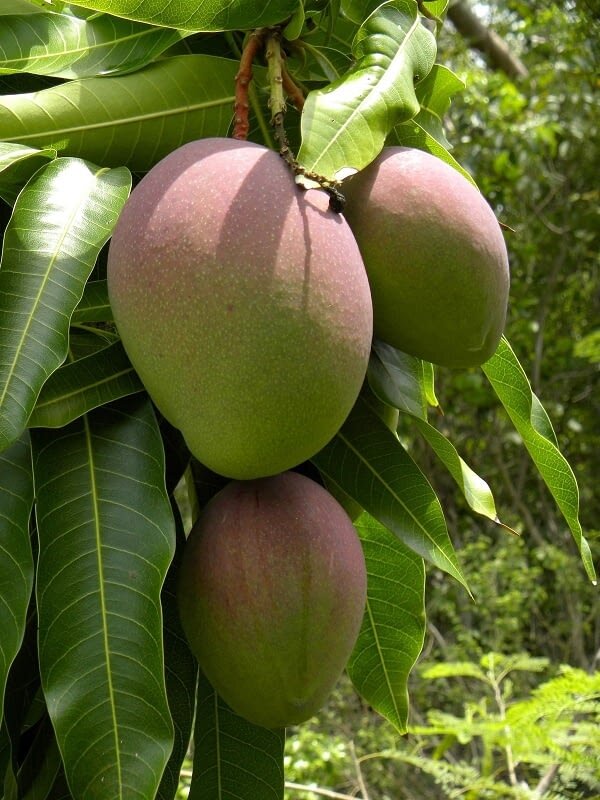
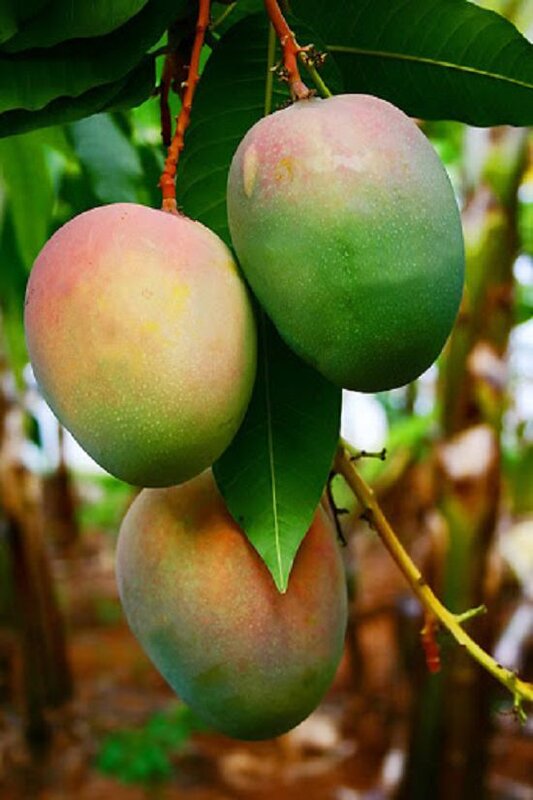
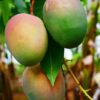
Mango, typically large, oval-shaped, with a sweet and juicy flesh.
Fruit Color:
Greenish-yellow when ripe, with a smooth, pale skin.
Fragrance:
The fruit has a strong, sweet fragrance when ripe.
Growth Habit:
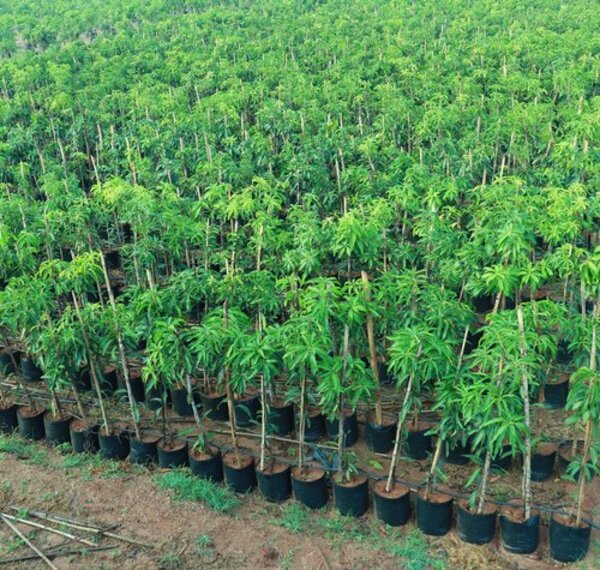
Type: Tropical evergreen tree.
Height: Typically 10–20 feet (3–6 meters) tall, though it can grow taller in ideal conditions.
Spread: Can spread 12–15 feet (3.5–4.5 meters) wide.
Lifespan: The tree can live for decades, with proper care.
Other Details:
Native Habitat: Originates from India, known for its sweet and tender fruit.
Hardiness Zones: USDA zones 10–11; thrives in tropical and subtropical climates.
Soil: Prefers well-draining, sandy loam soil with a slightly acidic to neutral pH.
Light: Requires full sun for optimal growth and fruit production.
Special Traits: Gouromati Mango is known for its excellent taste, smooth texture, and sweetness. The fruit is often smaller than other varieties, with fewer fibers and a more tender pulp.
Choose a sunny location with plenty of direct sunlight. The tree needs full sun for healthy growth and high fruit yield.
Make sure the location has good air circulation to prevent fungal diseases.
Soil Preparation:
Mango trees thrive in well-draining, sandy loam soil.
Ensure the soil has good organic content and is not heavy clay, which can retain excess water.
Planting Time:
Best to plant Gouromati Mango in the spring or early summer, after the last frost has passed.
Planting Process:
Dig a hole at least twice the size of the root ball.
Gently place the sapling in the hole and fill it with soil, ensuring the root crown is level with the ground surface.
Water well after planting to settle the soil around the roots.
Watering:
Water regularly, especially during dry periods, but avoid waterlogging. Mango trees prefer a deep watering schedule, allowing the soil to dry slightly between waterings.
Reduce watering during the cooler months when the tree is not actively growing.
Fertilizing:
Apply a balanced, slow-release fertilizer in the spring to promote growth and fruiting.
Mango trees also benefit from occasional organic compost to improve soil fertility.
Pruning and Maintenance:
Prune dead or damaged branches and thin out the canopy to improve air circulation and light penetration.
Remove any competing shoots and encourage one strong leader stem to help the tree grow vertically.
Pest and Disease Control:
Common Pests: Aphids, mealybugs, and scale insects; treat with neem oil or insecticidal soap.
Diseases: Fungal diseases like powdery mildew or anthracnose can be a problem, especially in humid conditions. Ensure good spacing between trees for proper airflow.
Temperature and Care:
The Gouromati Mango is a tropical tree that prefers warm temperatures between 77–95°F (25–35°C).
Protect from frost, as even brief cold exposure can damage the tree.
Benefits and Uses:
Culinary: Gouromati Mango is highly prized for its sweet, juicy, and fibrous-free flesh. It’s used in smoothies, and desserts, and eaten fresh.
Nutritional Value: Rich in vitamins A and C, antioxidants, and dietary fiber.
Medicinal: Mangoes are known for their digestive benefits, improving skin health, and boosting immunity.
Ornamental: The tree also adds beauty to landscapes with its glossy, evergreen leaves and attractive fruit.
The Gouromati Mango Plant is a valuable addition to any tropical garden, providing delicious fruits with exceptional flavor and texture.