Fruit Type:
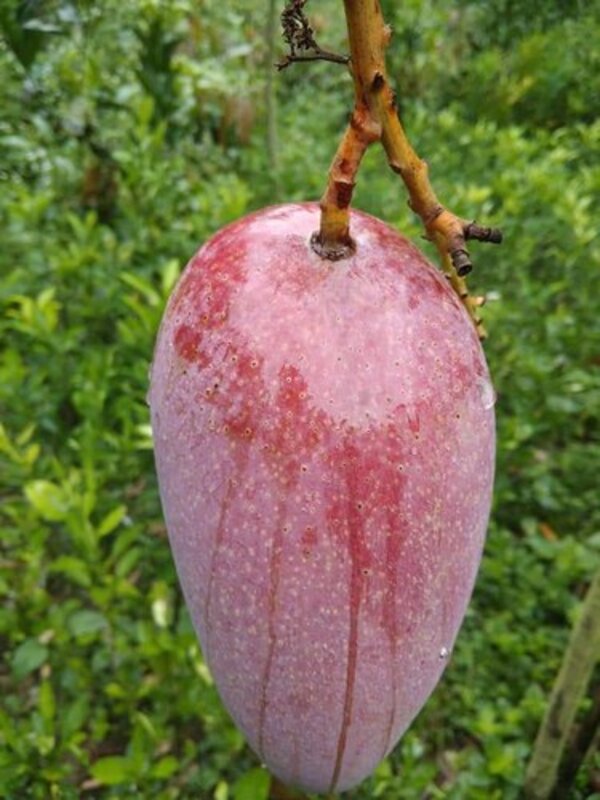
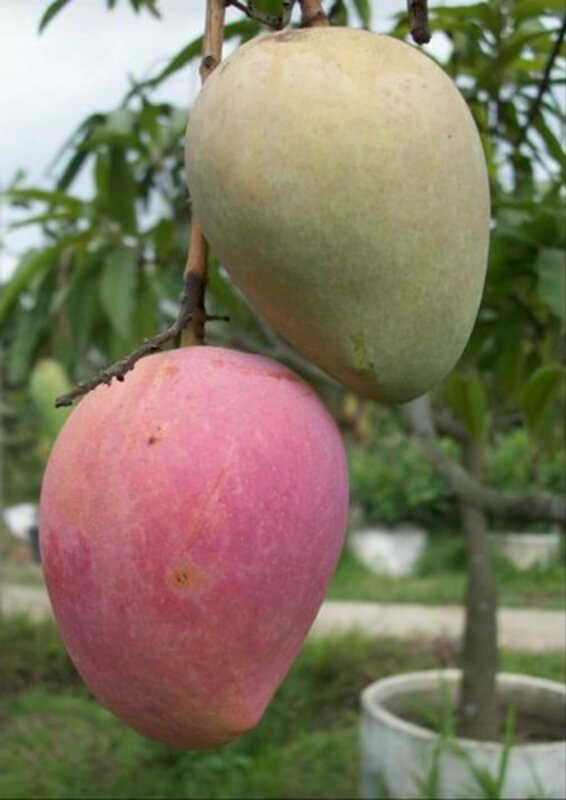
The fruit is a large, oval-shaped mango with smooth, yellow-orange skin. The flesh is fibrous and juicy, with a sweet flavor.
Fruit Color:
Yellow to golden-orange when ripe.
Taste and Texture:
Katimon mangoes are known for their sweet, tangy flavor and smooth, non-fibrous flesh. The texture is tender and juicy, making it ideal for eating fresh or using in cooking.
Growth Habit:
Type: Evergreen tropical tree.
Height: Typically 15–30 feet (4.5–9 meters) tall, although it can grow larger with age.
Spread: 12–25 feet (3.5–7.5 meters) wide.
Lifespan: Mango trees can live for several decades and continue to produce fruit for many years with proper care.
Other Details:
Native Habitat: Katimon mangoes are primarily grown in tropical regions, such as Southeast Asia, and are considered a variety of the popular Mangifera indica mango species.
Hardiness Zones: USDA zones 10–11, ideal for tropical and subtropical climates.
Soil: Prefers well-draining, loamy or sandy soil.
Light: Requires full sun for optimal growth and fruit production.
Special Traits: Katimon mangoes are highly valued for their excellent flavor and texture, and the trees are relatively resistant to common mango pests and diseases.
Choose a sunny location for your Katimon mango tree, as it requires full sun to thrive and produce fruit.
Ensure the location is well-protected from strong winds, as mango trees have brittle branches that can break under harsh conditions.
Soil Preparation:
Mango trees prefer well-draining, sandy, or loamy soil.
If planting in heavy clay soil, amend it with organic matter or compost to improve drainage.
Planting Time:
The best time to plant a Katimon mango tree is in early spring after the last frost, or in the fall if the climate is warm enough.
Planting Process:
Dig a hole that is twice as wide and deep as the root ball of the plant.
Place the tree in the hole, ensuring the root crown is level with the soil surface, and fill the hole with soil.
Water thoroughly to settle the soil around the roots.
Watering:
Water the tree regularly, especially during dry periods, to keep the soil consistently moist but not waterlogged.
Once the tree is established, it becomes more drought-tolerant, but consistent watering will help it grow and produce high-quality fruit.
Fertilizing:
Use a balanced fertilizer that is rich in potassium and phosphorus to encourage healthy growth and fruiting. Apply fertilizer in early spring and again in mid-summer.
Organic compost or well-rotted manure can also be applied annually to provide nutrients to the tree.
Pruning and Maintenance:
Prune the tree annually to remove dead or damaged wood, as well as any overcrowded branches. This helps improve air circulation and encourages better fruit production.
Regularly check for pests and diseases, particularly during the flowering and fruiting stages.
Pest and Disease Control:
Common Pests: Mango trees can attract aphids, mealybugs, and scale insects. Use neem oil or insecticidal soap to control infestations.
Diseases: Mango trees can suffer from fungal diseases like powdery mildew and anthracnose. Ensure good air circulation around the tree and avoid overhead watering to reduce the risk.
Temperature and Care:
Katimon mango trees prefer warm temperatures and thrive in tropical or subtropical climates.
They are sensitive to frost, so in cooler climates, the tree should be grown in a container or indoors during winter.
Benefits and Uses:
Fruit: Katimon mangoes are sweet, juicy, and perfect for eating fresh, juicing, or making into desserts, smoothies, or salads.
Ornamental: Mango trees, including Katimon, are often planted for their large, glossy leaves and attractive form.
Health Benefits: Mangoes are rich in vitamin C, vitamin A, fiber, and antioxidants, promoting immune health, skin health, and digestion.
Wildlife: The tree attracts various birds and insects that feed on the nectar and fruit.
The Katimon Mango Plant is a prized variety of mango, known for its sweet, flavorful fruit and its ability to thrive in tropical climates. With proper care, this tree will provide delicious fruit for many years.
“Grow the delightful Katimon mango at PlantsInfo!”