
SALE
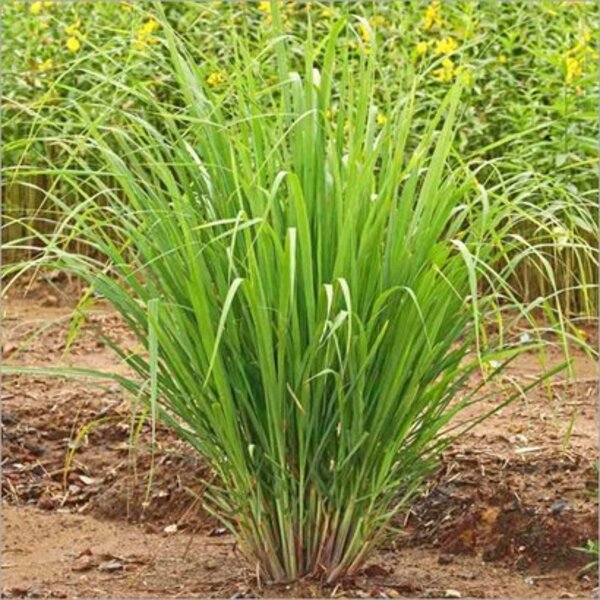
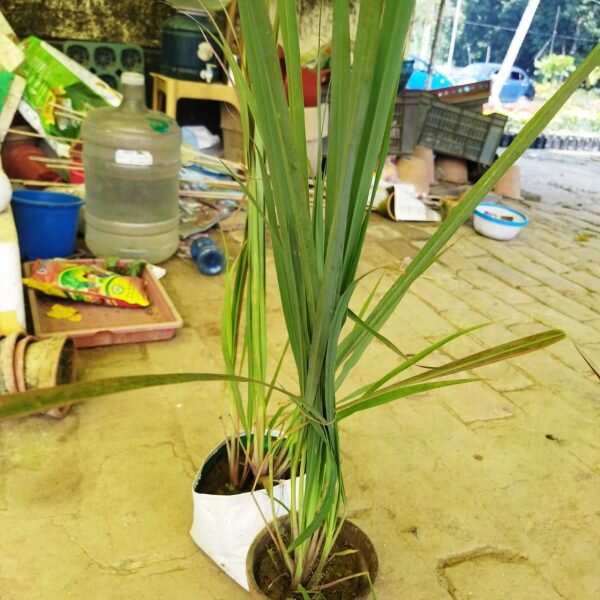


Lemon Grass Plant
Original price was: ₹950.00.₹651.00Current price is: ₹651.00.
Plant Name:
Lemon Grass (Cymbopogon citratus)
Plant Characteristics:
- Botanical Name:
Cymbopogon citratus - Common Names:
Lemon Grass, Citronella Grass - Type:
Herbaceous perennial grass - Height:
3–5 feet tall with a spread of 2–3 feet - Leaves:
Long, narrow, green leaves with a citrus scent when crushed - Flowers:
- Color: Pale or white flowers (not particularly ornamental)
- Shape: Small, inconspicuous flowers arranged in panicles
- Fragrance: Pleasant citrus scent from crushed leaves
- Bloom Season: Late summer to fall
- Fruits:
- Not typically grown for its fruit; harvested for its leaves
- Native Habitat:
Native to Southeast Asia, commonly found in tropical and subtropical regions - Other Details:
- Known for its strong lemon flavor and aroma, commonly used in culinary dishes, teas, and essential oils.
- It also has insect-repelling properties, particularly against mosquitoes.
Planting Tips:
Growing Requirements:
- Light:
Full sun to partial shade; requires at least 6 hours of sunlight daily. - Soil:
Well-draining, fertile soil with a slightly acidic to neutral pH (6.0–7.0). - Watering:
Regular watering to keep the soil moist but well-drained.
Ideal Planting Time:
Plant in the spring after the last frost when temperatures are consistently warm.
Soil Preparation:
- Add compost or well-rotted manure to improve soil fertility.
- Ensure the soil drains well, as lemon grass does not tolerate standing water.
Watering Routine:
- Water deeply to keep the soil evenly moist, especially during dry spells.
- Water less frequently in cooler months but avoid letting the soil dry out completely.
Fertilizing:
- Fertilize every 4–6 weeks during the growing season with a balanced, all-purpose fertilizer.
- Use organic fertilizers like compost or fish emulsion for healthier growth.
Pruning:
- Trim the plant by cutting back the old growth to promote fresh growth.
- Remove any dead or damaged leaves to maintain the plant’s health.
Pest and Disease Control:
- Lemon grass is generally pest-resistant but can be affected by aphids or spider mites.
- Use neem oil or insecticidal soap to manage pests.
Pollination Requirements:
- Lemon grass is primarily grown for its leaves and does not require special pollination.
Benefits and Uses:
- Nutritional Value:
- The leaves are commonly used to flavor food, especially in Southeast Asian cuisine.
- It is also used in herbal teas and for medicinal purposes like aiding digestion.
- Aesthetic Value:
- Lemon grass can be used in landscaping as a border plant or in containers.
- Its tall, arching foliage adds texture and interest to garden spaces.
- Ecological Role:
- Acts as a natural mosquito repellent due to its citronella content.
- Attracts beneficial insects, such as bees.
Special Notes for PlantsInfo:
“Get Lemon Grass Live Plant at PlantsInfo to bring both a fragrant, culinary herb and a natural mosquito repellent to your garden!”
Related products
-
SALE 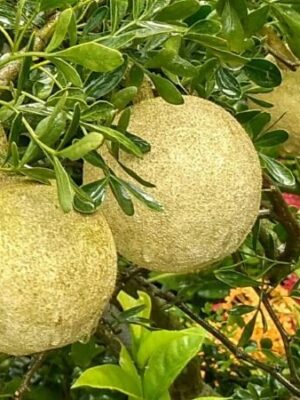
Thai Wood Apple Plant
Original price was: ₹660.00.₹651.00Current price is: ₹651.00. -
SALE SOLD OUT 
Hybrid Rudraksha Plant
Original price was: ₹550.00.₹500.00Current price is: ₹500.00. -
SALE SOLD OUT 
Hrm-99 Apple Plant
Original price was: ₹850.00.₹751.00Current price is: ₹751.00. -
SALE SOLD OUT 
Kagoji Lemon Plant
Original price was: ₹770.00.₹751.00Current price is: ₹751.00.