
SALE


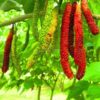
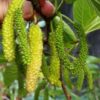
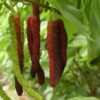
Long Mulberry Fruit Plant
Original price was: ₹1,051.00.₹947.00Current price is: ₹947.00.
Plant Name:
Long Mulberry (Morus alba var. multicaulis)
Plant Characteristics:
- Botanical Name:
Morus alba var. multicaulis - Common Names:
Long Mulberry, White Mulberry (variety) - Type:
Deciduous tree or large shrub - Height:
10–20 feet tall, with a spread of 10–15 feet - Leaves:
Heart-shaped, glossy green leaves that may have a serrated edge - Flowers:
- Color: Small, greenish-yellow flowers in catkins
- Shape: Inconspicuous, clustered flowers
- Fragrance: Light and not very noticeable
- Bloom Season: Late spring to early summer
- Fruits:
- Shape: Elongated, cylindrical berries
- Color: White, red, or purple when ripe
- Taste: Sweet and slightly tart, depending on the variety
- Harvest Time: Late summer to early fall
- Native Habitat:
Native to East Asia and China, cultivated in temperate regions globally - Other Details:
- Long Mulberry plants are highly valued for their long, sweet fruit, which is rich in vitamins and antioxidants.
- The tree is also important for silkworm cultivation as mulberry leaves are the primary food source for silkworms.
Planting Tips:
Growing Requirements:
- Light:
Full sun for best fruit production; can tolerate partial shade but may have reduced yields. - Soil:
Well-draining, fertile soil with a neutral pH (6.0–7.5). - Watering:
Keep soil evenly moist, especially during fruiting, but avoid waterlogging.
Ideal Planting Time:
Plant in early spring after the last frost or in late fall in warmer regions.
Soil Preparation:
- Enrich the soil with organic compost or manure to improve fertility and drainage.
- Mulching around the base of the plant helps retain moisture and maintain stable soil temperatures.
Watering Routine:
- Water regularly, ensuring the soil is moist but not soggy. Water deeply during dry periods.
Fertilizing:
- Fertilize in spring with a balanced fertilizer, or use organic fertilizers such as compost or aged manure.
- Avoid over-fertilizing, as this can result in excessive leaf growth at the expense of fruit production.
Pruning:
- Prune the tree to maintain shape and encourage air circulation.
- Remove dead or diseased wood, and thin out crowded branches to improve fruit production.
Pest and Disease Control:
- Mulberries can be susceptible to aphids, whiteflies, and fungal diseases.
- Use neem oil or insecticidal soap for pest control. Ensure proper drainage to avoid root rot.
Pollination Requirements:
- Mulberries are typically self-pollinating, but planting multiple trees may increase fruit yield.
Benefits and Uses:
- Nutritional Value:
- Rich in vitamin C, iron, and antioxidants.
- The fruit can be eaten fresh, dried, or made into jams, jellies, and juices.
- Aesthetic Value:
- Provides a lush canopy of leaves and attractive, colorful fruit.
- Can be grown as a small tree in yards or larger orchards.
- Ecological Role:
- Attracts birds and beneficial pollinators.
- Provides food for wildlife and silkworms, supporting local ecosystems.
Special Notes for PlantsInfo:
“Get Long Mulberry Fruit Plant at PlantsInfo to enjoy sweet, nutritious fruit right from your garden!”
Related products
-
SALE SOLD OUT 
Doc Mai Mango Plant
Original price was: ₹1,051.00.₹800.00Current price is: ₹800.00. -
SOLD OUT 
Chalta / Elephant Apple Plant
₹750.00 -
SALE 
Thai Wood Apple Plant
Original price was: ₹660.00.₹651.00Current price is: ₹651.00. -
SALE SOLD OUT 
Dragon Fruit Plant
Original price was: ₹550.00.₹401.00Current price is: ₹401.00.