Mangosteen Fruit Plant

Original price was: ₹900.00.Current price is: ₹740.00.

Mangosteen Fruit Plant Details

  • Botanical Name:
    Garcinia mangostana
  • Common Names:
    Mangosteen, Queen of Fruits, Purple Mangosteen.
  • Fruit Type:
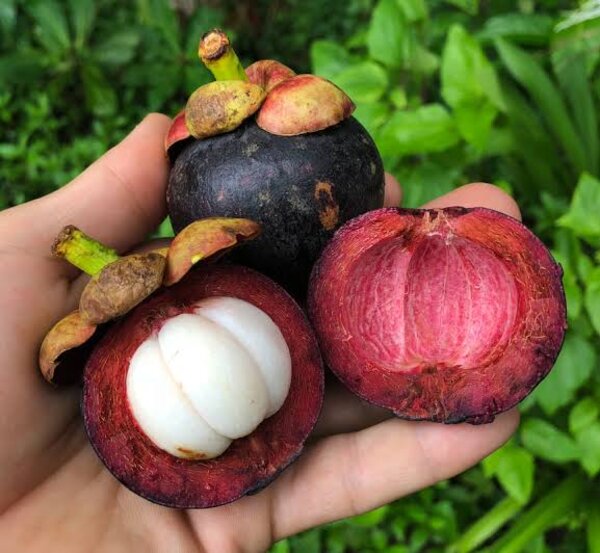
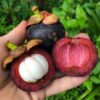
    Round fruit with a thick, purple rind and juicy, segmented white pulp known for its sweet and tangy flavor.
  • Fruit Color:
    Dark purple when ripe, with creamy white segments inside.
  • Fragrance:
    Subtle and sweet aroma, especially noticeable when the fruit is cut open.
  • Growth Habit:
    • Type: Slow-growing, evergreen tropical tree.
    • Height: 20–80 feet (6–25 meters) in its natural habitat but typically smaller in cultivation.
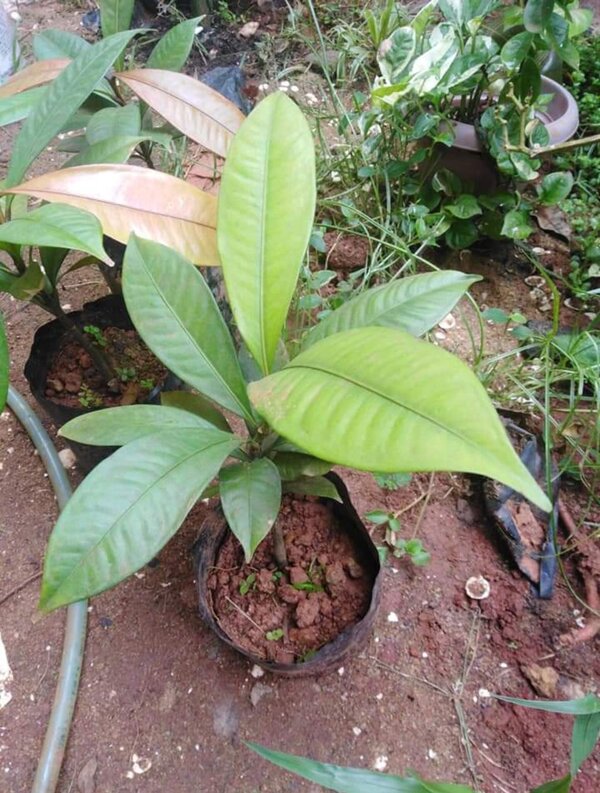
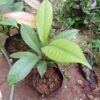
    • Spread: Compact, symmetrical canopy with glossy, dark green leaves.
    • Lifespan: Long-lived tree, often productive for 50+ years.
  • Other Details:
    • Native Habitat: Indigenous to Southeast Asia, particularly Indonesia, Malaysia, and Thailand.
    • Hardiness Zones: USDA zones 10–12; thrive in consistently warm, humid climates.
    • Soil: Requires well-drained, slightly acidic soil rich in organic matter.
    • Light: Prefers partial shade to full sun; young plants need some shade.
    • Special Traits: Known for its exquisite flavor and rich nutritional profile, often called the “Queen of Fruits.”

Out of stock

Planting Tips for Mangosteen Plant

  1. Site Selection:
    • Choose a location with consistent warmth, high humidity, and partial shade for young plants.
    • Avoid areas prone to strong winds or frost.
  2. Soil Preparation:
    • Enrich the soil with compost, peat moss, or well-rotted manure for better moisture retention.
    • Ensure proper drainage, as the plant is sensitive to waterlogging.
  3. Planting Time:
    • Best planted during the rainy season or early spring to provide ample moisture for establishment.
  4. Planting Process:
    • Dig a hole twice the size of the root ball and as deep as the root system.
    • Position the plant carefully, keeping the root collar above soil level.
    • Backfill with enriched soil and water thoroughly.
  5. Watering:
    • Water regularly to maintain consistently moist soil, especially in dry seasons.
    • Avoid overwatering, as it can lead to root rot.
  6. Fertilizing:
    • Apply organic or slow-release fertilizers during the growing season.
    • Supplement with potassium-rich fertilizers to enhance fruiting.
  7. Pruning:
    • Minimal pruning required; remove dead or damaged branches.
    • Shape the tree lightly to encourage better airflow and light penetration.
  8. Pest and Disease Control:
    • Common Pests: Aphids, mealybugs, and scale insects; manage with neem oil or insecticidal soap.
    • Diseases: Root rot and fungal infections; ensure proper drainage and avoid waterlogging.
  9. Frost Protection:
    • Protect from cold temperatures with mulch or covers, especially in non-tropical areas.
  10. Harvesting:
    • Fruits are ready to harvest when the rind turns deep purple and the fruit is slightly soft to touch.
    • Use gentle twisting to remove the fruit without damaging the tree.

Benefits and Uses:

  • Culinary: Eaten fresh or used in desserts, beverages, and preserves.
  • Nutritional: Rich in antioxidants, vitamin C, and fiber, promoting immunity and overall health.
  • Medicinal: Traditionally used for anti-inflammatory and antibacterial properties.
  • Ornamental: Its symmetrical canopy and vibrant fruits make it a stunning tropical addition to gardens.

The Mangosteen Fruit Plant is prized for its luscious, unique flavor and tropical beauty, making it a cherished addition to any fruit garden.

“Explore more exotic fruit plants at PlantsInfo!”