Choose a sunny, sheltered location with well-drained soil.
Avoid planting in areas prone to strong winds.
Soil Preparation:
Enrich the planting site with organic compost or well-rotted manure.
Ensure the soil is loose and drains well to prevent waterlogging.
Planting Time:
Best planted during the rainy season or early spring.
Planting Process:
Dig a hole twice the width of the root ball and the same depth.
Place the plant in the hole, ensuring the root collar is at ground level.
Backfill with soil and water thoroughly.
Watering:
Water regularly during the first year to establish roots.
Mature trees are moderately drought-tolerant but benefit from consistent watering during flowering and fruiting.
Fertilizing:
Apply a balanced fertilizer every 2–3 months during the growing season.
Add organic matter or potassium-rich fertilizers to enhance fruit quality.
Pruning:
Prune in late winter or early spring to shape the tree and remove dead or diseased branches.
Thinning the canopy improves air circulation and sunlight penetration.
Pest and Disease Control:
Common Pests: Aphids, scale insects, and mealybugs. Manage with neem oil or insecticidal sprays.
Diseases: Root rot and leaf spot are common in poorly drained conditions. Use fungicides if needed.
Cold Protection:
In cooler climates, protect young trees with mulch or frost covers during winter.
Harvesting:
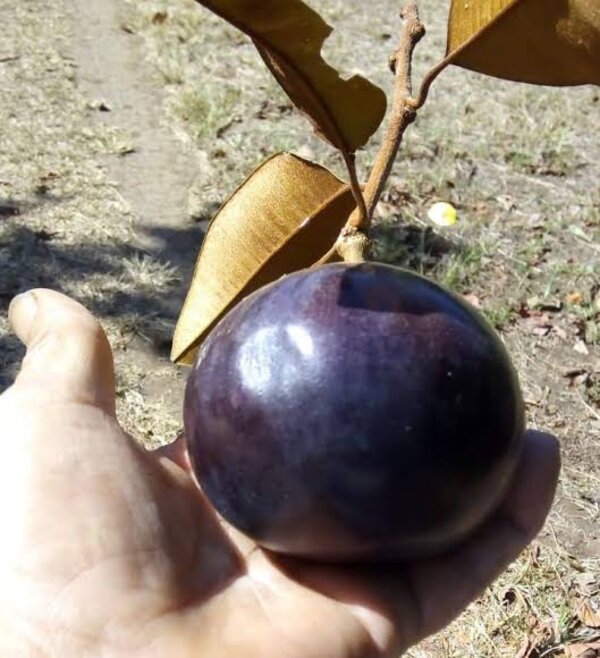
Fruits are ready to pick when they soften slightly and the skin develops a glossy sheen.
Avoid consuming unripe fruits, as they can be astringent due to high latex content.
Benefits and Uses:
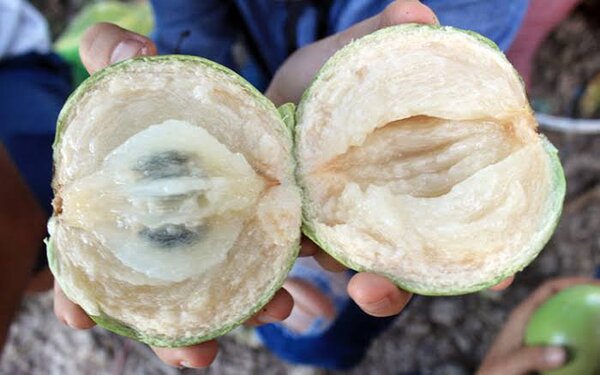
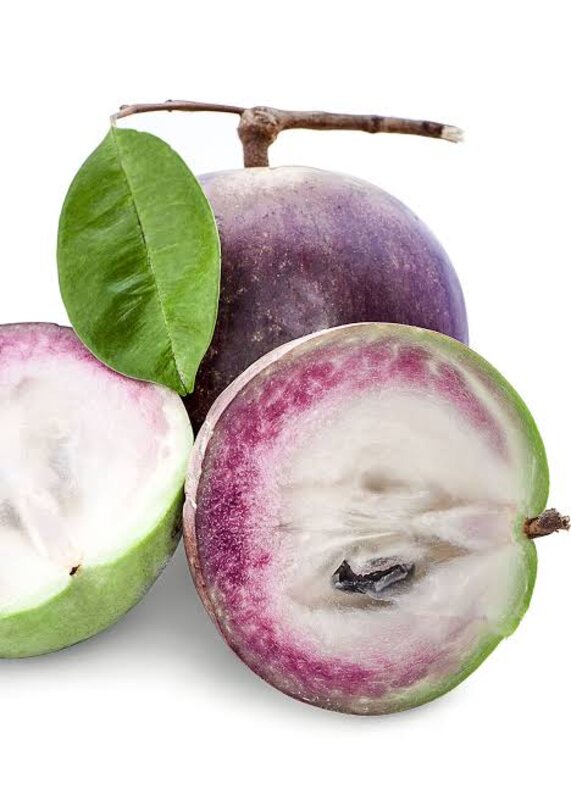
Culinary: The sweet, creamy pulp is eaten fresh or used in smoothies, desserts, and beverages.
Nutritional: Rich in vitamin C, calcium, and antioxidants, supporting immune and bone health.
Medicinal: Traditionally used in folk remedies for reducing inflammation and improving digestion.
Ornamental: The tree’s glossy foliage and colorful fruits make it an attractive addition to tropical gardens.
The Milk Fruit Plant is a low-maintenance, rewarding tree that combines aesthetic beauty with delicious, nutritious fruits, perfect for tropical and subtropical climates.