Passion Fruit Plant

Original price was: ₹660.00.Current price is: ₹651.00.

Passion Fruit Plant Details

  • Botanical Name:
    Passiflora edulis
  • Common Names:
    Passion Fruit, Krishna Phal, Granadilla.
  • Fruit Characteristics:
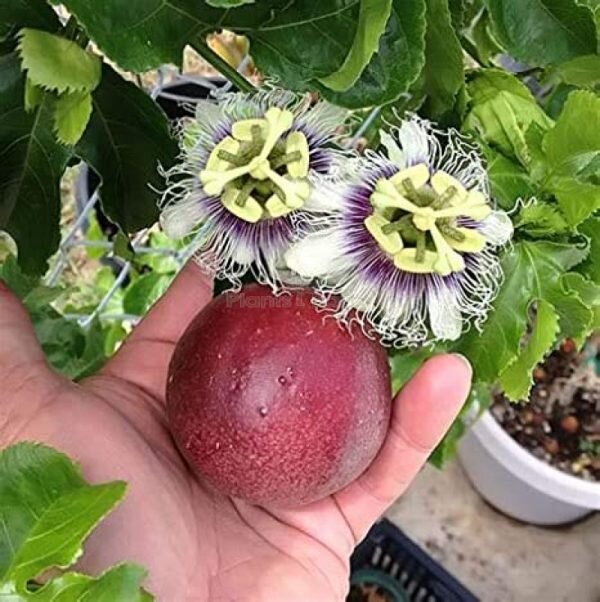
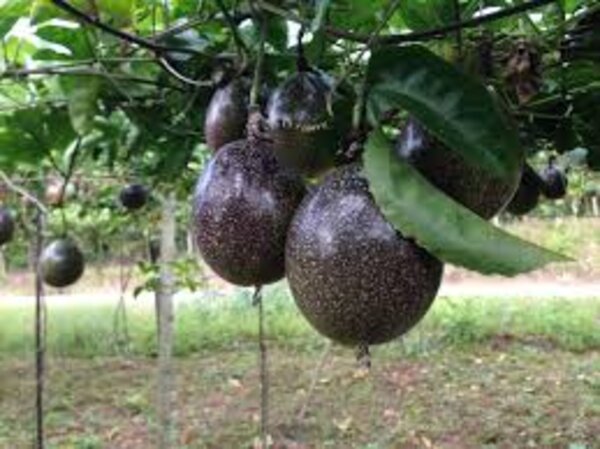
    • Size: Small to medium, about 2–3 inches (5–7 cm) in diameter.
    • Shape: Round to oval.
    • Color: Purple or yellow, depending on the variety.
    • Flavor: Sweet tart with a unique aromatic taste.
    • Pulp: Juicy with numerous edible seeds.
  • Growth Habit:
    • Type: Perennial climbing vine.
    • Height: Can grow up to 15–20 feet (4.5–6 meters) or more with proper support.
    • Foliage: Glossy, deeply lobed green leaves.
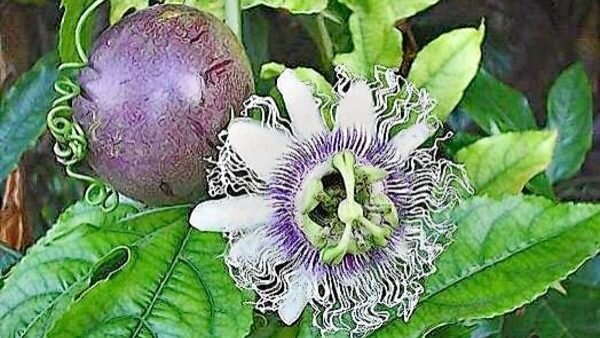
    • Flowers: Stunning white and purple flowers, known for their intricate design.
  • Other Details:
    • Native Habitat: Tropical and subtropical regions of South America.
    • Hardiness Zones: USDA zones 9–12.
    • Soil: Prefers well-drained, fertile soil with a slightly acidic pH (5.5–6.5).
    • Light: Thrives in full sun to partial shade.
    • Special Traits: Fast-growing, self-pollinating in some varieties, and highly productive.

Out of stock

SKU: PLA-INF-59 Category: Tag:

Planting Tips for Passion Fruit Plant

  1. Site Selection:
    • Choose a sunny location with adequate space for the vine to climb.
    • Install a sturdy trellis, fence, or pergola for support.
  2. Soil Preparation:
    • Amend soil with organic compost for improved fertility.
    • Ensure the site has good drainage to prevent root rot.
  3. Planting Process:
    • Plant during spring or early summer when the risk of frost has passed.
    • Space plants 6–10 feet apart to allow proper growth.
  4. Watering:
    • Water deeply and regularly during the growing season to keep the soil moist but not waterlogged.
    • Reduce watering in cooler months.
  5. Fertilizing:
    • Feed monthly with a balanced fertilizer (NPK 10-5-20) for healthy growth and fruiting.
    • Add compost or manure twice a year for long-term nutrient supply.
  6. Pruning and Maintenance:
    • Prune annually after the fruiting season to remove dead or weak vines.
    • Control growth to prevent the plant from becoming overly dense.
  7. Pest and Disease Control:
    • Pests: Monitor for aphids, fruit flies, and caterpillars; treat with neem oil or organic pesticides.
    • Diseases: Prevent fungal diseases by ensuring good airflow and avoiding waterlogged conditions.
  8. Temperature and Care:
    • Thrives in temperatures between 60–90°F (16–32°C).
    • Mulch around the base to retain soil moisture and regulate temperature.

Benefits and Uses

  • Ornamental Value:
    • Beautiful flowers make it an attractive addition to gardens and patios.
  • Fruit Production:
    • Yields nutritious fruits rich in vitamin C, vitamin A, and dietary fiber.
    • Used in juices, desserts, jams, and fresh consumption.
  • Environmental Benefits:
    • Attracts pollinators like bees and butterflies.
    • Acts as a natural screen or shade provider due to its dense foliage.
  • Medicinal Uses:
    • Traditionally used for calming effects and improving digestion.

“Transform your garden into a tropical haven with the vibrant and fruitful Passion Fruit Plant, now available at PlantsInfo!”