₹1,051.00Original price was: ₹1,051.00.₹800.00Current price is: ₹800.00.
Doc Mai Mango Plant Details
Plant Name:
Common Name: Doc Mai Mango Botanical Name: Mangifera indica (variety: Doc Mai)
Plant Characteristics:
Botanical Name:
Mangifera indica (variety: Doc Mai)
Common Names:
Doc Mai Mango, Thai Mango, Sweet Mango
Type:
Tree (Tropical Fruit Tree)
Height:
Average height: 3-4 meters (can grow taller in optimal conditions)
Spread: 3-5 meters wide
Leaves:
Shape: Long, lanceolate (pointed)
Color: Dark green with a glossy finish
Texture: Smooth, leathery
Flowers:
Color: White to yellowish with red tips
Shape: Small, clustered in panicles
Fragrance: Light, sweet
Bloom Season: Typically blooms in spring, depending on climate
Fruits:
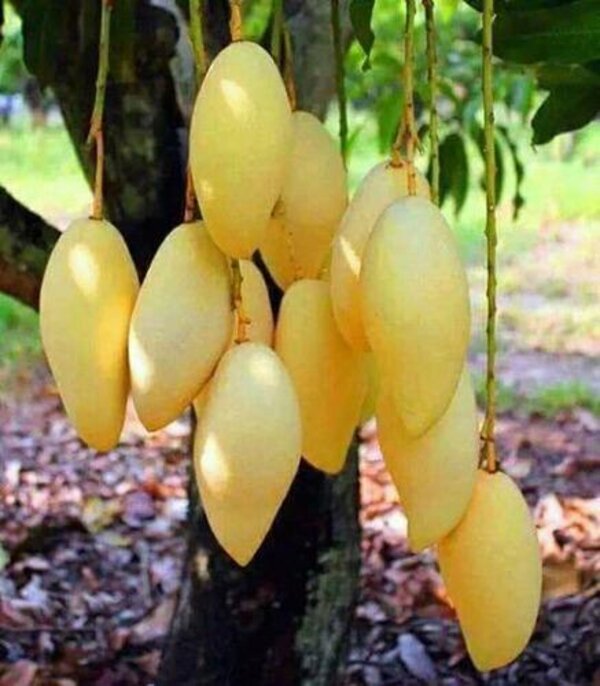
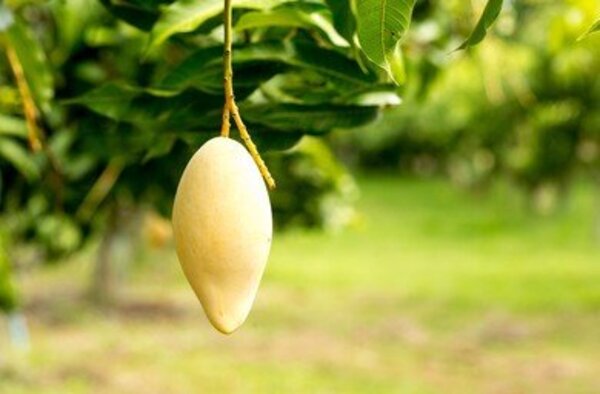
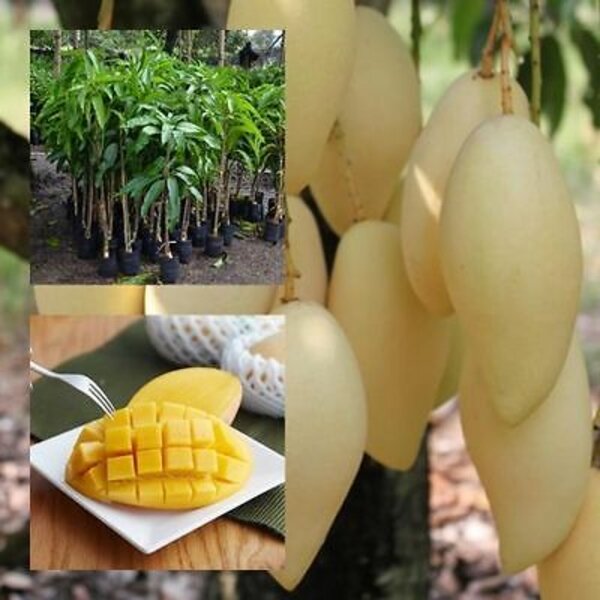
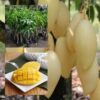
Shape: Oval or kidney-shaped
Color: Yellow when ripe
Taste: Sweet, juicy, and aromatic
Harvest Time: Late summer to early autumn
Native Habitat:
Native to Southeast Asia, particularly Thailand
Other Details:
Doc Mai mangoes are known for their sweet, fragrant flavor and are considered one of the most desirable varieties in Thailand. The fruit has a smooth, non-fibrous texture and is prized for its juicy flesh.
USDA Hardiness Zones: 10-11 (tropical and subtropical climates)
Light:
Full sun is required for optimal growth and fruit production
At least 8 hours of direct sunlight daily
Soil:
Well-drained, sandy loam or clay-loam soil
Slightly acidic to neutral pH (5.5-7.5)
Good drainage is essential to avoid waterlogging and root rot
Watering:
Water regularly, especially during dry periods
Water deeply, but avoid overwatering to ensure the roots don’t stay soggy
Ensure the soil dries out between watering to promote healthy root growth
Ideal Planting Time:
Plant in the spring or early summer, when the weather is warm and there is minimal risk of frost
Soil Preparation:
Prepare the soil by loosening it and adding organic compost to improve fertility and drainage
Consider mixing sand or perlite to enhance drainage if the soil tends to retain too much moisture
Watering Routine:
Water thoroughly after planting to settle the soil around the roots
Water once a week during dry spells but reduce watering in cooler months
Fertilizing:
Fertilize with a balanced, slow-release fertilizer in the growing season (spring and summer)
Use a fertilizer high in potassium and phosphorus to promote flowering and fruiting
Pruning:
Prune to remove dead or damaged branches and to shape the tree
Trim after the flowering season to encourage better fruit development and airflow
Pest and Disease Control:
Common pests: Aphids, scale insects, and mealybugs
Control with organic insecticides or neem oil
Watch for fungal diseases, especially during rainy weather, and treat with fungicides as needed
Pollination Requirements:
Mango trees are typically self-pollinating, but planting more than one tree can improve fruit set
Pollination is facilitated by wind and insects
Benefits and Uses:
Nutritional Value:
Doc Mai mangoes are rich in vitamins A and C, antioxidants, and dietary fiber
The flesh is high in sugars, making it a naturally sweet and healthy snack
Aesthetic Value:
The tree has an attractive, dense canopy with fragrant flowers and beautiful fruits, making it a popular choice for landscaping and orchards
The fruits are often used in desserts, smoothies, and traditional Thai dishes
Ecological Role:
Mango trees attract pollinators such as bees and butterflies
The tree provides shade and shelter for other plants and animals
Special Notes:
Doc Mai mangoes are prized for their exceptional taste and are widely considered one of the finest mango varieties in Thailand. The tree requires a warm climate and plenty of sunlight for optimal growth and fruiting.
For more planting tips and to discover a variety of mangoes and other fruit trees, visit PlantsInfo, your ultimate source for everything related to gardening and plants!