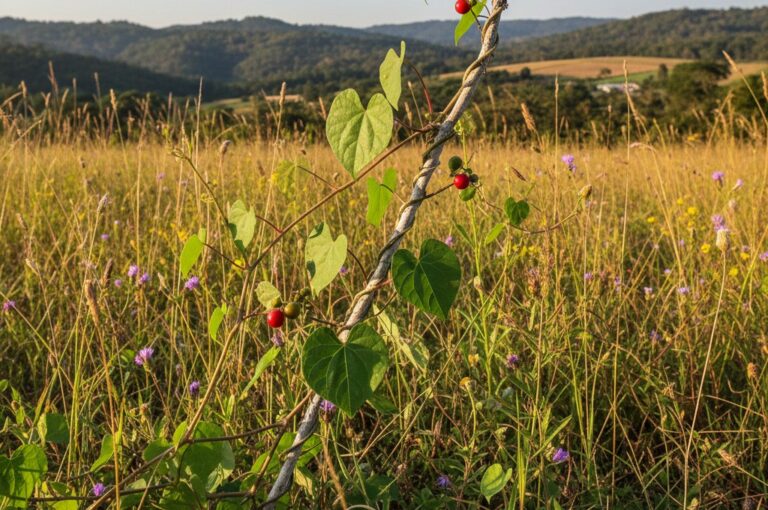
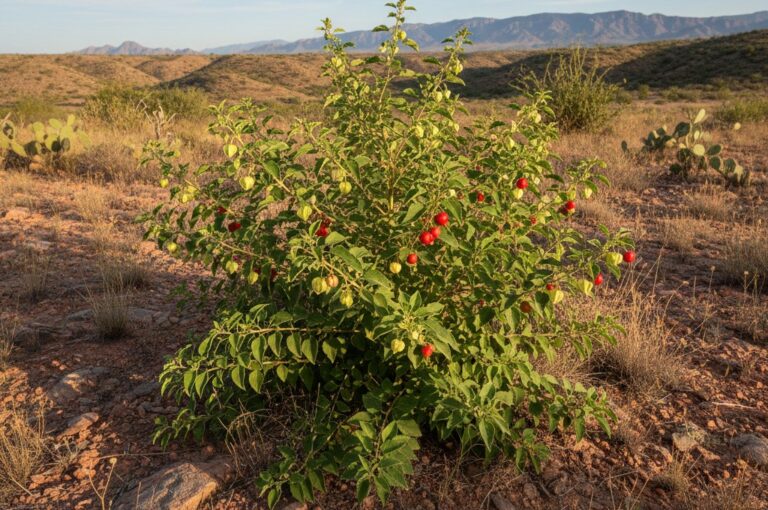
Lifecycle Perennial

Perennial plants live for more than two years and continue to grow and reproduce over multiple seasons. Their above-ground parts may persist year-round or die back seasonally, depending on the species.

Ginger (Zingiber officinale)

ginger plant

Introduction Zingiber officinale Roscoe, commonly known as ginger, is a perennial rhizomatous geophyte in the Zingiberaceae. Its currently accepted native range extends from the eastern Himalaya to south-central China, although the species is now widely cultivated and introduced beyond that…

See in details...Ginger (Zingiber officinale)

Brahmi (Bacopa monnieri)

Brahmi Plant

Introduction Bacopa monnieri (L.) Wettst., commonly known as Brahmi, is a creeping perennial herb of the Plantaginaceae family distributed across tropical and subtropical wetlands worldwide. Its defining trait is the accumulation of bacosides, a group of triterpenoid saponins concentrated in…

See in details...Brahmi (Bacopa monnieri)

Aloe Vera (Ghritkumari) Plant

aloe-vera

Introduction Aloe vera (L.) Burm.f. is a stemless or very short-stemmed succulent perennial belonging to the family Asphodelaceae, native to the Arabian Peninsula and now cultivated and naturalised across tropical, subtropical, and warm-temperate regions worldwide. The species is distinguished by…

See in details...Aloe Vera (Ghritkumari) Plant

Tulsi Plant (Holy Basil)

tulsi holy basil

Introduction Ocimum tenuiflorum L., commonly known as tulsi or holy basil, is a perennial aromatic subshrub in the family Lamiaceae, native to the Indian subcontinent and widely distributed across tropical and subtropical Asia. The species is distinguished from the culinary…

See in details...Tulsi Plant (Holy Basil)