
SOLD OUT


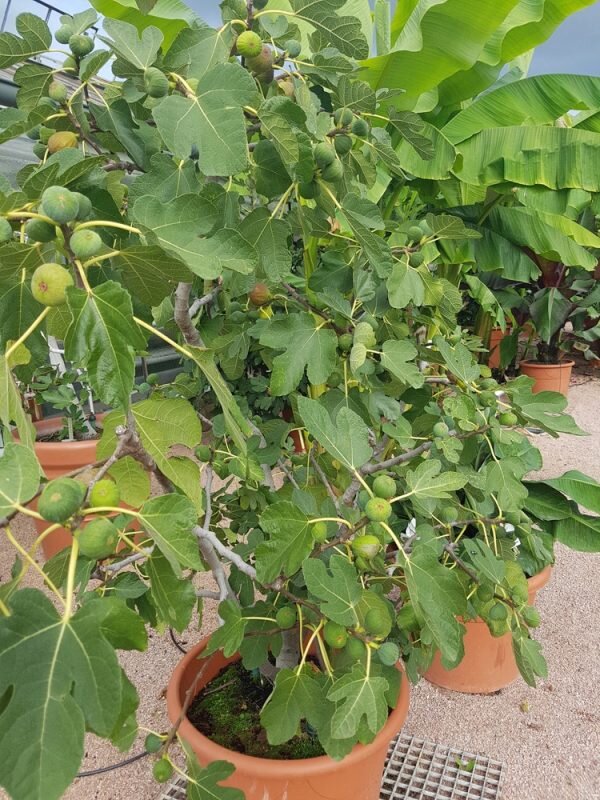
Five Fingers Fig Plant
Original price was: ₹951.00.₹651.00Current price is: ₹651.00.
Five Fingers Fig Plant Details
- Botanical Name:
Ficus palmata (commonly referred to as Five Fingers Fig). - Common Names:
Five Fingers Fig, Punjab Fig, Wild Fig. - Bloom Type:
The plant produces inconspicuous blooms inside a structure called a syconium, which later develops into edible fruits. - Fruit Color:
Green when unripe, turning to yellow or purplish-brown upon ripening. - Fragrance:
The plant does not produce a prominent floral fragrance; however, the ripe fruits emit a sweet, mild scent. - Growth Habit:
- Type: Deciduous shrub or small tree.
- Height: Typically grows 10–15 feet (3–5 meters), but can reach up to 25 feet (7.5 meters) under ideal conditions.
- Spread: Wide canopy with lobed leaves resembling fingers, giving the plant its name.
- Lifespan: Long-lived, with high resilience in its natural habitat.
- Other Details:
- Native Habitat: Found in subtropical and tropical regions of Asia, including the Himalayan foothills.
- Hardiness Zones: USDA zones 8–10.
- Soil: Prefers well-drained loamy or sandy soil with a neutral to slightly alkaline pH.
- Light: Thrives in full sun to partial shade.
- Uses: The fruit is consumed fresh or dried and has medicinal properties. The leaves and bark are also used in traditional remedies.
Out of stock
Planting Tips for Five Fingers Fig Plant
- Site Selection:
- Choose a sunny location with enough space for the plant to spread.
- Ensure the spot is sheltered from strong winds to protect young plants.
- Soil Preparation:
- Loosen the soil and mix in organic compost for better fertility and drainage.
- Avoid heavy clay soils unless amended with sand or organic matter.
- Planting Time:
- Ideal planting is in early spring or monsoon season when the soil is moist.
- Planting Process:
- Dig a hole twice the size of the root ball and place the sapling.
- Backfill with soil, pressing gently to eliminate air pockets, and water thoroughly.
- Watering:
- Water regularly during the first year to help establish roots.
- Once mature, the plant becomes drought-tolerant but benefits from occasional deep watering.
- Fertilizing:
- Apply organic manure or balanced fertilizers during the growing season.
- Avoid over-fertilization as it may affect fruit production.
- Pruning:
- Prune in late winter or early spring to maintain shape and remove dead branches.
- Regular trimming encourages healthy growth and fruiting.
- Pest and Disease Control:
- Common Pests: Scale insects, mealybugs, and aphids. Use neem oil or insecticidal soap.
- Diseases: Rare, but root rot can occur in poorly drained soil.
- Harvesting:
- Fruits ripen during the late summer or early fall. Harvest when soft and fully colored.
- Handle carefully as ripe figs bruise easily.
- Additional Tips:
- Mulch around the base to retain soil moisture and regulate temperature.
- For colder climates, protect the plant during winter or grow it in a container that can be moved indoors.
The Five Fingers Fig plant is a versatile addition to any garden, providing edible fruits and a unique aesthetic appeal with its lobed leaves.
“Get more plant insights like this on PlantsInfo!”
Related products
-
SALE SOLD OUT 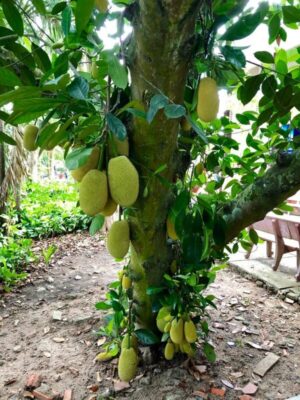
Jackfruit Plant
Original price was: ₹660.00.₹651.00Current price is: ₹651.00. -
SALE SOLD OUT 
Red Jackfruit Plant
Original price was: ₹700.00.₹651.00Current price is: ₹651.00. -
SALE SOLD OUT 
Thai Lychee Plant
Original price was: ₹750.00.₹651.00Current price is: ₹651.00. -
SALE 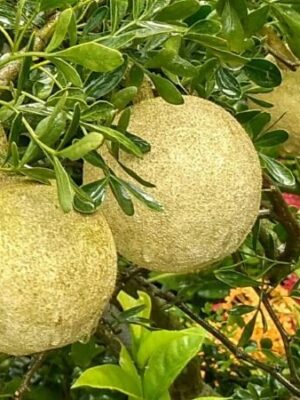
Thai Wood Apple Plant
Original price was: ₹660.00.₹651.00Current price is: ₹651.00.