₹1,550.00Original price was: ₹1,550.00.₹1,040.00Current price is: ₹1,040.00.
Persimmon Fruit Plant Details
Botanical Name: Diospyros (Common varieties: Diospyros kaki for Japanese persimmon, Diospyros virginiana for American persimmon).
Common Names:
Persimmon, Japanese Persimmon, Kaki, American Persimmon.
Fruit Type:
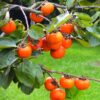
Persimmons are round to oval fruits with smooth skin, typically orange, although some varieties can be red or yellow. The flesh inside can vary from firm and crunchy to soft and jelly-like depending on the variety.
Fruit Color:
Usually, bright orange when ripe; some varieties may have reddish or yellow tones.
Taste and Texture:
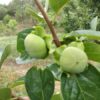
The taste ranges from sweet to slightly astringent, depending on ripeness and variety. Ripe persimmons are soft and custard-like, while unripe ones can be very astringent.
Growth Habit:
Type: Deciduous tree or shrub.
Height: Typically 15–25 feet (4.5–7.5 meters) tall, though some varieties may grow taller.
Spread: 12–20 feet (3.6–6 meters) wide.
Lifespan: Can live for several decades, with fruit production beginning in 3–4 years.
Other Details:
Native Habitat: Native to East Asia (especially Japan, Korea, and China) and parts of the southeastern United States for American persimmon.
Hardiness Zones: USDA zones 7–10.
Soil: Prefers well-draining, slightly acidic to neutral soil.
Light: Full sun is ideal for optimal fruit production and growth.
Special Traits: Persimmons are hardy trees that can tolerate a range of growing conditions. Some varieties are self-pollinating, while others require cross-pollination for fruit production. The fruit’s ripeness dramatically affects its flavor, so harvesting at the right time is key.
Choose a sunny spot for optimal fruit production. Persimmons require at least 6 hours of direct sunlight each day.
The location should be sheltered from strong winds, as persimmon branches are brittle and can break during storms.
Soil Preparation:
Persimmons prefer well-draining, fertile soil with a slightly acidic to neutral pH (pH 6.5–7.5).
If the soil is clay-heavy or poorly draining, amend it with compost or sand to improve drainage.
Planting Time:
The best time to plant persimmon trees is in early spring after the last frost, or in fall before the cold weather sets in.
Planting Process:
Dig a hole that is twice the size of the root ball and place the tree in the hole, ensuring the root crown is level with the soil surface.
Fill the hole with soil, then water thoroughly to help the roots settle.
Watering:
Water regularly, especially during the first few years after planting. Persimmons need consistent moisture, but avoid over-watering, which can lead to root rot.
Once established, persimmons are drought-tolerant but will produce better fruit if watered during dry periods.
Fertilizing:
Apply a balanced fertilizer in early spring to support growth and fruiting.
Avoid high-nitrogen fertilizers, which can encourage excessive leafy growth at the expense of fruit production.
Pruning and Maintenance:
Prune persimmon trees during the dormant season to remove dead or damaged branches and shape the tree.
Regular pruning will also help improve air circulation, reduce disease risk, and increase fruit yield.
Pest and Disease Control:
Common Pests: Persimmons may be susceptible to pests like aphids, scale insects, and spider mites. Use organic insecticides like neem oil to control infestations.
Diseases: Persimmons can be affected by fungal diseases like root rot and leaf spot. Ensure good soil drainage and avoid overhead watering to minimize the risk.
Temperature and Care:
Persimmons prefer a warm climate and can tolerate light frosts, especially American persimmons. However, they should be protected from harsh winter winds.
If you live in a region with cold winters, choose a hardy persimmon variety (such as Diospyros virginiana) or grow it in a pot to bring indoors during winter.
Benefits and Uses:
Fruit: Persimmons are rich in vitamins A and C, fiber, and antioxidants. They can be eaten fresh, dried, or used in baking, jams, and jellies.
Ornamental: The tree’s glossy foliage and colorful fruits make it a great ornamental addition to gardens and landscapes.
Medicinal: Persimmons have been used in traditional medicine for their anti-inflammatory and digestive properties. The high fiber content supports digestive health.
Wildlife: The fruit attracts various birds and mammals when ripe, making it a great plant for supporting local wildlife.
The Persimmon Fruit Plant is a valuable addition to any garden or orchard, offering beautiful foliage, sweet, nutritious fruit, and a range of health benefits. With proper care, it provides delicious fruit for years to come.