Common Names:
Indian Gooseberry, Amloki (Bengali), Amla (Hindi), Nellikai (Kannada/Tamil), Amalaka (Sanskrit).
Fruit Type:
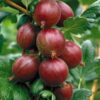
Small, round, and smooth berries with a translucent greenish-yellow hue.
Fruit Color:
Pale green to yellowish-green when ripe.
Fragrance:
Mild, earthy aroma.
Taste:
Tart and tangy with a slightly bitter and astringent flavor. Known for its unique aftertaste.
Growth Habit:
Type: Deciduous tree.
Height: Typically grows 20–30 feet (6–9 meters).
Spread: Moderately spreading canopy with feathery, pinnate leaves.
Lifespan: Long-lived tree with high productivity over decades.
Other Details:
Native Habitat: Indigenous to the Indian subcontinent; thrives in tropical and subtropical regions.
Medicinal Properties: Renowned in Ayurveda for its rich Vitamin C content and antioxidant properties. Amla is used to boost immunity, improve digestion, and promote hair and skin health.
Hardiness Zones: USDA zones 10–12.
Soil: Adapts to various soil types but prefers well-drained, loamy soils with neutral to slightly alkaline pH.
Light: Requires full sun for optimal growth and fruit production.
Choose a sunny location with ample space for the tree to spread its canopy.
Avoid waterlogged or extremely compacted soils.
Soil Preparation:
Ensure well-drained soil is enriched with organic matter.
If planting in clay-heavy soil, mix in sand or compost to improve drainage.
Planting Time:
Best planted in the monsoon or early spring when the soil is moist.
Container-grown saplings can be planted year-round in tropical climates.
Planting Process:
Dig a hole twice the size of the root ball and backfill it with a mix of soil and compost.
Space multiple plants at least 20 feet (6 meters) apart to allow proper growth.
Watering:
Newly planted saplings need regular watering to establish roots.
Mature trees are drought-tolerant but benefit from occasional deep watering during dry spells.
Fertilizing:
Apply organic manure or compost during planting and annually before the flowering season.
Use nitrogen-rich fertilizer in early growth stages and balanced fertilizer later.
Pruning:
Prune in late winter to remove dead or diseased branches and maintain a healthy structure.
Avoid over-pruning, as it can reduce fruiting.
Pest and Disease Control:
Common Pests: Fruit flies, aphids, and mealybugs. Use neem oil or insecticidal soap as needed.
Diseases: Root rot and powdery mildew can occur; ensure proper drainage and air circulation.
Harvesting:
Amla fruits are typically ready for harvest 4–5 years after planting.
Pick the fruits when they are firm, greenish-yellow, and slightly glossy.
Additional Tips:
Mulch around the base of the plant to retain moisture and suppress weeds.
In colder regions, protect young plants from frost by covering them or planting them in pots that can be moved indoors.
Uses of Amla:
Culinary: Used in pickles, chutneys, juices, and dried or candied snacks.
Medicinal: Amla is a core ingredient in traditional herbal formulations like Chyawanprash and Triphala.
Cosmetic: Amla oil is widely used for hair nourishment.
With proper care, the Amla plant can become a rewarding addition to your garden, offering a mix of health benefits and a steady supply of nutritious fruits!