Introduction
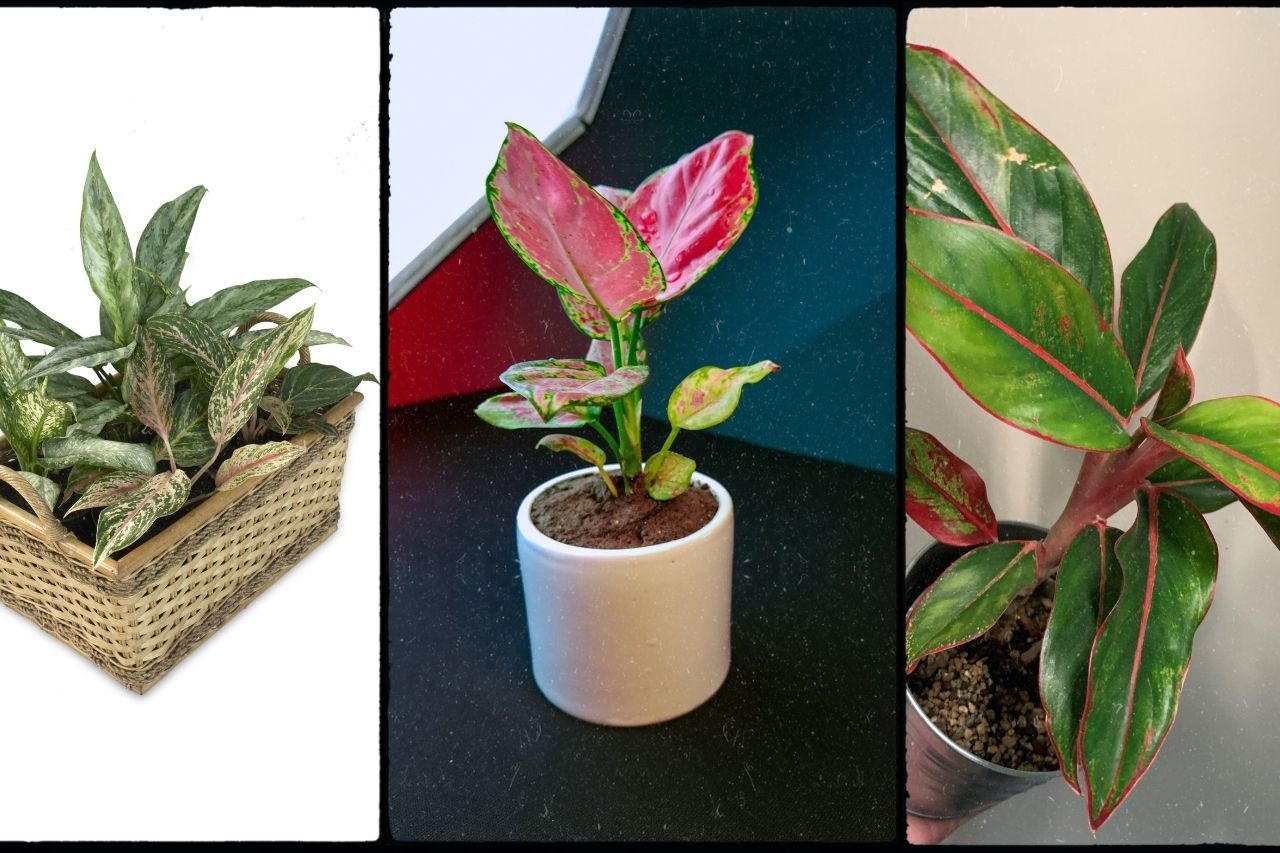
Aglaonema is a genus of flowering plants recognized for its ornamental foliage and taxonomic diversity within the family Araceae. The genus comprises multiple species characterized by broad, patterned leaves and a compact growth form. Aglaonema species are widely documented in botanical literature for their morphological variation, particularly in leaf coloration and venation.
Classification
From a botanical perspective, Aglaonema holds significance as part of the aroid group, sharing structural traits such as spadix-and-spathe inflorescences. Its members are native to tropical and subtropical regions of Asia and New Guinea, where they occur as understory plants in forested environments. These habitats contribute to the genus’s ecological role within shaded plant communities.
Beyond taxonomy, Aglaonema has gained cultural recognition due to its long-standing presence in ornamental plant traditions across Southeast Asia and, later, in global horticultural collections. Its visual diversity has made it a frequently referenced genus in discussions of foliage-based ornamentals.
Quick Plant Information
| Category | Details |
|---|---|
| Common Name(s) | Aglaonema, Chinese Evergreen |
| Scientific Name | Aglaonema spp. |
| Family | Araceae |
| Plant Type | Flowering perennial plant |
| Lifespan | Perennial |
| Growth Habit / Growth Form | Upright to clumping herbaceous form |
| Native Range | Southeast Asia, Southern China, New Guinea |
| Climate Adaptation / Habitat Type | Tropical and subtropical forest understory |
| Leaf Type | Broad, elliptic to lanceolate |
| Flower Color(s) | Pale green to whitish |
| Fruit Type | Berry |
| Evergreen / Deciduous | Evergreen |
Botanical Description
Aglaonema plants exhibit a compact herbaceous structure with short, thickened stems that may be partially concealed by overlapping leaf bases. The stems often appear cane-like as older leaves are shed, creating visible nodes along the lower portions.
Leaves are the most visually distinctive feature of the genus. They are typically broad, smooth-edged, and glossy, with shapes ranging from ovate to lanceolate. Leaf coloration varies widely among species and cultivated forms, displaying combinations of green, silver, cream, red, or pink patterns. Venation is prominent, often forming contrasting designs across the leaf surface.
The inflorescence follows the typical aroid structure, consisting of a spadix surrounded by a spathe. The spathe is usually greenish or pale in color and relatively inconspicuous compared to the foliage. Flowers are small and densely arranged along the spadix, with separate zones for male and female flowers.
Fruits develop as fleshy berries, generally turning red or orange when mature. Each berry contains one or more seeds. The root system is fibrous and shallow, supporting the plant’s upright growth while anchoring it within forest floor substrates in its native environment.
Plant Classification & Growth Habit
Aglaonema is classified as a perennial herbaceous plant within the Araceae family. Unlike woody shrubs or trees, its structure remains soft and flexible throughout its lifespan. The genus does not form true trunks but develops short stems that may elongate gradually over time.
In terms of growth habit, Aglaonema typically exhibits an upright to clumping form. New shoots may emerge near the base, contributing to a clustered appearance. The plant’s architecture emphasizes foliage density rather than vertical height, a characteristic common among understory aroids.
Taxonomically, Aglaonema is grouped alongside other shade-adapted tropical plants, sharing anatomical features such as modified inflorescences and broad leaves suited for diffused light environments.
Common Types / Varieties / General Classifications
Aglaonema includes numerous species and horticultural selections that are commonly grouped based on visual traits rather than formal taxonomy. Common classification approaches include:
- Green-leaf types – Predominantly green foliage with subtle or minimal patterning
- Silver-variegated types – Leaves marked with silver or gray bands and mottling
- Red or pink-toned types – Foliage exhibiting red, rose, or pink hues in veins or margins
- Compact forms – Smaller-growing plants with dense leaf arrangements
These groupings reflect observable differences in foliage coloration and plant size rather than ecological or geographic distinctions.
Native Range & Distribution
Aglaonema is native to tropical and subtropical regions of Asia, with natural populations documented in countries such as Thailand, Malaysia, Indonesia, the Philippines, Vietnam, and parts of southern China. Some species are also indigenous to New Guinea.
Within these regions, Aglaonema typically occurs in forested landscapes, including lowland rainforests and shaded slopes. It is commonly found beneath tree canopies, where light levels are moderated, and humidity remains relatively consistent. The genus’s distribution reflects adaptation to warm climates with minimal seasonal temperature fluctuation.
Through human-mediated movement, Aglaonema has been introduced to other tropical regions as an ornamental plant, though its native range remains concentrated in Southeast Asia.
Cultural, Culinary, or Traditional Context
Aglaonema has held cultural significance in several Asian societies, particularly as an ornamental plant associated with aesthetic and symbolic value. In parts of Southeast Asia, plants with patterned or colorful leaves have historically been incorporated into decorative landscapes and household surroundings.
In Chinese cultural contexts, Aglaonema is sometimes associated with prosperity and longevity, largely due to its evergreen nature and enduring foliage. Such associations are cultural interpretations rather than botanical attributes and have contributed to the plant’s presence in traditional decorative practices.
Economically, Aglaonema has become an important genus within the ornamental plant trade, valued for its visual diversity. Its role is primarily aesthetic, and it is not traditionally associated with culinary usage.
Interesting Facts / Did You Know
- The name Aglaonema is derived from Greek words meaning “bright” and “thread,” referencing aspects of the plant’s floral structure.
- The genus includes over 20 recognized species, with many additional cultivated selections.
- Aglaonema belongs to the same plant family as philodendrons and peace lilies.
- Leaf coloration patterns can vary significantly even within the same species.
- The inflorescences are often overlooked due to the prominence of the foliage.
FAQs
Is Aglaonema a flowering plant or a foliage plant?
Aglaonema is a flowering plant, although it is primarily recognized for its ornamental foliage.
Is Chinese Evergreen the same as Aglaonema?
Chinese Evergreen is a common name used for plants within the Aglaonema genus.
Does Aglaonema produce fruit?
Yes, Aglaonema produces berry-type fruits following successful flowering and pollination.
Is Aglaonema evergreen?
Aglaonema is classified as evergreen, retaining its leaves year-round.
Conclusion
Aglaonema represents a diverse and visually distinctive genus within the Araceae family. Defined by its patterned leaves, compact herbaceous structure, and tropical origins, it occupies a notable position in botanical classification and ornamental plant history. Its ecological role as an understory plant and its cultural associations contribute to its ongoing recognition in plant studies.
The genus remains significant for its morphological variation and long-standing presence in cultivated plant collections, making it a widely referenced example of foliage-focused ornamental plants.
The Plants Info platform provides a structured plant database featuring detailed botanical profiles such as this Aglaonema entry, supporting learning and reference through neutral, descriptive plant information.