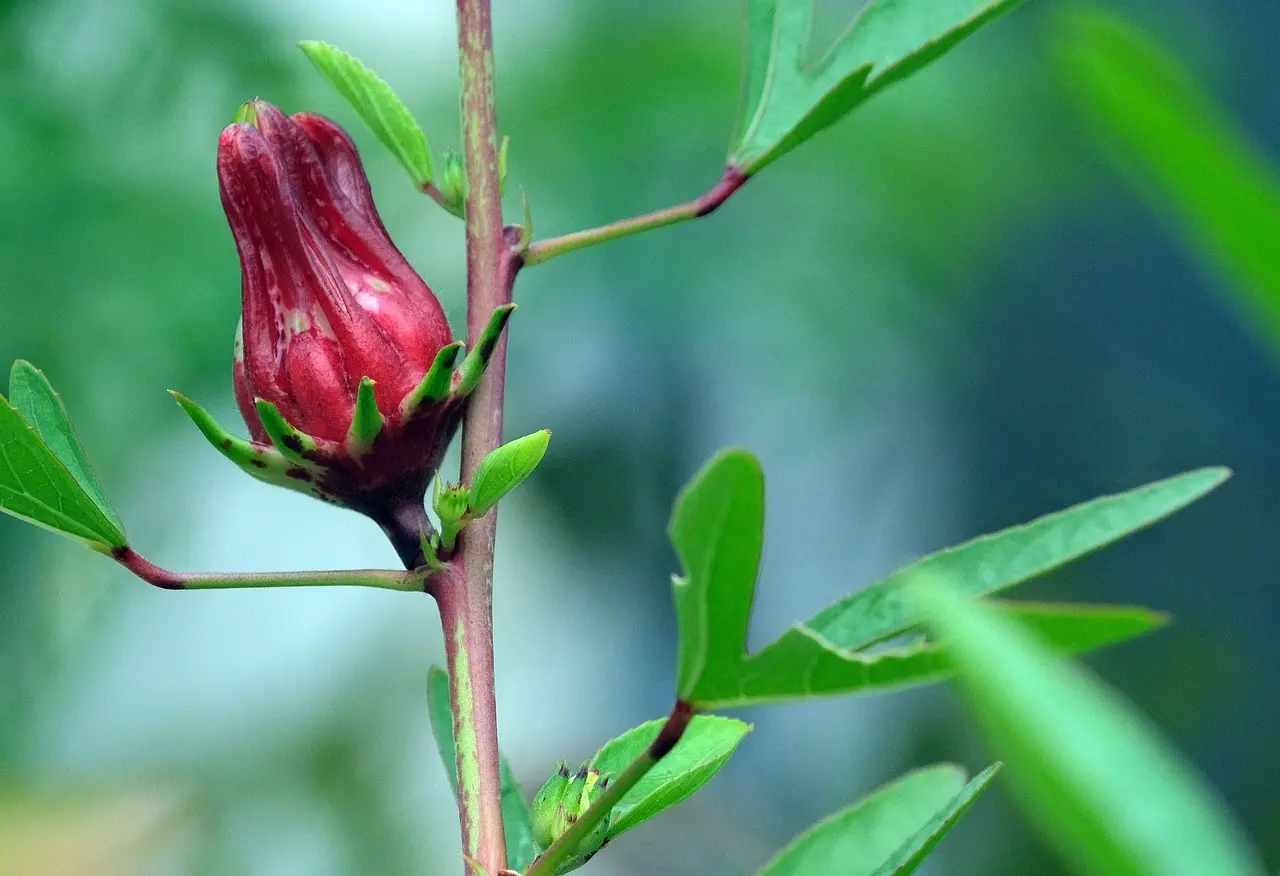
Hibiscus sabdariffa, commonly known as roselle, is a fast-growing member of the mallow family Malvaceae valued globally for its fleshy red calyces, edible leaves, fibre, and phytochemically rich tissues. The species is widely considered to have originated in tropical Africa, although its precise domestication centre remains debated in botanical literature. Roselle is especially notable for its anthocyanins, water-soluble pigments responsible for its deep crimson coloration and widespread use in beverages, herbal preparations, and natural food-colouring systems.
Classification
- Plant Type
- Shrub
- Lifecycle
- Annual
- Leaf Habit
- Deciduous
- Native Region
- West Africa
- Plant Family
- Malvaceae
In tropical and subtropical ecosystems, Hibiscus sabdariffa functions as a productive seasonal nectar and pollen source for bees and other generalist insect pollinators. Its high seasonal productivity and tolerance of warm climatic conditions distinguish it from many related Hibiscus species cultivated primarily as ornamentals.
The species demonstrates notable phenotypic plasticity, allowing variation in growth form and productivity across different rainfall patterns and soil conditions while maintaining reproductive capacity under short-day flowering regimes.
Roselle has been cultivated for centuries across Africa, Asia, the Caribbean, and parts of Central America for food, fibre, medicine, and ceremonial beverages. In many regions, it occupies both subsistence and export-market roles, linking household cultivation systems with commercial processing industries.
Although not currently regarded as globally threatened according to Kew POWO and related botanical databases, localised erosion of traditional landraces has been documented where commercial monocultures replace regionally adapted selections. The species is examined here through taxonomic, ecological, physiological, phytochemical, and applied scientific perspectives, with operational cultivation topics addressed separately in companion guides.
Identity
Quick Plant Information
| Field | Value |
|---|---|
| Accepted Scientific Name | Hibiscus sabdariffa |
| Primary Common Name | Roselle |
| Plant Type | Tropical herbaceous shrub |
| Life Cycle | Annual to short-lived perennial |
| Growth Habit | Upright, branching, bush-forming |
| Mature Size | 1.5–3 m (4.9–9.8 ft) tall; 1–2 m (3.3–6.6 ft) spread |
| Growth Rate | Fast-growing |
| Flowering Season | Late summer to autumn under short-day conditions |
| Fruiting Season | Autumn to early winter |
| Light Requirement | Full sun |
| Water Requirement | Moderate |
| Soil Preference | Well-drained loam to sandy loam with moderate fertility |
| Temperature Tolerance | Approximately 15–38°C (59–100.4°F); frost sensitive |
| Pollination Type | Primarily insect-pollinated |
| Self-Fertility Status | Partially self-fertile with cross-pollination benefits |
| Primary Propagation Method | Seed |
| Typical Yield Class | Moderate to high calyx-producing crop |
| Primary Use Categories | Beverage crop, medicinal plant, leafy vegetable, fibre crop, natural colourant |
| Toxicity Status | No major toxicity documented in food-level use; concentrated medicinal use requires safety evaluation |
| Conservation Concern | Not globally threatened |
| Cultivation Difficulty Level | Moderate |
Classification and Taxonomy
| Field | Value | Notes |
|---|---|---|
| Accepted Scientific Name | Hibiscus sabdariffa L. | Accepted by Kew POWO source class |
| Known Synonyms | Furcaria sabdariffa (L.) Kostel.; Sabdariffa rubra Kostel. | Historical taxonomic synonyms |
| Taxonomic Authority Source | Kew POWO; World Flora Online | Source class: government-supported flora databases |
| Assessment Date | 2026-05-06 | Current profile assessment date |
| Kingdom | Plantae | |
| Division | Magnoliophyta | Angiosperm flowering plant |
| Class | Magnoliopsida | Eudicot lineage |
| Order | Malvales | |
| Family | Malvaceae | |
| Subfamily | Malvoideae | |
| Genus | Hibiscus | Large cosmopolitan genus |
| Species | sabdariffa | Species epithet established by Linnaeus |
| Native Origin | Tropical Africa, especially northeastern and eastern African regions | Concise origin summary only |
| IUCN Status | Not formally evaluated globally | Source class: IUCN-related conservation databases |
Related Species of Significance
| Species | Common Name | Distinguishing Feature | Economic or Ecological Significance |
|---|---|---|---|
| Hibiscus cannabinus | Kenaf | Tall fibre-producing stems with limited fleshy calyx development | Major industrial fibre crop |
| Hibiscus acetosella | False Roselle | Deeply lobed purple foliage and ornamental growth habit | Ornamental and leafy vegetable use |
| Hibiscus rosa-sinensis | Chinese Hibiscus | Large ornamental flowers with extensive cultivar diversity | Globally important ornamental species |
| Hibiscus mutabilis | Confederate Rose | Large colour-changing flowers and woody shrub habit | Ornamental and cultural landscape species |
| Hibiscus tiliaceus | Sea Hibiscus | Coastal tree adapted to saline environments | Coastal stabilisation and traditional fibre use |
Taxonomic Context
Hibiscus sabdariffa occupies an economically important position within a highly diverse genus containing ornamental, fibre, medicinal, and wild taxa. Confusion commonly occurs between roselle and fibre-oriented relatives such as Hibiscus cannabinus, particularly in seed trade and older agricultural literature where vernacular naming overlaps.
Some historical classifications separated roselle into alternative genera or infrageneric groupings based on calyx morphology and fibre characteristics, but modern taxonomic treatments supported by Kew POWO and World Flora Online retain the species within Hibiscus.
Stable nomenclature is commercially important because phytochemical studies, export documentation, herbal regulations, and germplasm records often rely on accurate distinction between calyx-producing and fibre-producing forms.
Cytogenetics
| Parameter | Value | Notes |
|---|---|---|
| Chromosome Number | 2n = 72 | Most commonly reported somatic chromosome count |
| Ploidy Level | Complex polyploid history inferred | Exact genomic interpretation remains unresolved in current literature |
| Genome Size | Not comprehensively documented in available literature | Represents incomplete genomic coverage |
| Cytotype Variation | Limited documented variation between cultivated forms | Requires broader germplasm sampling |
Cytogenetic Note
Published cytological research indicates that Hibiscus sabdariffa possesses a relatively high chromosome number compared with several ornamental congeners, suggesting a complex polyploid evolutionary history. Polyploidy has been hypothesised to contribute, environmental adaptability, and differences in calyx pigmentation observed among regional landraces.
However, comprehensive genome-scale comparisons remain limited, particularly for African and Asian traditional cultivars. Inconsistent cytotype documentation also complicates breeding standardisation and chemotype consistency assessment in medicinal and nutraceutical supply chains.
Scientific Stability and Nomenclature
The currently accepted scientific name for roselle is Hibiscus sabdariffa L., recognised by Kew POWO and World Flora Online as the authoritative contemporary treatment. The species was formally described by Carl Linnaeus in 1753 in Species Plantarum, establishing the foundational nomenclatural framework still used today.
During the nineteenth and early twentieth centuries, several taxonomists proposed segregate generic placements, including transfer to Furcaria and related classifications, primarily based on calyx structure, epicalyx morphology, and fibre-associated characteristics. These reclassification efforts, particularly the adoption of Furcaria sabdariffa by some European botanical authors during the late nineteenth century, did not achieve durable consensus as broader comparative studies within Malvaceae expanded.
Modern agricultural, horticultural, phytochemical, and pharmacological literature overwhelmingly adopts Hibiscus sabdariffa, although older ethnobotanical surveys, seed catalogues, and regional trade documents may still contain obsolete synonymy. The persistence of historical names creates practical complications for literature retrieval, patent searches, import documentation, and herbal product verification.
Researchers conducting systematic reviews must therefore account for both accepted and historical nomenclature when tracing chemical, agronomic, or medicinal data across older publications. Nomenclatural stability has improved significantly during the molecular-taxonomy era, reducing ambiguity in germplasm exchange and international commercial sourcing.
Synonymy
| Accepted Name (Current Authority) | Synonyms Commonly Encountered | Context Where Synonym Persists |
|---|---|---|
| Hibiscus sabdariffa L. | Furcaria sabdariffa (L.) Kostel. | Historical European botanical literature |
| Hibiscus sabdariffa L. | Sabdariffa rubra Kostel. | Older horticultural and taxonomic references |
| Hibiscus sabdariffa L. | Red Sorrel | Caribbean vernacular trade terminology |
| Hibiscus sabdariffa L. | Jamaica Sorrel | Beverage and culinary trade usage |
| Hibiscus sabdariffa L. | Rosella | Australian and Southeast Asian common-name usage |
Form
Growth Habit and Architecture
Hibiscus sabdariffa develops as a vigorous, warm-season herbaceous shrub with a strongly upright architectural habit and rapid seasonal biomass production. The plant combines thickened reddish stems, broad lobed foliage, and progressively expanding lateral branching to create a dense but airy canopy adapted to high-light tropical environments.
Its growth strategy prioritises rapid vertical extension during vegetative stages followed by extensive reproductive allocation into fleshy calyces during shortening day length. The species is visually distinctive for its angular stems, prominent nodes, and red-pigmented tissues, features that support both field recognition and commercial harvesting. In productive environments, roselle forms broad hemispherical stands capable of significant seasonal canopy dominance.
| Parameter | Value | Notes |
|---|---|---|
| Life Form | Herbaceous to semi-woody shrub | Annual or short-lived perennial depending on climate |
| Mature Height | 1.5–3 m (4.9–9.8 ft) | Taller in humid tropical regions |
| Canopy Spread | 1–2 m (3.3–6.6 ft) | Broad branching habit under high fertility |
| Stem Type | Erect, fibrous, cylindrical stems | Frequently red or reddish-green pigmented |
| Bark or Surface Texture | Smooth to slightly ridged surface | Young stems remain soft and green to red |
| Branching Pattern | Basal and lateral branching from prominent nodes | Density influenced by spacing and photoperiod |
| Root System Overview | Deep central taproot with fibrous lateral roots | Root morphology adapted to seasonal moisture fluctuation |
| Growth Rate | Fast-growing | Rapid vegetative expansion during warm conditions |
| Longevity | Typically cultivated as an annual | May persist briefly in frost-free regions |
| Distinguishing Architectural Feature | Thick red calyx-bearing stems with upright branching framework | Key commercial and visual identifier |
| Stem Pigmentation | Variable green to deep burgundy-red | Anthocyanin-rich forms commercially preferred |
| Seasonal Structural Change | Becomes increasingly woody toward reproductive maturity | Most pronounced near stem base |
Leaves
The leaves of Hibiscus sabdariffa are highly variable in shape across developmental stages, contributing significantly to the species’ recognisable appearance. Young plants often produce broader ovate leaves, while mature stems commonly develop deeply lobed foliage with serrated margins.
The leaves are soft-textured, prominently veined, and frequently tinged with reddish pigmentation along veins and petioles. Their large surface area supports rapid photosynthetic productivity in high-light tropical climates while also contributing to the plant’s culinary value as a leafy vegetable in several regional food traditions.
| Leaf Attribute | Value |
|---|---|
| Presence | True leaves present |
| Leaf Type | Simple, variably lobed |
| Leaf Size | Commonly 6–15 cm (2.4–5.9 in) long |
| Colour | Green to dark green with occasional red venation |
| Arrangement | Alternate |
| Margin Type | Serrated to dentate |
| Surface Texture | Smooth to slightly roughened |
| Venation Pattern | Palmately veined |
| Petiole Length | Approximately 2–8 cm (0.8–3.1 in) |
| Special Features | Shape variation between juvenile and mature growth stages |
Flowers
The flowers of Hibiscus sabdariffa exhibit the characteristic morphology of Malvaceae but are functionally specialised for seasonal reproductive efficiency under tropical and subtropical conditions. Individual blooms are relatively short-lived yet visually conspicuous, with pale yellow to cream petals surrounding a dark maroon throat that acts as a nectar guide for pollinating insects.
The floral structure positions the staminal column prominently beyond the petals, improving contact with visiting pollinators. Following pollination, the calyx enlarges dramatically into the fleshy, commercially harvested structure that distinguishes roselle from most ornamental hibiscus relatives.
| Floral Attribute | Description |
|---|---|
| Inflorescence Type | Solitary axillary flowers |
| Flower Diameter | Approximately 5–8 cm (2–3.1 in) |
| Flower Length | Approximately 4–7 cm (1.6–2.8 in) |
| Sepals / Calyx | Enlarging fleshy red calyx with epicalyx bracts |
| Petals | Pale yellow, cream, or light pink petals with dark central throat |
| Stamens | Numerous fused stamens forming elongated staminal column |
| Pistil | Single style with multi-lobed stigma |
| Fragrance | Mild to faintly sweet |
| Anthesis Period | Usually morning opening with same-day wilting |
| Primary Pollinators | Bees, butterflies, and other generalist insects |
| Flower Persistence | Individual flowers short-lived |
| Reproductive Transition | Calyx enlarges rapidly after fertilisation |
Fruit
| Fruit Characteristic | Description |
|---|---|
| Fruit Type | Dry dehiscent capsule |
| Shape | Ovoid to ellipsoid |
| Length | Approximately 1.5–3 cm (0.6–1.2 in) |
| Diameter | Approximately 1–2 cm (0.4–0.8 in) |
| Weight | Generally lightweight when mature and dry |
| Skin Colour | Green when immature, brown to dark brown at maturity |
| Surface Features | Slightly ridged and enclosed by persistent fleshy calyx |
| Capsule Wall Texture | Not applicable; dry capsule structure |
| Pericarp Texture | Fibrous and papery at maturity |
| Seed Count | Commonly 15–30 seeds per capsule |
| Sugar Content | Not documented as commercially significant in capsule tissue |
| Maturation Period | Typically 3–6 weeks after flowering |
Seeds
| Seed Characteristic | Description |
|---|---|
| Size | Approximately 3–5 mm (0.12–0.2 in) long |
| Shape | Kidney-shaped to reniform |
| Colour | Brown to dark brown |
| Seed Coat | Hard and smooth |
| Oil Content | Moderate oil content documented in seed tissues |
| Viability Period | Commonly 1–3 years under dry storage |
| Germination Rate | Frequently above 70% under suitable conditions |
| Surface Texture | Slightly roughened or matte |
Root System
Hibiscus sabdariffa develops a dominant taproot system supported by extensive fibrous lateral roots concentrated within upper and intermediate soil horizons. The taproot commonly penetrates to moderate depth, improving seasonal drought resilience and anchorage in loose tropical soils, while lateral roots expand horizontally to capture surface moisture and nutrients.
Roselle roots perform best in well-drained substrates and display sensitivity to prolonged waterlogging, especially during early establishment stages. Commercially, the root architecture supports relatively efficient nutrient uptake and rapid biomass accumulation but also means aggressive harvesting or whole-plant extraction can disturb soil structure in repeatedly cultivated systems. In wild or semi-naturalised populations, intact root retention assists seasonal regeneration and erosion resistance.
Field Identification
In field conditions, roselle is recognised by its tall upright habit, thick reddish stems, deeply lobed leaves, and large fleshy red calyces that persist after flowering. Mature plants often form broad shrubby stands with visible branching from lower nodes and a conspicuous contrast between pale flowers and dark central throats.
The species is frequently confused with Hibiscus cannabinus (kenaf), particularly before flowering, because both species possess fast-growing stems and variably lobed leaves. The single most reliable distinguishing feature is the enlarged fleshy calyx surrounding the fruit in Hibiscus sabdariffa, which is commercially harvested and absent in kenaf.
Roselle also tends to display more pronounced red pigmentation in stems and reproductive structures than many fibre-focused congeners.
Normal vs. Concerning Observations
| Observation | Status | Explanation |
|---|---|---|
| Lower leaf yellowing late in season | Normal | Common during reproductive transition and nutrient redistribution |
| Red stem pigmentation | Normal | Typical anthocyanin expression in many roselle forms |
| Variable leaf lobing on same plant | Normal | Developmental heterophylly is characteristic of the species |
| Temporary midday leaf drooping in extreme heat | Monitor | Can reflect transient water stress under high evaporative demand |
| Extensive flower drop before calyx enlargement | Investigate | May indicate pollination or environmental stress issues |
| Blackened stem base with collapse | Investigate | Suggests potential basal rot or severe physiological damage |
| Stunted growth with shortened internodes | Monitor | May result from environmental or nutritional limitation |
| Wilting despite moist soil | Investigate | Possible indicator of root dysfunction or vascular disease |
Cultivar Summary
| Cultivar | Key Characteristic | Commercial Status | Origin |
|---|---|---|---|
| ‘Thai Red’ | Deep red calyces with strong beverage pigmentation | Regionally significant | Thailand |
| ‘Jamaican Red’ | High calyx yield and strong acidity | Commercially dominant | Caribbean cultivation systems |
| ‘Sudan Red’ | Adapted to semi-arid tropical conditions | Regionally significant | Sudan |
| ‘Victor’ | Relatively compact growth with productive calyx formation | Experimental | United States breeding programmes |
| ‘India Red’ | Vigorous branching and broad climatic adaptability | Regionally significant | India |
Physiology and Phytochemistry
Functional Traits
Hibiscus sabdariffa is a rapidly growing tropical C3 species adapted to warm, high-light seasonal environments where reproductive timing and rapid vegetative productivity strongly influence ecological and agricultural performance. Its physiology favours efficient carbon assimilation and seasonal biomass production under humid to moderately moist conditions rather than extreme drought tolerance.
The species combines flexible water-use regulation, rapid canopy expansion, pigment-rich tissue development, and photoperiod-sensitive reproduction within a coordinated seasonal growth cycle. These traits support both ecological persistence in disturbed tropical environments and high productivity in cultivated systems.
| Trait | Mechanism Description | Adaptive Significance |
|---|---|---|
| Photosynthetic Pathway | C3 photosynthesis fixes atmospheric CO₂ through the Calvin cycle during daytime stomatal opening under warm, high-light conditions | Supports rapid vegetative productivity in tropical and subtropical climates |
| Water-Use Strategy | Stomatal regulation moderates transpiration during temporary heat or moisture stress while maintaining daytime carbon assimilation | Maintains seasonal productivity under fluctuating rainfall conditions |
| Nutrient Acquisition | Extensive fibrous lateral roots increase uptake efficiency for nitrogen, phosphorus, and potassium within upper soil horizons | Supports rapid vegetative growth and calyx development |
| Growth Form Strategy | Rapid internode elongation and branching promote early canopy expansion | Improves light interception and reproductive output |
| Reproductive Strategy | Flowering is triggered by shortening day length below critical photoperiod thresholds | Synchronises reproduction with seasonal climatic transitions |
| Dispersal Mechanism | Dry capsules dehisce mechanically, releasing seeds near parent plants and through incidental human transport | Supports local persistence and agricultural dissemination |
| Stress Response Mechanism | Heat and moisture stress induce osmotic adjustment and elevated antioxidant enzyme activity, including catalase and superoxide dismutase systems documented in physiological studies | Reduces oxidative cellular damage during environmental stress |
| Chemical Defence | Anthocyanins, flavonoids, and phenolic compounds accumulate in leaves and calyces | Associated with oxidative-stress buffering and defence against some pathogens and herbivores |
| Pigmentation Strategy | High anthocyanin concentration in calyx tissues enhances ultraviolet-light absorption and oxidative buffering | Contributes to tissue protection and strong calyx coloration |
| Seasonal Resource Allocation | Carbon allocation shifts toward calyx enlargement after flowering initiation | Maximises reproductive investment and harvested biomass formation |
Physiological Integration
The physiological strategy of Hibiscus sabdariffa depends on close integration between rapid growth, stress buffering, and reproductive allocation. Its C3 photosynthetic system supports vigorous canopy development and substantial reproductive biomass under warm conditions, although high metabolic activity also increases susceptibility to heat- and drought-associated oxidative stress.
The species compensates through accumulation of anthocyanins and phenolic compounds, particularly within calyx tissues exposed to intense solar radiation and elevated metabolic demand. Flowering initiated by shortening day length further redirects assimilated carbon from vegetative expansion toward calyx thickening and reproductive development.
Water-use regulation interacts directly with this reproductive transition. Temporary stomatal moderation during moisture limitation helps preserve tissue hydration and maintain reproductive maturation under fluctuating tropical environmental conditions.
Phytochemistry
The phytochemical profile of Hibiscus sabdariffa is dominated by anthocyanins, organic acids, flavonoids, and phenolic compounds that collectively contribute to its intense coloration, acidic flavour profile, and pharmacological interest. The species is especially notable for the high concentration of water-soluble anthocyanin pigments within its enlarged fleshy calyces.
Peer-reviewed phytochemical and pharmacognostic studies document substantial variation in compound concentration associated with cultivar identity, climate, harvest timing, and processing method. Roselle has consequently become an important subject of nutraceutical and functional beverage research.
| Compound Class | Representative Compounds | Primary Location | Ecological or Biological Function |
|---|---|---|---|
| Anthocyanins | Delphinidin-3-sambubioside; Cyanidin-3-sambubioside | Calyces | Pigmentation, antioxidant activity, ultraviolet protection |
| Flavonoids | Quercetin; Gossypetin; Hibiscetin | Leaves and calyces | Oxidative-stress mitigation and defence signalling |
| Organic Acids | Hibiscus acid; Citric acid; Malic acid | Calyces | Acidity regulation and herbivore deterrence |
| Phenolic Acids | Protocatechuic acid; Chlorogenic acid | Calyces and leaves | Antioxidant and antimicrobial activity |
| Polysaccharides | Pectic polysaccharides; Mucilage fractions | Calyces and stems | Water retention and tissue protection |
| Fatty Acids | Linoleic acid; Oleic acid; Palmitic acid | Seeds | Energy storage and seed viability support |
| Volatile Compounds | Hexanal; Nonanal; Linalool | Flowers and fresh tissues | Aroma signalling and ecological interaction |
| Tannins | Hydrolysable tannin fractions | Leaves and calyces | Herbivore defence and protein-binding activity |
Phytochemical Organ Distribution
| Organ | Compound Class | Representative Compounds | Relative Concentration | Source Type |
|---|---|---|---|---|
| Calyces | Anthocyanins | Delphinidin-3-sambubioside; Cyanidin-3-sambubioside | High | Peer-reviewed systematic reviews |
| Calyces | Organic Acids | Hibiscus acid; Citric acid | Moderate to high | Pharmacognostic and phytochemical studies |
| Calyces | Phenolic Acids | Protocatechuic acid | Moderate | Pharmacological studies |
| Leaves | Flavonoids | Quercetin; Hibiscetin | Moderate | Phytochemical analyses |
| Leaves | Tannins | Hydrolysable tannins | Low to moderate | Ethnopharmacological literature |
| Seeds | Fatty Acids | Linoleic acid; Oleic acid | Moderate | Food chemistry studies |
| Stems | Polysaccharides | Mucilage fractions | Low to moderate | Plant chemistry studies |
| Flowers | Volatile Compounds | Linalool; Hexanal | Low | Analytical phytochemistry literature |
Phytochemical Significance
The most commercially and pharmacologically significant compounds in Hibiscus sabdariffa are its anthocyanins and associated phenolic compounds, particularly delphinidin- and cyanidin-derived pigments concentrated within the calyces. These compounds contribute simultaneously to colour intensity, flavour characteristics, and experimentally documented antioxidant activity.
Organic acids, especially hibiscus acid and citric acid derivatives, further shape the plant’s characteristic sour flavour and contribute to its food and beverage applications. Flavonoids and phenolic acids provide additional antioxidant and antimicrobial properties, although concentration and bioavailability vary considerably among cultivars and processing systems.
Current phytochemical characterisation is strongest for calyx tissues and beverage extracts, while leaves, roots, seeds, and volatile fractions remain comparatively under-studied. Proposed synergistic interactions among anthocyanins, flavonoids, and phenolic acids are increasingly discussed in pharmacological literature, particularly in relation to oxidative-stress modulation, although mechanistic confirmation remains incomplete.
Research coverage remains geographically uneven, with much of the published phytochemical and pharmacological literature originating from India, Nigeria, Sudan, Thailand, Malaysia, and China.
Evidence, Nutrition, and Safety
Evidence Hierarchy for Medicinal Use
| Evidence Layer | Status | Notes |
|---|---|---|
| Traditional Use | Documented | Widely documented in African, Caribbean, Middle Eastern, and Asian ethnomedicinal systems for beverages, febrile conditions, cardiovascular support, and digestive use |
| Nutritional Evidence | Documented | Food chemistry studies confirm substantial anthocyanin, organic acid, vitamin, and mineral content |
| In Vitro Studies | Documented | Peer-reviewed pharmacological studies demonstrate antioxidant, antimicrobial, antihyperglycaemic, and anti-inflammatory activity in extracts |
| Animal Studies | Documented | Experimental animal studies report antihypertensive, hepatoprotective, and lipid-modulating effects under controlled conditions |
| Human Clinical Studies | Partial | Human trials exist for blood pressure and metabolic parameters, but sample sizes, methodologies, and standardisation vary considerably |
| Regulatory Recognition | Partial | Recognised as a food and beverage ingredient in multiple jurisdictions; some pharmacopoeial recognition documented for herbal use |
| Unsupported Commercial Claims | Documented | Commercial marketing frequently overstates detoxification, rapid weight-loss, and disease-curative claims beyond current clinical evidence |
Evidence Assessment
The evidence hierarchy for Hibiscus sabdariffa reveals a comparatively strong bridge between traditional use and modern biochemical investigation, particularly regarding antioxidant activity and cardiovascular-support potential. Nutritional composition and phytochemical content are well substantiated through analytical chemistry and peer-reviewed experimental studies.
However, the transition from laboratory and animal evidence to rigorous human clinical validation remains incomplete. The strongest human evidence currently relates to mild blood-pressure modulation and metabolic-support applications, though variability in extract preparation complicates interpretation.
In contrast, commercially prominent claims involving rapid detoxification, dramatic weight reduction, or broad-spectrum disease treatment remain substantially under-supported relative to their marketing visibility.
Nutritional Composition
| Nutrient | Value per 100g | Notes | Source |
|---|---|---|---|
| Energy | Approximately 37 kcal | Values vary between fresh and dried calyces | USDA food composition database source class |
| Water | Approximately 86–90 g | Based primarily on fresh calyx material | USDA food composition database source class |
| Carbohydrates | Approximately 7–12 g | Includes soluble sugars and fibre fractions | Food chemistry peer-reviewed studies |
| Dietary Fibre | Approximately 2–3 g | Soluble and insoluble fibre both present | Peer-reviewed nutritional analyses |
| Protein | Approximately 0.9–1.5 g | Relatively low compared with leguminous vegetables | USDA and peer-reviewed nutritional studies |
| Fat | Approximately 0.1–0.5 g | Low in fresh calyx tissues | USDA food composition database source class |
| Vitamin C | Approximately 12–30 mg | Concentration declines during heat processing | Peer-reviewed analytical chemistry studies |
| Calcium | Approximately 150–215 mg | Higher in dried material due to concentration effects | Food chemistry studies |
| Iron | Approximately 1–9 mg | Bioavailability influenced by organic acid content | Peer-reviewed nutritional analyses |
| Potassium | Approximately 200–300 mg | Important osmotic mineral component | USDA and food chemistry databases |
| Anthocyanins | Variable; frequently above 150 mg in dried calyces | Strongly cultivar-dependent | Peer-reviewed phytochemical studies |
| Organic Acids | Moderate to high | Hibiscus acid and citric acid contribute major acidity profile | Pharmacognostic research source class |
Nutritional Significance Note
Roselle is nutritionally distinguished less by macronutrient density than by its unusually high concentration of anthocyanins, organic acids, and associated antioxidant compounds relative to many tropical beverage plants. Calcium and potassium concentrations can become substantial in dried calyx products because dehydration concentrates mineral content.
Vitamin C levels are notable in fresh preparations but decline significantly with prolonged boiling, drying, or storage. Much of the published nutritional dataset derives from processed calyces rather than fresh whole tissues, creating variability across studies.
Regional ecotypes from Sudan, India, Nigeria, and Thailand frequently show measurable differences in pigment concentration, acidity, and mineral composition linked to genotype and growing environment.
Soil Ecology and Mycorrhizal Associations
Available rhizosphere studies indicate that Hibiscus sabdariffa commonly associates with arbuscular mycorrhizal fungi, particularly species within the genera Glomus and Rhizophagus, although species-level confirmation remains incomplete in many agricultural datasets. These symbiotic fungi improve phosphorus acquisition efficiency and may enhance tolerance to seasonal water limitation in nutrient-poor tropical soils.
Rhizosphere bacterial communities documented around roselle roots include Bacillus, Pseudomonas, and nitrogen-cycling bacterial groups associated with nutrient mobilisation and pathogen suppression. Peer-reviewed soil microbiology studies suggest that microbial diversity around roselle may contribute to biomass productivity and calyx yield stability under low-input systems.
Limited allelopathic effects have been reported from decomposing roselle residues and aqueous extracts, likely associated with phenolic compounds and organic acid release, although the ecological significance of these effects remains insufficiently characterised. Excessive synthetic fertiliser application may reduce mycorrhizal colonisation intensity, a pattern observed broadly across arbuscular mycorrhizal crop systems.
This has implications for organic and regenerative production strategies where microbial-assisted nutrient uptake is desirable. The species’ compatibility with mycorrhizal associations also increases interest in roselle as a productive crop for moderately degraded tropical soils where biological nutrient cycling remains functional.
Toxicity and Safety
| Subject | Toxic Compounds | Clinical Effects | Source |
|---|---|---|---|
| Humans | No toxic compounds documented in available literature at normal food-use levels | Excessive concentrated intake may contribute to gastrointestinal discomfort, hypotension, or herb-drug interaction risk in susceptible individuals | WHO monographs; peer-reviewed pharmacological reviews |
| Cats | No toxic compounds documented in available veterinary literature | Mild gastrointestinal upset possible after ingestion of concentrated plant material | ASPCA-related veterinary toxicology references and veterinary literature source class |
| Dogs | No toxic compounds documented in available veterinary literature | Occasional vomiting or digestive irritation reported after excessive ingestion | Veterinary toxicology literature source class |
| Livestock | No major toxic compounds documented under conventional forage exposure | Excessive dietary inclusion may alter palatability or digestive tolerance | FAO forage and agricultural reference source class |
Toxicity Context
Current evidence indicates that Hibiscus sabdariffa is generally safe within conventional culinary and beverage-use ranges. Reported adverse effects are typically dose-dependent and more commonly associated with concentrated extracts, supplements, or prolonged medicinal consumption rather than whole-food intake. Peer-reviewed pharmacological literature notes possible interactions with antihypertensive, antidiabetic, and diuretic medications because roselle extracts may influence blood pressure and glucose regulation.
Some sources also recommend caution during pregnancy where concentrated medicinal use has not been adequately studied clinically. Toxicological distinction between isolated compounds and traditionally prepared beverages remains important when interpreting safety data. This profile does not constitute medical or veterinary advice.
Distribution and Habitat
Native Range and Distribution
The native distribution of Hibiscus sabdariffa is closely associated with seasonally warm tropical environments characterised by alternating wet and dry periods that favour rapid annual growth and photoperiod-sensitive reproduction. Most taxonomic and historical agricultural evidence supports an African origin, particularly northeastern tropical Africa and adjacent regions where traditional cultivation and semi-naturalised populations overlap.
The species subsequently spread through trans-Saharan trade, Indian Ocean exchange networks, colonial agricultural systems, and modern commodity cultivation. Because roselle has been cultivated for centuries, distinguishing truly wild populations from long-naturalised agricultural escape populations remains difficult in some regions.
Distribution records and domestication hypotheses are disproportionately represented in African, Indian, and Southeast Asian literature, creating geographic bias in historical interpretation. Large-scale habitat loss has not yet produced severe global range contraction, although replacement of local landraces by commercial selections has reduced regional genetic diversity in some production systems.
Native Range
| Region | Countries or Sub-regions | Notes |
|---|---|---|
| Northeastern Tropical Africa | Sudan, Eritrea, Ethiopia | Frequently proposed as core origin zone |
| East Africa | Kenya, Uganda, Tanzania | Longstanding cultivation and semi-naturalised occurrence |
| West Africa | Nigeria, Ghana, Senegal, Mali | Major traditional cultivation region with historical dispersal significance |
| Central Africa | Chad and adjacent Sahelian transitional zones | Associated with seasonal tropical climates |
| Nile Basin Regions | Upper Nile agricultural corridors | Historically important cultivation and exchange route |
Global Cultivation and Naturalisation
| Region | Countries or Areas | Cultivation Status | Notes |
|---|---|---|---|
| West Africa | Nigeria, Sudan, Senegal, Ghana | Commercially established | Major calyx and beverage production regions |
| South Asia | India, Bangladesh, Sri Lanka | Commercially established | Strong domestic and export-oriented cultivation |
| Southeast Asia | Thailand, Malaysia, Indonesia, Vietnam | Commercially established | High-value beverage and processing industries |
| East Asia | Southern China | Emerging | Expansion constrained by seasonal temperature limits in northern regions |
| Caribbean | Jamaica, Trinidad and Tobago, Cuba | Commercially established | Strong culinary and beverage traditions |
| Central America | Mexico, Guatemala, Honduras | Commercially established | Often integrated into local beverage economies |
| South America | Brazil, Colombia | Emerging | Increasing nutraceutical and specialty crop interest |
| North America | Southern United States | Experimental | Frost sensitivity limits large-scale expansion |
| Mediterranean Basin | Southern Spain, coastal North Africa | Attempted — limited success | Photoperiod and seasonal temperature constraints |
| Oceania | Northern Australia | Commercially established | Suitable tropical climate supports production |
| Pacific Islands | Fiji and Polynesian islands | Naturalised | Often associated with household cultivation escape |
Cultivation Range Note
Commercially significant roselle production is concentrated primarily in Sudan, Nigeria, India, Thailand, Malaysia, and parts of the Caribbean, where climatic conditions align closely with the species’ tropical growth cycle and processing infrastructure already exists.Emerging cultivation systems are developing in South America and subtropical East Asia, especially where demand for nutraceutical beverages and natural pigments is increasing.
Attempts at broader Mediterranean and temperate-zone cultivation have generally remained limited by frost sensitivity and photoperiod mismatch. Published production statistics and agronomic datasets are disproportionately sourced from India, Sudan, Nigeria, and Thailand, representing a significant research concentration bias in global yield and adaptation literature.
Natural Habitat
In its native and long-naturalised range, Hibiscus sabdariffa occupies seasonally warm tropical and subtropical habitats including disturbed savanna margins, cultivated clearings, river-adjacent agricultural land, open scrub transitions, and seasonally moist lowland environments. The species is commonly documented from low elevations to approximately 1,200 m (3,937 ft), although most productive populations occur below 800 m (2,625 ft).
It favours well-drained loamy or sandy soils with periodic moisture availability but can persist in moderately variable substrate conditions. Roselle responds positively to disturbance and is frequently associated with human-modified landscapes rather than intact closed-canopy ecosystems. Ecologically, it functions as a habitat generalist within warm seasonal environments, a trait that contributes both to its global cultivation success and its capacity to naturalise beyond its probable native range.
Ecological Role
Hibiscus sabdariffa functions ecologically as a seasonally productive nectar, pollen, and seed resource within disturbed tropical landscapes and agroecosystems. Its conspicuous flowers attract a broad assemblage of generalist pollinators, especially Apis mellifera and regional solitary bee species, while its prolonged flowering period can support pollinator continuity during seasonal transitions.
Although the species is not considered a keystone taxon, it contributes meaningfully to mixed agricultural biodiversity by providing floral resources in heavily cultivated landscapes. Seed dispersal occurs primarily through gravity and human-mediated transport rather than specialised animal relationships, limiting its role in vertebrate trophic networks compared with fleshy-fruited tropical shrubs.
Roselle also contributes structurally to seasonal habitat heterogeneity by forming dense herbaceous stands that provide temporary cover for insects and small fauna. Ecological understanding remains incomplete regarding its long-term interactions with native plant communities outside Africa, particularly in Pacific and Caribbean naturalised populations where detailed ecosystem-level studies remain sparse. Existing ecological datasets are heavily biased toward agricultural systems rather than wild population dynamics.
| Role Type | Species or Agent Involved | Notes |
|---|---|---|
| Pollinator Support | Apis mellifera | Major generalist pollinator in cultivated and semi-naturalised systems |
| Seasonal Nectar Resource | Xylocopa species | Carpenter bees frequently documented visiting flowers |
| Seed Dispersal | Humans | Agricultural transport is the dominant long-distance dispersal mechanism |
| Habitat Structuring | Generalist arthropod communities | Dense seasonal growth provides temporary refuge habitat |
Invasive Status
| Region | Status | Impact | Management |
|---|---|---|---|
| Pacific Islands | Naturalised | Limited documented ecological displacement | Localised monitoring only |
| Caribbean secondary habitats | Naturalised | Primarily associated with disturbed agricultural land | Generally unmanaged |
| Northern Australia | Localised naturalisation | Low documented ecological impact | Monitoring in agricultural margins |
Invasive Status Note
Although Hibiscus sabdariffa has naturalised in several tropical and subtropical regions outside its probable native range, it is not currently regarded as a major invasive species in most jurisdictions. Documented ecological impacts remain limited and are generally associated with disturbed agricultural or roadside habitats rather than intact native ecosystems.
Climate and Stress Tolerance
Optimal Climate Parameters
| Parameter | Optimal Range | Tolerance Range | Notes |
|---|---|---|---|
| Mean Annual Temperature | 24–30°C (75.2–86°F) | 15–38°C (59–100.4°F) | Data primarily derived from African and South Asian cultivation systems |
| Daytime Temperature | 28–35°C (82.4–95°F) | 18–40°C (64.4–104°F) | Growth declines substantially below warm tropical conditions |
| Nighttime Temperature | 20–25°C (68–77°F) | 12–28°C (53.6–82.4°F) | Low nighttime temperatures reduce growth efficiency |
| Annual Rainfall | 1,000–1,800 mm (39.4–70.9 in) | 600–2,500 mm (23.6–98.4 in) | Regional datasets concentrated in monsoonal climates |
| Dry Season Length | 2–4 months | 0–6 months | Moderate dry periods support reproductive transition |
| Relative Humidity | 60–80% | 40–90% | Excess humidity may increase disease pressure |
| Solar Radiation | High tropical sunlight exposure, commonly above 18 MJ/m²/day | Moderate to very high solar exposure | Shade significantly reduces calyx productivity |
Climate Interpretation
Temperature and photoperiod are the most limiting parameters for global roselle cultivation expansion. Although the species tolerates a relatively broad tropical rainfall envelope, it performs poorly under prolonged frost exposure or cool-season conditions that interrupt reproductive development.
The demonstrated global cultivation envelope is broader than the probable native climatic range because agricultural selection and irrigation systems have enabled successful production in semi-arid and subtropical regions. However, high commercial productivity remains concentrated in consistently warm tropical environments with strong solar exposure and predictable seasonal transitions.
Climate adaptation research outside South Asia and northeastern Africa remains comparatively limited, creating uncertainty regarding long-term breeding potential for cooler or highly variable environments.
Stress Tolerance Profile
| Stress Type | Tolerance Level | Physiological Response | Notes |
|---|---|---|---|
| Drought | Moderate | Stomatal conductance declines during moisture deficit, reducing transpiration while maintaining limited carbon fixation | Extended severe drought reduces calyx yield significantly |
| Heat | High | Increased antioxidant enzyme activity and osmotic adjustment reduce oxidative membrane damage | Well adapted to tropical daytime temperatures |
| Cold or Frost | Low | Cellular water imbalance and membrane injury occur rapidly under frost conditions | Frost commonly causes tissue necrosis |
| Salinity | Low to moderate | Ionic stress induces reduced leaf expansion and altered osmotic regulation | Mild tolerance documented in some regional trials |
| Waterlogging | Low | Root-zone oxygen deficiency suppresses aerobic respiration and nutrient uptake | Prolonged saturation strongly impairs growth |
| Air Pollution | Moderate | Antioxidant systems partially buffer oxidative stress from atmospheric pollutants | Urban tolerance insufficiently characterised |
| Wind | Moderate | Temporary stomatal closure and reduced transpiration occur during desiccating wind exposure | Severe wind can damage stems and calyces |
| Soil Compaction | Low to moderate | Reduced root-zone aeration limits nutrient transport and water absorption efficiency | Most evidence derived from agricultural observations |
Compound Stress
Compound stress interactions in Hibiscus sabdariffa are most strongly documented for simultaneous heat and drought exposure, where moderate water limitation can be tolerated temporarily through stomatal regulation and antioxidant activation, but prolonged combined stress sharply reduces reproductive productivity and pigment accumulation. Salinity combined with waterlogging appears substantially more damaging than either stressor alone because ionic imbalance and oxygen deprivation affect root metabolism simultaneously.
Experimental evidence examining multi-stressor interactions remains limited relative to single-stressor studies, particularly outside controlled greenhouse conditions. This represents an important knowledge gap for future climate-adaptation breeding programmes targeting increasingly variable tropical and subtropical production environments.
Adaptations and Reproductive Biology
Structural and Physiological Adaptations
The morphology of Hibiscus sabdariffa reflects adaptation to warm seasonal environments characterised by intense sunlight, periodic moisture variability, and recurrent disturbance. Thickened pigmented calyces protect reproductive tissues while also increasing visual conspicuousness to pollinators and later to human harvesters.
Broad lobed leaves maximise light interception during rapid seasonal growth, whereas the upright branching framework elevates reproductive structures above competing herbaceous vegetation. The species’ architecture strongly reflects adaptation to open tropical habitats rather than shaded forest systems.
Several adaptive traits also appear linked to long-term domestication pressure, particularly enlargement of fleshy calyx tissue in cultivated populations selected for food and beverage production.
| Adaptation | Mechanism Description | Ecological Context |
|---|---|---|
| Enlarged Fleshy Calyx | Persistent thickened sepals physically surround and protect developing fruit while increasing visible reproductive surface area | Adapted for reproductive protection and likely reinforced by human selection |
| Anthocyanin-Rich Pigmentation | Red pigmented tissues absorb excess light and shield exposed reproductive surfaces | Favours survival in high-radiation tropical environments |
| Deeply Lobed Leaves | Lobed morphology increases airflow around leaf surfaces while maintaining broad photosynthetic area | Suited to warm climates with high evaporative demand |
| Upright Branching Habit | Elevated stems position flowers and calyces above surrounding vegetation | Advantageous in disturbed savanna-edge and agricultural habitats |
| Thickened Stem Tissues | Fibrous supportive tissues improve structural stability during rapid seasonal growth | Supports tall herbaceous form under monsoonal growth conditions |
| Photoperiod-Sensitive Floral Architecture | Reproductive structures develop in response to shortening day length | Aligns flowering with seasonal environmental transitions |
| Persistent Epicalyx Bracts | Narrow bracts physically reinforce the floral base and developing fruit region | Protects reproductive tissues from herbivory and desiccation |
| Hard Seed Coat | Dense outer seed covering slows water penetration and protects embryo integrity | Enhances persistence during seasonal dry periods |
Climate Change Vulnerability
| Factor | Assessment | Notes |
|---|---|---|
| Primary Climate Sensitivity Factors | Moderate sensitivity to frost, photoperiod disruption, and prolonged drought | Reproductive productivity strongly tied to seasonal timing |
| Key Threatening Climate Processes | Increased heat extremes, erratic rainfall, and altered seasonal transitions | Particularly relevant in semi-arid tropical production regions |
| Resilience Factors | Broad tropical adaptability, rapid growth, and substantial phenotypic plasticity | Cultivated across diverse warm-climate systems globally |
| Confidence Level | Moderate | Assessment based primarily on agronomic and physiological literature rather than long-term climate modelling |
Climate Vulnerability
Current evidence suggests that Hibiscus sabdariffa possesses moderate climate resilience within tropical and subtropical regions but remains vulnerable to climatic instability that disrupts seasonal flowering cues and water availability. Peer-reviewed agronomic literature documents sensitivity to frost and reproductive reduction under prolonged drought or erratic rainfall timing, particularly during flowering and calyx enlargement phases.
However, the species’ broad cultivation envelope and rapid growth provide adaptive flexibility compared with more habitat-specialised crops. Few dedicated climate-distribution modelling studies currently exist for roselle, so vulnerability assessment remains largely qualitative and based on observed cultivation performance rather than predictive ecological modelling. Confidence is therefore moderate rather than high, with substantial regional variation in available evidence.
Phenological Calendar
| Event | Native Range Timing | Cultivated Range Timing | Environmental Triggers |
|---|---|---|---|
| Vegetative Growth Onset | Early wet season | Spring to early summer in subtropical cultivation zones | Sustained soil warmth above approximately 18°C (64.4°F) and increasing moisture availability |
| Flower Bud Initiation | Late wet season | Late summer to early autumn | Shortening photoperiod and mature vegetative biomass |
| Anthesis or Peak Flowering | Late wet season through early dry season | Autumn in many cultivated regions | Day length reduction and stable warm temperatures |
| Fruit Development | Early dry season | Autumn to early winter | Successful pollination and continued solar exposure |
| Fruit Maturation | Mid to late dry season | Late autumn to early winter | Progressive calyx enlargement and declining vegetative allocation |
| Seed Dispersal | Late dry season | Winter or end of cultivation cycle | Capsule desiccation and mechanical dehiscence |
| Dormancy or Rest Period | Dry-season persistence as seed bank | Off-season seed storage or absence from field | Declining moisture and completion of reproductive cycle |
Phenological Notes
The phenology of Hibiscus sabdariffa is strongly governed by photoperiod sensitivity combined with warm-season growth dynamics. Flower initiation is typically triggered when day length shortens below critical thresholds, making reproductive timing highly responsive to latitude and seasonal transition patterns.
Across the global cultivation range, substantial phenological plasticity is evident: tropical lowland systems may support longer vegetative phases and extended flowering periods, whereas subtropical production zones compress development into shorter warm seasons. Rainfall timing also modifies vegetative growth intensity and reproductive success.
Pollination Ecology
The pollination system of Hibiscus sabdariffa reflects a broadly generalist tropical flowering strategy rather than highly specialised coevolution with a single pollinator lineage. Its large open flowers, contrasting dark floral throat, exposed staminal column, and accessible nectar collectively favour visitation by visually oriented insect pollinators capable of contacting both anthers and stigma during feeding.
The short-lived nature of individual flowers increases reliance on reliable daytime pollinator activity within a relatively narrow reproductive window. While self-fertility is biologically possible, floral architecture and pollinator visitation patterns facilitate substantial cross-pollination, contributing to phenotypic diversity among cultivated and semi-naturalised populations.
| Parameter | Value | Notes |
|---|---|---|
| Primary Pollinators | Apis mellifera and Xylocopa species | Most consistently documented flower visitors |
| Secondary Pollinators | Butterflies and regional solitary bees | Species-level documentation incomplete in many regions |
| Pollination Syndrome | Generalist bee-pollinated floral syndrome | Large exposed floral structures support multiple insect groups |
| Floral Mechanism | Protruding staminal column positions pollen onto visiting insects as they contact nectar-bearing floral centre | Promotes both self-contact and cross-transfer |
| Reproductive System | Partially self-compatible with frequent insect-mediated cross-pollination | Outcrossing increases genetic variability |
| Seed Dispersal Agent | Humans; gravity-assisted local dispersal | Long-distance movement primarily cultivation-mediated |
| Pollination Success Rate | Moderate to high under active pollinator presence | Reduced insect activity can lower fruit set |
| Human Intervention | Hand pollination is biologically feasible | Used primarily in breeding and controlled selection contexts |
Pollination Context
Hibiscus sabdariffa is not obligately outcrossing, but pollinator activity substantially improves reproductive success and contributes to genetic recombination across cultivated populations. Because the species depends largely on generalist insect pollinators rather than highly specialised ecological partners, moderate pollinator decline may reduce yield quality and seed set without immediately preventing reproduction.
The open floral structure permits both autonomous self-pollination and insect-assisted pollen transfer, providing reproductive flexibility across diverse cultivation environments. Hand pollination is biologically possible because floral organs are externally accessible, though its practical application belongs primarily to breeding programmes and controlled germplasm development rather than ordinary commercial production.
Seed Biology and Germination
| Parameter | Value | Notes |
|---|---|---|
| Seed Type | Orthodox dry seed | Tolerates desiccation during storage |
| Dormancy Class | Physical dormancy with variable coat-imposed restriction | Hard seed coat slows water uptake |
| Dormancy-Breaking Requirement | Mechanical or environmental scarification improves imbibition | Dormancy intensity varies among seed lots |
| Optimal Germination Temperature | Approximately 25–35°C (77–95°F) | Warm temperatures strongly favour emergence |
| Germination Rate | Frequently 70–90% under suitable conditions | Most data derived from cultivated seed |
| Germination Period | Commonly 5–14 days | Influenced by temperature and seed age |
| Storage Behaviour | Dry-storage tolerant under low humidity conditions | Seed viability declines with prolonged moisture exposure |
| Seed Longevity | Commonly 1–3 years under controlled storage | Reduced longevity under humid tropical storage |
| Germination Uniformity | Variable between cultivars and landraces | Linked to seed coat thickness and maturity |
Germination Notes
Biological variation in dormancy intensity is one of the principal factors affecting germination consistency in Hibiscus sabdariffa. Hard-coated seeds from some landraces exhibit delayed water uptake, while commercially selected cultivars often show more uniform emergence characteristics.
Most published germination data derives from cultivated agricultural seed rather than wild-collected populations, limiting ecological comparison. Storage conditions strongly influence viability retention because excessive humidity accelerates physiological deterioration. Temperature sensitivity is moderate rather than extreme, but cool conditions significantly slow germination performance and early metabolic activation.
Vegetative Reproduction
| Parameter | Value | Notes |
|---|---|---|
| Vegetative Regeneration Capacity | Moderate | Capable of limited regeneration from stem tissues |
| Primary Regeneration Mechanism | Stem cutting-derived adventitious rooting | Less common than seed reproduction |
| Minimum Propagule Size | Not standardised in species-level literature | Depends on nodal tissue presence |
| Ecological or Invasive Significance | Limited ecological significance compared with seed dispersal | Vegetative spread not considered a major invasion mechanism |
Recommended Products
Disclosure: As an Amazon Associate, PlantsInfo may earn from qualifying purchases.
🌱 Plant Care Essentials
The following tools can help with pruning, plant health, soil management, and fruit garden maintenance.

Neem Oil for Plant Care
Natural plant protection against aphids, whiteflies, mites, and other common garden pests.

Fungicide for Root Care
Helps suppress soil-borne fungal diseases and supports healthier root systems.

Spray Bottle for Plants
Ideal for applying foliar sprays, neem oil solutions, and liquid plant treatments.

Rubber Hand Gloves
Protects hands during pruning, planting, soil preparation, and garden maintenance.
Human Interaction
Economic Importance
The global roselle market is structured around a combination of regional household production, commercial smallholder agriculture, and export-oriented processing industries. Sudan, Nigeria, India, Thailand, and parts of the Caribbean remain among the most influential production regions for dried calyces, herbal beverages, natural colourants, and nutraceutical raw material. Cultivated production dominates formal international trade, although semi-wild or locally naturalised harvesting persists in some African and rural tropical systems.
Product quality is strongly influenced by anthocyanin concentration, drying standards, contamination control, and cultivar identity, creating significant price differentiation within export markets. International supply chains face recurring vulnerabilities linked to climate variability, inconsistent phytochemical standardisation, fungal contamination during post-harvest drying, and adulteration involving mixed hibiscus species or artificially coloured material. Expanding functional beverage markets continue to increase commercial demand across Europe, East Asia, and North America.
| Use Category | Description | Economic Impact |
|---|---|---|
| Beverage Industry | Dried calyces processed into teas, concentrates, syrups, and fermented drinks | Major international commercial sector |
| Nutraceutical Products | Extracts standardised for antioxidant and anthocyanin content | Rapidly expanding functional health market |
| Culinary Use | Leaves and calyces used in sauces, preserves, condiments, and soups | Regionally significant food economy |
| Natural Colourants | Anthocyanin pigments used in food and beverage colouring systems | Increasing demand as synthetic dye alternatives |
| Herbal Medicine Trade | Sold through traditional medicine and wellness-product channels | Moderate to high economic value in regional markets |
| Seed Oil and Feed Use | Seeds processed for oil or secondary agricultural applications | Limited but commercially relevant secondary sector |
| Fibre Production | Stem fibres used locally for cordage and light fibre applications | Minor economic sector compared with kenaf |
| Summary Economic Assessment | Multi-sector tropical commodity with growing nutraceutical relevance and strong export-market integration | Economically significant and internationally traded species |
Traditional Uses
| Use Category | Knowledge System | Region or Cultural Group | Practice Summary | Documentation Level | Source |
|---|---|---|---|---|---|
| Cooling Herbal Beverage | Unani medicine | South Asia and Middle East | Calyx infusions consumed as cooling and circulatory-support beverages | Well documented | Pharmacopoeia and ethnomedicinal literature source class |
| Digestive Use | Ayurveda | India | Sour calyx preparations used in digestive formulations and dietary preparations | Well documented | Ayurvedic materia medica source class |
| Febrile Condition Support | Hausa ethnomedicine | Northern Nigeria and Sahelian regions | Infusions traditionally consumed during febrile illnesses | Moderately documented | Peer-reviewed ethnobotanical surveys |
| Culinary Vegetable Use | Southeast Asian food traditions | Thailand, Malaysia, Indonesia | Young leaves and shoots used in sour soups and cooked dishes | Well documented | Regional food ethnography literature |
| Ceremonial Beverage Use | Caribbean Afro-descendant traditions | Jamaica, Trinidad and Tobago | Seasonal festive beverages prepared from calyces | Well documented | Cultural food-history documentation |
| Blood Pressure Support | Sudanese traditional medicine | Sudan and neighbouring regions | Calyx beverages used traditionally for cardiovascular support | Moderately documented | Ethnopharmacological literature |
| Postpartum Dietary Use | West African household medicine | Ghana and Nigeria | Included in restorative food and beverage preparations | Limited to moderate documentation | Regional ethnographic studies |
| Preserved Food Products | Mesoamerican culinary traditions | Mexico and Central America | Calyces incorporated into preserves and acidic food preparations | Well documented | Food-history and ethnobotanical literature |
Traditional Use Summary
Traditional uses of Hibiscus sabdariffa are concentrated primarily within African, South Asian, Caribbean, and Southeast Asian knowledge systems where the species has remained an active component of both household food culture and ethnomedicinal practice for centuries. Ayurveda and Unani traditions maintain some of the most formally codified medicinal applications, while West African and Caribbean uses often persist through orally transmitted culinary and seasonal beverage traditions.
Many of these practices remain living systems rather than purely historical records, particularly in Nigeria, Sudan, India, Jamaica, and Thailand. Global commercial expansion of roselle-based beverages and supplements has drawn heavily upon geographically concentrated traditional knowledge systems, although attribution within international branding and nutraceutical marketing is often limited or indirect.
Regional Ethnobotanical Context
The ethnobotanical history of roselle reflects centuries of agricultural exchange across Africa, the Indian Ocean world, the Caribbean, and tropical Asia. In northeastern and western Africa, the species became integrated into seasonal household agriculture as both a food and medicinal crop, particularly valued for its acidic calyces and reliable warm-season productivity.
Maritime trade and colonial crop transfer subsequently expanded roselle into South Asia, Southeast Asia, and the Americas, where local culinary systems adapted the species into regionally distinct beverages, sauces, soups, and ceremonial foods. These transitions produced a layered ethnobotanical identity: roselle is simultaneously a subsistence crop, festive cultural symbol, medicinal ingredient, and export commodity.
Despite growing industrialisation of roselle products, much traditional knowledge transmission still occurs through household cultivation, culinary practice, and informal regional trade networks rather than formal institutional preservation.
Traditional Ecological Knowledge
Documented traditional ecological knowledge associated with Hibiscus sabdariffa primarily concerns its integration into mixed smallholder farming systems rather than specialised ecological ritual practice. In West African and South Asian agricultural traditions, roselle has been incorporated into rotational field systems and seasonal intercrops where its rapid canopy development contributes to temporary ground coverage during warm growing periods.
Some regional systems also use roselle as a boundary or garden-margin species associated with household food security. However, detailed TEK documentation relating specifically to ecological indicator functions, long-term soil restoration roles, or agroforestry integration remains comparatively limited in published literature. This represents a notable research gap given the species’ longstanding role within tropical subsistence agriculture.
Ethical Considerations
Hibiscus sabdariffa is most strongly associated with African centres of origin and longstanding traditional use systems extending through northeastern Africa, the Sahel, West Africa, South Asia, and later the Caribbean and Southeast Asia. Documented knowledge systems include Ayurveda, Unani medicine, Hausa ethnomedicine, Sudanese traditional medicine, Caribbean culinary traditions, and numerous localised household food and beverage practices.
While culinary and medicinal uses are widely recorded in ethnobotanical and pharmacological literature, documentation quality remains uneven. South Asian formal medical systems are comparatively well codified, whereas many African and Caribbean household practices remain underrepresented in academic archives despite continued active use.
No documented Access and Benefit-Sharing (ABS) case specific to Hibiscus sabdariffa has been prominently identified in publicly available Nagoya Protocol literature, and no major internationally recognised biopiracy dispute centred exclusively on roselle has been documented. However, the absence of a major dispute does not eliminate broader ethical concerns surrounding attribution and value distribution.
Commercial nutraceutical and wellness industries operating in Europe, North America, and East Asia have derived substantial economic value from products rooted in geographically concentrated traditional knowledge systems, often without visible acknowledgement of the communities that maintained and transmitted those practices.
Commercial benefit has generally accrued most strongly within export-processing industries and international wellness branding networks rather than within the rural communities where traditional cultivation and preparation practices persisted historically. This disparity is especially visible where roselle products are marketed primarily through generic “superfood” framing detached from their African, Caribbean, or South Asian cultural origins.
Researchers and commercial developers should therefore prioritise accurate ethnobotanical attribution, transparent sourcing, cultivar traceability, and equitable collaboration with producer communities. International buyers should distinguish between industrial commodity sourcing and regionally specific traditional products, particularly where landrace diversity and local processing knowledge contribute materially to quality and cultural value.
Cultural Significance
Roselle carries strong cultural meaning across several tropical regions, particularly where seasonal beverages and communal food traditions have become linked to identity, hospitality, and celebration. In the Caribbean, roselle-based drinks are closely associated with Christmas and end-of-year festivities, especially in Jamaica and Trinidad, where deep red beverages form part of shared ceremonial food culture. In West Africa, roselle drinks such as bissap hold both everyday and social significance, functioning as highly recognisable regional refreshments tied to hospitality and urban food identity.
In South and Southeast Asia, the plant occupies a more integrated culinary role, with leaves and calyces incorporated into local sour dishes and household seasonal cuisine. Linguistically, the species reflects extensive cultural migration, acquiring numerous regional names including sorrel, bissap, karkadé, rosella, and gongura-related vernacular associations depending on locality and usage context.
Public interest in roselle has increased globally through wellness culture, botanical beverages, and tropical food tourism, although much of this visibility remains geographically concentrated around Caribbean and African beverage traditions.
Applied Cultivation Knowledge
Cultivation Summary
| Parameter | Value | Notes |
|---|---|---|
| Hardiness or Climate Zone | Tropical to warm subtropical climates; approximately USDA Zones 9–12 | Reflects global cultivation envelope |
| Soil pH Range | Approximately 5.5–7.5 | Broad tolerance within well-drained soils |
| Moisture Sensitivity | Moderate; sensitive to prolonged waterlogging | Biological response strongly linked to root-zone oxygen availability |
| Light Sensitivity | Full sun preferred; partial shade reduces reproductive productivity | Strong solar exposure associated with improved calyx development |
| Productive Lifespan | Usually cultivated as a seasonal annual crop | Lifespan and productivity vary with climate and growing system. |
Pest, Disease and Physiological Burden Summary
Hibiscus sabdariffa is moderately susceptible to a range of pests, pathogens, and physiological stress conditions, although burden severity varies substantially across climates and cultivation intensity. Documented biological pressures include aphids, flea beetles, root-knot nematodes, stem rot pathogens, foliar fungal diseases, and waterlogging-associated root decline.
Physiological stressors commonly include frost injury, drought-related flower reduction, and salinity sensitivity. Most burden data derives from regional agricultural literature in India, Africa, and Southeast Asia rather than globally standardised surveys.
Failure Points and Commercial Risks
| Risk | Cause | Commercial Impact | Mitigation Domain |
|---|---|---|---|
| Frost Injury | Exposure to suboptimal low temperatures during vegetative or reproductive phases | Severe yield loss and tissue necrosis | Genetic and agronomic |
| Stem and Root Rot | Excessive moisture and pathogen proliferation in saturated soils | Plant mortality and reduced harvest quality | Agronomic and infrastructural |
| Flower Drop and Reduced Calyx Set | Heat-water imbalance or pollination disruption | Lower commercial calyx yield | Agronomic |
| Cultivar Mismatch | Use of poorly adapted photoperiod-sensitive cultivars outside suitable latitude range | Delayed flowering or poor productivity | Genetic |
| Post-Harvest Fungal Contamination | Inadequate drying or humid storage conditions | Export rejection and reduced product value | Infrastructural and regulatory |
| Pigment Inconsistency | Variable anthocyanin concentration between cultivars and environments | Reduced processing standardisation | Genetic and agronomic |
Conservation and Research
Conservation Analysis
The principal conservation concern surrounding Hibiscus sabdariffa is not immediate species extinction at global scale, but progressive erosion of wild and traditional cultivated genetic diversity. Centuries of cultivation and transregional agricultural exchange have blurred distinctions between genuinely wild populations and long-naturalised cultivated derivatives, complicating conservation assessment and limiting understanding of the species’ evolutionary history.
As a result, the dominant conservation risk is genetic rather than purely demographic. Replacement of locally adapted landraces by commercially standardised high-yield cultivars may reduce resilience to climatic instability, emerging pathogens, and changing agronomic or phytochemical demands. Genetic narrowing is particularly evident in production systems that prioritise calyx size, pigment intensity, and processing uniformity over broader adaptive variability.
Commercial cultivation has simultaneously reduced immediate extinction risk while increasing reliance on a comparatively limited range of commercially favoured cultivars. In several major production regions, traditional selections maintained through smallholder and household cultivation systems are increasingly displaced by genetically uniform commercial material. This trend may reduce long-term breeding flexibility and adaptive capacity under changing environmental conditions.
Long-term sustainability of Hibiscus sabdariffa therefore depends upon preservation of regional germplasm collections, continued maintenance of traditional landraces, and expanded documentation of African and Asian genetic diversity. Current conservation priorities focus primarily on safeguarding evolutionary and agricultural variability rather than preventing imminent species-level population decline.
Conservation Status
| Parameter | Value | Notes | Source |
|---|---|---|---|
| IUCN Red List Category | Not Evaluated (NE) | No formal global IUCN assessment currently published | IUCN Red List source class — https://www.iucnredlist.org/ ; accessed 2026-05-06 |
| IUCN Red List Criteria | Not applicable | Species lacks formal global Red List categorisation | IUCN Red List source class — https://www.iucnredlist.org/ ; accessed 2026-05-06 |
| Population Trend | Stable under cultivation; wild genetic baseline insufficiently resolved | Cultivated abundance obscures wild population interpretation | Kew POWO and agricultural literature source classes |
| Date of Assessment | No formal global assessment published | Assessment gap remains unresolved | IUCN Red List source class — https://www.iucnredlist.org/ ; accessed 2026-05-06 |
| Geographic Scope of Assessment | No verified global wild-population assessment available | Existing information derives primarily from cultivated and regional agricultural data | Kew POWO; regional agricultural databases |
| Threats Summary | Genetic erosion, landrace replacement, climatic instability, pathogen emergence | Primary concern relates to diversity loss rather than immediate extinction risk | Peer-reviewed crop-diversity and agronomic literature |
Conservation Status
Although Hibiscus sabdariffa is widely cultivated and not presently regarded as globally threatened, extensive cultivation complicates understanding of its original wild population structure and evolutionary diversity. Commercial demand has reduced extinction risk at species level while simultaneously encouraging genetic narrowing in industrial production systems.
Conservation priorities therefore focus increasingly on preserving regional landraces and maintaining genetically diverse breeding material capable of supporting future climate adaptation and disease resilience.
Research Coverage and Knowledge Gaps
| Research Topic | Coverage Level | Key Gaps | Priority |
|---|---|---|---|
| Phytochemistry and Pharmacology | High | Standardised extract comparability | High |
| Climate Adaptation Biology | Moderate | Multi-stressor response modelling | High |
| Population Genetics | Moderate | Wild-origin lineage resolution | High |
| Pollination Ecology | Low to moderate | Species-level pollinator networks | Moderate |
| Soil Microbiome Interactions | Moderate | Functional microbial specificity | Moderate |
| Crop Breeding and Genomics | Moderate | Genome-scale diversity mapping | High |
Research Landscape
Research output on Hibiscus sabdariffa has expanded substantially during the past two decades, driven primarily by interest in nutraceutical products, antioxidant chemistry, and functional beverages. Much of the published literature originates from India, Nigeria, Sudan, Malaysia, Thailand, and China, creating geographic concentration within agronomic, phytochemical, and clinical research datasets.
Independent academic institutions continue to dominate the research landscape, although commercially oriented nutraceutical and food-science studies are increasingly prominent. Current literature is strongly weighted toward pharmacology, phytochemistry, food processing, and antioxidant activity, while evolutionary ecology, wild-population genetics, and long-term climate adaptation remain comparatively under-investigated.
As a result, commercially relevant biochemical and processing data are relatively well developed, whereas ecological, evolutionary, and conservation-level understanding remains incomplete and regionally uneven. This imbalance limits broader interpretation of the species’ adaptive diversity, domestication history, and long-term resilience under changing environmental conditions.
Priority Knowledge Gaps
One of the most significant unresolved questions surrounding Hibiscus sabdariffa concerns the relationship between cultivated global populations and genuinely wild ancestral lineages. Centuries of agricultural transport and cultivation have obscured natural distribution boundaries, and a definitive reconstruction of the species’ domestication history and geographic origin structure remains incomplete. This uncertainty restricts the ability of breeders and conservation programmes to identify reservoirs of adaptive genetic diversity.
Phytochemical standardisation also remains limited. Although major anthocyanins such as delphinidin-3-sambubioside and cyanidin-3-sambubioside are well characterised, significant uncertainty persists regarding the influence of genotype, climate, harvest stage, and processing conditions on final chemical composition. This variability complicates reproducibility in pharmacological, nutraceutical, and food-science research.
Climate adaptation biology represents another important research gap. Many physiological studies examine individual stressors under controlled experimental conditions, whereas comparatively few investigate compound stress interactions involving drought, heat, salinity, and pathogen pressure simultaneously. Pollination ecology outside cultivated agricultural systems is also poorly documented, particularly within African semi-naturalised populations.
Genomic resources remain comparatively limited relative to economically comparable crop species. Expanded genome-scale mapping and population-genetic analysis would improve breeding precision, chemotype stabilisation, conservation planning, and preservation of regionally important landrace diversity.
Interesting Facts
Roselle Is Harvested Before True Fruit
The commercially valuable red structure of roselle is not the fruit itself but the enlarged fleshy calyx surrounding the capsule. The actual fruit is a dry seed capsule hidden inside the harvested tissue, a distinction often misunderstood in food commerce.
Pigment Intensity Changes With Latitude
Roselle grown under different tropical light regimes can produce measurable variation in anthocyanin concentration. Peer-reviewed phytochemical studies have shown that solar exposure and cultivar identity strongly influence calyx colour intensity and antioxidant capacity.
A Hibiscus Rarely Grown For Flowers
Unlike many ornamental Hibiscus species cultivated mainly for floral display, roselle is commercially grown primarily for post-flowering tissue development. The flower itself is short-lived, while economic value increases after petal drop as the calyx enlarges.
The Plant Behaves Like A Seasonal Clock
Roselle flowering is tightly linked to shortening day length rather than age alone. This photoperiod sensitivity means identical cultivars can flower at dramatically different times when grown across latitudes.
Seeds May Outlive Tropical Expectations
Despite originating in humid tropical systems, roselle produces orthodox seeds capable of remaining viable under dry storage for several years. This storage behaviour improves long-distance germplasm exchange and seed-bank preservation potential.
Its Sour Taste Comes From Multiple Acids
Roselle’s characteristic sharp flavour is produced by a combination of hibiscus acid, citric acid, and malic acid rather than a single dominant compound. This biochemical mixture contributes simultaneously to sensory appeal and experimental pharmacological interest.
Navigation and Reference
Frequently Asked Questions
Identification and Biology
Is roselle the same plant as ornamental hibiscus?
No. Hibiscus sabdariffa belongs to the same genus as ornamental hibiscus species but is cultivated primarily for its enlarged fleshy calyces rather than long-lasting floral display. Many ornamental species, such as Hibiscus rosa-sinensis, produce larger decorative flowers but lack the thick edible red calyces that define roselle. Roselle also tends to grow more rapidly as a seasonal crop and exhibits stronger photoperiod-sensitive flowering behaviour than many ornamental relatives.
Why are roselle calyces red?
The red coloration comes primarily from anthocyanin pigments, especially delphinidin- and cyanidin-derived compounds concentrated in the calyx tissue. These pigments function biologically as protective antioxidants and ultraviolet-buffering compounds. Their concentration varies with cultivar genetics, solar exposure, environmental stress, and maturity stage. Some roselle cultivars produce paler green or pink calyces, but deep red forms dominate international commercial trade because of stronger colour intensity and higher perceived antioxidant value.
Is roselle naturally perennial or annual?
Roselle is biologically capable of short-lived perennial growth in continuously frost-free tropical climates, but it is most commonly cultivated as a seasonal annual crop. In commercial systems, plants are usually harvested after reproductive maturity because productivity declines over time and photoperiod strongly influences flowering behaviour. Cooler subtropical environments further reinforce annual cultivation patterns because low temperatures and frost rapidly damage vegetative tissues and interrupt reproductive development.
Cultivation and Ecology
Why does roselle grow well in tropical climates?
The species is adapted to warm seasonal environments with strong sunlight, periodic rainfall, and relatively predictable photoperiod transitions. Its rapid biomass accumulation, broad leaves, and photoperiod-sensitive flowering system are highly adapted to tropical growing seasons. Roselle also tolerates moderate drought periods better than many moisture-dependent leafy crops, although severe prolonged drought significantly reduces calyx production and pigment accumulation.
Can roselle become invasive outside cultivation?
Roselle has naturalised in some tropical and subtropical regions, especially around disturbed agricultural land and settlement margins, but it is not currently regarded as a major invasive species globally. Most naturalised populations remain associated with human-modified habitats rather than intact ecosystems. Its dependence on warm climates and relatively limited long-distance natural seed dispersal reduce invasive pressure compared with aggressively spreading tropical shrubs or vines.
Benefits and Chemistry
Does roselle tea cure high blood pressure?
This is commonly overstated. Peer-reviewed clinical studies suggest roselle beverages and extracts may support mild blood-pressure modulation in some individuals, but current evidence does not justify describing the plant as a cure. Effects vary substantially depending on preparation method, dosage, diet, medication interaction, and study design. Commercial marketing frequently exaggerates claims beyond what controlled human trials currently support.
Is the sour taste caused by fermentation?
No. Roselle’s acidic flavour is naturally produced by organic acids already present within the calyx tissues, particularly hibiscus acid, citric acid, and malic acid. Fermentation can alter flavour complexity in some processed beverages, but the characteristic tartness exists even in freshly prepared non-fermented infusions. This acidity also contributes to roselle’s preservative and culinary functionality in sauces, beverages, and preserved foods.
Biological Surprises
Why are the flowers less important commercially than the calyces?
In most flowering crops, petals or fruits represent the primary harvested structure. Roselle is unusual because commercial value increases after flowering, when the calyx enlarges around the developing capsule. The flowers themselves remain short-lived and relatively secondary in market importance. This reproductive strategy distinguishes roselle from most economically important members of the genus Hibiscus and shapes both breeding priorities and harvest timing systems.
Conclusion
Hibiscus sabdariffa occupies a distinctive intersection between agriculture, food culture, phytochemistry, and international trade. The species functions simultaneously as a traditional household crop, a globally traded botanical commodity, a nutraceutical research subject, and a culturally significant beverage plant across multiple tropical and subtropical regions. Few herbaceous crops combine comparable culinary importance with such extensive phytochemical and commercial relevance.
The principal long-term challenge surrounding roselle is not immediate species survival, but preservation and understanding of its biological and agricultural diversity. Unresolved questions concerning wild-origin relationships, landrace erosion, incomplete genomic characterisation, and inconsistent phytochemical standardisation continue to limit breeding precision and long-term adaptive resilience. Existing research also remains geographically concentrated within a relatively small number of countries, leaving important ecological, evolutionary, and conservation-related questions incompletely resolved for a species cultivated on a global scale.
Future research priorities include climate-resilient breeding, genome-scale diversity analysis, standardised phytochemical profiling, and improved understanding of pollination ecology and soil–microbiome interactions. Long-term sustainability will depend upon integrating traditional agricultural knowledge with advanced crop science while preserving regional germplasm diversity and locally adapted landraces.
References
A. Primary Taxonomic and Botanical Database Sources
- Royal Botanic Gardens, Kew. Plants of the World Online (POWO): Hibiscus sabdariffa L. Available at: https://powo.science.kew.org/ Accessed 2026-05-06.
- World Flora Online Consortium. World Flora Online: Hibiscus sabdariffa L. Available at: http://www.worldfloraonline.org/ Accessed 2026-05-06.
- International Union for Conservation of Nature (IUCN). The IUCN Red List of Threatened Species. Available at: https://www.iucnredlist.org/ Accessed 2026-05-06.
- United States Department of Agriculture (USDA). FoodData Central. Available at: https://fdc.nal.usda.gov/ Accessed 2026-05-06.
B. Foundational Taxonomic and Botanical Literature
- Linnaeus, C. (1753). Species Plantarum, Vol. 2. Stockholm: Laurentius Salvius.
- Fryxell, P. A. (1988). Malvaceae of Mexico. Systematic Botany Monographs, 25, 1–522.
- Bates, D. M. (1965). Notes on cultivated Malvaceae. Baileya, 13, 56–62.
- Wilson, F. D. (1994). Hibiscus and related genera in Malvaceae. In: Smith, N. et al. (eds.), Flora Neotropica contributions and systematic treatments.
C. Phytochemistry and Food Chemistry
- Borrás-Linares, I., Fernández-Arroyo, S., Arráez-Román, D., Palmeros-Suárez, P. A., Del Val-Díaz, R., Andrade-Gonzáles, I., Fernández-Gutiérrez, A., Gómez-Leyva, J. F., & Segura-Carretero, A. (2015). Characterization of phenolic compounds, anthocyanidin, antioxidant and antimicrobial activity of 25 varieties of Hibiscus sabdariffa. Industrial Crops and Products, 69, 385–394.
- Da-Costa-Rocha, I., Bonnlaender, B., Sievers, H., Pischel, I., & Heinrich, M. (2014). Hibiscus sabdariffa L. — A phytochemical and pharmacological review. Food Chemistry, 165, 424–443.
- Wong, P. K., Yusof, S., Ghazali, H. M., & Che Man, Y. B. (2002). Physico-chemical characteristics of roselle (Hibiscus sabdariffa L.). Nutrition & Food Science, 32(2), 68–73.
- Ali, B. H., Wabel, N. A., & Blunden, G. (2005). Phytochemical, pharmacological and toxicological aspects of Hibiscus sabdariffa L.: A review. Phytotherapy Research, 19(5), 369–375.
- Cissé, M., Dornier, M., Sakho, M., Ndiaye, A., Reynes, M., & Sock, O. (2009). Le bissap (Hibiscus sabdariffa L.): Composition et principales utilisations. Fruits, 64(3), 179–193.
- Christian, K. R., & Jackson, J. C. (2009). Changes in total phenolic and monomeric anthocyanin composition of three varieties of sorrel (Hibiscus sabdariffa) during maturity. Journal of Food Composition and Analysis, 22(7–8), 663–667.
D. Pharmacology and Clinical Research
- Hopkins, A. L., Lamm, M. G., Funk, J. L., & Ritenbaugh, C. (2013). Hibiscus sabdariffa L. in the treatment of hypertension and hyperlipidemia: A comprehensive review of animal and human studies. Fitoterapia, 85, 84–94.
- Serban, C., Sahebkar, A., Ursoniu, S., Andrica, F., & Banach, M. (2015). Effect of sour tea (Hibiscus sabdariffa L.) on arterial hypertension: A systematic review and meta-analysis of randomized controlled trials. Journal of Hypertension, 33(6), 1119–1127.
- Ojeda, D., Jiménez-Ferrer, E., Zamilpa, A., Herrera-Arellano, A., Tortoriello, J., & Alvarez, L. (2010). Inhibition of angiotensin converting enzyme (ACE) activity by the anthocyanins delphinidin- and cyanidin-3-O-sambubiosides from Hibiscus sabdariffa. Journal of Ethnopharmacology, 127(1), 7–10.
- McKay, D. L., Chen, C. Y. O., Saltzman, E., & Blumberg, J. B. (2010). Hibiscus tea (Hibiscus sabdariffa L.) lowers blood pressure in prehypertensive and mildly hypertensive adults. Journal of Nutrition, 140(2), 298–303.
E. Agronomy, Physiology, and Crop Science
- Mahadevan, N., Shivali, & Kamboj, P. (2009). Hibiscus sabdariffa Linn. — An overview. Natural Product Radiance, 8(1), 77–83.
- Morton, J. F. (1987). Roselle. In: Fruits of Warm Climates (pp. 281–286). Miami, Florida Flair Books.
- Duke, J. A. (1983). Handbook of Energy Crops. Purdue University Center for New Crops and Plant Products.
- Atta, S., Diallo, A. B., Bakasso, Y., Sarr, B., & Saadou, M. (2011). Agronomic performance and phenotypic diversity of roselle (Hibiscus sabdariffa L.) germplasm in West Africa. African Journal of Agricultural Research, 6(19), 4564–4571.
- Khare, C. P. (2007). Indian Medicinal Plants: An Illustrated Dictionary. Springer.
F. Ecology, Pollination, and Soil Biology
- Herrera, T. (1965). Pollination relationships in cultivated Hibiscus species. Tropical Agriculture, 42, 133–141.
- Schippers, R. R. (2000). African Indigenous Vegetables: An Overview of the Cultivated Species. Natural Resources Institute / ACP-EU Technical Centre for Agricultural and Rural Cooperation.
- Smith, S. E., & Read, D. J. (2008). Mycorrhizal Symbiosis (3rd ed.). Academic Press.
- Brundrett, M. C. (2009). Mycorrhizal associations and other means of nutrition of vascular plants: Understanding the global diversity of host plants. Plant and Soil, 320, 37–77.
- van der Heijden, M. G. A., & Horton, T. R. (2009). Socialism in soil? The importance of mycorrhizal fungal networks for facilitation in natural ecosystems. Journal of Ecology, 97(6), 1139–1150.
G. Ethnobotany and Cultural Studies
- Grubben, G. J. H., & Denton, O. A. (eds.) (2004). Plant Resources of Tropical Africa 2: Vegetables. PROTA Foundation.
- Carney, J. A., & Rosomoff, R. N. (2009). In the Shadow of Slavery: Africa’s Botanical Legacy in the Atlantic World. University of California Press.
- Rashford, J. (2012). Sorrel and Caribbean seasonal food traditions. In: Caribbean Food Cultures and Heritage Studies.
- Dalziel, J. M. (1937). The Useful Plants of West Tropical Africa. Crown Agents for the Colonies.
H. Conservation, Genetic Diversity, and Crop Resilience
- Engels, J. M. M., & Visser, L. (eds.) (2003). A Guide to Effective Management of Germplasm Collections. IPGRI Handbooks for Genebanks.
- Gepts, P. (2006). Plant genetic resources conservation and utilization: The accomplishments and future of a societal insurance policy. Crop Science, 46(5), 2278–2292.
- Hajjar, R., & Hodgkin, T. (2007). The use of wild relatives in crop improvement: A survey of developments over the last 20 years. Euphytica, 156, 1–13.
- Jarvis, D. I., Brown, A. H. D., Cuong, P. H., Collado-Panduro, L., Latournerie-Moreno, L., Gyawali, S., Tanto, T., Sawadogo, M., Mar, I., Sadiki, M., Hue, N. T. N., Arias-Reyes, L., Balma, D., Bajracharya, J., Castillo, F., Rijal, D., Belqadi, L., Ranag, R., Saidi, S., Ouedraogo, J. T., et al. (2008). A global perspective of the richness and evenness of traditional crop-variety diversity maintained by farming communities. Proceedings of the National Academy of Sciences, 105(14), 5326–5331.