Native Region Mediterranean Basin

(cross-continental ecological zone)

Saffron (Crocus sativus)

Crocus sativus Saffron live plant flower

Introduction Saffron (Crocus sativus), a sterile flowering geophyte in the iris family Iridaceae, produces the world’s most expensive spice by weight from hand-harvested stigmas. Its probable origin lies in the eastern Mediterranean or adjoining Southwest Asia, though exact wild ancestry…

See in details...Saffron (Crocus sativus)

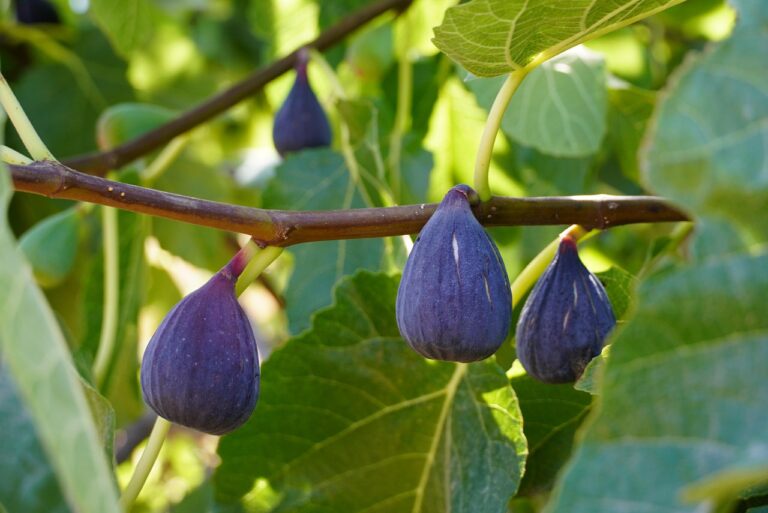
Fig Tree (Ficus carica)

fig tree with fruits

Introduction Ficus carica L., the common fig, is a deciduous tree or large multistemmed shrub in the family Moraceae, native to southwestern Asia and the eastern and central Mediterranean basin. It is among the oldest domesticated fruit trees in human…

See in details...Fig Tree (Ficus carica)

Parsley Plant

parsley plant

Introduction Petroselinum crispum, commonly known as the parsley plant, is a biennial herb in the Apiaceae family valued for its aromatic leaves and phytochemical richness. Native to the central and eastern Mediterranean region, it exhibits notable biochemical diversity, including high…

See in details...Parsley Plant

Tulip Plant (Tulipa spp)

Tulip Plant

Introduction Tulipa spp., commonly known as tulips, are among the world’s most recognisable ornamental flowering plants, celebrated for their large, vividly coloured spring blooms and major importance in the global bulb trade. They belong to the family Liliaceae and are…

See in details...Tulip Plant (Tulipa spp)

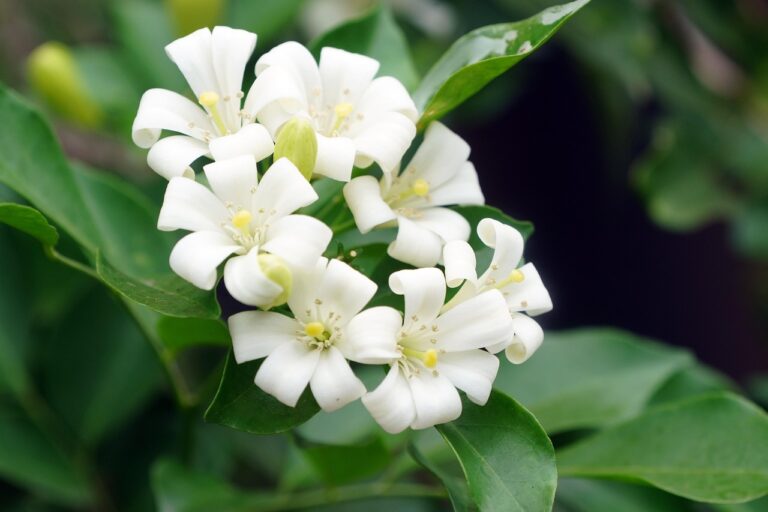
Jasmine Plant

jasmine plant

Introduction Jasminum spp., commonly known as jasmine plants, are among the world’s most culturally significant fragrant ornamentals, recognised especially for their intensely scented white or yellow flowers and their major importance in perfumery, ornamental horticulture, and traditional medicine. They belong…

See in details...Jasmine Plant