Introduction
Coriandrum sativum L., commonly known as coriander plant or cilantro, is one of the world’s most widely cultivated culinary herbs, valued for the unusual dual utility of its foliage and fruits, which differ markedly in flavour chemistry. A member of the Apiaceae family, the species is generally considered native to the eastern Mediterranean region and adjacent areas extending toward western Asia. Its aromatic compounds have supported continuous agricultural use across multiple cultural traditions for millennia.
Classification
Within native and naturalized ecosystems, coriander functions as a nectar-producing annual herb that attracts diverse pollinating insects. Its compound umbels provide accessible floral resources for bees, flies, and other generalist pollinators. Compared with many related culinary umbellifers, coriander exhibits a distinctive transition in aroma chemistry between vegetative tissues and mature fruits, reflecting changes in essential-oil composition during development. These traits have contributed to both ecological persistence and agricultural selection.
Human association with coriander extends from ancient Near Eastern cultivation and Egyptian archaeological records to modern global spice production. The species remains important in food systems, traditional medicine, essential oil industries, and home horticulture. Although not considered globally threatened, its extensive cultivation has generated substantial morphological and chemical diversity of commercial significance. This profile examines the species through integrated taxonomic, biological, agricultural, ecological, and economic perspectives.
Identity
Quick Plant Information
| Field | Value |
|---|---|
| Accepted Scientific Name | Coriandrum sativum L. |
| Primary Common Name | Coriander Plant |
| Plant Type | Aromatic annual herb |
| Life Cycle | Annual |
| Growth Habit | Erect, branching herb |
| Mature Size | Commonly 30–90 cm tall |
| Growth Rate | Rapid |
| Flowering Season | Spring to summer, depending on sowing date and climate |
| Fruiting Season | Summer to early autumn, depending on region |
| Light Requirement | Full sun |
| Water Requirement | Moderate |
| Soil Preference | Well-drained fertile loam to sandy loam |
| Temperature Tolerance | Cool to warm temperate growing conditions |
| Pollination Type | Primarily insect-mediated |
| Self-Fertility Status | Self-fertile with cross-pollination also documented |
| Primary Propagation Method | Seed |
| Typical Yield Class | Moderate |
| Primary Use Categories | Culinary herb, spice crop, essential-oil crop, medicinal plant |
| Toxicity Status | No well-documented intrinsic toxicity under normal culinary use |
| Conservation Concern | Not currently considered globally threatened |
| Cultivation Difficulty Level | Easy to moderate |
Classification and Taxonomy
| Field | Value | Notes |
|---|---|---|
| Accepted Scientific Name | Coriandrum sativum L. | Accepted taxon |
| Known Synonyms | Multiple infraspecific names historically published | See synonymy table |
| Taxonomic Authority Source | Plants of the World Online (Kew) | Authoritative nomenclatural source |
| Assessment Date | 2026-06-01 | Current assessment |
| Kingdom | Plantae | |
| Division | Tracheophyta | Vascular plants |
| Class | Magnoliopsida (Traditional rank-based classification.) | Angiosperms |
| Order | Apiales | |
| Family | Apiaceae | Carrot family |
| Subfamily | Apioideae | Applicable |
| Genus | Coriandrum | |
| Species | Coriandrum sativum | |
| Native Origin | Eastern Mediterranean region to western Asia | Concise summary only |
| IUCN Status | Not Evaluated | No global IUCN assessment identified |
Related Species of Significance
| Species | Common Name | Distinguishing Feature | Economic or Ecological Significance |
|---|---|---|---|
| Daucus carota | Carrot | Enlarged storage root | Major global vegetable crop |
| Petroselinum crispum | Parsley | Persistent leafy harvest | Culinary herb and garnish crop |
| Foeniculum vulgare | Fennel | Anise-flavoured foliage and fruits | Culinary and medicinal uses |
| Anethum graveolens | Dill | Fine dissected foliage and aromatic fruits | Spice and pickling crop |
| Coriandrum tordylium | Wild coriander | Wild congener of the genus | Taxonomic and evolutionary relevance |
Taxonomic Context
Coriandrum sativum occupies a distinctive position within a small genus and remains the only widely cultivated species of major commercial importance. Confusion most commonly arises not from competing species concepts but from inconsistent use of vernacular names, particularly the separation of “cilantro” for leaves and “coriander” for fruits in parts of North America. Historical literature also contains numerous infraspecific names based on geographic forms and cultivated variants. Stable acceptance of C. sativum has facilitated agricultural research, germplasm management, phytochemical comparison, and international seed trade despite substantial diversity among cultivated populations.
Cytogenetics
| Parameter | Value | Notes |
|---|---|---|
| Chromosome Number | 2n = 22 | Consistently reported in cytogenetic investigations. |
| Ploidy Level | Diploid | Based on the documented chromosome complement of 2n = 22. |
| Genome Size | Approximately 2.12 Gb | Based on published genome assembly resources; estimates may vary among assemblies and analytical methods. |
| Meiotic Configuration | 11 bivalents reported | Documented in cytological studies and consistent with diploid chromosome pairing. |
Cytogenetic Note
Available evidence indicates that Coriandrum sativum possesses a stable diploid chromosome complement of 2n = 22. Published cytological investigations have reported regular meiotic pairing with eleven bivalents, supporting chromosomal stability across examined material. Recent genome-sequencing initiatives have expanded genomic resources for the species and facilitated research into genetic diversity, domestication history, phytochemical pathways, and breeding applications. Reported genome-size estimates are derived primarily from assembled genome resources and may be refined as additional genomic datasets become available.
Scientific Stability and Nomenclature
The accepted name Coriandrum sativum L. was established by Carl Linnaeus in Species Plantarum (1753) and remains the prevailing nomenclatural treatment across botanical, agricultural, horticultural, pharmacological, and commercial literature. Modern taxonomic databases, including Plants of the World Online, continue to recognize the species under its original Linnaean circumscription.
Unlike many economically important Apiaceae, coriander has not undergone a recent genus transfer or major nomenclatural replacement. However, numerous infraspecific names and geographically defined varieties were proposed during twentieth-century attempts to classify cultivated diversity. These treatments reflected morphological and agronomic variation rather than broad acceptance of separate taxonomic entities. Subsequent research emphasized extensive diversity within a single cultivated species rather than support for widespread taxonomic subdivision.
The high level of adoption of the Linnaean name simplifies regulatory documentation, seed certification, phytochemical research, germplasm exchange, and international commodity trade. For literature searches, researchers should remain aware that older agronomic and genetic publications may reference regional varieties or subspecies names that are not commonly maintained in contemporary taxonomic practice. Nevertheless, nomenclatural stability for C. sativum is currently strong and presents minimal barriers to scientific communication.
Synonymy
| Accepted Name (Current Authority) | Synonyms Commonly Encountered | Context Where Synonym Persists |
|---|---|---|
| Coriandrum sativum L. | Coriandrum sativum subsp. asiaticum Stolet. | Historical regional classifications |
| Coriandrum sativum L. | Coriandrum sativum subsp. indicum Stolet. | Older agronomic literature |
| Coriandrum sativum L. | Coriandrum sativum var. afghanicum Stolet. | Germplasm and diversity studies |
| Coriandrum sativum L. | Coriandrum sativum var. asiaticum Stolet. | Historical cultivar-group treatments |
| Coriandrum sativum L. | Coriandrum sativum var. indicum Stolet. | Regional taxonomic references |
Form
Growth Habit and Architecture
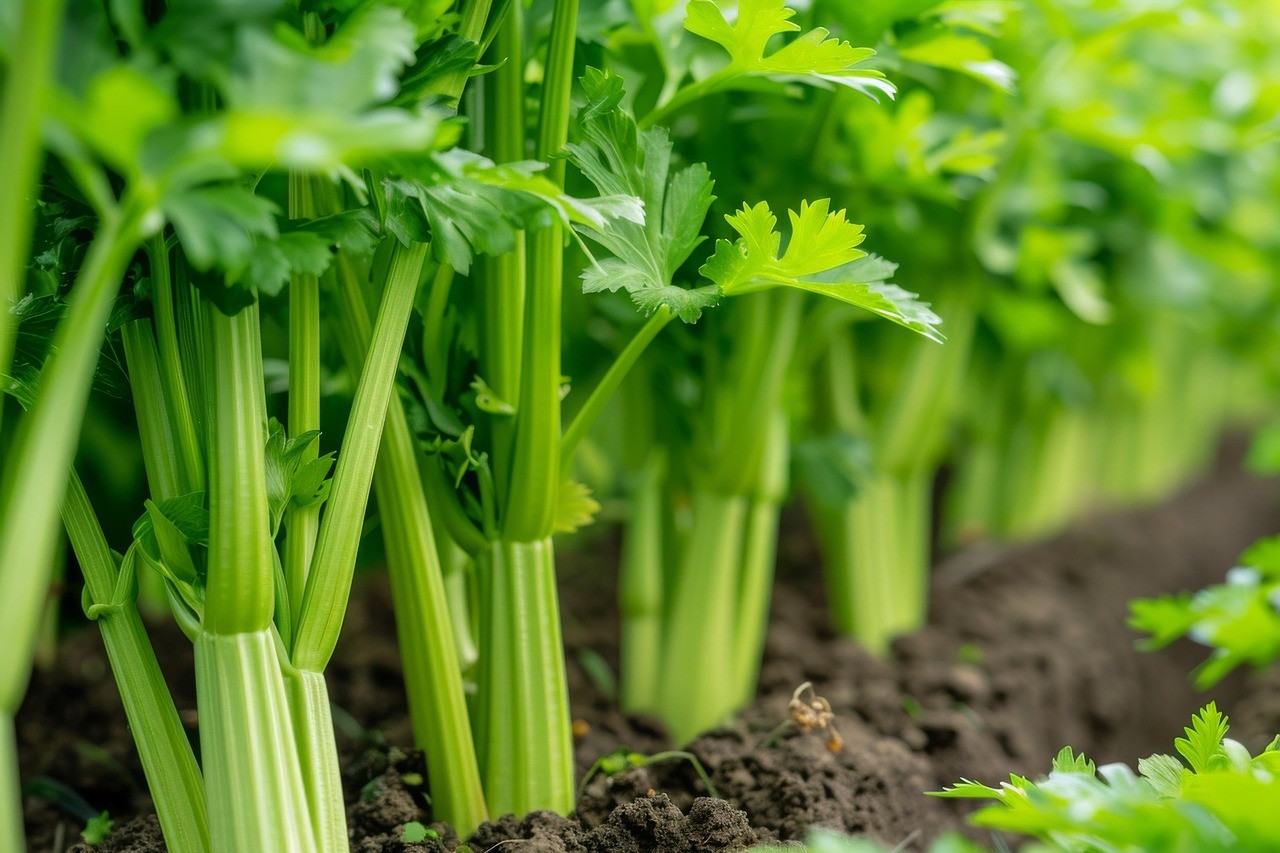
Coriandrum sativum is a fast-growing aromatic annual herb characterized by a slender taproot, erect branching stems, and finely divided foliage that changes form as the plant matures. Vegetative growth initially produces a compact rosette of broader basal leaves, followed by increasingly dissected upper foliage associated with flowering development. The species is architecturally distinct among culinary herbs because of its transition from a leafy harvest stage to a highly branched reproductive canopy bearing compound umbels. This dual-phase architecture supports both leaf production and fruit development within a single growing season, contributing to its global agricultural importance.
| Parameter | Value | Notes |
|---|---|---|
| Life Form | Annual herb | Completes life cycle within one season. |
| Mature Height | Commonly 30–90 cm (12–35 in) | Cultivar and environment dependent. |
| Canopy Spread | Commonly 20–50 cm (8–20 in) | Variable with plant density and branching. |
| Stem Type | Herbaceous, erect | Non-woody. |
| Surface Texture | Smooth to finely striate | No true bark present. |
| Branching Pattern | Basally and apically branched | Branching typically increases during reproductive growth. |
| Root System Overview | Dominant taproot with lateral branches | Root depth and branching vary with soil conditions and cultivation practices. |
| Growth Rate | Rapid | Fast seasonal development under favorable conditions. |
| Longevity | Annual | Dies after seed maturation. |
| Distinguishing Architectural Feature | Transition from leafy vegetative rosette to highly branched umbel-bearing canopy | Diagnostic growth pattern. |
Stem
The stem functions as the primary structural axis supporting both foliage and reproductive umbels. Young stems are green, smooth, and flexible, becoming more extensively branched as flowering progresses. Although slender, the stem system efficiently elevates inflorescences above the foliage canopy, improving floral visibility and fruit development. Internodes elongate markedly during reproductive growth, producing the open and airy appearance characteristic of mature coriander stands.
| Stem Characteristic | Description |
|---|---|
| Stem Type | Herbaceous |
| Cross-Section Shape | Circular to slightly ribbed |
| Mature Diameter | Commonly 3–10 mm (0.12–0.39 in) |
| Surface Texture | Smooth, glabrous or sparsely textured |
| Colour (Young) | Bright green |
| Colour (Mature) | Green to pale green |
| Internode Length | Variable; commonly 2–8 cm (0.8–3.1 in) |
| Thorns, Spines, or Wings | Absent |
| Internal Structure | Solid with pith tissue present |
| Attachment Mechanism | Not applicable |
| Climbing Strategy | Not applicable |
Leaves
The foliage of coriander exhibits marked developmental variation. Basal leaves are broader and more lobed, whereas upper leaves become progressively finer and more dissected. This heterophylly contributes significantly to species recognition. Leaves are aromatic when crushed due to secretory structures associated with essential-oil production. Colour typically remains medium to dark green, although cultivar selection and environmental conditions may influence intensity and leaf morphology.
| Leaf Characteristic | Description |
|---|---|
| Presence | Present |
| Leaf Type | Compound to deeply dissected |
| Size | Commonly 3–15 cm (1.2–5.9 in) long |
| Colour | Medium to dark green |
| Arrangement | Alternate |
| Margin | Lobed to finely divided |
| Special Features | Distinct juvenile and mature leaf forms |
| Surface Texture | Soft and glabrous to slightly textured |
Flowers
The flowers are small individually but collectively conspicuous because they are arranged in compound umbels elevated above the foliage. Peripheral flowers are often slightly enlarged and asymmetrical, increasing visual display. This arrangement enhances floral accessibility to a broad range of insect visitors. The floral architecture is characteristic of Apiaceae yet remains distinctive through the combination of delicate white to pale pink petals, compact floral units, and prolific seasonal production.
| Floral Attribute | Description |
|---|---|
| Inflorescence Type | Compound umbel |
| Flower Diameter | Approximately 3–6 mm (0.12–0.24 in) |
| Flower Length | Approximately 2–5 mm (0.08–0.20 in) |
| Outer Tepals or Sepals | Small, inconspicuous calyx teeth |
| Inner Tepals or Petals | Five white to pale pink petals |
| Stamens | Five |
| Pistil | Inferior ovary with bifid style |
| Fragrance | Mildly aromatic |
| Anthesis Period | Spring to summer depending on climate |
| Primary Pollinators | Bees, hoverflies, and other small insects |
| Flower Colour | White to pale pink |
Fruit
| Fruit Characteristic | Description |
|---|---|
| Fruit Type | Schizocarp |
| Shape | Globose to subglobose |
| Length | Approximately 3–5 mm (0.12–0.20 in) |
| Diameter | Approximately 3–5 mm (0.12–0.20 in) |
| Weight | Not documented consistently in species-level literature |
| Skin Colour | Green when immature, yellow-brown to tan at maturity |
| Surface Features | Prominent longitudinal ridges |
| Flesh Colour | Not applicable; dry fruit |
| Flesh Texture | Not applicable; dry fruit |
| Seed Count | Typically two mericarps per fruit |
| Sugar Content | Not documented in available literature |
| Maturation Period | Commonly 30–50 days after flowering under cultivation |
Seeds
| Seed Characteristic | Description |
|---|---|
| Size | Approximately 2–4 mm (0.08–0.16 in) |
| Shape | Rounded to hemispherical mericarps |
| Colour | Yellow-brown to light brown |
| Seed Coat | Thin, dry, aromatic |
| Oil Content | Essential and fixed oils documented |
| Viability Period | Commonly maintained for 2–5 years under suitable storage |
| Germination Rate | Variable; dependent on seed quality and storage history |
Recommended Products
Disclosure: As an Amazon Associate, PlantsInfo may earn from qualifying purchases.
🌱 Plant Care Essentials
The following tools can help with pruning, plant health, soil management, and fruit garden maintenance.

Neem Oil for Plant Care
Natural plant protection against aphids, whiteflies, mites, and other common garden pests.

Fungicide for Root Care
Helps suppress soil-borne fungal diseases and supports healthier root systems.

Spray Bottle for Plants
Ideal for applying foliar sprays, neem oil solutions, and liquid plant treatments.

Rubber Hand Gloves
Protects hands during pruning, planting, soil preparation, and garden maintenance.
Root System
The root system consists primarily of a central taproot accompanied by numerous lateral branches. Root penetration depth varies with soil structure and moisture availability but commonly exceeds the depth of the foliage canopy. The species performs best where drainage allows unrestricted taproot development, while prolonged waterlogging can restrict root function. Commercially, the taproot architecture contributes to efficient water acquisition and rapid establishment from direct sowing. In wild and cultivated settings, the relatively modest root biomass facilitates harvesting while supporting the rapid seasonal growth characteristic of annual herbaceous crops.
Field Identification
A field observer typically recognizes coriander by the combination of aromatic foliage, pronounced differences between basal and upper leaves, slender branching stems, and elevated compound umbels bearing small white or pinkish flowers. Mature fruiting plants are identifiable by their spherical ribbed fruits that later become the familiar spice known as coriander seed. The species is frequently confused with Petroselinum crispum (parsley), particularly during early vegetative growth. The single most reliable distinguishing feature is leaf morphology: coriander foliage is generally more rounded and delicately dissected, while parsley leaves are thicker, flatter, and more uniformly shaped throughout development. Crushed coriander foliage also produces a characteristic aroma distinct from parsley.
Normal vs. Concerning Observations
| Observation | Status | Explanation |
|---|---|---|
| Progressive transition from broad basal leaves to finely divided upper leaves | Normal | Natural developmental change |
| Stem elongation before flowering | Normal | Typical reproductive growth |
| Temporary leaf drooping during hot afternoons | Monitor | May reflect transient water stress |
| Early flowering in young plants | Monitor | Can occur under environmental stress or cultivar effects |
| Extensive yellowing across lower foliage | Investigate | May indicate physiological or pathological issues |
| Stem collapse at soil line | Investigate | Abnormal structural failure |
| Uneven emergence after sowing | Monitor | Commonly associated with seed variability |
| Distorted new growth across multiple plants | Investigate | Potential indicator of biotic or abiotic stress |
Cultivar Summary
| Cultivar | Key Characteristic | Commercial Status | Origin |
|---|---|---|---|
| ‘Santo’ | Slow bolting and strong leaf production | Commercially dominant | Developed for commercial herb production |
| ‘Calypso’ | Extended harvest period | Commercially dominant | United Kingdom breeding programmes |
| ‘Leisure’ | Uniform growth habit | Regionally significant | Commercial horticultural selection |
| ‘Marino’ | Vigorous foliage production | Regionally significant | European commercial breeding |
| ‘Cruiser’ | Improved leaf yield and uniformity | Commercially dominant | Commercial cultivar development |
Physiology and Phytochemistry
Functional Traits
Coriandrum sativum is a fast-growing annual herb whose physiology is optimized for rapid seasonal resource acquisition, reproduction, and chemical investment rather than long-term structural persistence. The species combines efficient carbon fixation, moderate water-use requirements, prolific seed production, and extensive secondary-metabolite synthesis. These traits operate as an integrated strategy suited to disturbed habitats, agricultural systems, and seasonal climatic regimes. Physiological performance is strongly linked to developmental stage, with substantial shifts occurring between vegetative growth, flowering, and fruit maturation, each accompanied by changes in resource allocation and phytochemical composition.
| Trait | Mechanism Description | Adaptive Significance |
|---|---|---|
| Photosynthetic Pathway | C3 photosynthesis fixes atmospheric CO₂ directly through the Calvin cycle during daylight hours. | Supports rapid biomass accumulation under cool to moderate growing conditions. |
| Water Use Strategy | Water is acquired through a taproot-dominated system and regulated through stomatal control during changing environmental conditions. | Allows establishment in seasonally dry environments while maintaining rapid growth. |
| Nutrient Acquisition | Fine lateral roots absorb mineral nutrients and water from upper and intermediate soil horizons. | Supports high nutrient demand associated with rapid vegetative development. |
| Growth Form Strategy | Annual life cycle directs resources toward rapid growth, flowering, and seed production within a single season. | Enables exploitation of transient favorable conditions. |
| Reproductive Strategy | Large numbers of flowers are produced in compound umbels, increasing opportunities for fertilization and fruit set. | Maximizes reproductive output and population persistence. |
| Dispersal Mechanism | Mature schizocarps separate into mericarps that can be dispersed by gravity, cultivation activities, and incidental animal transport. | Facilitates colonization of disturbed habitats and agricultural landscapes. |
| Stress Response Mechanism | Physiological responses include modulation of stomatal conductance, antioxidant activity, and developmental acceleration under stress. | Enhances survival during short-term environmental fluctuations. |
| Chemical Defence | Essential oils, phenolics, and related secondary metabolites deter herbivory and inhibit some microbial organisms. | Reduces biological damage and protects reproductive structures. |
| Aromatic Fruit Development | Carbon resources are progressively allocated toward essential-oil accumulation in developing fruits. | Enhances seed protection and contributes to dispersal-associated ecological functions. |
| Ontogenetic Leaf Transition | Leaf morphology changes from broader juvenile forms to finely dissected reproductive-stage foliage. | Improves resource allocation between vegetative and reproductive phases. |
Physiological Integration
The physiological strategy of Coriandrum sativum emerges from interactions among rapid annual growth, reproductive investment, and secondary-metabolite production. The C3 photosynthetic pathway supports efficient carbon acquisition during favorable conditions, enabling rapid canopy formation and early flowering. Water-use regulation constrains excessive transpiration while maintaining sufficient photosynthetic activity to support essential-oil biosynthesis. As reproductive development progresses, resources are increasingly diverted from vegetative growth toward fruit production and chemical accumulation. Stress-response mechanisms may accelerate flowering under adverse conditions, ensuring reproductive completion before environmental deterioration. Simultaneously, aromatic compounds concentrated in fruits provide protective functions that complement the species’ high reproductive output. Rather than functioning independently, growth, defence, reproduction, and metabolism operate as a coordinated seasonal strategy that prioritizes successful seed production within a relatively short life cycle.
Phytochemistry
The phytochemistry of Coriandrum sativum is among the most extensively studied within culinary Apiaceae because the species possesses significant nutritional, medicinal, aromatic, and commercial value. Different organs exhibit distinct chemical profiles, with foliage, fruits, roots, and essential oils differing substantially in composition. Fruit essential oils are dominated by monoterpenes, whereas vegetative tissues contain a broader mixture of aldehydes, alcohols, phenolics, flavonoids, and fatty acids. This organ-specific chemistry contributes to the marked sensory differences between coriander leaves and fruits and has driven extensive pharmacological and industrial investigation.
| Compound Class | Representative Compounds | Primary Location | Ecological or Biological Function |
|---|---|---|---|
| Monoterpenes | Linalool, γ-terpinene, α-pinene | Fruits and fruit essential oil | Defence, aroma production, ecological signaling |
| Aldehydes | (E)-2-decenal, decanal, dodecanal | Leaves and aerial tissues | Characteristic foliage aroma and defence functions |
| Flavonoids | Quercetin, rutin, apigenin | Leaves and stems | Antioxidant and protective functions |
| Phenolic Acids | Caffeic acid, chlorogenic acid, ferulic acid | Leaves and fruits | Oxidative stress mitigation and defence |
| Fatty Acids | Petroselinic acid, linoleic acid, oleic acid | Fruits and seeds | Energy storage and membrane function |
| Coumarins | Umbelliferone, scopoletin | Various aerial tissues | Protective and ecological functions |
| Sterols | β-sitosterol, stigmasterol | Seeds and vegetative tissues | Membrane structure and metabolism |
Phytochemical Organ Distribution
| Organ | Compound Class | Representative Compounds | Concentration | Source |
|---|---|---|---|---|
| Fruit Essential Oil | Monoterpenes | Linalool | Commonly dominant constituent; concentration varies by cultivar and origin | |
| Fruit | Fatty Acids | Petroselinic acid, linoleic acid | Major seed lipid fraction | |
| Leaves | Aldehydes | (E)-2-decenal, decanal | Characteristic aromatic constituents | |
| Leaves | Flavonoids | Quercetin, rutin | Documented; concentration variable | |
| Leaves | Phenolic Acids | Caffeic acid, chlorogenic acid | Documented; concentration variable | |
| Roots | Volatile Compounds | Linalool and associated terpenoids | Documented; lower than fruit essential oil fractions | |
| Seeds | Sterols | β-sitosterol, stigmasterol | Documented in seed lipid fractions | |
| Whole Plant | Coumarins | Umbelliferone, scopoletin | Documented; concentration varies by tissue and stage |
Phytochemical Significance
The most commercially significant phytochemical class in Coriandrum sativum is the monoterpene fraction, particularly linalool, which dominates many fruit essential oils and underpins the species’ value in flavoring, fragrance, and essential-oil industries. Leaf chemistry differs substantially, with aldehydes contributing the characteristic aroma profile associated with fresh coriander foliage. Phenolic acids and flavonoids have received extensive pharmacological attention because of their antioxidant activity, although mechanistic and clinical significance remain more extensively investigated than conclusively established. Seed lipids are notable for high concentrations of petroselinic acid, a fatty acid of industrial and biochemical interest.
Current phytochemical characterization is strongest for fruits, seeds, and essential oils, while comparative studies of roots, developmental stages, and environmental influences remain less comprehensive. Available evidence indicates that phytochemical expression varies significantly among cultivars, geographic origins, and growing conditions. The research base is regionally concentrated, with substantial contributions from South Asia, Iran, Mediterranean countries, and China. Commercial utilization is therefore driven largely by fruit-derived monoterpenes, whereas pharmacological research increasingly examines interactions among terpenoids, phenolics, and flavonoids rather than isolated compounds alone.
Evidence, Nutrition, and Safety
Evidence Hierarchy for Medicinal Use
| Evidence Layer | Status | Notes |
|---|---|---|
| Traditional Use | Documented | Extensive historical use in food systems and traditional medical systems including Ayurvedic, Persian, Mediterranean, and East Asian traditions. |
| Nutritional Evidence | Documented | Nutrient composition and dietary contribution are well characterized. |
| In Vitro Studies | Documented | Numerous studies have examined antioxidant, antimicrobial, anti-inflammatory, and metabolic effects of extracts and isolated compounds. |
| Animal Studies | Documented | Experimental models have investigated metabolic, hepatic, neurological, and cardiovascular effects. |
| Human Clinical Studies | Partial | Human studies exist but remain limited relative to the volume of laboratory research. |
| Regulatory Recognition | Partial | Recognized primarily as a food, spice, and flavoring ingredient; medicinal claims remain restricted in many jurisdictions. |
| Unsupported Commercial Claims | Documented | Claims involving detoxification, cure of chronic diseases, or broad therapeutic efficacy often exceed available clinical evidence. |
Evidence Assessment
The evidence base for Coriandrum sativum demonstrates a common pattern observed in many food-derived medicinal species. Traditional use, nutritional characterization, laboratory investigations, and animal studies are extensive, while rigorous human clinical evidence remains comparatively limited. The strongest support currently exists for culinary use, nutritional value, antioxidant activity, and selected metabolic effects under controlled conditions. In contrast, commercial claims related to detoxification, heavy-metal removal in humans, cancer treatment, or broad-spectrum disease prevention remain substantially less supported by clinical evidence. The principal evidence gap lies between promising mechanistic findings and reproducible therapeutic outcomes in large human populations.
Nutritional Composition
Values represent fresh coriander leaves per 100 g edible portion where documented.
| Nutrient | Value per 100 g | Notes | Source |
|---|---|---|---|
| Energy | 23 kcal | Fresh leaves | (USDA FoodData Central) |
| Water | 92.2 g | Fresh leaves | (USDA FoodData Central) |
| Protein | 2.13 g | Fresh leaves | (USDA FoodData Central) |
| Total Fat | 0.52 g | Fresh leaves | (USDA FoodData Central) |
| Carbohydrates | 3.67 g | Fresh leaves | (USDA FoodData Central) |
| Dietary Fiber | 2.8 g | Fresh leaves | (USDA FoodData Central) |
| Calcium | 67 mg | Fresh leaves | (USDA FoodData Central) |
| Potassium | 521 mg | Fresh leaves | (USDA FoodData Central) |
| Vitamin C | 27 mg | Fresh leaves | (USDA FoodData Central) |
| Vitamin A | 337 µg RAE | Fresh leaves | (USDA FoodData Central) |
| Vitamin K | 310 µg | Fresh leaves | Particularly abundant |
| Folate | 62 µg | Fresh leaves | Fresh foliage |
Nutritional Significance Note
Fresh coriander leaves are notable for their high vitamin K concentration and useful contributions of vitamin A precursors, vitamin C, and potassium relative to their low caloric value. Protein, fat, and carbohydrate contents are modest and typical of leafy culinary herbs. Because coriander is usually consumed in small quantities, its nutritional contribution is often cumulative rather than serving as a major dietary source of macronutrients. Reported values generally derive from cultivated fresh foliage rather than dried material. Drying, storage duration, processing methods, and cultivar selection can significantly influence vitamin retention, volatile compounds, and antioxidant activity. Regional growing conditions may also contribute to compositional variation.
Soil Ecology and Mycorrhizal Associations
Species-level evidence indicates that Coriandrum sativum is capable of forming associations with arbuscular mycorrhizal fungi (AMF), the dominant symbiotic type reported for the species. Documented fungal genera associated with coriander cultivation include Glomus and related arbuscular mycorrhizal taxa. Studies have reported improvements in nutrient acquisition and plant performance under inoculated conditions, although responses vary with soil characteristics and environmental conditions.
The rhizosphere hosts diverse bacterial communities involved in nutrient cycling, phosphorus mobilization, nitrogen transformation, and root-zone ecological stability. Reported beneficial bacterial groups include species of Bacillus, Pseudomonas, and related plant-growth-promoting rhizobacteria. Species-specific evidence suggests these communities may influence productivity and stress tolerance under agricultural conditions.
Allelopathic effects have been investigated but remain less comprehensively characterized than in some other aromatic herbs. Available evidence suggests that volatile terpenoids and related secondary metabolites may contribute to localized biological interactions, although species-specific ecological significance remains incompletely resolved.
From an agronomic perspective, mycorrhizal associations may contribute to nutrient-use efficiency, while intensive fertilization regimes can reduce dependence on symbiotic nutrient acquisition. Current evidence supports ecological importance of belowground microbial interactions, but substantial variation exists among cultivation systems and environmental contexts.
Toxicity and Safety
| Subject | Toxic Compounds | Clinical Effects | Source |
|---|---|---|---|
| Humans | No toxic compounds documented in available literature under normal culinary consumption. | Generally recognized as safe when consumed as food; allergic reactions have been reported in susceptible individuals. | USDA FoodData Central; peer-reviewed toxicological reviews |
| Cats | No toxic compounds documented in available literature. | No widely recognized species-specific toxicity documented. | ASPCA reference databases and veterinary literature reviews |
| Dogs | No toxic compounds documented in available literature. | Generally regarded as low-risk in typical dietary exposures. | ASPCA reference databases and veterinary literature reviews |
| Livestock | No toxic compounds documented in available literature. | No established intrinsic toxicity under normal agricultural exposure conditions. | Veterinary toxicology references and agricultural literature |
Toxicity Context
Current evidence indicates that Coriandrum sativum is primarily a food plant rather than a toxic species. Safety assessments should distinguish between normal dietary consumption and concentrated extracts, essential oils, or isolated phytochemicals, which may exhibit biological activity at substantially higher exposures. Rare allergic reactions, contact sensitivities, and individual intolerance have been reported. Individuals using medications affecting blood coagulation may warrant particular attention because of the plant’s vitamin K content, although culinary use is generally considered safe. Evidence regarding pregnancy-related risks remains limited for medicinal-dose preparations compared with food use. This profile does not constitute medical or veterinary advice.
Distribution and Habitat
Native Range and Distribution
Biogeographic Context
The native distribution of Coriandrum sativum is associated with the seasonally dry Mediterranean–Southwest Asian floristic region, where winter rainfall patterns, open disturbed habitats, and long histories of human-assisted dispersal favored the persistence of annual aromatic herbs. Archaeobotanical evidence indicates that coriander became associated with agricultural systems at an early stage of cultivation history, making precise reconstruction of its original native limits challenging. Modern taxonomic authorities generally recognize a native range centered on the eastern Mediterranean and adjacent western Asian regions. Extensive historical cultivation has blurred boundaries between native and long-naturalized populations. Current distribution data are strongest for Mediterranean, Middle Eastern, and South Asian regions, reflecting both historical cultivation intensity and research concentration.
Native Range
| Region | Countries or Sub-regions | Notes |
|---|---|---|
| Eastern Mediterranean | Greece, Cyprus, Türkiye (western and southern regions) | Widely recognized component of native range |
| Levant | Israel, Palestine, Jordan, Lebanon, Syria | Frequently cited in native-range assessments |
| Southwest Asia | Iraq, western Iran and adjacent regions | Native-range interpretations vary slightly among authorities |
| Eastern Mediterranean Basin | Coastal and inland seasonally dry habitats | Long history of cultivation complicates boundary definition |
Global Cultivation and Naturalisation
| Region | Countries or Areas | Cultivation Status | Notes |
|---|---|---|---|
| South Asia | India, Pakistan, Bangladesh, Nepal | Commercially established | Major global production center |
| East Asia | China | Commercially established | Large-scale production and breeding activity |
| Middle East | Iran, Türkiye, Israel | Commercially established | Traditional crop with extensive regional use |
| Europe | Spain, France, Italy, United Kingdom, Netherlands | Commercially established | Climate suitability varies by season |
| North America | United States, Mexico, Canada | Commercially established | Production concentrated in suitable climatic zones |
| South America | Argentina, Chile, Brazil, Peru | Commercially established | Climatic suitability varies by latitude |
| Africa | Egypt, Morocco, Ethiopia, South Africa | Commercially established | Production concentrated in favorable seasonal environments |
| Oceania | Australia, New Zealand | Commercially established | Production limited in some regions by climatic extremes |
| Tropical Humid Regions | Equatorial lowland zones globally | Attempted — limited success | Heat and rapid bolting constrain production |
| High-Latitude Regions | Northern Scandinavia and comparable regions | Experimental | Growing season length limits large-scale production |
Cultivation Range Note
Commercial production is concentrated in India, China, Iran, Egypt, Morocco, Europe, and North America, where climatic conditions support both leaf and seed production. India is particularly prominent in the scientific and agronomic literature, creating a research concentration bias that may not fully represent performance across all production environments. Emerging expansion continues in protected-cultivation systems and high-value fresh-herb markets. Tropical lowland environments often support production but may constrain yield stability because reproductive development accelerates under persistent heat. Experimental cultivation has also been reported in cooler high-latitude regions using seasonal production systems.
Natural Habitat
In its native and long-naturalized range, Coriandrum sativum is associated with open, seasonally disturbed habitats including field margins, ruderal vegetation, agricultural landscapes, fallow ground, and lightly grazed herbaceous communities. Documented occurrences range from near sea level to approximately 1,500 m (4,921 ft), although local variation exists. The species is most frequently associated with well-drained mineral soils and vegetation communities characterized by annual herbs and other disturbance-adapted species. Moisture availability is typically seasonal rather than continuous. Coriander functions as a habitat generalist rather than a specialist, contributing to its broad cultivation potential and ability to persist in human-modified landscapes. This ecological flexibility reduces dependence on narrowly defined habitat conditions and facilitates establishment across diverse agricultural regions.
Ecological Role
Within ecosystems, Coriandrum sativum functions primarily as a seasonal floral resource, seed-producing annual herb, and participant in disturbance-adapted plant communities. The compound umbels provide accessible nectar and pollen resources to a wide range of insect taxa. Species-level pollinator documentation remains incomplete in many regions, although honey bees (Apis mellifera), hoverflies (Syrphidae), and various solitary bees have been recorded visiting flowers. Because flowering often occurs during periods of high insect activity, coriander may contribute locally to pollinator resource continuity.
Seed dispersal is primarily passive and associated with gravity, agricultural disturbance, and incidental transport by animals and humans. The species is not documented as a keystone taxon or ecological indicator species. Ecological understanding is strongest in agricultural systems and comparatively weaker in native-range ecosystem studies, representing a continuing knowledge gap. Nevertheless, its role as a nectar source and seasonal component of herbaceous communities is consistently documented across cultivated and naturalized populations.
Ecological Role
| Role Type | Species or Agent Involved | Notes |
|---|---|---|
| Floral Resource Provider | Apis mellifera | Documented nectar and pollen visitor |
| Floral Resource Provider | Hoverflies (Family Syrphidae) | Frequent flower visitors in cultivated and semi-natural habitats |
| Seed Production and Food Resource | Not documented at species level | Ecological use by wildlife remains incompletely characterized |
| Disturbance-Community Component | Annual ruderal plant assemblages | Common in anthropogenically disturbed habitats |
Invasive Status
| Region | Status | Impact | Management |
|---|---|---|---|
| North America | Naturalised | Generally low ecological impact documented | Usually not subject to active management |
| South America | Naturalised | Limited ecological concern documented | Monitoring only where established |
| Australia | Naturalised | Localized persistence reported | No major management programmes documented |
| Europe outside native range | Naturalised | Generally low ecological impact | Limited management attention |
Invasive Status Note
Coriandrum sativum has naturalized in numerous regions outside its accepted native range, but significant invasive impacts, legislative restrictions, or large-scale ecological management programmes have not been widely documented.
Climate and Stress Tolerance
Optimal Climate Parameters
| Parameter | Optimal Range | Tolerance Range | Notes |
|---|---|---|---|
| Mean Annual Temperature | 10–20°C (50–68°F) | 5–30°C (41–86°F) | Derived from global cultivation records |
| Daytime Temperature | 15–25°C (59–77°F) | 5–35°C (41–95°F) | Heat sensitivity increases near upper limit |
| Nighttime Temperature | 8–18°C (46–64°F) | 0–25°C (32–77°F) | Cool nights generally favor vegetative quality |
| Annual Rainfall | 400–800 mm (15.7–31.5 in) | 250–1,500 mm (9.8–59.1 in) | Broad cultivation envelope |
| Dry Season Length | 1–4 months | 0–8 months | Based largely on cultivated environments |
| Relative Humidity | 40–70% | 20–90% | Regional variation significant |
| Solar Radiation | Full sun; approximately 15–25 MJ m⁻² day⁻¹ | Approximately 8–30 MJ m⁻² day⁻¹ | Values represent cultivation envelope rather than native habitat alone |
Climate Interpretation
The principal climatic limitation for global coriander production is not absolute survival but maintenance of desirable vegetative and reproductive performance under elevated temperatures. The native distribution is associated primarily with Mediterranean-type seasonal climates, yet cultivation has expanded far beyond this original envelope through agricultural adaptation. Heat-related acceleration of flowering often constrains production more strongly than moderate cold exposure. The demonstrated cultivation range is therefore considerably broader than the inferred native climatic range. Expansion into tropical lowlands remains limited primarily by temperature-related developmental responses rather than rainfall alone, whereas cool temperate regions are more commonly constrained by growing-season duration.
Stress Tolerance Profile
| Stress Type | Tolerance Level | Physiological Response | Notes |
|---|---|---|---|
| Drought | Moderate | Reduces stomatal conductance, limiting water loss while maintaining essential metabolism | Sustained drought reduces productivity |
| Heat | Moderate to Low | Accelerates developmental progression and reproductive transition under elevated temperatures | Often associated with early flowering |
| Cold or Frost | Low to Moderate | Growth rate decreases as metabolic activity declines at low temperatures | Severe frost may damage tissues |
| Salinity | Low to Moderate | Adjusts osmotic balance through accumulation of compatible solutes and altered ion regulation | Species-level variation documented |
| Waterlogging | Low | Root oxygen deficiency reduces respiration and nutrient acquisition efficiency | Extended exposure poorly tolerated |
| Air Pollution | Not documented at species level | Not documented at species level | Evidence insufficient |
| Wind | Moderate | Alters transpiration dynamics and mechanical loading responses | Excessive exposure may reduce quality |
| Soil Compaction | Low to Moderate | Reduced root-zone gas exchange affects physiological function | Performance may decline in compacted soils |
Compound Stress
Compound-stressor research in Coriandrum sativum remains less developed than single-factor stress studies. Available evidence indicates that heat and drought together generally exert stronger effects on growth, reproductive timing, and yield-related traits than either stress alone. Interactions between salinity and waterlogging appear particularly unfavorable because osmotic stress and root-zone oxygen limitation occur simultaneously. Although physiological responses to individual stressors are relatively well documented, integrated studies examining multiple concurrent environmental pressures remain limited. This represents an important knowledge gap because agricultural systems frequently expose plants to combinations of stresses rather than isolated factors.
Adaptations and Reproductive Biology
Structural and Physiological Adaptations
Adaptation Narrative
The adaptive profile of Coriandrum sativum reflects evolution within seasonally dry Mediterranean and Southwest Asian environments characterized by periodic disturbance, winter-dominated precipitation, and predictable summer drying. Finely divided foliage, rapid annual development, elevated compound umbels, and compact aromatic fruits represent morphological responses that improve reproductive efficiency, resource acquisition, and persistence in open habitats. These adaptations became particularly advantageous in disturbed landscapes associated with early agriculture, contributing to the species’ successful expansion beyond its original native range.
| Adaptation | Mechanism Description | Ecological Context |
|---|---|---|
| Finely Divided Upper Leaves | Reduced laminar surface area through highly dissected leaf segments | Common in seasonally dry open habitats |
| Developmental Leaf Heteromorphy | Juvenile and mature foliage differ morphologically across life stages | Supports transition from vegetative to reproductive growth |
| Erect Branching Architecture | Elevated reproductive structures above surrounding vegetation | Improves floral visibility in open herbaceous communities |
| Compound Umbels | Multiple flowers aggregated into a single display structure | Efficient attraction of diverse pollinators |
| Compact Aromatic Fruits | Small ribbed fruits protect developing seeds | Favours persistence in disturbed environments |
| Annual Life-History Morphology | Structural allocation prioritizes reproductive organs over long-term support tissues | Adapted to seasonal habitat cycles |
| Taproot-Dominated Structure | Central root axis anchors the plant and accesses deeper moisture zones | Advantageous in seasonally drying soils |
| Open Canopy Form | Airy branching architecture reduces canopy crowding | Common in disturbance-adapted annual herbs |
Climate Change Vulnerability
| Factor | Assessment | Notes |
|---|---|---|
| Primary Climate Sensitivity Factors | Moderate | Elevated temperature and altered precipitation patterns may affect flowering and yield stability |
| Key Threatening Climate Processes | Increased heat extremes; prolonged drought; seasonal rainfall disruption | Particularly relevant in traditional production regions |
| Resilience Factors | Broad cultivation range; annual life cycle; extensive cultivated genetic diversity | Supports adaptive capacity |
| Confidence Level | Moderate | Based primarily on cultivation and physiological evidence rather than species-specific climate modelling |
Climate Vulnerability
Current climate-vulnerability assessment for Coriandrum sativum is supported primarily by physiological studies, cultivation observations, and regional agronomic literature rather than comprehensive species-specific climate-distribution modelling. Available evidence suggests moderate vulnerability to increasing heat stress because elevated temperatures can alter flowering schedules and reduce vegetative production. Drought frequency may further affect productivity in regions dependent on seasonal rainfall. Conversely, the species possesses several resilience factors, including broad geographic cultivation, extensive germplasm diversity, and a short annual life cycle that facilitates rapid adaptation through selection. Confidence in this assessment is moderate because direct climate-change modelling remains limited and geographically uneven.
Phenological Calendar
| Event | Native Range Timing | Cultivated Range Timing | Environmental Triggers |
|---|---|---|---|
| Vegetative Growth Onset | Late winter to early spring | Variable; spring, autumn, or cool-season production cycles | Sustained soil temperatures above approximately 8–10°C (46–50°F) |
| Flower Bud Initiation | Spring | Variable according to sowing season | Increasing photoperiod and developmental maturity |
| Anthesis or Peak Flowering | Spring to early summer | Spring to summer in temperate regions; seasonally variable elsewhere | Accumulated thermal units and reproductive maturity |
| Fruit Development | Late spring to summer | Variable globally | Successful fertilization and continued resource availability |
| Fruit Maturation | Summer | Variable globally | Progressive drying and seed development |
| Seed Dispersal | Summer to early autumn | Variable globally | Fruit desiccation and mechanical separation |
| Dormancy or Rest Period | Absent at plant level; persists as seed stage | Absent at plant level; persists as seed stage | Completion of annual life cycle |
Phenological Notes
Phenological progression in Coriandrum sativum is governed primarily by temperature, photoperiod, and developmental age. Considerable plasticity exists across the global cultivation range because the species can be grown under diverse seasonal production schedules. Flowering transitions are especially sensitive to environmental conditions, and elevated temperatures frequently accelerate reproductive development. Consequently, the timing observed in Mediterranean populations may differ substantially from that recorded in tropical highlands, temperate agricultural regions, or protected cultivation systems. Seed maturation remains comparatively predictable once flowering and fruit set have occurred.
Pollination Ecology
The pollination system of Coriandrum sativum is characteristic of many Apiaceae but remains ecologically important because of its accessibility to a broad range of insect visitors. Small flowers aggregated into compound umbels create large visual and nutritional targets while requiring relatively little structural investment per flower. This generalized strategy reduces dependence on a single pollinator group and contributes to reliable reproductive success across diverse environments. The species occupies an intermediate position between self-fertility and insect-assisted outcrossing, allowing flexibility under both natural and cultivated conditions.
| Parameter | Value | Notes |
|---|---|---|
| Primary Pollinators | Apis mellifera | Most consistently documented species-level pollinator |
| Secondary Pollinators | Hoverflies (Family Syrphidae) | Additional visitors widely reported |
| Pollination Syndrome | Generalist insect pollination | Broad visitor spectrum |
| Floral Mechanism | Open flowers arranged in compound umbels provide exposed nectar and pollen with minimal physical barriers | Facilitates access by diverse insects |
| Reproductive System | Predominantly self-compatible with outcrossing also occurring | Mixed reproductive strategy |
| Seed Dispersal Agent | Humans; gravity | Species-level animal dispersers not documented consistently |
| Pollination Success Rate | Not documented in available species-level literature | Quantified global values unavailable |
| Human Intervention | Biologically feasible | Primarily relevant in research settings |
Pollination Context
Coriandrum sativum is generally regarded as self-compatible, but insect visitation contributes to outcrossing and may increase genetic exchange among populations. Because the species attracts a broad range of pollinating insects rather than relying on a narrow specialist group, moderate pollinator decline is less likely to eliminate reproduction entirely. Nevertheless, substantial reductions in insect abundance could influence seed production and population-level genetic diversity. Human-assisted pollination is biologically feasible because floral structures are accessible, although natural insect-mediated pollination remains the dominant reproductive pathway in both cultivated and naturalized populations.
Seed Biology and Germination
| Parameter | Value | Notes |
|---|---|---|
| Seed Type | Dry schizocarp separating into two mericarps | Characteristic of Apiaceae |
| Dormancy Class | Generally non-deep physiological dormancy or weak dormancy | Variation reported among seed lots |
| Dormancy-Breaking Requirement | Often none or minimal after-ripening | Species-level variation documented |
| Optimal Germination Temperature | Approximately 15–25°C (59–77°F) | Commonly reported cultivation range |
| Germination Rate | Variable; frequently 60–90% in high-quality seed lots | Dependent on storage and seed quality |
| Germination Period | Commonly 7–21 days | Environmental conditions influence timing |
| Storage Behaviour | Orthodox | Tolerates drying and storage |
| Seed Longevity | Often 2–5 years under suitable storage conditions | Storage environment influences persistence |
| Light Requirement | Generally not strictly light-dependent | Germination occurs under diverse conditions |
Germination Notes
Most published germination data derive from cultivated seed rather than wild-collected populations. Dormancy is generally weak compared with many wild annual species, contributing to the crop’s agricultural suitability. Nevertheless, variation among cultivars, seed age, storage history, and environmental conditions can influence both germination percentage and emergence timing. Available evidence indicates that seed viability gradually declines during storage, although orthodox storage behaviour allows relatively long-term persistence compared with recalcitrant seed types.
Vegetative Reproduction
| Parameter | Value | Notes |
|---|---|---|
| Vegetative Regeneration Capacity | Very limited | Annual species primarily dependent on seed reproduction |
| Primary Regeneration Mechanism | Seed production | Vegetative persistence absent under normal conditions |
| Minimum Propagule Size | Not applicable | No documented natural vegetative propagation structure |
| Ecological or Invasive Significance | Low | Population persistence relies principally on seed bank dynamics |
Human Interaction
Economic Importance
Economic Context
Coriandrum sativum is one of the most internationally traded culinary herbs and spice crops. India dominates global seed production and export markets, while China, Iran, Morocco, Egypt, several European countries, and North America contribute substantially to regional supply chains. Commercial markets include fresh foliage, dried fruits (commonly marketed as coriander seed), essential oils, oleoresins, processed foods, and nutraceutical ingredients. Wild-harvested material plays a negligible role compared with cultivated production. Commercial value is influenced by essential-oil composition, seed size, purity, and varietal identity. Supply-chain vulnerabilities include climatic variability in major production regions, fluctuations in essential-oil quality, contamination risks during post-harvest handling, and occasional adulteration involving inferior seed lots or mislabelled botanical material.
Economic Use Categories
| Use Category | Description | Economic Impact |
|---|---|---|
| Culinary Herb | Fresh foliage marketed for direct consumption | Major global fresh-produce sector |
| Spice Crop | Mature fruits used whole or ground | Major international commodity trade |
| Essential Oil Production | Extraction of aromatic compounds, especially linalool-rich oils | High-value specialty market |
| Food Manufacturing | Ingredient in sauces, seasonings, processed foods, and beverages | Broad industrial demand |
| Nutraceutical Sector | Ingredient in dietary supplements and functional-food products | Moderate commercial significance |
| Pharmaceutical Research | Source of compounds investigated for biological activity | Primarily research and development value |
| Seed Industry | Commercial seed production and cultivar development | Important horticultural sector |
| Summary Economic Assessment | Globally established multi-sector crop with diversified markets and extensive international trade | Strong and resilient economic significance |
Traditional Uses
| Use Category | Knowledge System | Region or Cultural Group | Practice Summary | Documentation Level | Source |
|---|---|---|---|---|---|
| Culinary Herb | Mediterranean food traditions | Eastern Mediterranean communities | Leaves and fruits used in everyday cooking | High | |
| Digestive Applications | Ayurveda | India | Used in formulations associated with digestive health | High | /C |
| Digestive Applications | Unani | South Asia and Middle East | Incorporated into traditional digestive preparations | High | |
| Culinary and Medicinal Use | Traditional Persian Medicine | Iran | Used as both food and medicinal ingredient | High | |
| Culinary and Medicinal Use | Traditional Chinese Medicine | China | Incorporated into dietary and medicinal preparations | High | |
| Flavoring Agent | Arab culinary traditions | Middle East and North Africa | Widely used in spice mixtures and foods | High | |
| Household Herbal Use | European folk medicine | Europe | Historically used in household remedies | Moderate | |
| Aromatic Applications | Multiple traditional systems | Mediterranean to South Asia | Utilized for aromatic and preservative qualities | Moderate |
Traditional Use Summary
The most thoroughly documented traditional uses of coriander originate from Ayurveda in India, Unani medicine across South Asia and the Middle East, Traditional Persian Medicine, and Traditional Chinese Medicine. These traditions remain active rather than purely historical, with coriander continuing to function as both a food and medicinal resource. Mediterranean culinary systems also preserve longstanding relationships with the species. The concentration of traditional knowledge in Asia and the Mediterranean contrasts with the global distribution of modern commercial products, many of which are marketed internationally with limited contextual reference to their originating knowledge systems. Documentation quality is generally high for culinary uses and moderate to high for medicinal applications, although the depth of pharmacological validation varies substantially among claims.
Regional Ethnobotanical Context
The ethnobotanical history of Coriandrum sativum extends over several millennia and reflects repeated integration into agricultural, culinary, medicinal, and trade systems. Archaeological evidence places coriander among the earliest aromatic plants associated with Old World agriculture. The species moved through interconnected Mediterranean, Near Eastern, Central Asian, and South Asian trade networks, becoming embedded in diverse cultural traditions. Unlike many regionally restricted ethnobotanical species, coriander achieved near-global adoption while retaining strong associations with its principal centers of traditional use. This continuity has facilitated transmission of knowledge across generations, although commercialization has increasingly separated products from their original cultural contexts. As a result, coriander represents both a traditional heritage crop and a globally standardized agricultural commodity.
Traditional Ecological Knowledge
Documented traditional ecological knowledge relating specifically to coriander is substantially less extensive than documentation of culinary and medicinal use. Available records primarily describe integration into mixed cropping systems, kitchen gardens, seasonal field rotations, and small-scale diversified agriculture. Species-specific evidence supporting use as an ecological indicator plant, agroforestry component, living fence, or major landscape-management species remains limited. Consequently, traditional ecological knowledge beyond food, spice, and medicinal contexts represents a notable research gap. Existing evidence suggests that ecological knowledge associated with coriander is generally embedded within broader agricultural traditions rather than maintained as a distinct body of species-specific ecological practice.
Ethical Considerations
Coriandrum sativum originates from regions encompassing the eastern Mediterranean and adjacent western Asian floristic zones, with traditional knowledge subsequently developing across Mediterranean societies, Persian cultural regions, South Asia, and East Asia. Among the best-documented knowledge systems are Ayurveda, Unani medicine, Traditional Persian Medicine, and Traditional Chinese Medicine, all of which record culinary and medicinal applications of the species. Documentation quality is comparatively high because coriander has long been incorporated into written medical and agricultural traditions.
No documented Access and Benefit-Sharing (ABS) case specifically centered on coriander has been identified in publicly available literature. Similarly, no widely recognized biopiracy controversy or major international patent dispute focused on the species has been documented. This distinguishes coriander from several medicinal plants that have been the subject of significant intellectual-property conflicts.
Nevertheless, questions of attribution remain relevant. Much of the contemporary commercial value associated with coriander-derived foods, essential oils, flavorings, and nutraceutical products is realized through global supply chains and industrial sectors located outside some of the regions where traditional knowledge systems developed. While the species itself is now globally cultivated, the historical contributions of Mediterranean, Persian, South Asian, and East Asian knowledge traditions are not always acknowledged in product narratives, marketing materials, or commercial communications.
Researchers, product developers, and commercial buyers operating internationally should accurately identify the cultural and historical origins of documented traditional uses, distinguish evidence-based findings from traditional practice records, and avoid implying exclusive ownership of knowledge that emerged through multiple long-standing cultural traditions. Transparent attribution, accurate sourcing, and respect for documented cultural history remain the most appropriate ethical practices for this species within contemporary international markets.
Cultural Significance
The cultural significance of coriander is concentrated primarily within Mediterranean, Middle Eastern, South Asian, Central Asian, and East Asian societies, although its culinary influence has become global. Linguistically, the species has generated a remarkable diversity of names reflecting regional traditions, including distinctions between foliage and fruits that persist in modern commerce. In many cultures, coriander functions as a marker of regional cuisine and culinary identity rather than merely an ingredient.
Within South Asia, coriander is deeply associated with everyday food culture and remains a recognizable component of household cooking traditions. Across the Middle East and Mediterranean Basin, it contributes to spice blends, festive foods, and historically significant recipes that link contemporary practices with ancient agricultural heritage. In East Asia, coriander has acquired both culinary prominence and strong public perceptions regarding its distinctive aroma, resulting in unusually polarized consumer preferences.
Public interest in coriander extends beyond food through botanical gardens, culinary tourism, seed heritage programs, and educational displays focused on historical agriculture. The species therefore occupies a unique cultural position as both a globally traded commodity and a persistent symbol of regional food traditions.
Applied Cultivation Knowledge
Cultivation Summary
| Parameter | Value | Notes |
|---|---|---|
| Hardiness or Climate Zone | Broad temperate, subtropical, and seasonally mild tropical cultivation range | Reflects global cultivation envelope |
| Soil pH Range | Approximately 6.0–8.0 | Broad adaptability documented |
| Moisture Sensitivity | Moderate; sensitive to prolonged waterlogging | Biological response associated with reduced root-zone function |
| Light Sensitivity | Full sun preferred; tolerates partial shade | Performance varies with seasonal conditions |
| Productive Lifespan | Single growing season; duration varies by climate and production objective |
Pest, Disease and Physiological Burden Summary
Coriandrum sativum experiences a moderate pest and disease burden that is generally well documented in major production regions. Reported pests include aphids (Aphis spp.), while documented diseases include powdery mildew, bacterial leaf spot, damping-off complexes, and various root and stem pathogens. Physiological burdens commonly involve premature flowering, heat stress, and waterlogging sensitivity. Regional variability remains substantial.
Failure Points and Commercial Risks
| Risk | Cause | Commercial Impact | Mitigation Domain |
|---|---|---|---|
| Premature Flowering | Environmental triggers accelerate reproductive transition | Reduced foliage yield and market quality | Genetic |
| Seed Quality Variability | Genetic and environmental variation among production lots | Uneven establishment and product consistency | Regulatory |
| Heat Stress During Production | Elevated temperatures affecting development | Reduced productivity and quality | Agronomic |
| Waterlogging Injury | Prolonged soil saturation | Plant losses and reduced vigor | Infrastructural |
| Essential-Oil Composition Variability | Environmental and genetic influences on chemistry | Inconsistent value in oil and flavor markets | Genetic |
| Pathogen Pressure | Fungal and bacterial disease complexes | Yield reduction and quality losses | Agronomic |
Conservation and Research
Conservation Analysis
The principal conservation concern for Coriandrum sativum is not the immediate survival of the cultivated species itself but the long-term preservation of wild and regionally adapted genetic diversity. Extensive cultivation across multiple continents has ensured continued global persistence, yet commercial production increasingly depends on a relatively narrow range of high-performing cultivars and breeding lines. This creates potential genetic erosion risks if locally adapted landraces and traditional germplasm are displaced.
The conservation picture is further complicated by uncertainty surrounding the boundaries between native, anciently cultivated, and long-naturalized populations. Habitat transformation within portions of the eastern Mediterranean and Southwest Asian floristic regions may affect wild or semi-wild genetic resources, although species-level assessments remain limited. The primary long-term risk is therefore genetic rather than immediate demographic collapse.
Commercial demand has generally reduced pressure on wild collection because most market supply originates from cultivation. However, concentration of breeding efforts on selected commercial traits may narrow the genetic base available for future adaptation to climate stress, disease emergence, and changing production systems. Long-term sustainability depends on maintaining diverse germplasm collections, preserving traditional cultivars, and documenting geographically distinct populations before genetic homogenization increases.
Conservation Status Overview
| Parameter | Value | Notes | Source |
|---|---|---|---|
| IUCN Red List Category | Not Evaluated (NE) | No verified global IUCN species assessment identified. | IUCN Red List search portal (accessed 1 June 2026). |
| IUCN Red List Criteria | Not applicable | No global assessment available. | IUCN Red List search portal (accessed 1 June 2026). |
| Population Trend | Not documented globally | Cultivated populations are widespread, but population trends for native or naturalized populations have not been comprehensively assessed. | Plants of the World Online (POWO); available literature review. |
| Date of Assessment | No global assessment identified | Species not currently evaluated by the IUCN Red List. | IUCN Red List search portal (accessed 1 June 2026). |
| Geographic Scope of Assessment | No verified global IUCN assessment available | Regional floristic and conservation assessments exist, but these do not constitute a formal global species assessment. | IUCN Red List; Plants of the World Online (POWO). |
| Threats Summary | Potential genetic erosion; habitat transformation within parts of the native range; narrowing of cultivated germplasm diversity | Potential threats primarily affect genetic diversity and future breeding resources rather than immediate global species persistence. | Plants of the World Online (POWO); published agronomic and conservation literature. |
Conservation Assessment
No verified global IUCN Red List assessment currently exists for Coriandrum sativum. Because the species is extensively cultivated worldwide and remains widely established in agricultural systems, conservation concerns focus primarily on the preservation of genetic diversity rather than immediate extinction risk. Continued maintenance of traditional cultivars, regional landraces, and geographically distinct germplasm is important for sustaining future breeding potential, resilience to climate change, and adaptation to emerging pests and diseases. Habitat transformation within portions of the eastern Mediterranean and western Asian regions may affect wild or semi-naturalized genetic resources, although species-level conservation assessments remain limited.
Research Coverage and Knowledge Gaps
| Research Topic | Coverage Level | Key Gaps | Priority |
|---|---|---|---|
| Phytochemistry | High | Geographic chemotype variation | High |
| Agronomy and Cultivation | High | Long-term climate resilience data | High |
| Pollination Ecology | Moderate | Species-level network mapping | Moderate |
| Population Genetics | Moderate | Wild–cultivated gene flow | High |
| Conservation Biology | Limited | Native-range population assessments | High |
| Soil Microbiome Interactions | Moderate | Regional microbial variation | Moderate |
Research Landscape
Research output on Coriandrum sativum remains active and appears to be expanding, particularly in phytochemistry, nutraceutical applications, essential-oil chemistry, genomics, and cultivation science. Publication density is geographically concentrated in India, Iran, China, and parts of the Mediterranean region. Most work originates from academic institutions, although commercial interest strongly influences studies involving essential oils, functional foods, and breeding. This concentration has produced a robust knowledge base for cultivated material but a less complete understanding of native-range ecology, wild genetic diversity, and long-term conservation dynamics. Consequently, evidence quality is generally strong but unevenly distributed across research domains.
Priority Knowledge Gaps
One of the most important unresolved questions concerns the relationship between cultivated coriander populations and surviving wild or semi-naturalized genetic lineages across the eastern Mediterranean and Southwest Asian regions. Current uncertainty limits understanding of domestication pathways, adaptive genetic variation, and long-term breeding potential.
Phytochemical variation also requires deeper investigation. Although linalool-rich fruit oils are extensively characterized, less is known about geographic chemotypes, environmental influences on metabolite expression, and interactions among volatile terpenoids, flavonoids, phenolic acids, and minor compounds. These gaps restrict development of standardized medicinal, nutraceutical, and flavor-industry applications.
Climate resilience represents another major research priority. Existing studies frequently evaluate individual stressors, yet agricultural systems increasingly expose coriander to combined heat, drought, salinity, and irregular rainfall. Better understanding of compound-stress responses would improve breeding and production planning.
Ecological knowledge remains comparatively underdeveloped. Species-level pollinator networks, seed dispersal dynamics, microbial associations across regions, and population trends within native-range habitats remain incompletely documented. Addressing these gaps would strengthen conservation planning, germplasm preservation strategies, and future adaptation programmes.
Interesting Facts
Leaf And Seed Aromas Differ Dramatically
Fresh coriander leaves and mature coriander fruits can smell remarkably different despite originating from the same plant. This occurs because foliage is dominated by aldehydes while fruits accumulate monoterpenes such as linalool. The chemical transition is one of the most distinctive developmental aroma shifts among culinary herbs.
Ancient Crop With Uncertain Boundaries
The species has been cultivated for so long that distinguishing native populations from ancient human-assisted distributions remains difficult. Archaeological and historical movement across trade routes blurred original range boundaries. This complicates modern biogeographic reconstruction.
A Pollinator Resource Disguised As A Spice
The plant is usually discussed as a culinary crop, yet its flowering umbels provide accessible nectar and pollen for multiple insect groups. Small flowers collectively form large visual targets. This ecological role often receives less attention than its agricultural value.
One Plant, Two Major Markets
Fresh foliage and dried fruits are traded as distinct commercial products with different culinary identities. In some regions, consumers may not immediately recognize that cilantro and coriander seed originate from the same species. This unusual market separation influences breeding and production priorities.
Genome Resources Expanded Recently
Modern genome sequencing has transformed coriander from a traditional crop into a genomically accessible species. These resources support breeding, diversity studies, and the investigation of phytochemical pathways. Genomic research is advancing more rapidly than ecological characterization in many regions.
Navigation and Reference
Identification and Biology FAQs
Why do coriander leaves and coriander seeds taste so different?
The foliage and fruits contain different dominant chemical compounds. Fresh leaves are rich in aldehydes that generate the characteristic sharp aroma often described as citrus-like or soapy, while mature fruits contain higher concentrations of monoterpenes such as linalool. This developmental shift in chemistry creates two distinct flavor profiles from a single species and explains why leaf and seed products occupy different culinary roles globally.
Is cilantro a different plant from coriander?
No. Both names refer to Coriandrum sativum. In many English-speaking regions, “cilantro” is used for the fresh leaves and “coriander” for the dried fruits, while other regions use coriander for the entire plant. This naming distinction often causes confusion in trade, cooking literature, and horticultural discussions despite both products originating from the same species.
Why do some people describe coriander leaves as tasting soapy?
Research suggests that the perception of coriander aroma varies among individuals because humans differ in their sensitivity to specific volatile aldehydes. Certain aroma compounds present in the foliage can be perceived very differently depending on genetic and sensory variation. As a result, reactions range from highly favorable to strongly negative despite exposure to the same plant material.
Cultivation and Ecology FAQs
Is coriander naturally a tropical plant?
Not strictly. The species is generally associated with Mediterranean and Southwest Asian origins and performs best under moderate temperatures. Although it is cultivated successfully in many tropical regions, persistent high heat often accelerates flowering and shortens the vegetative growth stage. Its modern cultivation range, therefore, extends well beyond its inferred native climatic envelope.
Does coriander depend on a single pollinator species?
No. The pollination system is generalized rather than specialized. Honey bees, hoverflies, solitary bees, and other insects commonly visit the flowers. This broad visitor range reduces dependence on any single pollinator group and contributes to reliable reproductive success across diverse environments, although insect visitation still supports genetic exchange and seed production.
Conservation and Uses FAQs
Is coriander considered endangered?
No verified global IUCN assessment currently classifies the species as threatened. Because coriander is extensively cultivated worldwide, concern is directed more toward preservation of genetic diversity than immediate extinction risk. Conservation priorities include maintenance of traditional cultivars, regional landraces, and potentially important wild genetic resources that may contribute traits useful for future breeding programmes.
Are the medicinal claims about coriander fully proven?
Not entirely. Traditional uses, nutritional value, laboratory studies, and animal experiments are well documented, but human clinical evidence remains more limited. Some commercial claims therefore, exceed the strength of available clinical data. The best-supported conclusions currently relate to culinary use, nutritional contributions, and documented phytochemical activity rather than broad therapeutic claims.
Conclusion
Coriandrum sativum occupies an unusual position among cultivated plants because it functions simultaneously as a culinary herb, spice crop, aromatic resource, traditional medicinal species, and globally traded agricultural commodity. Its long cultivation history, broad ecological adaptability, and chemically distinct developmental stages have ensured enduring relevance across cultures, industries, and research disciplines.
Despite extensive study, important uncertainties remain. Native-range boundaries, wild genetic diversity, long-term conservation status, ecological interactions, and responses to combined climatic stressors remain less thoroughly documented than agronomic performance or phytochemistry. These gaps limit understanding of future resilience under changing environmental conditions and increasing agricultural demands.
Future priorities include genomic diversity assessment, conservation of traditional germplasm, climate-resilience breeding, improved ecological characterization, and stronger integration of phytochemical research with clinical evidence.
Source Classification System
This profile uses a three-tier source reliability framework.
– Peer-reviewed scientific literature, monographs, systematic reviews, and primary research publications.
– Authoritative institutional databases, government resources, and internationally recognized reference systems.
– Ethnobotanical literature, agricultural extension publications, historical sources, traditional knowledge documentation, and other grey literature.
Where multiple source classes are cited, the highest-quality available evidence was prioritized.
References
A. Primary Taxonomic Sources
• Plants of the World Online. (2026). Coriandrum sativum L. Royal Botanic Gardens, Kew. Available at: https://powo.science.kew.org/taxon/840760-1 (accessed 1 June 2026).
B. Peer-Reviewed Literature
• Govaerts, R., Nic Lughadha, E., Black, N., Turner, R., & Paton, A. (2021). The World Checklist of Vascular Plants, a continuously updated resource for exploring global plant diversity. Scientific Data, 8, 215. https://doi.org/10.1038/s41597-021-00997-6
• Mahleyuddin, N.N., Tan, L.T.-H., Asmawi, M.Z., Chan, C.-K., Abdul Gani, S.S., Hasan, S.S., Rukayadi, Y., Ooi, C.W., Lee, L.-H., Goh, B.-H., & Ab Mutalib, N.-S. (2021). Coriandrum sativum L.: A review on ethnopharmacology, phytochemistry, and cardiovascular benefits. Molecules, 26(1), 209. https://doi.org/10.3390/molecules26010209
C. Monographs, Books, and Technical Reports
• Ghazanfar, S.A., & Edmondson, J.R. (Eds.). (2013–2019). Flora of Iraq (Volumes 5.1, 5.2, and 6.0). Kew Publishing, Royal Botanic Gardens, Kew.
D. Databases and Online Resources
• GBIF Secretariat. (2026). Coriandrum sativum L. Species Profile. Global Biodiversity Information Facility (GBIF). Available at: https://www.gbif.org/species/3034871 (accessed 1 June 2026).
• International Plant Names Index (IPNI). (2026). Coriandrum sativum L. Available at: https://www.ipni.org/n/840760-1 (accessed 1 June 2026).
• World Flora Online. (2026). Coriandrum sativum L. World Flora Online. Available at: https://www.worldfloraonline.org/taxon/wfo-0000621274 (accessed 1 June 2026).
E. Grey Literature and Extension Resources
• University of Wisconsin–Madison Division of Extension. (2017). Cilantro / Coriander (Coriandrum sativum). University of Wisconsin–Madison Extension, Madison, Wisconsin, USA.