Introduction
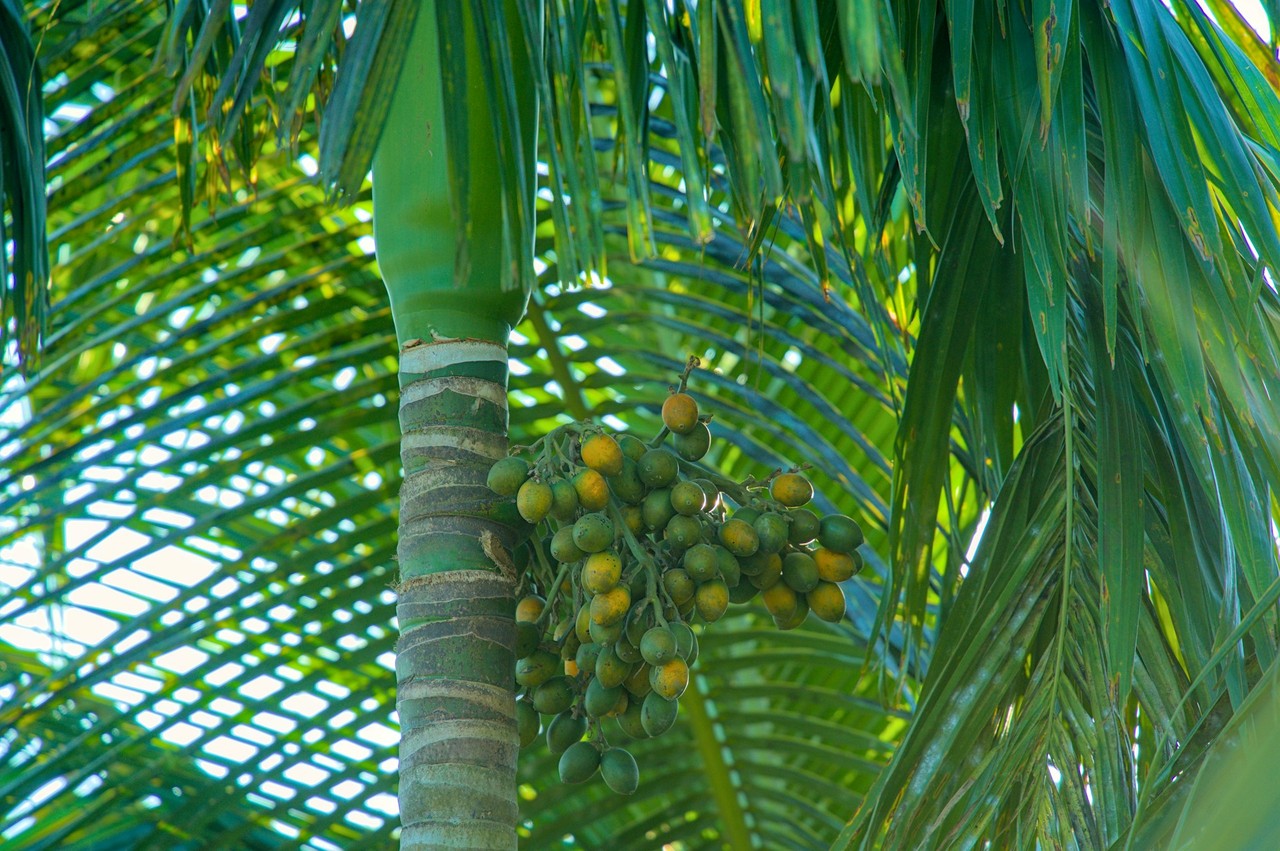
The areca palm plant is a popular ornamental palm widely grown for its elegant appearance, lush green foliage, and adaptability to indoor and outdoor environments. Scientifically known as Dypsis lutescens, the areca palm belongs to the Arecaceae family and is native to Madagascar. It is commonly cultivated as an indoor plant, landscape palm, and decorative feature in tropical and subtropical regions.
Classification
Areca palms are valued for their graceful, feathery fronds and clumping growth habit, which give them a soft and tropical appearance. Due to their moderate growth rate and ability to thrive in containers, areca palms are frequently used in homes, offices, hotels, and commercial spaces. Their resilience and visual appeal make them one of the most widely planted ornamental palms worldwide.
Quick Plant Information
| Attribute | Details |
|---|---|
| Common Names | Areca Palm, Golden Cane Palm |
| Scientific Name | Dypsis lutescens |
| Family | Arecaceae |
| Plant Type | Ornamental palm |
| Lifespan | Perennial |
| Native Region | Madagascar |
| Growth Habit | Clumping palm |
| Average Height | 2–6 meters (indoors usually shorter) |
| Leaf Characteristics | Pinnate, arching, green |
| Flower Color | Yellow |
| Sunlight Requirement | Bright indirect light |
| Water Requirement | Moderate |
| Soil Type | Well-drained loamy soil |
| Toxicity | Non-toxic |
Botanical Characteristics of the Areca Palm Plant
Growth Habit
The areca palm grows as a clump-forming palm, producing multiple slender stems from the base. Each stem resembles a bamboo-like cane and supports a crown of arching fronds. This growth habit gives the plant a full and dense appearance.
Height and Spread
- Average height ranges from 2 to 6 meters
- Indoor specimens are typically shorter
- Spread increases gradually as new stems develop
The plant’s upright and spreading form makes it suitable for larger indoor spaces.
Stems
- Slender, smooth stems
- Yellowish-green in color
- Ringed with leaf scars
The stems add to the plant’s decorative value and structural elegance.
Leaves
- Long, pinnate fronds
- Composed of numerous narrow leaflets
- Bright green and arching
- Flexible and lightweight
The foliage creates a soft, feathery look that is highly ornamental.
Flowers
- Small, yellow flowers
- Produced on branched inflorescences
- Typically appear in mature outdoor plants
Flowering is less common in indoor-grown areca palms.
Root System
- Fibrous root system
- Moderately shallow
- Sensitive to waterlogging
Proper drainage is essential for healthy root development.
Native Habitat and Distribution
The areca palm is native to Madagascar, where it grows in warm, humid environments. In its natural habitat, it thrives in well-drained soils with consistent moisture and filtered sunlight.
Today, areca palms are cultivated extensively in:
- Tropical regions
- Subtropical climates
- Indoor environments worldwide
Climate Requirements
- Warm temperatures preferred
- Ideal range: 18°C–30°C
- Sensitive to frost
Soil Requirements
- Well-drained soil
- Rich in organic matter
- Slightly acidic to neutral pH
Uses and Importance of the Areca Palm Plant
Ornamental Uses
Areca palms are widely used for:
- Indoor decoration
- Landscaping in gardens and courtyards
- Creating natural screens and borders
Their soft foliage enhances both residential and commercial spaces.
Indoor Environment Uses
Areca palms are popular in:
- Homes and apartments
- Offices and corporate spaces
- Hotels and indoor atriums
Their upright form and dense foliage make them ideal for large interiors.
Landscaping Uses
In outdoor landscapes, areca palms are used for:
- Tropical garden designs
- Privacy hedges
- Accent planting
They blend well with other tropical plants and palms.
How to Grow Areca Palm Plant
Propagation Methods
Areca palms are propagated through:
- Seed propagation
- Division of clumps (limited use)
Seed propagation is the most common method for commercial cultivation.
Planting Location
- Bright indoor areas with indirect sunlight
- Outdoor locations with filtered light
- Protection from strong winds
Sunlight Requirement
- Prefers bright indirect light
- Tolerates partial shade
- Direct sunlight may scorch leaves
Planting Areca Palm
Best Time to Plant
- Spring or early summer
- Warm conditions support root growth
Planting Steps
- Choose a container or planting site with good drainage
- Use a well-draining soil mix
- Plant at appropriate depth
- Water thoroughly after planting
Care and Maintenance of Areca Palm Plant
Watering
- Water when topsoil feels slightly dry
- Avoid overwatering
- Maintain consistent moisture
Fertilization
- Light feeding during active growth
- Balanced fertilizer recommended
- Avoid excess fertilization
Pruning
- Remove yellow or damaged fronds
- Avoid excessive pruning
- Clean cuts prevent stress
Repotting
- Repot every 2–3 years
- Use a slightly larger container
- Refresh soil during repotting
Common Problems and Issues
Areca palms may experience:
- Yellowing leaves due to overwatering
- Brown tips from low humidity
- Slow growth in low light
Most issues can be resolved by adjusting care conditions.
Recommended Products
Disclosure: As an Amazon Associate, PlantsInfo may earn from qualifying purchases.
🌱 Plant Care Essentials
The following tools can help with pruning, plant health, soil management, and fruit garden maintenance.

Neem Oil for Plant Care
Natural plant protection against aphids, whiteflies, mites, and other common garden pests.

Fungicide for Root Care
Helps suppress soil-borne fungal diseases and supports healthier root systems.

Spray Bottle for Plants
Ideal for applying foliar sprays, neem oil solutions, and liquid plant treatments.

Rubber Hand Gloves
Protects hands during pruning, planting, soil preparation, and garden maintenance.
Growth Cycle and Lifespan
Areca palms are long-lived perennials that can thrive for many years. With consistent care and suitable growing conditions, they maintain healthy foliage and steady growth.
Environmental Benefits
- Enhances indoor aesthetics
- Suitable for sustainable indoor landscaping
- Adds greenery to living spaces
Conclusion
The areca palm plant (Dypsis lutescens) is an elegant and adaptable ornamental palm valued for its feathery foliage and clumping growth habit. Its suitability for indoor and outdoor cultivation, combined with its moderate care requirements, makes it a popular choice for homes, offices, and landscapes. With proper light, well-drained soil, and regular maintenance, areca palms can thrive and remain attractive for many years.
Frequently Asked Questions (FAQs) About Areca Palm Plant
Is the areca palm suitable for indoor growing?
Yes, the areca palm is well suited for indoor environments and is commonly grown in homes, offices, and commercial spaces with bright indirect light.
Is the areca palm a tree or a shrub?
The areca palm is a clumping palm, not a shrub. It grows multiple slender stems from the base, giving it a bushy appearance.
How much sunlight does an areca palm need?
Areca palms prefer bright indirect light. They can tolerate partial shade, but prolonged direct sunlight may damage the leaves.
How often should an areca palm be watered?
Areca palms should be watered when the top layer of soil begins to dry. Overwatering should be avoided to prevent root problems.
Can areca palms be grown in pots?
Yes, areca palms grow well in pots and containers, making them ideal for indoor cultivation.
Why are the tips of my areca palm leaves turning brown?
Brown leaf tips are commonly caused by low humidity, underwatering, or mineral buildup in the soil or water.
Does the areca palm need regular pruning?
Only minimal pruning is required. Removing dry or yellow fronds helps maintain the plant’s appearance and health.
Is the areca palm toxic to pets or humans?
No, the areca palm is non-toxic and considered safe for pets and humans.
How fast does an areca palm grow?
Areca palms have a moderate growth rate, growing steadily under suitable light, temperature, and care conditions.
How long can an areca palm live?
With proper care, areca palms can live for many years, making them long-lasting indoor and ornamental plants.
Plants Info is a structured plant knowledge platform where you can explore detailed plant information, growing guides, and care tips for indoor, ornamental, and tropical plants. Visit the Plants Info homepage to discover well-researched plant database entries designed for plant enthusiasts and home gardeners.