Complete Jasmine Plant (Jasminum spp.) Guides
Problems & Diseases
Flowering Season
Introduction
Jasminum spp., commonly known as jasmine plants, are among the world’s most culturally significant fragrant ornamentals, recognised especially for their intensely scented white or yellow flowers and their major importance in perfumery, ornamental horticulture, and traditional medicine. They belong to the family Oleaceae and are native primarily to tropical and subtropical regions of Asia, Africa, Europe, and Australasia. According to Kew Science Plants of the World Online (source class: Kew POWO), the genus contains approximately 200 accepted species.
Classification
- Plant Type
- Shrub
- Lifecycle
- Perennial
- Leaf Habit
- Evergreen
- Native Region
- Africa, Asia, Australia & Oceania, Mediterranean Basin
- Plant Family
- Oleaceae
Ecologically, jasmines function as shrubs, climbers, or scandent woody plants in forest margins, scrublands, dry deciduous systems, and montane subtropical habitats. Many species are adapted for insect pollination through strong nocturnal or evening fragrance release, especially attracting moths and bees. Their persistent woody framework, combined with prolonged flowering, distinguishes them from many short-lived ornamental flowering shrubs, while evergreen or semi-evergreen foliage improves habitat continuity for small pollinators and associated fauna.
Human association with jasmine extends from ancient South Asian temple gardens and Persian perfumery traditions to global commercial flower farming and essential oil production. Species such as Jasminum sambac and Jasminum grandiflorum are deeply embedded in ritual, fragrance industries, and household cultivation. While cultivated jasmine is globally secure, some wild species face habitat decline and taxonomic underdocumentation. This profile examines jasmine through taxonomy, ecology, chemistry, cultivation systems, and conservation across both wild and cultivated contexts.
Quick Plant Information
| Field | Value |
|---|---|
| Accepted Scientific Name | Jasminum spp. |
| Primary Common Name | Jasmine Plant |
| Plant Type | Woody ornamental flowering shrub or climber |
| Life Cycle | Perennial |
| Growth Habit | Shrub, scandent shrub, or climbing vine depending on species |
| Mature Size | 0.5–6 m tall (1.6–20 ft), depending on species and cultivar |
| Growth Rate | Moderate to fast |
| Flowering Season | Spring to autumn; year-round in tropical climates for some species |
| Fruiting Season | Summer to autumn depending on species |
| Light Requirement | Full sun to partial shade |
| Water Requirement | Moderate |
| Soil Preference | Well-drained loam to sandy loam, slightly acidic to neutral |
| Temperature Tolerance | Best in warm subtropical to tropical climates; commonly 10–35°C (50–95°F) depending on species |
| Pollination Type | Primarily insect pollinated |
| Self-Fertility Status | Variable; many species benefit from cross-pollination |
| Primary Propagation Method | Stem cuttings and layering |
| Typical Yield Class | Moderate to high floral yield depending on cultivated species |
| Primary Use Categories | Ornamental horticulture, perfumery, traditional medicine, cut flowers, tea scenting |
| Toxicity Status | Generally low toxicity; some species may cause mild gastrointestinal upset if ingested in quantity |
| Conservation Concern | Variable by species; cultivated taxa secure, some wild species locally threatened |
| Cultivation Difficulty Level | Easy to moderate |
Classification and Taxonomy
| Field | Value | Notes |
|---|---|---|
| Accepted Scientific Name | Jasminum L. | Genus-level profile covering multiple species |
| Known Synonyms | Historical sectional names and regional horticultural names vary by species | No single universal synonym for genus-wide treatment |
| Taxonomic Authority Source | Kew Science Plants of the World Online | Source class: Kew POWO |
| Assessment Date | 2026-04-28 | Current editorial verification |
| Kingdom | Plantae | |
| Division | Tracheophyta | Vascular plants |
| Class | Magnoliopsida | Broadleaf flowering plants |
| Order | Lamiales | |
| Family | Oleaceae | Olive family |
| Subfamily | Not applicable in standard practical treatment | State varies by classification system |
| Genus | Jasminum | |
| Species | Multiple species (spp.) | Genus profile rather than single-species treatment |
| Native Origin | Asia, Africa, Europe, and Australasia, strongest diversity in South and Southeast Asia | |
| IUCN Status | Variable by species; genus not assessed as a whole |
Related Species of Significance
| Species | Common Name | Distinguishing Feature | Economic or Ecological Significance |
|---|---|---|---|
| Jasminum sambac | Arabian jasmine | Highly fragrant white flowers; often double-flowered cultivars | Major perfume crop, tea scenting, religious and cultural importance |
| Jasminum grandiflorum | Spanish jasmine | Large star-shaped white to pinkish flowers | Important essential oil and perfumery species |
| Jasminum officinale | Common jasmine | Vigorous climbing habit and strong fragrance | Major ornamental and perfume history in Europe and West Asia |
| Jasminum auriculatum | Juhi jasmine | Small intensely fragrant white flowers | Traditional garland flower and medicinal importance in South Asia |
| Jasminum nudiflorum | Winter jasmine | Yellow mostly unscented winter flowers | Major ornamental landscape species for temperate climates |
Taxonomic Context
Jasminum is one of the largest genera within Oleaceae and includes both strongly fragrant commercial species and visually ornamental but weakly scented species. Confusion is common in trade where “jasmine” is applied to unrelated plants such as star jasmine (Trachelospermum jasminoides) and night-blooming jasmine (Cestrum nocturnum), neither of which belongs to Jasminum. Within the true genus, J. sambac, J. grandiflorum, and J. officinale are frequently mislabelled in horticultural commerce. Stable nomenclature is important because perfume sourcing, medicinal use, and export certification depend heavily on correct species identity rather than common-name similarity.
Cytogenetics
| Parameter | Value | Notes |
|---|---|---|
| Chromosome Number | Commonly 2n = 26 | Typical diploid count for many species |
| Ploidy Level | Primarily diploid; polyploid forms documented in cultivated lines | Some ornamental selections show variation |
| Genome Size | Moderate; species-dependent variation documented | Less extensively mapped than major crop genera |
| Cytotype Variation | Interspecific chromosome variation documented | Important for hybridisation and breeding compatibility |
Cytogenetic Note
Jasmine cytogenetics are important because commercial fragrance species and ornamental cultivars often involve interspecific breeding and selection for flower size, scent intensity, and flowering duration. Chromosome compatibility affects hybrid fertility, propagation success, and chemical consistency in essential oil production. Polyploid variation can also influence floral morphology and growth vigour. Because many cultivated jasmines are clonally propagated, cytotype stability has practical value for maintaining cultivar identity and fragrance quality.
Scientific Stability and Nomenclature
The accepted name Jasminum L. remains nomenclaturally stable and is universally recognised across horticultural, botanical, and commercial literature, with authority traced to Carl Linnaeus in 1753 in Species Plantarum. The genus itself has remained stable, but internal sectional classification and species boundaries have undergone repeated revision, particularly following molecular phylogenetic work in the early 2000s that clarified relationships within Oleaceae and re-evaluated species placement across Asian and African taxa. These revisions refined infrageneric structure rather than replacing the genus name itself.
The most significant practical instability occurs at species level, especially around Jasminum sambac, J. grandiflorum, and horticultural hybrids sold under simplified trade names such as “Arabian jasmine” or “Royal jasmine.” In commercial floriculture and perfume sourcing, names are often applied based on fragrance profile or market familiarity rather than strict taxonomy. This creates complications in literature searches, medicinal standardisation, export certification, and essential oil authenticity testing.
Scientific publications increasingly follow Kew POWO and updated regional floras for accepted names, while horticultural trade frequently preserves older or simplified usage. Researchers, buyers, and formulators must therefore confirm whether a name refers to a true botanical species, a cultivar group, or a commercially renamed hybrid.
Synonymy
| Accepted Name (Current Authority) | Synonyms Commonly Encountered | Context Where Synonym Persists |
|---|---|---|
| Jasminum L. | Broad generic use of “jasmine” for unrelated ornamental plants | General horticultural trade and non-specialist retail |
| Jasminum sambac (L.) Aiton | Arabian jasmine, Mogra, Maid of Orleans group | Perfume trade, floriculture, and household gardening |
| Jasminum grandiflorum L. | Royal jasmine, Spanish jasmine | Essential oil industry and export documentation |
Recommended Products
Disclosure: As an Amazon Associate, PlantsInfo may earn from qualifying purchases.
🌱 Plant Care Essentials
The following tools can help with pruning, plant health, soil management, and fruit garden maintenance.

Neem Oil for Plant Care
Natural plant protection against aphids, whiteflies, mites, and other common garden pests.

Fungicide for Root Care
Helps suppress soil-borne fungal diseases and supports healthier root systems.

Spray Bottle for Plants
Ideal for applying foliar sprays, neem oil solutions, and liquid plant treatments.

Rubber Hand Gloves
Protects hands during pruning, planting, soil preparation, and garden maintenance.
Growth Habit and Architecture
Jasminum species are perennial woody plants expressed as shrubs, scandent shrubs, or climbing vines depending on species and habitat. Their overall architecture is defined by slender flexible stems, repeated branching, and prolonged seasonal flowering rather than heavy structural wood. Many species form dense rounded shrubs, while others climb by scrambling and support-seeking rather than true tendrils. The combination of glossy opposite leaves, fine branching, and clusters of highly fragrant star-shaped flowers gives jasmine its distinctive ornamental identity. Functionally, the architecture prioritizes repeated floral production, light canopy penetration, and strong regeneration after pruning or seasonal stress.
| Parameter | Value | Notes |
|---|---|---|
| Life form | Perennial woody shrub or climber | Evergreen to semi-evergreen depending on species |
| Mature height | 0.5–6 m (1.6–20 ft) | Strong variation by species and cultivar |
| Canopy spread | 0.6–4 m (2–13 ft) | Determined by species and pruning system |
| Stem type | Slender woody stems; erect, arching, or climbing | Some species strongly scandent |
| Bark or surface texture | Smooth to slightly rough; green when young, grey-brown with age | Older stems become firmer and woody |
| Branching pattern | Opposite branching with dense lateral shoot production | Supports repeated flowering |
| Root system overview | Fibrous to moderately woody root system with lateral spread commonly reaching 30–90 cm (12–35 in) depth | Morphology only; soil biology excluded |
| Growth rate | Moderate to fast | Especially vigorous in warm climates |
| Longevity | Multi-year perennial; often decades under managed cultivation | Long-lived in ornamental landscapes |
| Distinguishing architectural feature | Repeated flowering on slender woody framework with highly fragrant clustered blooms | Key ornamental identity of genus |
Leaves
Jasmine leaves are true leaves and are structurally important for both ornamental value and continuous flowering support. Most species produce glossy green opposite leaves that may be simple, trifoliate, or pinnate depending on taxon. Their smooth surface, moderate thickness, and persistent canopy allow extended photosynthetic activity across warm seasons. Because flowering is often prolonged, foliage quality strongly influences both floral production and commercial appearance in ornamental and cut-flower systems.
| Parameter | Value | Notes |
|---|---|---|
| Presence | Present and prominent | Persistent foliage in most cultivated species |
| Leaf type | Simple, trifoliate, or pinnate depending on species | Species-dependent diagnostic feature |
| Size | 2–10 cm long (0.8–4 in), sometimes larger in vigorous climbers | Variable across species |
| Colour | Medium to deep green | Often glossy |
| Arrangement | Opposite, sometimes whorled in some taxa | Important taxonomic character |
| Special features | Smooth glabrous surface, aromatic tissues in some species, leathery texture in evergreen taxa | Supports drought tolerance and ornamental quality |
Flowers
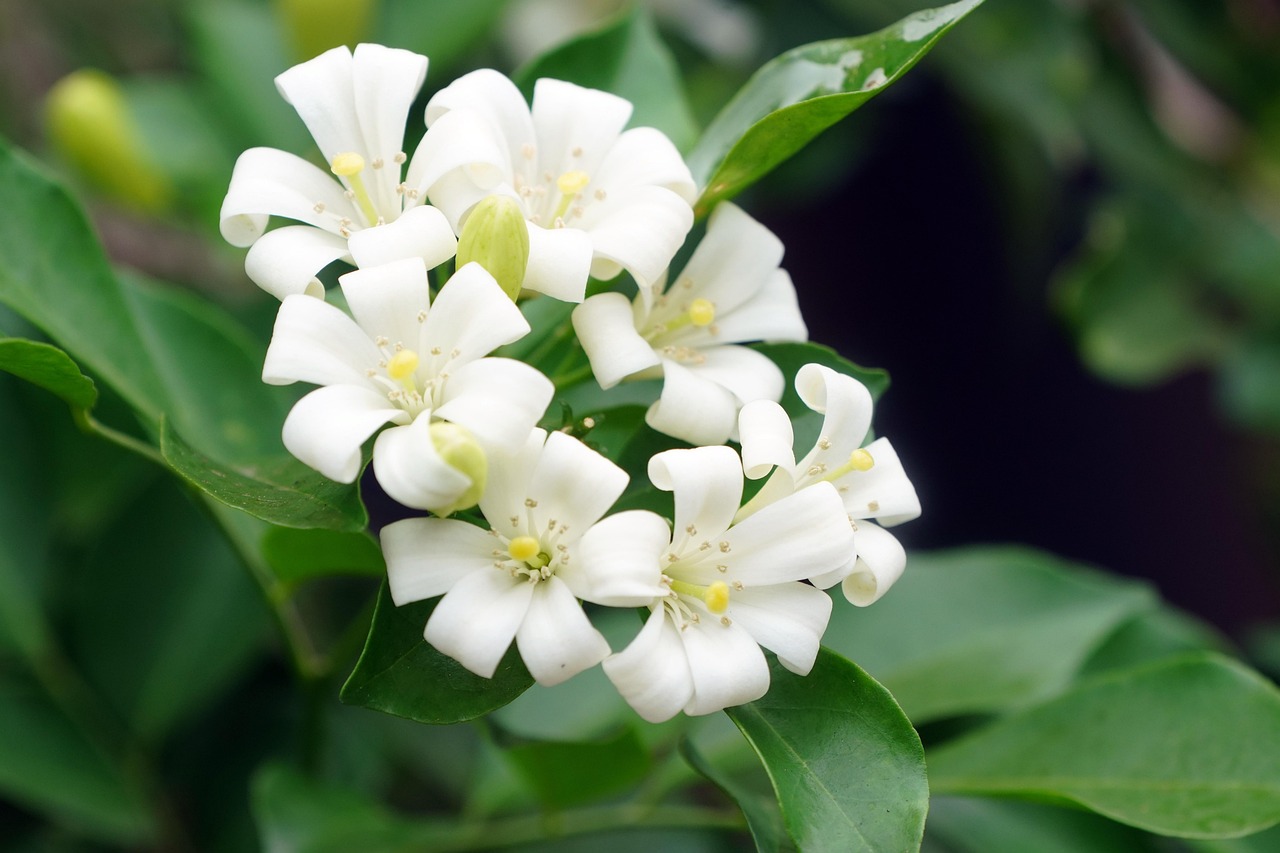
The flower is the defining feature of Jasminum, combining strong fragrance with high ornamental and commercial value. Most species produce white, cream, or yellow star-shaped flowers with narrow lobes and a tubular corolla that concentrates scent release, especially during evening and night hours. This fragrance strategy improves pollinator attraction, particularly for moths and bees, while also making jasmine one of the world’s most important perfume plants. Unlike many ornamental shrubs valued mainly for colour, jasmine is primarily recognised through scent, floral abundance, and prolonged blooming cycles.
| Floral Attribute | Description |
|---|---|
| Inflorescence type | Cymes, clusters, or solitary terminal/axillary flowers |
| Flower diameter | Commonly 1–5 cm (0.4–2 in) depending on species |
| Flower length | Approximately 1–4 cm (0.4–1.6 in) |
| Outer tepals or sepals | Small green calyx with 5–8 sepals, often narrow |
| Inner tepals or petals | Corolla usually 5–9 lobed, white, cream, yellow, or rarely pinkish |
| Stamens | Usually 2 stamens enclosed within corolla tube |
| Pistil | Single superior ovary with slender style and bifid stigma |
| Fragrance | Strong to intensely fragrant in many species; some species lightly scented or nearly scentless |
| Anthesis period | Spring to autumn; extended year-round flowering in tropical climates |
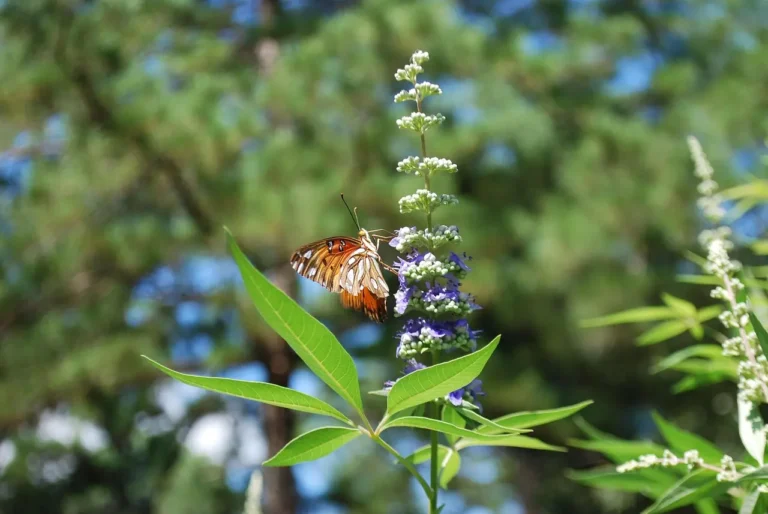
| Primary pollinators | Bees, hawkmoths, butterflies |
Fruit
| Fruit Characteristic | Description |
|---|---|
| Fruit type | Berry |
| Shape | Globose to ellipsoid |
| Length | 0.5–2 cm (0.2–0.8 in) |
| Diameter | 0.5–1.5 cm (0.2–0.6 in) |
| Weight | Very light; usually less than 5 g per fruit |
| Skin colour | Green when immature, turning black, purple-black, or dark red at maturity depending on species |
| Surface features | Smooth, glossy outer surface |
| Flesh colour | Pale internal pulp surrounding seeds |
| Flesh texture | Soft to fleshy |
| Seed count | Commonly 1–2 seeds, occasionally more depending on species |
| Sugar content | Not consistently documented in ornamental species; not commercially relevant |
| Maturation period | Summer to autumn following flowering |
Seeds
| Seed Characteristic | Description |
|---|---|
| Size | 4–10 mm (0.16–0.39 in) |
| Shape | Rounded to ovoid |
| Colour | Brown to dark brown |
| Seed coat | Firm, smooth protective testa |
| Oil content | Low to moderate; not commercially significant |
| Viability period | Commonly 1–2 years under cool dry storage |
| Germination rate | Variable; often 40–80% depending on species and freshness |
Root System
Jasmine develops a fibrous to moderately woody root system designed for repeated vegetative recovery and long-term flowering rather than deep structural anchorage. Most roots occupy the upper 30–90 cm (12–35 in) of soil, with lateral spread often exceeding canopy width in mature shrubs. Climbing species may show broader lateral exploration where support structures and irrigation patterns encourage expansion. The system performs best in well-drained soils and is highly sensitive to prolonged waterlogging, which quickly reduces root respiration and flowering quality. Commercially, this architecture supports pruning tolerance and container culture, while in wild habitats it allows persistence across forest margins, scrublands, and seasonal dry landscapes.
Field Identification
In the field, jasmine is recognised by its slender woody stems, opposite glossy green leaves, and clusters of highly fragrant star-shaped flowers, most commonly white though some species are yellow. Shrubby and climbing forms both occur, but the floral scent is often the first identifying feature before visual confirmation. Jasmine is frequently confused with Trachelospermum jasminoides (star jasmine), which is not a true jasmine and belongs to a different family. The single most reliable distinguishing feature is floral structure: true Jasminum species usually have only two stamens inside the corolla tube, while star jasmine has a different floral morphology and milky latex when cut. For cultivar-level recognition, see Jasmine Plant: Varieties and Cultivars.
Normal vs. Concerning Observations
| Observation | Status | Explanation |
|---|---|---|
| Seasonal reduction in flowering after heavy blooming flush | Normal | Temporary recovery period is common after major bloom cycles |
| Light yellowing of older lower leaves | Normal | Natural leaf turnover in perennial shrubs |
| Mild leaf drop during cool dry season | Monitor | Often seasonal but should be observed if excessive |
| Reduced flowering with otherwise healthy foliage | Monitor | May reflect maturity, light limitation, or seasonal variation |
| Soft stem base with dark discoloration | Investigate | Suggests root-zone or stem-base decline |
| Distorted flower buds and irregular new growth | Investigate | May indicate physiological stress, pest pressure, or viral issue |
| Sudden widespread wilting despite moist soil | Investigate | May signal serious root dysfunction rather than simple drought |
Cultivar Summary
| Cultivar | Key Characteristic | Commercial Status | Origin |
|---|---|---|---|
| ‘Maid of Orleans’ | Highly fragrant single white flowers of J. sambac | Commercially dominant | South Asia / Southeast Asia |
| ‘Grand Duke of Tuscany’ | Double layered rosette-like flowers of J. sambac | Commercially dominant | Historical Persian–Indian cultivation |
| ‘Belle of India’ | Elongated double flowers with strong fragrance | Regionally significant | India |
| ‘Revolution’ | Vigorous flowering selection of J. grandiflorum | Regionally significant | Commercial horticulture |
| ‘Mystique’ | Strong ornamental climbing form with extended bloom period | Experimental | Modern nursery selection |
Functional Traits
Jasminum species are perennial woody flowering plants whose physiology is built around repeated floral production, scent-based pollination, and persistence across warm seasonal climates. Most species function as C3 shrubs or climbers that maintain long-lived woody frameworks while investing heavily in sequential flowering flushes. Their metabolic strategy depends on efficient leaf persistence, moderate drought tolerance, and strong regeneration after pruning or seasonal stress. Fragrance chemistry, pollinator attraction, and vegetative resilience operate together, making jasmine a plant where reproductive success is closely linked to both structural longevity and secondary metabolite production.
| Trait | Mechanism Description | Adaptive Significance |
|---|---|---|
| Photosynthetic pathway | C3 photosynthesis with daytime stomatal opening and direct carbon fixation through the Calvin cycle under warm-season light availability | Efficient carbon gain in subtropical and tropical climates but reduced performance under prolonged drought stress |
| Water use strategy | Moderate water-use efficiency supported by semi-evergreen foliage, controlled stomatal regulation, and partial drought-induced flowering slowdown rather than full dormancy | Allows survival across seasonal dry periods without complete canopy loss |
| Nutrient acquisition | Fibrous lateral roots rapidly absorb soluble nutrients from upper soil layers while woody persistence supports repeated seasonal nutrient cycling | Supports continuous flowering and vegetative recovery |
| Growth form strategy | Woody shrub or climbing framework persists for many years while new flowering shoots emerge seasonally from lateral branching points | Separates long-term structure from short-term floral productivity |
| Reproductive strategy | Sexual reproduction through insect-pollinated flowers combined with strong vegetative propagation through cuttings and layering | Balances genetic diversity with reliable clonal commercial propagation |
| Dispersal mechanism | Fleshy berries attract birds and local fauna, while cultivated spread depends primarily on human vegetative movement | Supports local ecological spread and strong horticultural distribution |
| Stress response mechanism | Heat and drought reduce flowering intensity and induce partial leaf shedding while preserving woody framework and root activity | Prevents complete physiological collapse during adverse seasons |
| Chemical defence | Leaves, stems, and flowers produce iridoids, phenolics, and volatile aromatic compounds that deter herbivory and microbial attack while supporting floral signaling | Protects reproductive tissues and improves pollinator targeting |
| Species-specific trait | Strong nocturnal fragrance release through volatile benzenoid and terpene emission peaks during evening anthesis | Maximizes pollinator attraction, especially moth visitation, during low-light periods |
Physiological Integration
Jasmine physiology depends on the interaction between woody persistence, moderate drought tolerance, and fragrance-based reproduction. Because the plant does not enter deep dormancy like bulbous ornamentals, the water-use strategy must protect active stems and foliage during seasonal stress while still supporting repeated flowering cycles. This directly reinforces chemical defence: volatile oils and phenolic compounds protect flowers and young shoots that remain exposed during warm seasons, while also functioning as scent signals for pollinators. Reproductive success is strongly constrained by stress response. Under drought or heat pressure, flowering intensity declines first, preserving root and stem function before reproductive investment resumes. Vegetative propagation further stabilizes this system by allowing reliable persistence even when seed production is temporarily reduced by pollinator limitation or climatic stress.
Phytochemistry
The phytochemistry of Jasminum is dominated by volatile aromatic compounds, phenolics, flavonoids, secoiridoids, and triterpenes, reflecting its dual importance in perfumery and traditional medicine. Within Oleaceae, jasmine is especially notable for floral fragrance chemistry rather than alkaloid dominance, with species such as Jasminum sambac and J. grandiflorum widely studied for essential oil composition. Peer-reviewed phytochemical and perfumery literature (source class: peer-reviewed review) identifies benzyl acetate, linalool, indole, and jasmonate-associated volatiles as major commercial markers, while leaves and roots contribute additional medicinally relevant phenolic and iridoid compounds.
| Compound Class | Representative Compounds | Primary Location | Ecological or Biological Function |
|---|---|---|---|
| Volatile aromatic esters | Benzyl acetate, benzyl benzoate | Flowers | Floral scent production and pollinator attraction |
| Monoterpenes and terpenoids | Linalool, α-terpineol, nerol | Flowers and leaves | Aroma profile, antimicrobial activity, defence signaling |
| Indolic aroma compounds | Indole, methyl anthranilate | Flowers | Nocturnal fragrance complexity and moth attraction |
| Flavonoids | Quercetin, rutin, kaempferol derivatives | Leaves and flowers | Antioxidant defence, UV protection, pigment support |
| Secoiridoids and iridoid glycosides | Oleuropein-related compounds, jasmoside | Leaves and roots | Herbivore defence and medicinal bioactivity |
| Triterpenes and sterols | Oleanolic acid, ursolic acid, β-sitosterol | Leaves, stems, roots | Structural defence and anti-inflammatory pharmacological relevance |
Phytochemical Organ Distribution
| Organ | Compound Class | Representative Compounds | Concentration | Source |
|---|---|---|---|---|
| Flower petals | Volatile aromatic esters | Benzyl acetate, benzyl benzoate | High | Peer-reviewed perfumery chemistry literature |
| Flower petals | Monoterpenes | Linalool, nerol | High | Peer-reviewed essential oil studies |
| Flowers | Indolic aroma compounds | Indole, methyl anthranilate | Moderate to high; species-dependent | Peer-reviewed floral scent studies |
| Leaves | Flavonoids | Quercetin, rutin | Moderate | Peer-reviewed phytochemical review |
| Leaves | Secoiridoids | Oleuropein-related compounds | Moderate | Peer-reviewed Oleaceae chemistry literature |
| Roots | Triterpenes | Oleanolic acid, ursolic acid | Moderate | Peer-reviewed medicinal plant chemistry studies |
| Stems and leaves | Sterols | β-sitosterol | Low to moderate | Peer-reviewed pharmacognosy literature |
Phytochemical Significance
The most commercially significant phytochemicals in jasmine are floral volatile esters, terpenoids, and indolic aroma compounds because they define perfume quality, essential oil pricing, and cultivar selection. Benzyl acetate, linalool, and indole are especially important in Jasminum sambac and J. grandiflorum, where fragrance composition determines international perfumery value. Medicinally, flavonoids, iridoids, and triterpenes are more important than floral scent compounds, supporting antioxidant, anti-inflammatory, and traditional therapeutic interpretations documented in peer-reviewed pharmacological literature (source class: peer-reviewed review).
Characterisation is strongest for flowers, making jasmine phytochemistry heavily flower-dominated, while root and stem chemistry remains less comprehensively resolved. There is also strong geographic concentration bias toward South Asia, Egypt, and Mediterranean perfumery systems, where essential oil industries drive research intensity. Synergistically, volatile compounds support pollination while phenolics and iridoids reinforce defence and medicinal relevance. Commercial understanding is therefore strongest where ornamental fragrance and pharmacological value overlap. For therapeutic interpretation, essential oil applications, and traditional medicinal relevance, see Benefits and Uses of Jasmine Plant.
Evidence Hierarchy for Medicinal Use
| Evidence Layer | Status | Notes |
|---|---|---|
| Traditional Use | Documented | Strong use history in Ayurveda, Unani, Siddha, Persian household medicine, and Chinese traditional herbal systems for calming, skin care, reproductive wellness, and aromatic therapeutic use |
| Nutritional Evidence | Partial | Flowers are used for tea scenting and limited culinary flavouring, but jasmine is not a primary nutritional food crop with major dietary contribution |
| In Vitro Studies | Documented | Essential oils, flavonoids, and iridoids show antimicrobial, antioxidant, anti-inflammatory, and mild anxiolytic relevance in laboratory studies |
| Animal Studies | Partial | Some animal-model studies support sedative, anti-inflammatory, and wound-related pharmacological potential, but species and extract consistency vary |
| Human Clinical Studies | Partial | Small human studies exist mainly for aromatherapy, stress reduction, and mood response rather than formal therapeutic clinical treatment |
| Regulatory Recognition | Partial | Recognised in traditional medicine systems and fragrance industries, but no major WHO monograph standardised across the whole genus |
| Unsupported Commercial Claims | Documented | Broad online claims for hormonal balance, guaranteed fertility support, detoxification, and major psychiatric treatment exceed current clinical evidence |
Evidence Assessment
The evidence hierarchy shows that jasmine has strong traditional and phytochemical support, but clinical validation remains much narrower than commercial wellness marketing suggests. The best-supported applications involve fragrance-based calming effects, aromatherapy relevance, and mild topical traditional use rather than strong systemic therapeutic outcomes. Antimicrobial and antioxidant findings are well documented in vitro, but these do not automatically translate into proven human treatment outcomes. Commercial claims around fertility enhancement, hormonal correction, and major mood disorder treatment are highly visible yet weakly substantiated clinically. For applied medicinal interpretation and evidence-based use boundaries, see Benefits and Uses of Jasmine Plant.
Nutritional Composition
No verified global food composition reference identified.
Nutritional Significance Note
Jasmine is not nutritionally important in the same way as edible leafy vegetables or fruits because its primary use is aromatic rather than caloric. Most consumption occurs through tea scenting, fresh floral garnish, or limited traditional preparations rather than bulk dietary intake. This means nutritional contribution is generally minor even when trace minerals and vitamin C are present. Values vary strongly depending on whether flowers are fresh, dried, or used only for scent transfer in tea processing. Most available data come from regional studies rather than standardised global food composition databases, making direct nutritional comparison limited.
Soil Ecology and Mycorrhizal Associations
Jasminum species commonly associate with arbuscular mycorrhizal fungi, especially genera such as Glomus, Rhizophagus, and Acaulospora (source class: peer-reviewed horticultural and medicinal plant studies), which improve phosphorus uptake, drought buffering, and flowering consistency in nutrient-variable soils. Rhizosphere bacterial communities frequently include Pseudomonas, Bacillus, and Azospirillum, supporting nutrient cycling, mild pathogen suppression, and root-zone stability around long-lived perennial shrubs. Some studies on jasmine leaf litter and root-zone residues suggest mild allelopathic influence through phenolic compounds and flavonoid leachates, particularly affecting germination of small annual weeds near dense ornamental plantings, though evidence remains moderate rather than definitive. Mycorrhizal inoculation can improve transplant establishment and flower productivity, especially in low-input ornamental systems and degraded soils. Heavy synthetic fertiliser use may reduce dependence on fungal symbiosis by suppressing colonisation intensity. This has practical importance for organic flower production, perfume-crop cultivation, and restoration of native jasmine populations where soil biological recovery is necessary.
Toxicity and Safety
| Subject | Toxic Compounds | Clinical Effects | Source |
|---|---|---|---|
| Humans | No major toxic compounds documented in normal horticultural use; essential oils and concentrated extracts may cause irritation in sensitive individuals | Mild gastrointestinal upset if large quantities are ingested; skin irritation possible from concentrated oil or prolonged topical exposure | Peer-reviewed pharmacognosy literature and poison reference databases (source class: peer-reviewed review) |
| Cats | Essential oil concentrates may cause gastrointestinal irritation if ingested; fresh plant toxicity generally low | Vomiting, drooling, mild digestive upset if large quantities consumed; essential oil exposure more relevant than foliage | ASPCA-related veterinary toxicology references (source class: veterinary database) |
| Dogs | Essential oil concentrates and excessive ingestion may cause digestive irritation | Mild vomiting, hypersalivation, gastrointestinal discomfort; serious toxicity uncommon in true Jasminum species | Veterinary poison reference databases (source class: veterinary literature) |
| Livestock | No major toxic compounds documented in available literature for routine incidental exposure | Low toxicity under normal exposure; excessive consumption not typical due to low forage value | Veterinary toxicology references (source class: veterinary literature) |
Toxicity Context
Jasmine safety is strongly dose-dependent and differs significantly between whole-plant ornamental exposure and concentrated essential oil use. Fresh flowers and household ornamental contact are generally low risk, while essential oils and concentrated extracts may cause skin irritation or digestive discomfort if misused. Pregnant individuals and people using fragrance-sensitive therapies should use concentrated extracts cautiously where peer-reviewed literature notes irritation or interaction concerns. Whole-plant use in traditional systems should not be assumed equivalent to essential oil pharmacology. This profile does not constitute medical or veterinary advice.
Native Range and Distribution
Biogeographic Context
Jasminum species are distributed primarily across tropical and subtropical Asia, Africa, southern Europe, and Australasia, with the strongest diversity concentrated in South and Southeast Asia where warm seasonal climates, monsoonal rainfall patterns, and forest-edge habitats favour evergreen or semi-evergreen woody flowering shrubs. Geological continuity between South Asia, the Himalayan foothills, and Southeast Asian subtropical zones supported broad radiation of climbing and shrubby species, while Mediterranean and African species adapted to drier seasonal systems. Human cultivation for fragrance, ritual use, and ornamental value expanded jasmine far beyond its original range. Habitat loss now affects some wild species through forest fragmentation, land conversion, and collection pressure, especially where local endemic taxa remain under-documented. Distribution literature is strongest from India, China, and Mediterranean horticultural sources.
Native Range
| Region | Countries or Sub-regions | Notes |
|---|---|---|
| South Asia | India, Nepal, Sri Lanka, Bangladesh, Bhutan | Major diversity centre and strongest concentration of cultivated fragrant species |
| Southeast Asia | Thailand, Vietnam, Malaysia, Indonesia, Philippines, Myanmar | Strong native diversity and major ornamental cultivation zone |
| East Asia | Southern China, Taiwan | Important native and cultivated range, especially for ornamental and medicinal species |
| Western Asia | Iran, Iraq, Arabian Peninsula margins | Historical perfumery and ornamental distribution zone |
| Africa | Eastern Africa, Ethiopia, Kenya, Tanzania, Madagascar, southern Africa for selected species | Native for multiple wild species and regional ornamentals |
| Southern Europe | Mediterranean Basin including Spain, Italy, Greece, Balkans | Native for species such as Jasminum officinale and related taxa |
| Australasia | Northern Australia and nearby island systems for selected species | Limited native representation compared with Asia |
Global Cultivation and Naturalisation
| Region | Countries or Areas | Cultivation Status | Notes |
|---|---|---|---|
| South Asia | India, Pakistan, Sri Lanka, Bangladesh | Commercially established | Major flower farming and garland production systems |
| Southeast Asia | Thailand, Vietnam, Indonesia, Philippines, Malaysia | Commercially established | Strong ritual, perfume, and tea scenting demand |
| Middle East | Iran, Saudi Arabia, United Arab Emirates, Oman | Commercially established | Cultural importance and strong fragrance market |
| Mediterranean Europe | Spain, Italy, Greece, France | Commercially established | Important for ornamental and essential oil production |
| North America | United States, Mexico | Emerging | Strong ornamental demand; winter cold limits some tropical species |
| East Asia | China, Japan, South Korea | Commercially established | Tea scenting and ornamental greenhouse systems significant |
| Oceania | Australia, New Zealand | Emerging | Warm regions suitable; frost-sensitive species restricted |
| Tropical Africa | Kenya, Tanzania, Nigeria | Emerging | Expanding ornamental and fragrance interest but limited industrial scale |
| Temperate Northern Europe | United Kingdom, Germany, Netherlands | Attempted — limited success | Greenhouse dependence and winter cold constrain outdoor perennial performance |
Cultivation Range Note
Commercially significant jasmine production is strongest in India, Egypt, China, and Mediterranean fragrance systems, with South Asia remaining the most important concentration for fresh flower harvest, garland industries, and traditional perfumery. Southeast Asia and the Middle East also maintain strong cultural and commercial demand, while North America and Oceania are more ornamental than industrial. Northern Europe has attempted cultivation mainly under protected systems with limited outdoor success due to frost sensitivity. Production literature is heavily concentrated in Indian horticultural sources, which creates a research visibility bias for South Asian systems. For regional cultivation methods and flowering management, see How to Grow Jasmine Plant.
Natural Habitat
Wild jasmine species occupy forest margins, subtropical scrublands, dry deciduous woodland edges, montane shrublands, hedgerows, and semi-open disturbed habitats where moderate sunlight and seasonal moisture support prolonged flowering. Elevation commonly ranges from sea level to approximately 2,500 m (8,202 ft), with some Himalayan and montane species occurring higher. Soils are usually well-drained loams, sandy loams, or rocky red soils with moderate organic matter and seasonal moisture availability. Associated vegetation includes small trees, mixed shrubs, climbers, grasses, and secondary woodland flora. Jasmine is generally a habitat generalist at genus level, though some endemic species are locally specialised. This flexibility improves cultivation success globally but means conservation concern is concentrated more strongly in narrow-range wild taxa.
Ecological Role
In native ecosystems, jasmine functions primarily as a pollinator-supporting woody flowering plant that provides nectar and fragrance cues across extended blooming periods, especially in warm climates where sequential flowering supports repeated insect visitation. Strong evening fragrance release makes many species particularly important for moth pollination networks, while bees and butterflies also use daytime flowers depending on species. Fruits are small fleshy berries dispersed mainly by birds, supporting local seed movement across forest margins and scrub habitats. Jasmine is not generally a keystone structural species, but in hedgerow and forest-edge systems it contributes continuity for pollinator pathways and small fauna shelter. Ecological understanding is strongest for floral visitation and horticultural pollination, while species-specific wild dispersal ecology remains less completely resolved outside a few commercially important taxa.
Ecological Role
| Role Type | Species or Agent Involved | Notes |
|---|---|---|
| Nocturnal pollination network | Hawkmoths (Sphingidae; species not consistently documented at species level) | Strong evening fragrance supports moth visitation |
| Daytime pollination network | Apis mellifera and solitary bees (Xylocopa spp.) | Major floral visitors in cultivated and semi-natural habitats |
| Secondary floral visitation | Butterflies (Pieridae and Nymphalidae; not consistently documented at species level) | Supplemental visitation depending on species and habitat |
| Seed dispersal | Small frugivorous birds (species variable by region) | Berries support local dispersal rather than long-distance spread |
Invasive Status
| Region | Status | Impact | Management |
|---|---|---|---|
| Parts of Australia | Localised naturalisation | Garden escape in warm regions; generally low competitive pressure | Monitoring only in sensitive native habitats |
| Southern United States | Occasional naturalisation | Persistence near ornamental plantings with limited invasive pressure | Usually managed passively without formal control |
| Pacific Islands | Localised naturalisation | Minor spread from ornamental cultivation in disturbed landscapes | Monitoring where island floras are sensitive |
Invasive Status Note
Jasmine species may naturalise outside cultivation in warm climates, especially where ornamental planting is extensive, but most true Jasminum species are not considered highly aggressive invasive plants. Escaped populations usually remain localised and associated with gardens, hedgerows, and disturbed habitats rather than causing major ecosystem displacement.
Optimal Climate Parameters
| Parameter | Optimal Range | Tolerance Range | Notes |
|---|---|---|---|
| Mean Annual Temperature | 18–28°C (64.4–82.4°F) | 10–35°C (50–95°F) | Reflects strongest flowering performance in subtropical to tropical systems |
| Daytime Temperature | 22–32°C (71.6–89.6°F) | 15–38°C (59–100.4°F) | Higher temperatures may reduce flower longevity |
| Nighttime Temperature | 15–22°C (59–71.6°F) | 8–28°C (46.4–82.4°F) | Warm nights support continuous growth in tropical species |
| Annual Rainfall | 800–1,500 mm (31.5–59.1 in) | 500–2,500 mm (19.7–98.4 in) | Strong flowering possible across broad rainfall range if drainage remains good |
| Dry Season Length | 1–4 months | 0–6 months | Mild dry season often improves flowering cycles in some cultivated systems |
| Relative Humidity | 50–75% | 35–90% | Very high humidity may increase foliar disease pressure |
| Solar Radiation | Moderate to high full sun, approximately 12–24 MJ/m²/day | 8–30 MJ/m²/day | Partial shade tolerated but strong flowering usually improves with better light |
Climate Interpretation
The most limiting climate parameters for global jasmine expansion are frost exposure, prolonged waterlogging, and low winter temperature rather than rainfall alone. Native-range jasmine species are centered in warm seasonal climates, but the cultivated range extends further through protected horticulture and cultivar selection. Tropical and subtropical regions remain the strongest production zones because flowering depends more on temperature stability and light availability than on strict rainfall totals. Temperate climates can support ornamental growth, but reliable commercial flowering declines sharply where winter cold interrupts perennial canopy persistence.
Stress Tolerance Profile
| Stress Type | Tolerance Level | Physiological Response | Notes |
|---|---|---|---|
| Drought | Moderate | Stomatal closure increases, flowering declines, and partial leaf shedding reduces transpiration while woody stems and roots remain active | Short dry seasons tolerated better than prolonged drought |
| Heat | Moderate to High | Respiration increases and flower longevity decreases, but active foliage remains functional if root moisture remains available | Tropical species show stronger tolerance than temperate species |
| Cold or Frost | Low to Moderate | Metabolic slowdown and leaf injury occur rapidly; repeated frost damages flowering shoots and may kill sensitive stems | Strong limitation outside warm climates |
| Salinity | Low to Moderate | Ion imbalance reduces nutrient uptake and leaf function, causing chlorosis and reduced flowering performance | Tolerance varies among cultivated species |
| Waterlogging | Low | Root oxygen deprivation rapidly reduces uptake efficiency and increases leaf yellowing and stem decline | One of the strongest cultivation constraints |
| Air Pollution | Moderate | Cuticular surfaces and ongoing leaf replacement reduce prolonged foliar damage, but flowering quality may decline under chronic exposure | Urban ornamental planting often still successful |
| Wind | Moderate | Transpiration increases and exposed flower tissues lose moisture rapidly, reducing bloom quality and shoot stability | Climbing forms especially affected |
| Soil Compaction | Low to Moderate | Reduced oxygen diffusion and poor water movement suppress active root-zone function and flowering intensity | Heavy urban soils reduce ornamental performance |
Compound Stress
Jasmine performs poorly when heat and drought combine for extended periods because both directly reduce flowering before structural survival is threatened. Moderate drought alone may only reduce bloom cycles, but when paired with high heat it accelerates leaf drop and weakens fragrance production. Waterlogging combined with salinity creates especially severe decline because oxygen-limited roots cannot regulate ion balance effectively, leading to rapid chlorosis and stem weakness. Compound stress data are stronger for cultivated fragrance species such as J. sambac and J. grandiflorum than for wild taxa, creating a knowledge gap between commercial horticulture and broader ecological resilience.
Structural and Physiological Adaptations
Adaptation Narrative
Jasminum species evolved primarily in warm seasonal forest margins, subtropical scrublands, and monsoonal landscapes where prolonged flowering required both woody persistence and repeated recovery from drought, pruning pressure, and seasonal competition. Their defining adaptations are flexible woody stems, opposite persistent foliage, and highly specialized fragrant tubular flowers rather than heavy structural wood or underground dormancy organs. Many species developed scandent climbing architecture to reach light through surrounding vegetation without investing heavily in trunk formation. Thick cuticles, glossy leaves, and concentrated floral scent release support survival and reproduction in exposed warm habitats where pollinator timing and moisture balance strongly shape reproductive success.
| Adaptation | Mechanism Description | Ecological Context |
|---|---|---|
| Flexible woody climbing stems | Slender lignified stems allow scrambling over shrubs and supports without development of a heavy self-supporting trunk | Useful in forest margins and mixed scrub where vertical light access improves reproductive success |
| Opposite persistent leaves | Broad glossy leaves with durable cuticles maintain long seasonal photosynthetic surfaces while reducing excessive moisture loss | Supports repeated flowering in warm climates with moderate dry seasons |
| Tubular star-shaped flowers | Narrow floral tube positions nectar and reproductive organs centrally, guiding pollinators into direct contact with stamens and stigma | Improves pollination efficiency by bees and moths in repeated flowering systems |
| Strong nocturnal fragrance release | Highly aromatic flower tissues concentrate volatile release during evening anthesis from exposed corolla surfaces | Enhances attraction of moth pollinators in low-light conditions |
| Dense lateral branching | Repeated branching creates multiple flowering points and rapid canopy recovery after damage or pruning | Valuable in disturbed habitats and under repeated herbivory or management pressure |
| Small fleshy berries | Compact fruits protect few seeds within soft bird-attractive pulp rather than producing large dry dispersal structures | Supports local dispersal across hedgerows and woodland edges |
Climate Change Vulnerability
| Factor | Assessment | Notes |
|---|---|---|
| Primary Climate Sensitivity Factors | High sensitivity to frost exposure, prolonged drought, and excess root-zone saturation | Flowering and perennial canopy persistence depend strongly on temperature stability and drainage |
| Key Threatening Climate Processes | Rising heat extremes, irregular monsoon rainfall, unseasonal frost events, and increasing disease pressure under humidity shifts | Especially important for fragrance species grown in South Asia and Mediterranean production zones |
| Resilience Factors | Strong vegetative recovery, broad horticultural adaptation, and extensive clonal propagation systems | Cultivated jasmine is more buffered than narrow endemic wild species |
| Confidence Level | Moderate to High | Strong horticultural evidence exists; wild-species climate modelling remains less complete |
Climate Vulnerability
Climate vulnerability in jasmine is driven mainly by flowering disruption rather than immediate plant mortality. Irregular rainfall and prolonged drought reduce floral flushes and fragrance yield before structural decline occurs, while excess humidity and waterlogging increase disease pressure and reduce root function. Unexpected frost events remain major risks outside tropical and subtropical systems because flowering shoots are highly sensitive to cold injury. Peer-reviewed horticultural studies strongly support these cultivation risks, especially for Jasminum sambac and J. grandiflorum, but long-term climate modelling for wild endemic species is less developed. Confidence is therefore moderate to high for cultivated systems and moderate for native-range conservation forecasting.
Phenological Calendar
| Event | Native Range Timing | Cultivated Range Timing | Environmental Triggers |
|---|---|---|---|
| Vegetative Growth Onset | Late winter to early spring | Early spring to year-round in tropical climates | Stable temperatures above approximately 15°C (59°F) and increasing soil moisture |
| Flower Bud Initiation | Early spring to early summer | Spring to repeated cycles across warm climates | Increasing day length, active shoot growth, and moderate nutrient availability |
| Anthesis or Peak Flowering | Spring to autumn | Spring to year-round depending on species and region | Daytime temperatures approximately 20–32°C (68–89.6°F) with strong light availability |
| Fruit Development | Summer to autumn | Summer to autumn where fruit set occurs | Successful pollination and sustained vegetative health |
| Fruit Maturation | Late summer to autumn | Late summer to autumn | Warm stable temperatures and continued carbohydrate availability |
| Seed Dispersal | Autumn to early winter | Autumn to winter | Berry ripening and bird-mediated local dispersal |
| Dormancy or Rest Period | Mild winter slowdown rather than full dormancy | Cool-season reduced flowering; limited dormancy in frost-free climates | Night temperatures falling below approximately 12°C (53.6°F) and reduced day length |
Phenological Notes
The most important phenological driver in jasmine is the interaction between temperature stability and repeated shoot renewal rather than strict winter dormancy. Warm conditions and active branching trigger flowering cycles, while cool temperatures reduce bloom intensity and slow vegetative growth. Phenological plasticity is high across the global cultivation range because tropical climates may support year-round flowering, while Mediterranean and subtropical systems show strong seasonal peaks. Commercial flowering schedules therefore vary widely by region and species. For seasonal pruning, flowering cycles, and bloom management, see Seasonal Guide of Jasmine Plant.
Pollination Ecology
Jasmine uses a scent-centered pollination system built around repeated flowering, tubular corollas, and strong fragrance release rather than large visual floral displays alone. Many species intensify scent during evening hours, creating a strong evolutionary association with moth visitation while still supporting bees and butterflies during daytime flowering. This dual pollinator strategy allows extended reproductive opportunity across warm climates where flowering occurs over long periods rather than in a single short seasonal burst. Because fragrance quality directly affects both ecological reproduction and commercial value, pollination biology is unusually important for both wild and cultivated jasmine systems.
| Parameter | Value | Notes |
|---|---|---|
| Primary Pollinators | Hawkmoths (Sphingidae; not consistently documented at species level) and Apis mellifera | Most consistently observed visitors across cultivated species |
| Secondary Pollinators | Butterflies and solitary bees (Xylocopa spp.) | Supplemental visitation varies by species and region |
| Pollination Syndrome | Entomophilous with strong moth-bee overlap | Fragrance and nectar access dominate reproductive strategy |
| Floral Mechanism | Narrow corolla tube directs visiting insects toward centrally positioned stamens and stigma, ensuring pollen transfer during nectar access | Physical guidance improves pollination efficiency |
| Reproductive System | Variable; many species partially self-compatible but cross-pollination improves fruit and seed set | Commercial flowering often valued more than fruiting |
| Seed Dispersal Agent | Small frugivorous birds (species variable by region) | Berries support local dispersal rather than specialised long-distance movement |
| Pollination Success Rate | Generally high under warm stable flowering conditions | Reduced mainly by poor weather, low pollinator activity, or excessive pruning |
| Human Intervention | Biologically feasible through controlled manual pollination for breeding and hybrid development | Mainly relevant in breeding programmes rather than routine flower farming |
Pollination Context
Jasmine is not strictly obligately outcrossing, but many species show improved fruiting and stronger seed set with cross-pollination. Pollinator decline is less critical for commercial flower harvest where blossoms themselves are the product, yet it becomes more important for breeding, seed production, and wild population persistence. Because many cultivated systems prioritize floral harvest rather than fruit development, ecological pollination may be underestimated in production landscapes. Hand pollination is biologically feasible and useful in breeding programmes, but normal cultivation depends mainly on natural insect visitation rather than active reproductive intervention.
Seed Biology and Germination
| Parameter | Value | Notes |
|---|---|---|
| Seed type | Small fleshy berry-contained seed | Produced after successful sexual reproduction |
| Dormancy class | Physiological dormancy, usually mild to moderate | Dormancy strength varies by species |
| Dormancy-breaking Requirement | Fresh seed cleaning, moisture exposure, and mild stratification in some species | Wild-collected seed often shows stronger dormancy |
| Optimal Germination Temperature | 20–30°C (68–86°F) | Warm stable conditions favour uniform germination |
| Germination Rate | Commonly 40–80% depending on species and seed freshness | Fresh seed performs better than aged seed |
| Germination Period | Commonly 2–8 weeks | Some species show delayed emergence |
| Storage Behaviour | Orthodox to short-lived orthodox depending on species | Viability declines faster than in hard-coated dry-seed shrubs |
| Seed Longevity | Commonly 1–2 years under cool dry storage | Fresh seed preferred for reliable establishment |
Germination Notes
Jasmine germination is biologically variable because dormancy intensity differs between wild species and cultivated ornamentals. Freshly collected seeds often germinate more reliably than stored material, especially where berry pulp removal improves oxygen access and reduces microbial decline. Wild-collected seed may show stronger dormancy and wider emergence spread than nursery-derived seed. Most published germination data are stronger for cultivated fragrant species than for lesser-known endemic taxa, creating a bias toward horticultural rather than full genus-wide reproductive ecology.
Vegetative Reproduction
| Parameter | Value | Notes |
|---|---|---|
| Vegetative Regeneration Capacity | High | Long-term persistence depends strongly on shoot renewal and clonal propagation |
| Primary Regeneration Mechanism | Stem cuttings, layering, and basal shoot renewal | Main pathway of commercial multiplication and garden persistence |
| Minimum Propagule Size | Viable stem section with active node and healthy meristematic tissue | Small weak cuttings show reduced establishment success |
| Ecological or Invasive Significance | Moderate local persistence, low aggressive spread in true Jasminum species | Supports long-term ornamental survival more than invasive expansion |
Economic Importance
Economic Context
Jasmine is one of the world’s most commercially important fragrant flower crops, with India, Egypt, China, and Mediterranean fragrance regions serving as major centers for fresh flower production, essential oil extraction, and export-oriented perfumery. Cultivated flower production overwhelmingly dominates the market, while wild-harvested jasmine has very limited legitimate commercial importance outside small local traditional use systems. International value depends heavily on flower freshness, fragrance intensity, oil yield, cultivar identity, and adulteration control in absolute and essential oil trade. Quality dilution through synthetic fragrance blending, species misidentification, and improper postharvest handling significantly affects export trust and pricing. Supply-chain vulnerability is strongly linked to climate-driven flowering irregularity, labor-intensive harvesting, and volatile perfume-industry demand cycles.
| Use Category | Description | Economic Impact |
|---|---|---|
| Fresh flower trade | Daily harvest for garlands, temple offerings, loose flower markets, and ritual floral use | Major revenue driver across South and Southeast Asia |
| Perfumery and essential oil extraction | Production of jasmine absolute, concrete, and fragrance compounds for luxury and commercial perfume sectors | High-value export segment with strong international demand |
| Tea scenting industry | Flowers used to scent green tea and specialty teas, especially in East Asia | Major cultural and commercial sector in China and Southeast Asia |
| Ornamental horticulture | Nursery trade for shrubs, climbers, potted plants, and landscape use | Stable global ornamental market across tropical and subtropical regions |
| Cosmetic and wellness products | Use in soaps, oils, skincare, aromatherapy, and personal fragrance products | Expanding value-added commercial sector |
| Traditional medicine trade | Flowers, leaves, and roots used in herbal preparations and regional medicinal commerce | Moderate regional economic importance |
| Summary Economic Assessment | Globally important aromatic ornamental crop with highest value concentrated in fragrance quality, cultivar authenticity, and postharvest integrity rather than bulk biomass yield | Commercial significance is driven by scent chemistry and floral quality |
Traditional Uses
| Use Category | Knowledge System | Region or Cultural Group | Practice Summary | Documentation Level | Source |
|---|---|---|---|---|---|
| Calming and aromatic therapy | Ayurveda | India | Flowers used for calming preparations, aromatic oils, and stress-relief applications | Well documented | Ayurvedic literature |
| Reproductive and women’s health support | Siddha and Unani | South India and Persian–South Asian systems | Flowers and leaves used in household formulations associated with reproductive wellness and cooling remedies | Moderately documented | Siddha and Unani texts |
| Skin and wound applications | Ayurveda and folk medicine | India and Sri Lanka | Leaves and flowers used in poultices and topical household preparations | Moderately documented | Ethnobotanical records |
| Tea scenting and floral consumption | Chinese traditional tea culture | China | Flowers used to scent green tea and specialty teas rather than as bulk food | Well documented | Tea culture and horticultural literature |
| Religious floral offering | Hindu temple traditions | India, Nepal, Bangladesh | Fresh flowers used in worship, garlands, and ceremonial decoration | Well documented | Cultural horticultural records |
| Bridal and ceremonial garlands | South Asian floral traditions | India, Sri Lanka, Southeast Asia | Flowers woven into wedding garlands and hair adornment | Well documented | Ethnographic records |
| Perfumery and attar making | Persian and Arab perfumery traditions | Iran, Arabian Peninsula | Flowers distilled or infused into oils and attars for fragrance use | Well documented | Historical perfumery literature |
| Household ornamental symbolism | Mediterranean garden culture | Southern Europe and West Asia | Jasmine maintained near homes for fragrance, hospitality, and symbolic beauty | Moderately documented | Regional horticultural literature |
Traditional Use Summary
The strongest traditional knowledge systems for jasmine are Ayurveda, Siddha, Unani, Persian perfumery traditions, and Chinese floral tea culture, with India serving as the most concentrated living center of active use. These practices remain highly active rather than purely historical, especially in temple flower markets, garland production, household medicine, and perfumery. South Asian cultural continuity strongly shaped the modern global flower trade, while Persian and Arab fragrance traditions influenced international perfume development. Commercial expansion through fragrance industries often began from these deeply rooted traditional systems rather than replacing them. For therapeutic interpretation and evidence boundaries around medicinal use, see Benefits and Uses of Jasmine Plant.
Regional Ethnobotanical Context
The human relationship with jasmine extends across centuries of ritual, fragrance, and domestic cultivation, especially in South Asia, Persia, and East Asia. In India, jasmine became embedded in temple gardens, women’s household horticulture, marriage ceremonies, and Ayurvedic plant use, creating both cultural familiarity and continuous cultivation knowledge. Persian and Arab perfumery systems transformed jasmine into a luxury aromatic plant associated with attars, oils, and refined household fragrance. In China, the plant entered a different cultural pathway through tea scenting traditions rather than direct medicinal emphasis. This long continuity means jasmine knowledge is not preserved only in texts but also through everyday cultivation, floral trade, and intergenerational household practice, strengthening living ethnobotanical transmission.
Traditional Ecological Knowledge
Traditional ecological knowledge for jasmine is most visible in household horticulture and mixed garden systems rather than in large agroforestry structures. In South Asia, jasmine is commonly integrated near homes, temple compounds, and boundary plantings where fragrance, ritual accessibility, and repeated harvest are valued. Some communities use flowering cycles as seasonal indicators for local pruning and ceremonial timing rather than formal agricultural calendars. Jasmine is not strongly documented as a soil improver, living fence species, or agroforestry structural crop compared with larger perennial species. Formal TEK documentation beyond ornamental and ritual integration remains relatively limited, representing a genuine research gap in jasmine ethnobotany.
Ethical Considerations
The geographic origin of major jasmine diversity lies primarily in South and Southeast Asia, with strong secondary cultural development across Persia, the Arabian region, China, and the Mediterranean. Traditional knowledge is strongest in Ayurveda, Siddha, Unani medicine, Persian perfumery systems, Hindu temple flower traditions, and Chinese tea scenting culture. Unlike purely ornamental crops, jasmine carries both medicinal and ritual significance, especially in South Asia where floral use is embedded in daily life rather than restricted to formal herbal systems.
Documentation quality is strongest for Indian horticultural and medicinal traditions and for Persian fragrance history, while many community-level household practices—especially women-led garland, home cultivation, and local flower-use systems—are less formally recorded. This creates an attribution imbalance where industrial fragrance systems are highly visible, but the domestic knowledge that sustained cultivation is less visible in formal literature.
No major documented Access and Benefit-Sharing (ABS) case has been clearly established for Jasminum species under the Nagoya Protocol, largely because jasmine entered international trade long before modern ABS frameworks. Likewise, no globally prominent biopiracy case centered specifically on jasmine traditional knowledge has been clearly documented, although essential oil branding and commercial extraction frequently separate profit from the original cultural knowledge systems that preserved the plant’s value.
Commercial development has concentrated major economic benefit in perfume industries, export markets, and cosmetic sectors, especially in countries with strong processing infrastructure such as India, Egypt, and France, while many traditional growers and floral labor communities remain economically less visible. The strongest attribution gap exists between household cultural knowledge and high-value fragrance branding.
Researchers, formulators, and international buyers should distinguish clearly between cultivar ownership, industrial extraction, and the cultural origin of knowledge. Ethical engagement requires accurate attribution of South Asian and Persian traditions, transparent sourcing, and recognition that fragrance industries were built on long-standing living cultural systems rather than newly discovered commercial resources.
Cultural Significance
Jasmine carries exceptionally strong symbolic meaning across South Asia, the Middle East, and the Mediterranean, with cultural significance concentrated most strongly in India and surrounding regions. In Hindu traditions, jasmine symbolizes purity, devotion, beauty, and auspiciousness, making it one of the most important flowers for temple worship, weddings, and daily ritual offerings. Bridal garlands and hair adornments especially connect jasmine with femininity, celebration, and social identity.
In Persian and Arab cultures, jasmine represents elegance, refinement, hospitality, and sensual fragrance, becoming central to perfumery traditions and domestic garden aesthetics. In China, jasmine is associated with grace and refinement through tea culture and floral symbolism rather than strong ritual worship.
Linguistically, names such as “mogra,” “mallige,” and “yasmin” reflect deep regional identity and movement across languages and trade routes. Modern jasmine festivals, flower markets, and fragrance tourism continue this symbolic role, sustaining both public interest and economic value. For broader cultural narratives and public-interest facts, see Quick Facts about Jasmine Plant.
Cultivation Summary
| Parameter | Value | Notes |
|---|---|---|
| Hardiness or Climate Zone | Warm subtropical to tropical perennial production; broadly equivalent to USDA Zones 8–11 depending on species | Reflects global cultivation range rather than native range only |
| Soil pH Range | 6.0–7.5 | Performs best in slightly acidic to neutral well-drained soils |
| Moisture Sensitivity | Moderate; sensitive to prolonged waterlogging and root-zone saturation | Biological sensitivity is centered on root aeration and flowering continuity |
| Light Sensitivity | Full sun preferred; tolerates partial shade in hotter climates | Strong flowering quality usually improves with better light; for operational guidance see How to Grow Jasmine Plant |
| Productive Lifespan | Multi-year perennial shrub or climber; high commercial flowering maintained for many years depending on pruning system, cultivar, and climate | Lifespan varies significantly by management intensity |
Pest, Disease and Physiological Burden Summary
Jasmine is moderately susceptible to aphids, whiteflies, mites, mealybugs, scale insects, leaf spot fungi, root rot, sooty mold, and flowering decline caused by waterlogging, frost injury, or prolonged drought stress. Fragrance species such as J. sambac and J. grandiflorum are especially well documented due to commercial importance. Overall burden is moderate rather than extreme, but flower quality loss is economically significant. For diagnosis, treatment, and prevention, see Problems and Diseases about Jasmine Plant.
Failure Points and Commercial Risks
| Risk | Cause | Commercial Impact | Mitigation Domain |
|---|---|---|---|
| Flower drop and reduced blooming | Heat stress, drought, irregular irrigation, nutrient imbalance | Lower fresh flower yield and reduced fragrance market value | Agronomic |
| Root rot and stem decline | Waterlogging, poor drainage, root-zone oxygen loss | Plant mortality, lower flowering cycles, nursery losses | Infrastructural |
| Cultivar misidentification | Incorrect propagation material or trade mislabelling | Perfume inconsistency, export rejection, reduced buyer trust | Regulatory |
| Frost injury | Unexpected low temperatures in subtropical production zones | Shoot damage, flowering interruption, delayed recovery | Infrastructural |
| Essential oil adulteration | Synthetic blending or mixed-species raw material | International market distrust and pricing collapse | Regulatory |
Conservation Analysis
The primary conservation concern for Jasminum species is not the disappearance of widely cultivated ornamental jasmine, but the erosion of wild genetic diversity and habitat integrity across South and Southeast Asia, parts of Africa, and Mediterranean native ranges. Commercial species such as Jasminum sambac and J. grandiflorum are globally secure through large-scale cultivation, yet many lesser-known wild taxa remain under-documented and locally vulnerable to habitat fragmentation, forest-edge degradation, and land conversion. The greatest risk is therefore both ecological and genetic: ecological because native habitats supporting endemic species are shrinking, and genetic because breeding resilience depends on wild relatives that preserve disease tolerance, drought adaptation, and scent diversity.
Commercial cultivation has reduced direct harvest pressure on some species by replacing wild collection with clonal propagation, but intensive reliance on a narrow set of elite cultivars also creates long-term vulnerability through reduced genetic breadth. Loss of wild germplasm weakens future breeding capacity against climate instability, fragrance quality decline, and emerging pest pressure. Long-term sustainability depends on both in situ conservation of native jasmine populations and ex situ preservation of germplasm collections, especially for species absent from formal breeding systems.
Conservation Status
| Parameter | Value | Notes | Source |
|---|---|---|---|
| IUCN Red List Category | Variable by species; genus not globally assessed | Cultivated jasmine species are secure, but some wild species are regionally threatened | IUCN Red List of Threatened Species, https://www.iucnredlist.org/ ; accessed 2026-04-28 (source class: IUCN) |
| IUCN Red List Criteria | Species-dependent; not applicable at whole-genus level | Assessment varies among native wild taxa rather than genus-wide | IUCN Red List of Threatened Species, https://www.iucnredlist.org/ ; accessed 2026-04-28 (source class: IUCN) |
| Population Trend | Stable in cultivation; decreasing in some wild populations | Decline linked to habitat fragmentation and local collection pressure | Kew POWO and regional conservation literature (source class: Kew POWO / peer-reviewed review) |
| Date of Assessment | 2026-04-28 | Editorial verification date for profile | IUCN Red List of Threatened Species, https://www.iucnredlist.org/ ; accessed 2026-04-28 (source class: IUCN) |
| Geographic Scope of Assessment | Regional population data for wild species; no single global genus assessment | Conservation interpretation depends on species-level native-range records | IUCN Red List and national flora assessments (source class: IUCN / regional flora records) |
| Threats Summary | Habitat loss, urban expansion, forest-edge degradation, genetic narrowing, overdependence on few cultivars | Main concern is wild diversity erosion rather than cultivated plant scarcity | FAO biodiversity reports and peer-reviewed ornamental crop conservation literature (source class: FAO / peer-reviewed review) |
Conservation Status
Cultivated jasmine is not conservation-limited, but wild species can be vulnerable where narrow native ranges overlap with urbanisation, land conversion, and ornamental collection. Commercial cultivation reduces some direct harvest pressure, yet dependence on a small number of high-value cultivars increases the importance of conserving wild relatives. Conservation success depends less on protecting common garden jasmine and more on preserving native genetic diversity that supports future breeding and long-term ecological resilience.
Research Coverage and Knowledge Gaps
| Research Topic | Coverage Level | Key Gaps | Priority |
|---|---|---|---|
| Essential oil chemistry and perfumery | High | Wild-species scent variation | High |
| Ornamental breeding and cultivar development | High | Wild gene introgression pathways | High |
| Wild species conservation | Medium | Native population mapping | High |
| Climate resilience and flowering response | Medium | Heat tolerance thresholds | High |
| Pollination ecology of endemic taxa | Low | Species-level pollinator networks | Medium |
| Traditional ethnobotanical documentation | Low | Household knowledge records | Medium |
Research Landscape
Jasmine research remains active and commercially important, especially in fragrance chemistry, essential oil extraction, breeding, and flowering management. Output is strongly concentrated in India, Egypt, China, and Mediterranean perfumery regions, with much of the applied literature closely linked to commercial horticulture and perfume industries. Conservation and wild-species ecology are more fragmented and less consistently funded. This creates a strong evidence base for cultivated fragrance species but weaker global coverage for endemic wild taxa, ecological resilience, and non-commercial ethnobotanical knowledge. For global readers, cultivation data are robust, while biodiversity interpretation remains less complete.
Priority Knowledge Gaps
One of the most important unresolved issues is incomplete mapping of wild Jasminum diversity across South and Southeast Asia, especially for narrow endemic climbing species in fragmented forest margins. Many taxa remain poorly surveyed, which limits both conservation planning and access to potentially valuable breeding traits such as drought tolerance and novel scent chemistry.
A second major gap involves understanding fragrance chemistry beyond elite commercial cultivars. Compounds such as benzyl acetate, linalool, indole, and methyl anthranilate are well studied in J. sambac and J. grandiflorum, but comparative chemical profiling across wild species is limited. This restricts breeding for fragrance stability under climate stress and reduces opportunities for new perfume profiles.
Pollination ecology is also underdeveloped. Many assumptions rely on generalized bee and moth visitation, but species-specific pollinator dependence for wild taxa is poorly documented. This matters for both restoration planning and seed production.
Finally, household ethnobotanical knowledge—especially women-led cultivation, garland systems, and local medicinal practice—is less formally recorded than industrial fragrance research. Better documentation would improve both cultural attribution and applied conservation strategy.
Interesting Facts
Jasmine Fragrance Peaks After Sunset
Many jasmine species release their strongest scent during evening and night rather than midday. This happens because volatile aromatic compounds such as benzyl acetate and indole are timed to attract moth pollinators, especially hawkmoths, when light is low and visual floral signals are less effective.
Not Every “Jasmine” Is True Jasmine
Plants commonly sold as star jasmine and night-blooming jasmine are not true Jasminum species. Trachelospermum jasminoides belongs to a different family, and Cestrum nocturnum is unrelated as well, which creates major confusion in gardening and perfume discussions.
Two Stamens Help Identify It
True jasmine flowers usually have only two stamens hidden inside the corolla tube. This is unusual because many ornamental flowering plants show far more visible stamens, making floral anatomy one of the most reliable identification tools beyond fragrance alone.
Tea May Smell Like Jasmine Without Containing Petals
Traditional jasmine tea is often scented using fresh flowers that are later removed rather than dried petals left in the final product. The tea absorbs volatile aroma compounds during repeated contact cycles, which is why strong jasmine aroma does not necessarily mean visible flower material.
Fragrance Quality Depends on Harvest Hour
Commercial perfume jasmine is often harvested very early in the morning or at night. This is because scent chemistry changes rapidly with temperature and light, and delayed harvest can reduce the concentration of key volatile compounds used in jasmine absolute.
Frequently Asked Questions
Identification and Biology
Is every plant called jasmine a true jasmine?
No. Many plants sold as “jasmine” are not part of the genus Jasminum. Examples include star jasmine and night-blooming jasmine, which belong to different botanical families. True jasmine belongs to Oleaceae and is usually identified by opposite leaves, tubular star-shaped flowers, strong fragrance, and typically only two stamens inside the flower.
Is jasmine a shrub or a climber?
Both are correct depending on the species. Some jasmines grow as compact woody shrubs, while others are scandent or climbing vines that scramble over supports. Species such as Jasminum sambac are often shrubby, while Jasminum officinale is strongly climbing. Growth habit is therefore species-dependent rather than fixed across the genus.
Phytochemistry and Benefits
Does jasmine have real medicinal value or is it only a fragrance plant?
Jasmine has genuine traditional medicinal use, especially in Ayurveda, Siddha, and Unani systems, but its strongest evidence supports calming fragrance effects, mild topical applications, and aromatic wellness rather than major clinical treatment. Many online claims about fertility, hormonal correction, or psychiatric treatment exceed the available scientific evidence.
Can jasmine flowers be eaten safely?
Fresh jasmine flowers are used in tea scenting and limited garnish applications, but jasmine is not a major food crop. Small culinary use is generally safe for true Jasminum species, while concentrated oils and extracts require more caution. It is important not to confuse edible floral use with unrestricted medicinal consumption.
Origin and Conservation
Did jasmine originate in the Middle East because of perfume history?
No. The strongest center of native diversity is South and Southeast Asia, especially India and surrounding regions. Persian and Arab cultures became globally important for perfumery and fragrance traditions, but the biological origin and major species diversity of jasmine are centered much further east.
If jasmine is common everywhere, why is conservation still important?
Common cultivated jasmine is secure, but many wild species are not. Rare native jasmines hold important genetic traits for disease resistance, drought tolerance, and fragrance diversity. Conservation focuses on protecting wild populations and habitats rather than the widely planted ornamental forms found in gardens and flower markets.
Surprising Biology
Why does jasmine smell stronger at night?
Many jasmine species evolved to attract moth pollinators, especially hawkmoths, which are active after sunset. Evening fragrance release increases pollination success when visual signals are weaker. This is why some jasmine varieties seem almost ordinary by day but become intensely fragrant at night.
Conclusion
Jasmine is globally significant because it connects ornamental horticulture, traditional medicine, ritual culture, and one of the world’s most valuable fragrance industries within a single plant group. It is simultaneously a household flower, a perfume crop, and a culturally important symbol across multiple civilizations.
The central unresolved challenge is preserving wild genetic diversity while commercial systems depend increasingly on a narrow range of elite cultivars. Habitat fragmentation, incomplete wild-species documentation, and climate-driven flowering instability threaten the biological foundation that future breeding depends on.
Future priorities include stronger conservation of wild jasmine populations, deeper fragrance chemistry research across lesser-known species, and better documentation of pollination ecology and traditional knowledge systems. For deeper exploration, see How to Grow Jasmine Plant, Benefits and Uses of Jasmine Plant, Quick Facts about Jasmine Plant, Seasonal Guide of Jasmine Plant, Problems and Diseases about Jasmine Plant, and Jasmine Plant: Varieties and Cultivars.
References
A. Primary Taxonomic Sources
Kew Science. Plants of the World Online (POWO). Jasminum L.
https://powo.science.kew.org/
Accessed: 2026-04-28
B. Peer-Reviewed Literature
Green, P. S. (2004). Oleaceae. In K. Kubitzki (Ed.), The Families and Genera of Vascular Plants (Vol. 7, Flowering Plants: Dicotyledons—Lamiales (except Acanthaceae including Avicenniaceae)). Springer, Berlin, Heidelberg.
Bera, P., Chakrabarty, D., & Ghosh, P. D. (2015). Studies on floral biology and fragrance chemistry of Jasminum sambac. Industrial Crops and Products.
Rout, P. K., Naik, S. N., Rao, Y. R., & Ramesh, S. (2010). Chemical composition of floral essential oil of jasmine. Journal of Essential Oil Research.
C. Monographs, Books and Technical Reports
Bhattacharjee, S. K. (2002). Handbook of Aromatic Plants. Pointer Publishers.
D. Databases and Online Resources
IUCN Red List of Threatened Species.
https://www.iucnredlist.org/
Accessed: 2026-04-28
ASPCA Animal Poison Control. Toxic and Non-Toxic Plants.
https://www.aspca.org/pet-care/animal-poison-control/toxic-and-non-toxic-plants
Accessed: 2026-04-28
E. Grey Literature
Food and Agriculture Organization of the United Nations (FAO). (2023). The State of the World’s Biodiversity for Food and Agriculture — Crop Genetic Resources Sections.