Jasmine Plant Benefits and Uses (Jasminum spp.): Complete Research Guide
Quick Answer
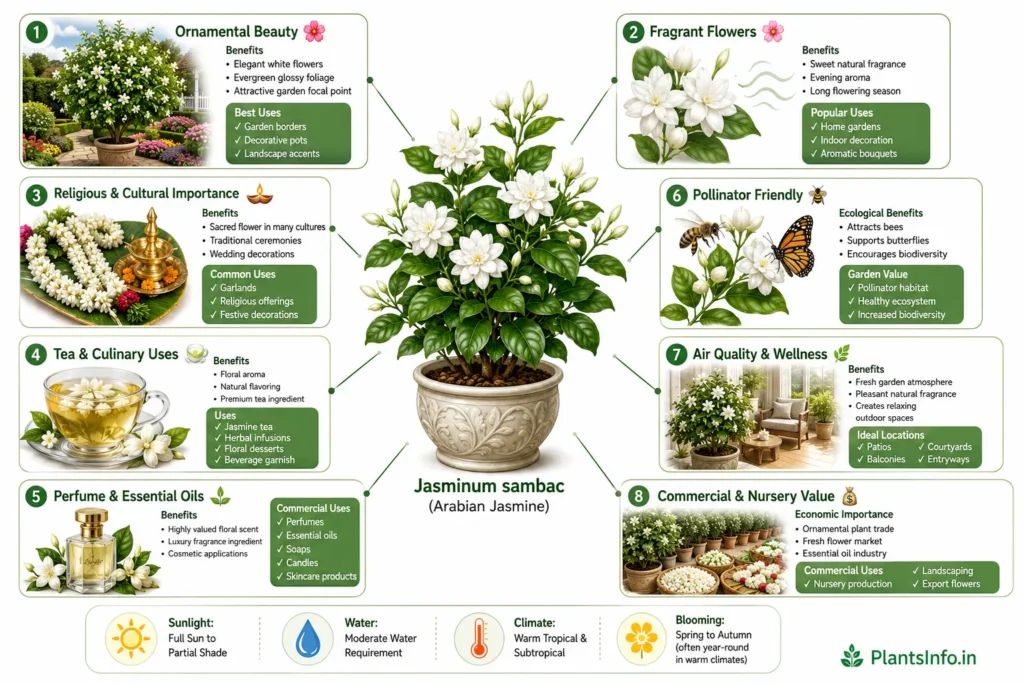
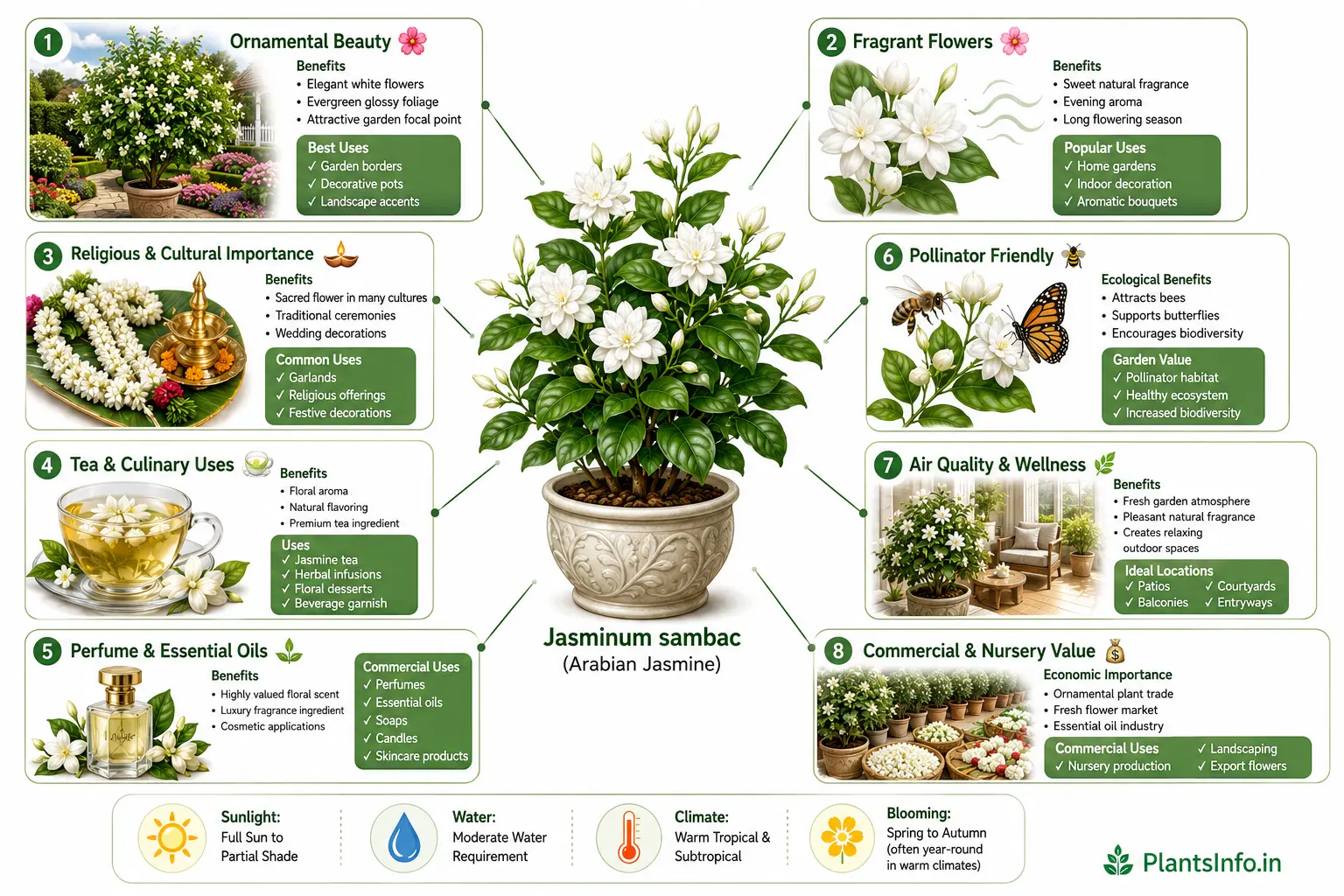
Jasmine (Jasminum spp.) is one of the world’s most valued ornamental flowering plants because of its highly fragrant flowers, attractive foliage, and remarkable versatility. Beyond its beauty, jasmine contributes to home landscaping, biodiversity, pollinator support, cultural traditions, commercial floriculture, perfumery, and sustainable gardening. Selected species are also used in culinary preparations, traditional practices, and the global fragrance industry. The overall value of jasmine extends far beyond ornamental gardening, making it an economically and culturally significant plant across tropical and subtropical regions.
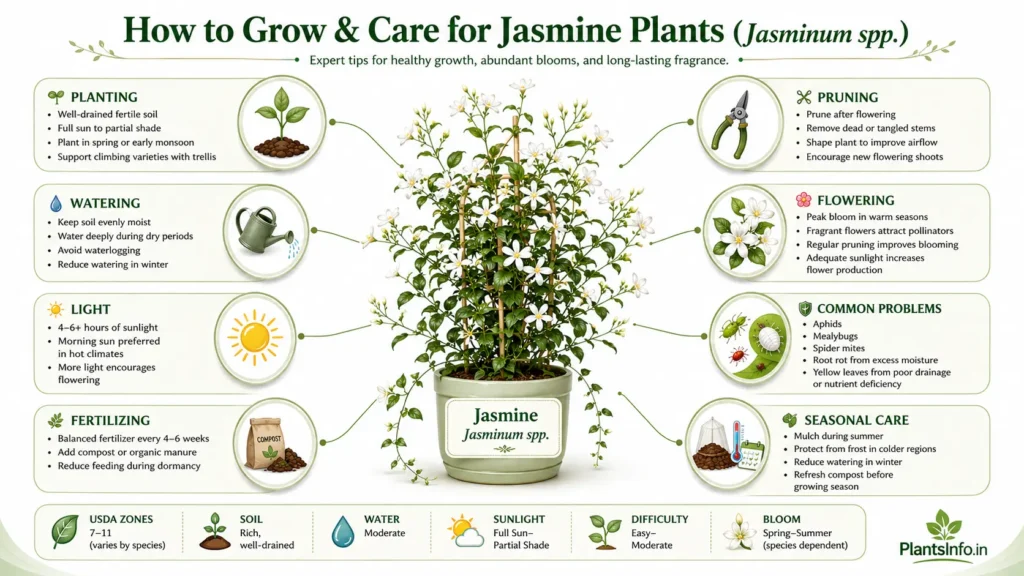
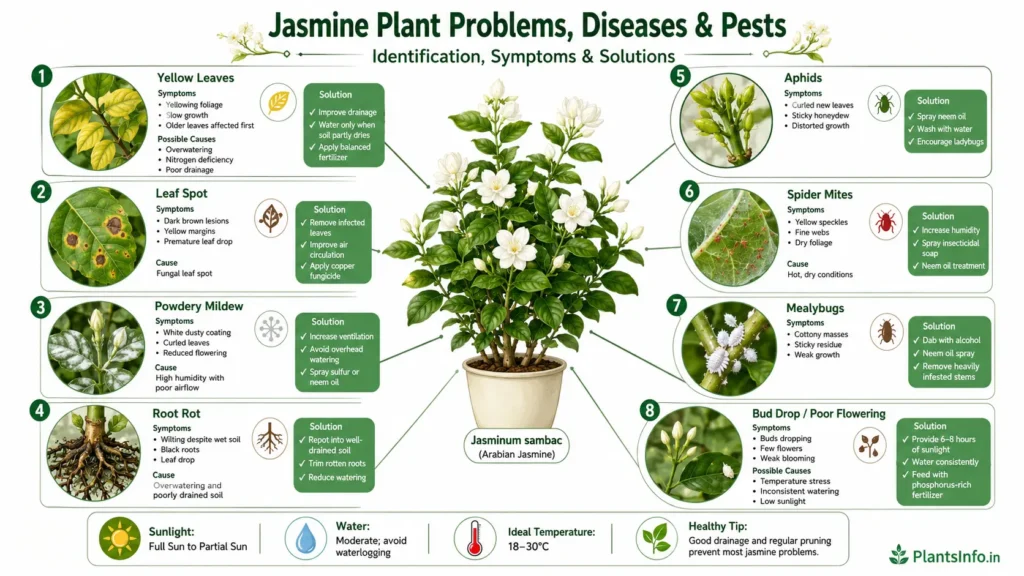
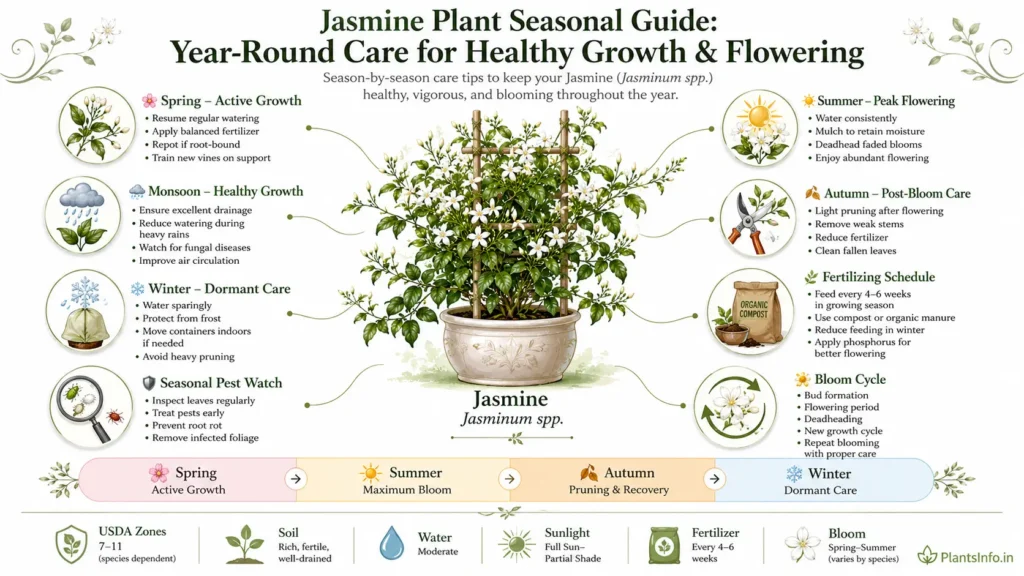
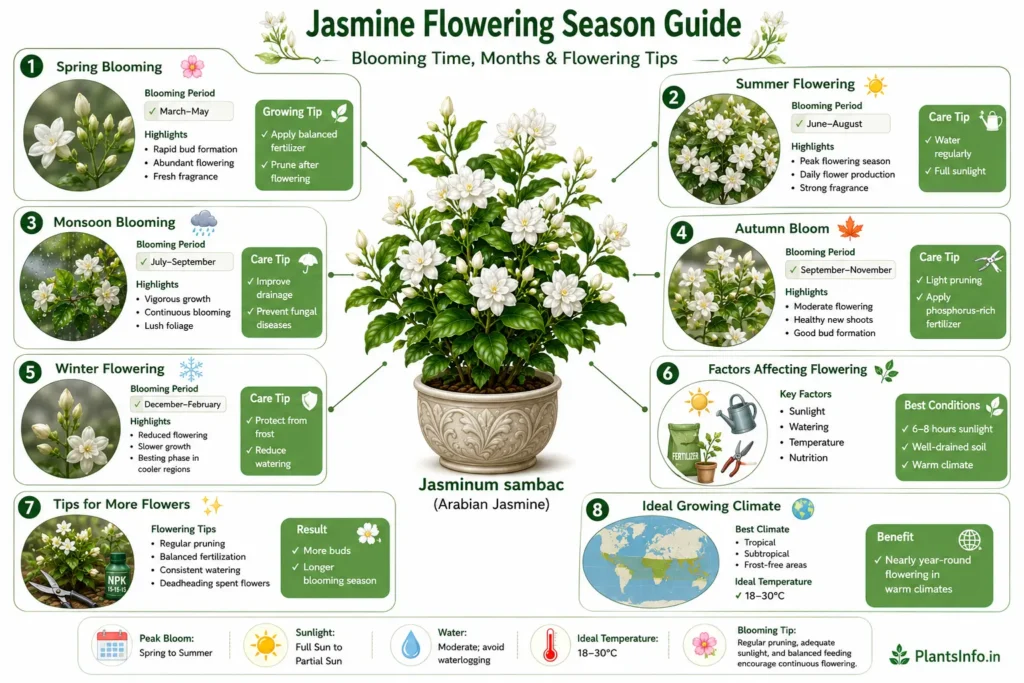
See also: Jasmine Plant plant profile, how to grow it, common problems, seasonal care, and its flowering season.
Introduction
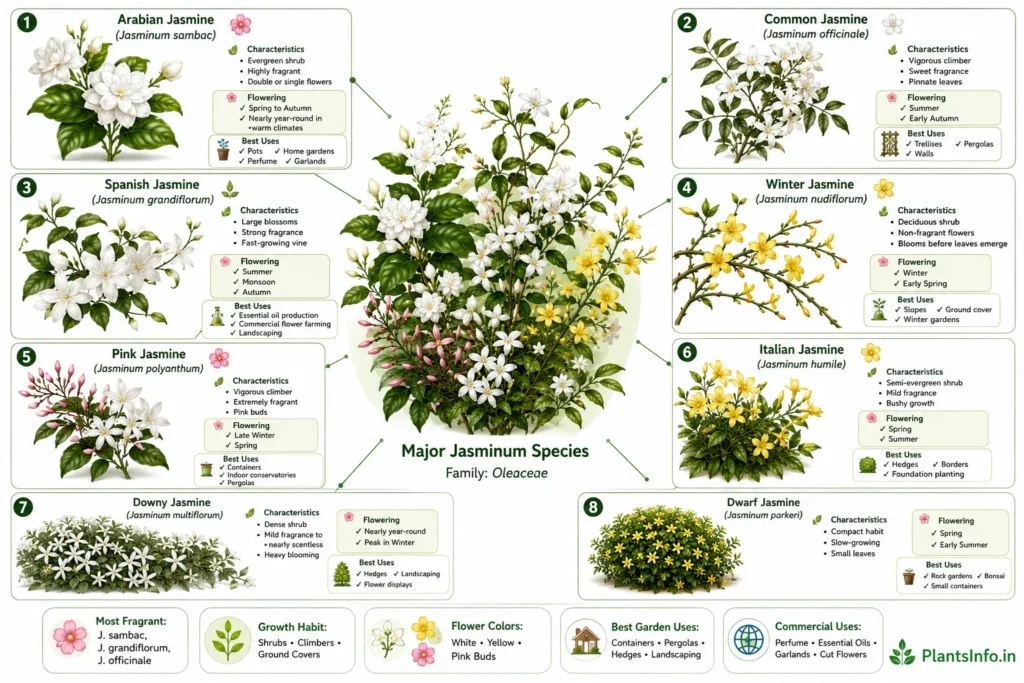
For centuries, jasmine has been cultivated not only for its elegant white, yellow, or cream-colored flowers but also for the intense fragrance that has made it one of the world’s most recognizable ornamental plants. Native to tropical and subtropical regions of Asia, Africa, and Europe, the genus Jasminum includes more than 200 species adapted to a wide range of climates and landscapes.
Recommended Products
Disclosure: As an Amazon Associate, PlantsInfo may earn from qualifying purchases.
🌱 Growing Essentials
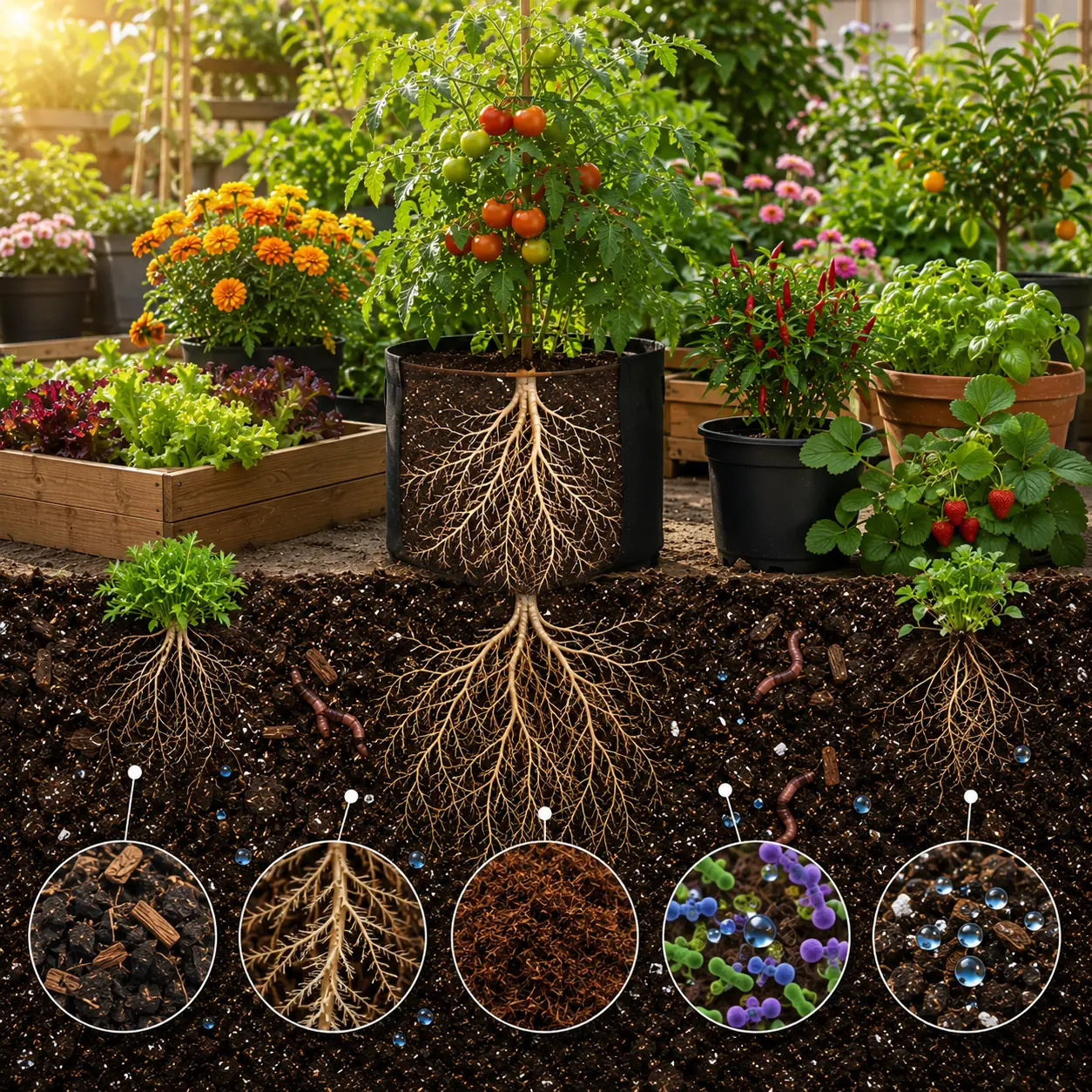
The following products can help with container gardening, potting, root development, soil management, and healthy plant growth.
Organic Potting Soil Mix
Provides nutrients, structure, and healthy growing conditions for container plants.
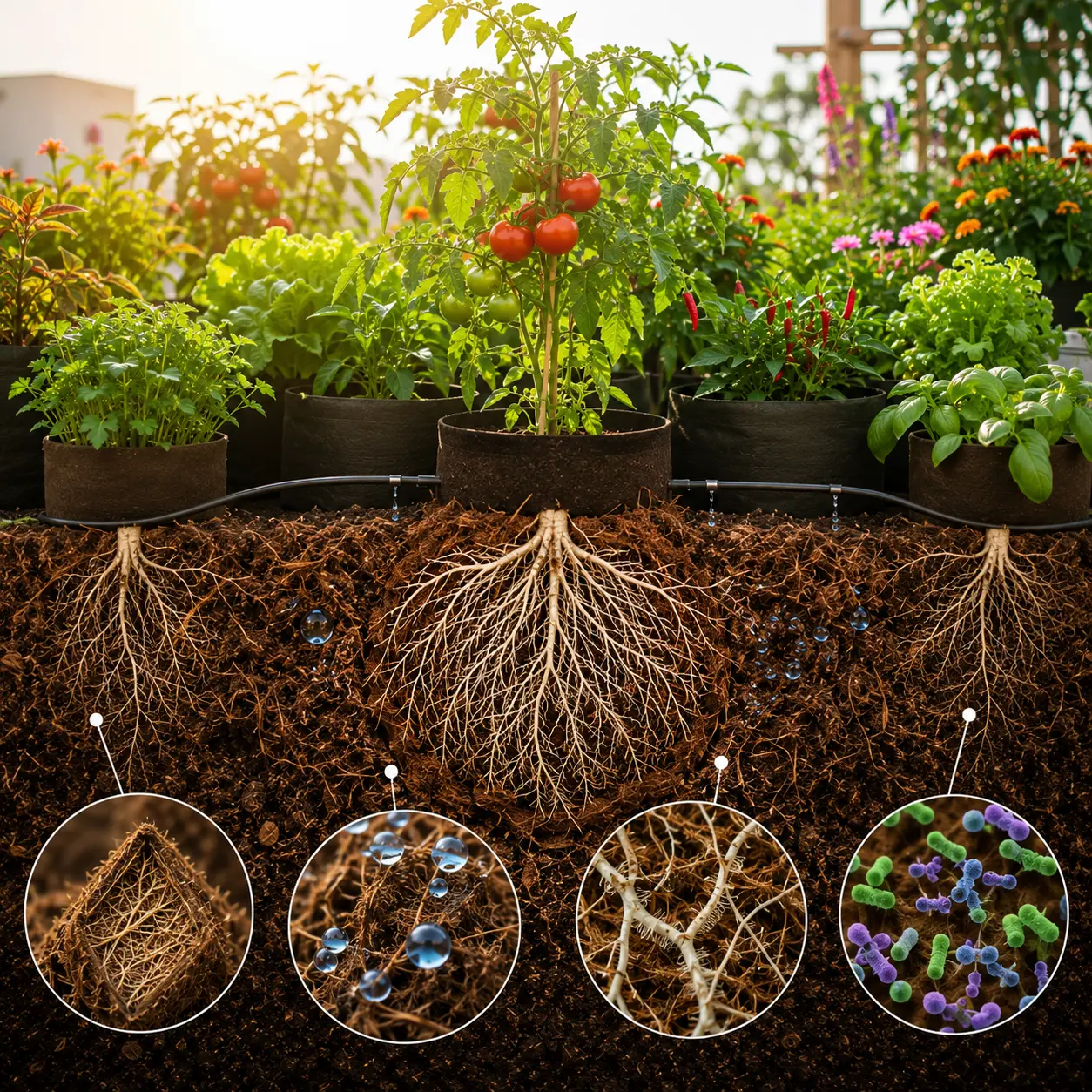
Coco Peat Growing Medium
Enhances moisture retention while maintaining excellent root-zone aeration.

Grow Bags for Plants
Improve drainage, root aeration, and vegetable production in limited spaces.

Plastic Pots for Plants
Ideal containers for seedlings, ornamentals, herbs, and balcony gardens.
Today, jasmine is grown in home gardens, public parks, commercial flower farms, religious institutions, botanical collections, and urban landscapes. Its popularity is driven by a combination of ornamental appeal, prolonged flowering, adaptability, and economic importance.
Unlike many flowering plants valued for only one characteristic, jasmine offers multiple benefits simultaneously:
- Decorative landscape value.
- Pleasant natural fragrance.
- Pollinator support.
- Commercial flower production.
- Cultural and ceremonial significance.
- Sustainable gardening applications.
- Specialized industrial uses.
These diverse qualities explain why jasmine remains one of the most widely cultivated flowering ornamentals throughout India and many other parts of the world.
Understanding Jasmine’s Value
The importance of jasmine extends well beyond its attractive flowers. Its value can be understood across several interconnected categories.
Ornamental Value
Jasmine is prized for:
- Elegant flowers.
- Pleasant fragrance.
- Attractive evergreen or semi-evergreen foliage.
- Long flowering season.
- Versatile growth habits.
Different species can be grown as shrubs, climbers, groundcovers, hedges, or container plants, allowing gardeners to incorporate jasmine into a wide variety of landscape designs.
Economic Value
Jasmine supports numerous industries, including:
- Commercial floriculture.
- Perfume manufacturing.
- Essential oil production.
- Landscaping services.
- Nursery production.
- Decorative flower markets.
In India, jasmine cultivation contributes significantly to the ornamental horticulture sector and provides income for many small and medium-scale growers.
Ecological Value
Flowering jasmine plants provide valuable floral resources for many nectar-seeking insects during their blooming season.
These ecological interactions support:
- Urban biodiversity.
- Pollinator activity.
- Garden ecosystem health.
- Habitat diversity.
Cultural Value
Across many cultures, jasmine symbolizes:
- Purity.
- Beauty.
- Love.
- Hospitality.
- Celebration.
- Spiritual devotion.
Its flowers continue to play an important role in festivals, ceremonies, religious offerings, and traditional decorations throughout South Asia and beyond.
Ornamental & Landscaping Benefits
Jasmine remains one of the most versatile ornamental plants available to home gardeners and professional landscape designers.
Exceptional Floral Display
The primary ornamental appeal of jasmine comes from its abundant blooms.
Depending on the species, flowers may be:
- Pure white.
- Cream.
- Yellow.
- Pale pink (rare in certain species).
Many species produce repeated flowering flushes over extended periods, providing seasonal interest for much of the year under suitable growing conditions.
Highly Fragrant Flowers
Few ornamental plants rival jasmine for natural fragrance.
Its flowers release aromatic volatile compounds that are especially noticeable:
- During the evening.
- At night in night-blooming species.
- During warm weather.
- At peak flowering.
This characteristic makes jasmine a preferred choice for sensory gardens and outdoor living spaces.
Versatile Growth Habits
Different Jasminum species can be used as:
- Flowering climbers.
- Garden shrubs.
- Container specimens.
- Trellised vines.
- Pergola covers.
- Fence screens.
- Courtyard plants.
- Patio ornamentals.
This adaptability allows jasmine to suit gardens of almost every size.
Long Ornamental Season
Unlike plants that flower for only a few weeks, many jasmine species bloom repeatedly over several months.
Extended flowering provides:
- Continuous landscape interest.
- Repeated fragrance.
- Regular flower harvests.
- Improved garden aesthetics.
Attractive Foliage
Even outside the flowering season, jasmine contributes ornamental value through its foliage.
Many species produce:
- Dense green leaves.
- Fine branching.
- Attractive climbing stems.
- Evergreen appearance in warm climates.
Healthy foliage helps maintain year-round landscape appeal.
Suitable for Multiple Landscape Styles
Jasmine complements a wide range of garden designs, including:
- Cottage gardens.
- Tropical landscapes.
- Courtyard gardens.
- Formal gardens.
- Contemporary landscapes.
- Balcony gardens.
- Terrace gardens.
- Vertical gardens.
Its flexibility makes it equally suitable for residential and institutional landscapes.
Home & Garden Benefits
Beyond aesthetics, jasmine provides several practical advantages for home gardeners.
Pleasant Outdoor Living Spaces
The fragrance of jasmine enhances:
- Patios.
- Verandas.
- Balconies.
- Garden seating areas.
- Walkways.
- Courtyards.
Strategically placing flowering plants near frequently used outdoor spaces improves the sensory experience without requiring artificial fragrances.
Container Gardening
Many jasmine species adapt well to containers, making them suitable for:
- Apartments.
- Urban homes.
- Rooftop gardens.
- Small courtyards.
- Balconies.
Container cultivation also allows gardeners to reposition plants according to seasonal light conditions.
Vertical Gardening
Climbing jasmine species efficiently utilize vertical space.
They can be trained over:
- Trellises.
- Pergolas.
- Garden arches.
- Boundary fences.
- Balcony railings.
- Decorative supports.
Vertical growth adds visual height while maximizing limited garden space.
Natural Privacy Screens
Dense climbing growth creates attractive living screens that soften built structures while providing seasonal flowers.
Jasmine can help screen:
- Boundary walls.
- Utility areas.
- Garden partitions.
- Outdoor seating spaces.
Unlike artificial barriers, living screens also contribute to biodiversity and garden aesthetics.
Cut Flower Production
Fresh jasmine flowers are widely harvested for:
- Home decoration.
- Floral arrangements.
- Garlands.
- Floating floral displays.
- Fragrant indoor bowls.
Regular harvesting often encourages continued flowering in many cultivated species.
Low Long-Term Maintenance
Once established, jasmine generally requires:
- Moderate irrigation.
- Seasonal pruning.
- Balanced fertilization.
- Occasional pest monitoring.
Its relatively manageable maintenance requirements contribute to its popularity among both beginners and experienced gardeners.
Ecological & Environmental Benefits
In addition to its ornamental value, jasmine contributes positively to many garden ecosystems.
Supports Pollinators
Flowering jasmine provides nectar and, depending on the species, pollen resources for various beneficial insects.
Visitors commonly include:
- Bees.
- Butterflies.
- Hoverflies.
- Moths.
- Other nectar-feeding insects.
By supplying floral resources during its blooming season, jasmine helps sustain pollinator diversity within gardens and urban green spaces.
Encourages Garden Biodiversity
Flowering shrubs and climbers increase habitat complexity.
Jasmine contributes by providing:
- Shelter for beneficial insects.
- Nectar resources.
- Seasonal floral diversity.
- Structural vegetation.
Greater plant diversity generally supports healthier garden ecosystems.
Urban Greening
Jasmine is widely used in urban landscapes because it adapts well to:
- Residential gardens.
- Institutional campuses.
- Parks.
- Roadside plantings.
- Community gardens.
Its ornamental qualities encourage the incorporation of flowering vegetation into developed environments.
Helps Moderate Local Microclimates
When trained over pergolas, fences, or walls, mature jasmine plants create shaded vegetative surfaces that may help reduce localized heat around outdoor living areas.
Although the cooling effect is modest, dense vegetation can contribute to improved thermal comfort in garden settings.
Supports Sustainable Landscaping
Jasmine aligns well with sustainable landscape principles because established plants generally require:
- Moderate irrigation.
- Long service life.
- Seasonal rather than intensive maintenance.
- Compatibility with organic gardening practices.
These characteristics make jasmine a dependable component of environmentally conscious landscape design.
Reduces Reliance on Artificial Fragrance
The naturally aromatic flowers provide seasonal fragrance outdoors without synthetic air fresheners or artificial scenting products.
This makes jasmine particularly valuable for fragrance gardens that emphasize naturally scented plants.
Contributes to Human Well-Being
Although the primary benefits of jasmine are ornamental and ecological, attractive flowering landscapes have been associated in environmental psychology research with improved perceptions of outdoor comfort, relaxation, and connection with nature. Jasmine’s abundant blooms and distinctive fragrance contribute positively to the overall sensory quality of home gardens, courtyards, and public green spaces. While these effects vary among individuals, they represent an additional reason for jasmine’s enduring popularity in residential and landscape design.
Fragrance & Aromatherapy Uses
Jasmine is internationally recognized for its rich, sweet floral fragrance, making it one of the most valuable aromatic plants in ornamental horticulture and the fragrance industry. Several species, particularly Jasminum sambac, Jasminum grandiflorum, and Jasminum officinale, are cultivated specifically for their highly scented flowers.
The fragrance is produced by a complex mixture of naturally occurring volatile aromatic compounds that are released most intensely during flowering. In many species, scent production increases during the evening and night, an adaptation believed to enhance pollinator attraction. This distinctive fragrance has contributed significantly to jasmine’s popularity in gardens, perfumery, and cultural traditions.
Natural Fragrance in Home Gardens
Jasmine is frequently planted near:
- Garden pathways.
- Outdoor seating areas.
- Courtyards.
- Balconies.
- Pergolas.
- Windows.
- Entranceways.
Its naturally scented flowers enhance outdoor living spaces without requiring artificial fragrances.
Aromatherapy Applications
Jasmine essential oil is widely used within professional aromatherapy practice because of its distinctive floral aroma. It is commonly incorporated into:
- Diffuser blends.
- Massage oils (when appropriately diluted).
- Aromatic bath products.
- Personal fragrance products.
- Wellness and spa environments.
The primary purpose of these applications is fragrance rather than medical treatment.
Evidence-Based Note
Some scientific studies have investigated whether exposure to jasmine aroma may influence mood, relaxation, alertness, or perceived well-being. However, findings remain mixed, and results vary depending on study design, the population studied, and the method of fragrance delivery. Current evidence does not support using jasmine aromatherapy as a replacement for professional medical or psychological care.
Popular Fragrance Products
Jasmine fragrance is commonly incorporated into:
- Perfumes.
- Eau de parfum.
- Eau de toilette.
- Body lotions.
- Soaps.
- Bath products.
- Candles.
- Incense.
- Room fragrances.
- Scented sachets.
Its ability to blend well with numerous floral, citrus, woody, and spicy notes has made jasmine one of the foundational ingredients in modern perfumery.
Cultural & Religious Importance
Jasmine has held cultural significance across Asia, the Middle East, and parts of Europe for centuries. Its flowers symbolize beauty, purity, devotion, hospitality, celebration, and love in many societies.
Although traditions differ between regions, jasmine remains one of the world’s most culturally important ornamental flowers.
Importance in India
In India, jasmine flowers are widely used for:
- Religious offerings.
- Temple decoration.
- Festival celebrations.
- Wedding ceremonies.
- Traditional garlands.
- Hair adornment.
- Household decoration.
Fresh flowers are valued for both their fragrance and symbolic significance during cultural and religious events.
Symbolism
Across different cultures, jasmine commonly represents:
- Purity.
- Love.
- Grace.
- Beauty.
- Prosperity.
- Spiritual devotion.
- Peace.
- Hospitality.
The exact symbolism varies among communities, but jasmine consistently occupies an important place in cultural traditions.
Decorative Uses
Fresh jasmine flowers are frequently woven into:
- Floral garlands.
- Decorative strings.
- Wedding ornaments.
- Festival decorations.
- Home floral displays.
Because of their fragrance and elegant appearance, they remain among the most popular ornamental flowers used for ceremonial decoration.
Commercial Uses
Jasmine supports numerous industries beyond ornamental gardening and plays an important role in the floriculture economy of many tropical and subtropical countries.
Floriculture Industry
Commercial flower growers cultivate jasmine for:
- Fresh flower markets.
- Garland production.
- Loose flower sales.
- Religious markets.
- Decorative floral arrangements.
Demand is often highest during festivals, weddings, and cultural celebrations.
India is among the leading producers of commercially cultivated jasmine flowers, particularly for domestic consumption and value-added floral products.
Nursery Production
Jasmine is propagated commercially for sale as:
- Garden shrubs.
- Climbing vines.
- Container plants.
- Landscape plants.
- Grafted ornamental specimens (where applicable).
Its popularity ensures year-round demand in many garden centers and plant nurseries.
Landscaping Industry
Professional landscapers frequently specify jasmine for:
- Residential gardens.
- Hotels.
- Resorts.
- Educational institutions.
- Public parks.
- Commercial landscapes.
Its adaptability to multiple landscape styles increases its commercial value.
Floral Decoration
Fresh flowers are widely supplied to:
- Wedding decorators.
- Religious institutions.
- Event planners.
- Hospitality businesses.
- Retail florists.
Their fragrance and visual appeal make them especially valuable in ceremonial floral work.
Culinary Uses (Species-Specific)
Only certain jasmine species are traditionally associated with food and beverage preparation. Culinary use should never be generalized to the entire Jasminum genus, as not all species are considered edible.
Among the best-known culinary species is Jasminum sambac, whose flowers are traditionally used to scent teas and selected specialty food products in some cultures.
Jasmine Tea
Perhaps the best-known culinary application is jasmine tea.
In traditional production:
- Fresh jasmine flowers are layered with tea leaves.
- The flowers naturally perfume the tea during repeated scenting cycles.
- The flowers are usually removed before final packaging, although some products retain blossoms for appearance.
The distinctive aroma comes from the transfer of floral volatile compounds rather than from artificial flavoring in traditionally scented teas.
Culinary Decoration
Edible jasmine flowers from appropriate species may occasionally be used as decorative garnishes for:
- Desserts.
- Specialty beverages.
- Festive dishes.
Only flowers confirmed to be from edible species and grown without unsuitable pesticides should be used for culinary purposes.
Safety Considerations
Before consuming jasmine flowers:
- Correctly identify the species.
- Confirm it is traditionally regarded as edible.
- Ensure flowers have not been treated with ornamental pesticides or other chemicals.
- Source flowers specifically intended for culinary use whenever possible.
Ornamental nursery plants are generally not grown with food use in mind and should not automatically be considered suitable for consumption.
Traditional Uses (Evidence-Based Disclaimer)
Various jasmine species have been used for centuries in traditional systems of medicine and folk practices across different cultures.
Traditional uses have included preparations involving:
- Flowers.
- Leaves.
- Roots.
- Stems.
However, these traditional practices vary widely among regions and do not necessarily reflect modern scientific evidence.
Evidence-Based Disclaimer
Although laboratory and clinical research continues to investigate naturally occurring compounds found in different Jasminum species, the available evidence is not sufficient to support broad medical claims for jasmine products.
Traditional use should not be interpreted as proof of safety or effectiveness for preventing, treating, or curing disease. Individuals should seek advice from qualified healthcare professionals before using any plant-derived product for therapeutic purposes.
Essential Oil Industry
Jasmine is one of the most valuable raw materials used in fine fragrance production.
Because fresh flowers are delicate and produce relatively small quantities of aromatic compounds, large volumes of blossoms are required to obtain highly concentrated fragrance extracts.
Major Commercial Species
The principal species cultivated for fragrance extraction include:
- Jasminum grandiflorum (Spanish jasmine)
- Jasminum sambac (Arabian jasmine)
- Jasminum officinale (Common jasmine)
Each species produces a distinctive fragrance profile that is valued for different perfumery applications.
Fragrance Extraction
Commercial fragrance production may involve specialized extraction techniques such as:
- Solvent extraction.
- Modern volatile compound extraction methods.
- Other industrial fragrance-processing technologies.
The resulting aromatic materials are supplied to manufacturers of luxury perfumes and fragrance products.
Global Importance
Jasmine-derived fragrance ingredients are widely used by the international perfume industry because they provide:
- Rich floral notes.
- Excellent blending characteristics.
- Complex aromatic profiles.
- Long-standing consumer recognition.
These qualities have established jasmine as one of the classic floral ingredients in both traditional and contemporary perfumery.
Economic Significance
The high value of jasmine fragrance has created extensive cultivation systems in many producing regions, supporting:
- Commercial flower growers.
- Rural employment.
- Nursery production.
- Floriculture businesses.
- Fragrance manufacturing.
- Export-oriented horticultural industries.
The combination of ornamental appeal and industrial demand continues to make jasmine one of the world’s most economically important flowering plants.
Scientific Research & Health Potential
Jasmine (Jasminum spp.) has attracted considerable scientific interest because its flowers, leaves, roots, and essential oils contain a wide range of naturally occurring phytochemicals. Researchers continue to investigate these compounds for their biological properties, fragrance chemistry, and potential applications in pharmaceuticals, cosmetics, functional ingredients, and horticultural science. However, the level of scientific evidence varies considerably depending on the species, plant part, extraction method, and type of study.
Current Areas of Scientific Research
Research involving various Jasminum species includes:
- Phytochemical composition.
- Essential oil chemistry.
- Antioxidant activity.
- Antimicrobial properties.
- Anti-inflammatory potential.
- Aromatic volatile compounds.
- Plant breeding and genetics.
- Stress tolerance and climate adaptability.
- Sustainable cultivation practices.
Much of this research has been conducted under laboratory conditions, and findings should not automatically be interpreted as evidence of clinical effectiveness in humans.
Essential Oil Research
Jasmine essential oil has been extensively studied because of its unique aromatic composition.
Research commonly investigates:
- Fragrance chemistry.
- Volatile organic compounds (VOCs).
- Extraction efficiency.
- Aroma stability.
- Cosmetic applications.
- Perfumery innovation.
Advances in extraction technology continue to improve fragrance quality while enhancing production efficiency.
Plant-Derived Bioactive Compounds
Different Jasminum species contain naturally occurring plant compounds, including:
- Flavonoids.
- Phenolic compounds.
- Terpenoids.
- Iridoid glycosides.
- Alkaloids (species-dependent).
- Various aromatic constituents.
These compounds are of scientific interest because they may contribute to the biological activities observed in laboratory studies.
Ongoing Medical Research
Researchers continue to investigate whether certain compounds isolated from Jasminum species possess biological activities of scientific interest.
Current areas of investigation include:
- Antioxidant potential.
- Antimicrobial activity.
- Anti-inflammatory properties.
- Neurobiological responses to aroma.
- Cosmetic applications.
- Skin-care ingredients.
Evidence-Based Medical Disclaimer
Although laboratory and preliminary clinical studies continue to explore these areas, current evidence does not support broad therapeutic or disease-treatment claims for jasmine products. Jasmine should not be promoted as a medicine or as a substitute for evidence-based medical care unless supported by high-quality clinical evidence and approved by relevant health authorities.
Aromatic Research
Scientists also study jasmine fragrance because aroma influences consumer preferences and commercial value.
Research topics include:
- Floral scent chemistry.
- Pollinator attraction.
- Fragrance intensity.
- Seasonal scent variation.
- Post-harvest aroma retention.
- Breeding for improved fragrance.
This research benefits both horticultural science and the fragrance industry.
Economic Importance
Jasmine is among the most economically valuable ornamental flowering plants cultivated in tropical and subtropical regions. Its importance extends across agriculture, floriculture, perfumery, landscaping, and international trade.
Floriculture Industry
Commercial jasmine cultivation supports:
- Loose flower markets.
- Garland production.
- Religious flower markets.
- Wedding decoration.
- Ornamental landscaping.
- Fresh flower distribution.
Demand remains consistently high in many regions because flowers are harvested almost daily during peak flowering seasons.
Rural Employment
Jasmine cultivation creates employment opportunities in:
- Plant propagation.
- Nursery production.
- Commercial flower farming.
- Harvesting.
- Sorting and grading.
- Floral decoration.
- Transportation.
- Retail flower markets.
Because flowers are delicate and often harvested by hand, commercial production remains labor-intensive in many growing regions.
Nursery Industry
Garden centers and ornamental nurseries market jasmine as:
- Flowering shrubs.
- Climbing ornamentals.
- Container plants.
- Landscape specimens.
- Home garden plants.
Its popularity among homeowners and landscapers ensures year-round demand for planting material.
Perfumery and Fragrance Industry
The perfume industry represents one of the highest-value markets for jasmine flowers.
Commercial fragrance manufacturers utilize jasmine-derived aromatic materials in:
- Luxury perfumes.
- Fine fragrances.
- Cosmetics.
- Personal care products.
- Premium soaps.
- Aromatic candles.
Because of the large number of flowers required to obtain concentrated fragrance extracts, high-quality jasmine flowers often command premium prices.
Export Potential
Several countries cultivate jasmine for export through:
- Fresh flowers.
- Essential oils.
- Floral extracts.
- Decorative products.
- Nursery plants.
International demand for natural fragrance ingredients continues to support commercial cultivation.
Sustainability Benefits
Jasmine contributes positively to sustainable horticulture when cultivated using environmentally responsible practices.
Long-Lived Perennial Plant
Unlike annual flowering plants that require frequent replacement, jasmine is a perennial that can remain productive for many years with proper care.
This provides several sustainability advantages:
- Reduced replanting.
- Lower nursery waste.
- Long-term landscape value.
- Efficient use of garden resources.
Supports Pollinator Diversity
Flowering jasmine provides seasonal nectar resources for a variety of beneficial insects, including bees, butterflies, moths, and hoverflies.
Maintaining flowering ornamentals within gardens contributes to:
- Pollinator conservation.
- Urban biodiversity.
- Healthy garden ecosystems.
- Improved ecological resilience.
Suitable for Organic Gardening
Jasmine adapts well to environmentally friendly gardening methods.
Organic cultivation commonly emphasizes:
- Compost application.
- Mulching.
- Biological pest management.
- Integrated Pest Management (IPM).
- Reduced dependence on synthetic pesticides.
Healthy plants grown under balanced conditions often experience fewer pest and disease problems.
Water-Efficient Once Established
Although young plants require regular watering, established jasmine generally develops moderate drought tolerance when grown in suitable soil.
Responsible irrigation practices include:
- Deep, infrequent watering.
- Organic mulching.
- Well-drained soils.
- Rainwater harvesting where practical.
These measures improve water-use efficiency while maintaining plant health.
Urban Greening
Jasmine contributes to greener urban environments by enhancing:
- Residential gardens.
- Apartment balconies.
- Rooftop landscapes.
- Courtyards.
- Parks.
- Institutional campuses.
Climbing species also utilize vertical space efficiently, increasing vegetation in densely populated areas.
Encourages Biodiversity
Flowering shrubs increase structural diversity within landscapes.
Jasmine supports ecological balance by providing:
- Seasonal floral resources.
- Shelter for beneficial insects.
- Habitat complexity.
- Greater ornamental plant diversity.
These contributions make jasmine an excellent component of sustainable residential and public landscapes.
Frequently Asked Questions (FAQ)
Why is jasmine considered one of the world’s most valuable ornamental plants?
Its combination of abundant flowering, exceptional fragrance, versatile growth habits, commercial importance, and cultural significance makes jasmine one of the most widely cultivated ornamental flowering plants.
Which jasmine species are most important commercially?
Among the best-known commercial species are:
- Jasminum sambac
- Jasminum grandiflorum
- Jasminum officinale
These species are widely cultivated for flowers, fragrance, landscaping, and ornamental horticulture.
Is every jasmine species edible?
No. Only certain species, such as Jasminum sambac, have recognized traditional culinary uses. Many ornamental jasmine plants are grown solely for decorative purposes and should not be consumed without proper species identification and confirmation that they are intended for food use.
Does scientific research prove medicinal benefits?
Research continues to investigate naturally occurring compounds found in jasmine. However, current evidence does not support broad therapeutic claims, and jasmine should not be promoted as a treatment for medical conditions without robust clinical evidence.
Why is jasmine essential oil expensive?
Jasmine flowers produce relatively small quantities of aromatic compounds, and thousands of freshly harvested blossoms are required to obtain concentrated fragrance extracts. Harvesting is labor-intensive, contributing to the high value of jasmine-derived aromatic materials.
Is jasmine environmentally friendly?
Yes. When cultivated responsibly, jasmine supports pollinators, contributes to biodiversity, adapts well to sustainable gardening practices, and provides long-term ornamental value with relatively moderate maintenance requirements.
Conclusion
Jasmine (Jasminum spp.) is far more than an attractive flowering ornamental. Its enduring popularity is built upon a unique combination of aesthetic beauty, captivating fragrance, ecological value, cultural significance, and substantial economic importance. From enhancing residential gardens and supporting pollinators to supplying the global perfume and floriculture industries, jasmine continues to play an important role in horticulture across tropical and subtropical regions.
Modern scientific research has expanded our understanding of jasmine’s phytochemistry, fragrance biology, and cultivation while continuing to investigate its potential applications in cosmetics, aromatics, and plant science. Although many traditional uses remain the subject of ongoing research, evidence-based interpretation is essential, and current knowledge does not support exaggerated medicinal claims.
As a long-lived, adaptable perennial that performs well in gardens, containers, and landscapes, jasmine also aligns with sustainable horticultural practices through efficient use of space, support for biodiversity, and compatibility with environmentally responsible gardening methods.
Whether grown for its elegant flowers, unforgettable fragrance, commercial value, or contribution to beautiful and biodiverse landscapes, jasmine remains one of the world’s most cherished ornamental plants and an enduring symbol of natural beauty across cultures.