Introduction
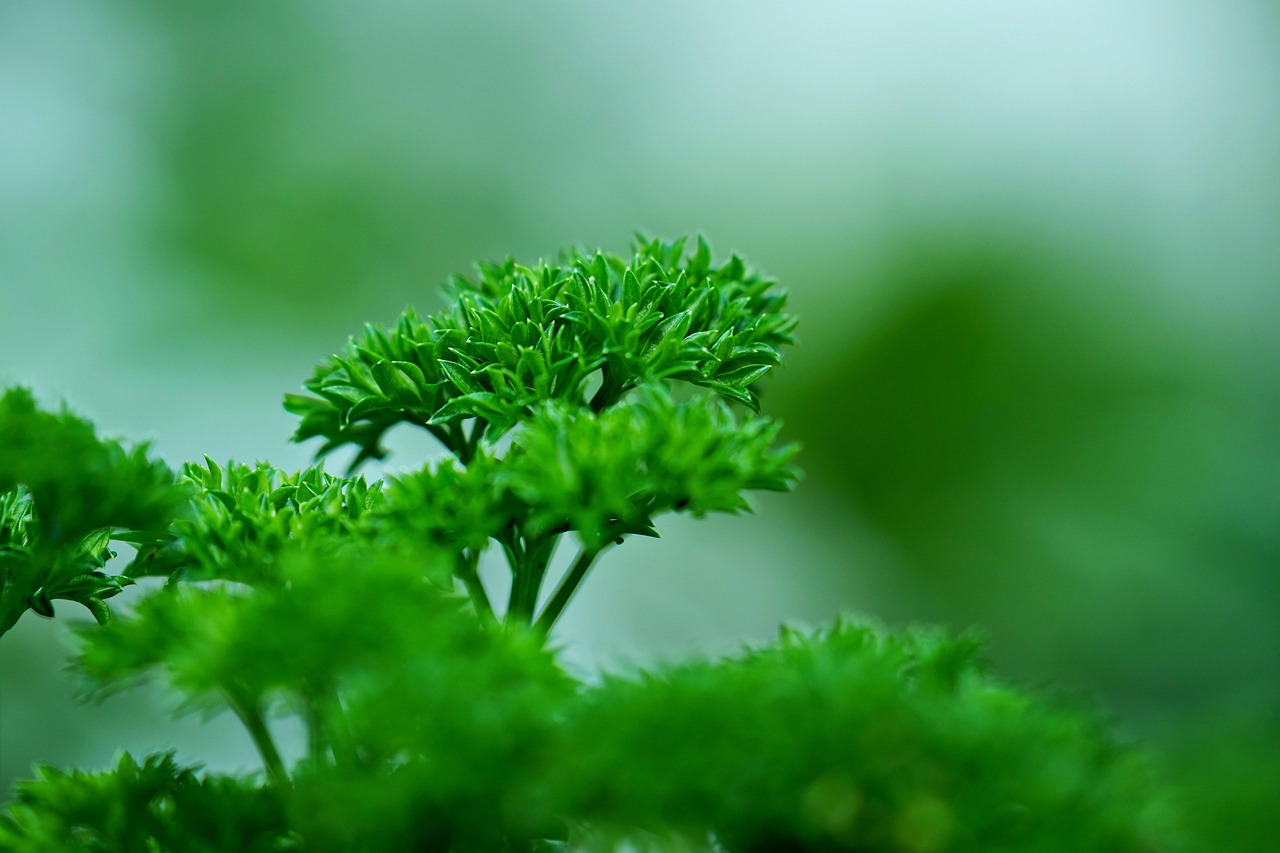
Petroselinum crispum, commonly known as the parsley plant, is a biennial herb in the Apiaceae family valued for its aromatic leaves and phytochemical richness. Native to the central and eastern Mediterranean region, it exhibits notable biochemical diversity, including high concentrations of flavonoids and essential oils. These compounds underpin both its culinary and pharmacological relevance, making parsley one of the most widely cultivated and studied herbaceous species globally.
Classification
- Plant Type
- Herb
- Leaf Habit
- Deciduous
- Native Region
- Africa, Asia, Europe, Mediterranean Basin, Southern Europe
- Plant Family
- Apiaceae
Ecologically, parsley functions as a nectar and pollen source for a range of insects, including dipterans and hymenopterans, within its native habitat. Its finely dissected leaves increase surface area for photosynthesis while reducing water loss, an adaptation suited to Mediterranean climates characterised by seasonal drought. Compared to closely related taxa, parsley demonstrates a distinct balance between vegetative productivity and reproductive output, supporting both ecological persistence and human cultivation.
Historically, parsley has been cultivated for over two millennia, with documented use in ancient Greek and Roman societies for both culinary and symbolic purposes. It remains integral to global cuisines and traditional medicinal systems. Although not currently threatened, its widespread cultivation raises concerns about genetic erosion of wild populations. This profile presents a structured scientific analysis that integrates taxonomy, physiology, ecology, and applied research perspectives within a unified reference framework.
Identity
Quick Plant Information
| Field | Value |
|---|---|
| Accepted Scientific Name | Petroselinum crispum |
| Primary Common Name | parsley plant |
| Plant Type | Herbaceous plant |
| Life Cycle | Biennial |
| Growth Habit | Rosette-forming, erect flowering stalk in second year |
| Mature Size | 20–80 cm (8–31 inches) height |
| Growth Rate | Moderate |
| Flowering Season | Late spring to summer |
| Fruiting Season | Summer to early autumn |
| Light Requirement | Full sun to partial shade |
| Water Requirement | Moderate |
| Soil Preference | Well-drained, loamy soils |
| Temperature Tolerance | 10–25°C (50–77°F) optimal |
| Pollination Type | Insect-pollinated |
| Self-Fertility Status | Partially self-fertile |
| Primary Propagation Method | Seed |
| Typical Yield Class | Medium |
| Primary Use Categories | Culinary herb, medicinal plant |
| Toxicity Status | Generally non-toxic; high intake may pose mild phototoxic risk due to furanocoumarins |
| Conservation Concern | Low concern |
| Cultivation Difficulty Level | Easy to moderate |
Classification and Taxonomy
| Field | Value | Notes |
|---|---|---|
| Accepted Scientific Name | Petroselinum crispum | |
| Known Synonyms | Apium crispum, Petroselinum hortense | |
| Taxonomic Authority Source | Kew POWO | Authoritative global taxonomy reference |
| Assessment Date | 2026-05-03 | |
| Kingdom | Plantae | |
| Division | Tracheophyta | Vascular plants |
| Class | Magnoliopsida | |
| Order | Apiales | |
| Family | Apiaceae | Carrot family |
| Subfamily | Apioideae | |
| Genus | Petroselinum | |
| Species | crispum | |
| Native Origin | Central and eastern Mediterranean region | Concise summary per scope rule |
| IUCN Status | Not evaluated | Source class: IUCN |
Related Species of Significance
| Species | Common Name | Distinguishing Feature | Economic or Ecological Significance |
|---|---|---|---|
| Petroselinum segetum | Corn parsley | More erect growth and less dissected leaves | Minor culinary use; occurs in wild habitats |
| Apium graveolens | Celery | Thick petioles and strong aroma | Major global vegetable crop |
| Coriandrum sativum | Coriander | Distinct leaf morphology and seed spice use | Widely cultivated herb and spice |
| Daucus carota | Wild carrot | Taproot development and umbels | Ancestor of cultivated carrot; ecological importance |
| Foeniculum vulgare | Fennel | Aromatic bulb and feathery leaves | Culinary and medicinal uses |
Taxonomic Context
Within the genus Petroselinum, P. crispum is the most economically significant species, distinguished by its leaf morphology and essential oil profile. Confusion has historically arisen with related Apiaceae members, such as Apium graveolens, due to overlapping vernacular names and similar vegetative structures. Accurate taxonomic identification is critical for both pharmacological standardisation and commercial herb trade. Nomenclatural stability ensures consistency across regulatory frameworks, particularly where parsley-derived extracts are involved in food and medicinal applications.
Cytogenetics
| Parameter | Value | Notes |
|---|---|---|
| Chromosome Number | 2n = 22 | Consistent across cultivated forms |
| Ploidy Level | Diploid | |
| Genome Size | ~2.2 pg/1C | Approximate estimate from genomic studies |
Cytogenetic Note
The diploid chromosome structure of Petroselinum crispum supports genetic stability across cultivated varieties. Limited variation in chromosome number suggests low cytotypic diversity, which can constrain breeding flexibility. However, this stability aids in maintaining uniform phytochemical profiles, particularly important for medicinal and culinary standardisation. The absence of documented polyploid variants represents a potential area for future crop improvement research.
Scientific Stability and Nomenclature
The accepted name Petroselinum crispum is established under the authority of Kew POWO, which serves as a global taxonomic reference. The species was originally described as Apium crispum by early taxonomists, reflecting its morphological similarity to celery. A significant reclassification occurred in the 19th century, when it was reassigned to the genus Petroselinum based on reproductive and morphological distinctions, particularly umbel structure and fruit characteristics.
Since this reclassification, the accepted name has achieved high stability across botanical, agricultural, and pharmacological literature. However, older synonyms such as Petroselinum hortense persist in historical texts and some regional horticultural references. This can create minor inconsistencies in literature searches and regulatory documentation.
From a practical standpoint, nomenclatural consistency is critical for supply chain traceability, especially in herbal medicine markets where species misidentification can impact safety and efficacy. The widespread adoption of the accepted name across international databases minimises ambiguity for researchers, regulators, and commercial buyers.
Synonymy
| Accepted Name (Current Authority) | Synonyms Commonly Encountered | Context Where Synonym Persists |
|---|---|---|
| Petroselinum crispum (Kew POWO) | Apium crispum | Historical botanical literature |
| Petroselinum crispum (Kew POWO) | Petroselinum hortense | Regional horticultural texts |
| Petroselinum crispum (Kew POWO) | Carum petroselinum | Obsolete taxonomic classifications |
Form
Growth Habit and Architecture
Petroselinum crispum exhibits a compact, herbaceous growth form defined by a basal rosette in its vegetative stage and an erect flowering stalk during its reproductive phase. The plant allocates resources efficiently between leaf production and reproductive structures, allowing sustained harvest in the first year and seed production in the second. Its architecture is characterised by finely divided foliage, smooth green stems, and a moderately shallow root system, which collectively support adaptability to cultivated and semi-natural environments.
| Parameter | Value | Notes |
|---|---|---|
| Life Form | Herbaceous biennial | |
| Mature Height | 20–80 cm (8–31 inches) | Taller during flowering stage |
| Canopy Spread | 20–40 cm (8–16 inches) | Dense rosette formation |
| Stem Type | Soft, herbaceous | Non-woody |
| Bark or Surface Texture | Smooth | Green, slightly glossy |
| Branching Pattern | Basal rosette; later branched flowering stalk | |
| Root System Overview | Slender taproot with lateral roots; shallow to moderate depth | Morphology only |
| Growth Rate | Moderate | |
| Longevity | 1–2 years | Biennial lifecycle |
| Distinguishing Architectural Feature | Dense, finely dissected leaf rosette with upright umbels in second year |
Leaves
The leaves of Petroselinum crispum are highly dissected and aromatic, forming a dense basal rosette that defines the plant’s vegetative phase. Their morphology varies between flat-leaf and curled types, but both exhibit pinnate division that increases surface area for photosynthesis. The bright green pigmentation reflects high chlorophyll content, while the leaf structure supports efficient transpiration control in Mediterranean-type climates.
| Parameter | Value |
|---|---|
| Presence | Present |
| Leaf Type | Pinnately compound |
| Size | 5–25 cm (2–10 inches) length |
| Colour | Bright to dark green |
| Arrangement | Basal rosette; alternate on flowering stems |
| Special Features | Aromatic, finely dissected or curled margins |
Flowers
The flowers of Petroselinum crispum are small and arranged in compound umbels, a defining trait of the Apiaceae family. Each flower is structurally simple but collectively forms a visually conspicuous reproductive unit that enhances pollinator attraction. The yellow-green coloration is subtle yet effective for attracting generalist insect pollinators. This inflorescence architecture maximises reproductive efficiency by presenting numerous flowers simultaneously within a compact structure.
| Floral Attribute | Description |
|---|---|
| Inflorescence Type | Compound umbel |
| Flower Diameter | 2–3 mm (0.08–0.12 inches) |
| Flower Length | 2–3 mm (0.08–0.12 inches) |
| Outer Tepals or Sepals | Reduced or absent |
| Inner Tepals or Petals | Five small, yellow-green petals |
| Stamens | Five, alternating with petals |
| Pistil | Bicarpellary, inferior ovary |
| Fragrance | Mild to none |
| Anthesis Period | Late spring to summer |
| Primary Pollinators | Generalist insects (flies, bees) |
Fruit
| Fruit Characteristic | Description |
|---|---|
| Fruit Type | Schizocarp |
| Shape | Ovate to elliptic |
| Length | 2–3 mm (0.08–0.12 inches) |
| Diameter | 1–2 mm (0.04–0.08 inches) |
| Weight | Very light (<0.01 g per unit) |
| Skin Colour | Green turning brown at maturity |
| Surface Features | Ribbed, dry |
| Flesh Colour | Not applicable (dry fruit) |
| Flesh Texture | Not applicable |
| Seed Count | Two per fruit (splitting into mericarps) |
| Sugar Content | not documented in the available literature |
| Maturation Period | 4–6 weeks after flowering |
Seeds
| Seed Characteristic | Description |
|---|---|
| Size | 2–3 mm (0.08–0.12 inches) length |
| Shape | Oblong to slightly curved |
| Colour | Brown to dark brown |
| Seed Coat | Hard, ridged |
| Oil Content | Present; contains essential oils |
| Viability Period | 1–2 years under proper storage |
| Germination Rate | Moderate (50–70%) |
Root System
Petroselinum crispum develops a slender taproot system that penetrates moderately into the soil, typically reaching depths of 15–30 cm (6–12 inches). Lateral roots extend horizontally to support nutrient uptake and plant stability. The root system is sensitive to waterlogging, requiring well-drained substrates to prevent structural degradation. This architecture supports efficient nutrient absorption in cultivated settings but limits tolerance to compacted soils. In wild contexts, the relatively shallow rooting depth influences its distribution in well-aerated, friable soils.
Field Identification
In the field, Petroselinum crispum is recognised by its dense basal rosette of finely divided, aromatic leaves and its eventual production of slender, upright stems bearing compound umbels. The plant’s bright green coloration and distinctive leaf morphology make it visually prominent among herbaceous flora. It is frequently confused with Coriandrum sativum (coriander), especially in early growth stages. The most reliable distinguishing feature is leaf shape: parsley leaves are more finely dissected and consistently structured, whereas coriander leaves are broader and more variable in form.
Normal vs. Concerning Observations
| Observation | Status | Explanation |
|---|---|---|
| Slight yellowing of older basal leaves | Normal | Natural senescence as new leaves develop |
| Slow germination (2–4 weeks) | Normal | Characteristic delayed germination pattern |
| Leaf curling in curly-leaf varieties | Normal | Genetic trait, not stress indicator |
| Wilting under midday sun | Monitor | Temporary water stress; recovers with hydration |
| Persistent chlorosis across plant | Investigate | May indicate nutrient imbalance |
| Stunted growth with distorted leaves | Investigate | Potential pathogen or environmental stress |
Cultivar Summary
| Cultivar | Key Characteristic | Commercial Status | Origin |
|---|---|---|---|
| ‘Italian Giant’ | Large, flat leaves with strong flavour | Commercially dominant | Mediterranean region |
| ‘Curled Moss’ | Highly curled leaves for garnish use | Commercially dominant | Europe |
| ‘Hamburg Rooted’ | Enlarged edible root | Regionally significant | Central Europe |
| ‘Forest Green’ | Dark green, uniform foliage | Commercially dominant | Commercial breeding programs |
| ‘Paramount’ | Dense, finely curled leaves | Regionally significant | North America |
Physiology and Phytochemistry
Functional Traits
Petroselinum crispum operates as a C3 herbaceous biennial with a resource-allocation strategy that prioritises vegetative biomass in the first year and reproductive output in the second. Its physiology is tuned to temperate Mediterranean climates, combining moderate water-use efficiency with rapid leaf regeneration after harvest. The integration of photosynthesis, secondary metabolite production, and reproductive timing allows the plant to balance ecological resilience with high utility for human use, particularly in systems involving repeated harvesting.
| Trait | Mechanism Description | Adaptive Significance |
|---|---|---|
| Photosynthetic Pathway | C3 photosynthesis — CO₂ is fixed via ribulose-1,5-bisphosphate carboxylase/oxygenase (RuBisCO) in mesophyll cells, with stomatal opening during daylight | Supports efficient growth in moderate light and temperature conditions |
| Water Use Strategy | Stomatal regulation balances CO₂ uptake with transpiration, closing under water deficit to reduce loss | Maintains hydration under intermittent drought conditions |
| Nutrient Acquisition | Fibrous lateral roots absorb dissolved nutrients through active transport and ion exchange at root surfaces | Enables efficient uptake in nutrient-variable soils |
| Growth Form Strategy | Biennial allocation — first-year leaf biomass accumulation, second-year reproductive investment | Maximises survival and reproductive success across seasons |
| Reproductive Strategy | Production of numerous small flowers in umbels increases pollination probability | Enhances reproductive efficiency with minimal resource expenditure per flower |
| Dispersal Mechanism | Dry schizocarp splits into mericarps that fall near parent plant or are moved by gravity and minor disturbances | Ensures localised population persistence |
| Stress Response Mechanism | Induction of antioxidant enzymes and osmolytes under abiotic stress reduces cellular damage | Supports tolerance to temperature and water fluctuations |
| Chemical Defence | Biosynthesis of furanocoumarins and flavonoids deters herbivory and inhibits microbial growth | Protects tissues from pests and pathogens |
| Secondary Metabolite Storage | Essential oils stored in secretory canals within leaves and seeds | Enhances defence and contributes to aromatic properties |
Physiological Integration
The physiological strategy of Petroselinum crispum is defined by the interaction between its C3 photosynthetic system and its chemical defence pathways. Moderate water-use efficiency constrains excessive transpiration, which indirectly supports sustained metabolic activity required for secondary metabolite production. These metabolites, including flavonoids and furanocoumarins, reinforce stress tolerance by mitigating oxidative damage under environmental fluctuations.
The biennial growth pattern further integrates with this system by separating vegetative and reproductive demands across seasons. Resource accumulation during the first year supports both leaf biomass and phytochemical synthesis, while the second-year shift to reproduction leverages stored reserves. This coordination allows parsley to maintain both ecological resilience and consistent biochemical output, which is critical for its reliability in cultivation and commercial applications.
Phytochemistry
The phytochemical profile of Petroselinum crispum is characteristic of Apiaceae species, with a strong representation of flavonoids, phenolic acids, and essential oils. These compounds contribute to both ecological defence mechanisms and human-utilised properties such as flavour and medicinal activity. The species is particularly notable for its high apigenin content, a flavonoid widely studied for biological activity (source class: peer-reviewed systematic review). The distribution of these compounds across plant organs reflects functional differentiation between defence, attraction, and storage roles.
| Compound Class | Representative Compounds | Primary Location | Ecological or Biological Function |
|---|---|---|---|
| Flavonoids | Apigenin, luteolin | Leaves | Antioxidant defence; UV protection |
| Phenolic Acids | Caffeic acid, ferulic acid | Leaves, stems | Antimicrobial activity; structural support |
| Essential Oils | Myristicin, apiol | Seeds, leaves | Defence against herbivores; aroma production |
| Furanocoumarins | Bergapten, psoralen | Leaves, stems | Phototoxic defence against herbivores |
| Carotenoids | Beta-carotene, lutein | Leaves | Light harvesting; oxidative stress protection |
| Vitamins | Vitamin C (ascorbic acid), Vitamin K1 (phylloquinone) | Leaves | Metabolic support; human nutritional value |
Phytochemical Organ Distribution
| Organ | Compound Class | Representative Compounds | Concentration | Source |
|---|---|---|---|---|
| Leaves | Flavonoids | Apigenin, luteolin | High | Peer-reviewed systematic review |
| Leaves | Vitamins | Ascorbic acid, phylloquinone | Moderate to high | USDA |
| Leaves | Carotenoids | Beta-carotene, lutein | Moderate | Peer-reviewed systematic review |
| Seeds | Essential Oils | Myristicin, apiol | High | Pharmacopoeia |
| Seeds | Furanocoumarins | Bergapten, psoralen | Moderate | Peer-reviewed systematic review |
| Stems | Phenolic Acids | Caffeic acid, ferulic acid | Low to moderate | Peer-reviewed systematic review |
Phytochemical Significance
Flavonoids and essential oils represent the most pharmacologically and commercially significant compound classes in Petroselinum crispum. Apigenin, in particular, has been extensively studied for antioxidant and anti-inflammatory properties (source class: peer-reviewed systematic review). Essential oils such as myristicin and apiol contribute both to flavour and to biological activity, though their effects require careful dose consideration due to potential toxicity at high concentrations (source class: pharmacopoeia).
The phytochemical profile is relatively well characterised in leaves and seeds, while stem-specific compounds remain less studied. Evidence suggests synergistic interactions between flavonoids and phenolic acids in enhancing antioxidant capacity, although these relationships are still under investigation. The concentration of bioactive compounds is highest in leaves during vegetative growth and in seeds during reproductive stages, indicating organ-specific functional roles.
The research base is globally distributed, with strong contributions from European and Mediterranean studies reflecting the plant’s native range. This broad evidence base supports both nutritional and pharmacological applications, though some compound interactions remain incompletely understood.
Evidence, Nutrition, and Safety
Evidence Hierarchy for Medicinal Use
| Evidence Layer | Status | Notes |
|---|---|---|
| Traditional Use | Documented | Widely used in Mediterranean and European traditions for digestive and diuretic purposes (source class: pharmacopoeia) |
| Nutritional Evidence | Documented | High levels of vitamins and antioxidants confirmed (source class: USDA) |
| In Vitro Studies | Documented | Demonstrated antioxidant and anti-inflammatory activity of apigenin and related compounds (source class: peer-reviewed systematic review) |
| Animal Studies | Partial | Some studies indicate diuretic and hepatoprotective effects, but limited replication (source class: peer-reviewed systematic review) |
| Human Clinical Studies | Partial | Small-scale studies exist; evidence remains limited and not standardised (source class: peer-reviewed systematic review) |
| Regulatory Recognition | Documented | Recognised as food and traditional herbal ingredient in multiple pharmacopoeias (source class: WHO, pharmacopoeia) |
| Unsupported Commercial Claims | Disputed | Claims of detoxification and hormone regulation lack robust clinical validation |
Evidence Assessment
The evidence hierarchy for Petroselinum crispum shows strong alignment between traditional use and nutritional validation, but a notable gap at the clinical level. Antioxidant and micronutrient benefits are well supported, while pharmacological claims such as diuretic and hepatoprotective effects rely primarily on preclinical evidence. Commercial claims often extend beyond available clinical data, particularly in areas like detoxification and endocrine effects. The strongest evidence supports parsley as a nutrient-dense functional food, rather than a clinically validated therapeutic agent.
Nutritional Composition
| Nutrient | Value per 100g | Notes | Source |
|---|---|---|---|
| Energy | 36 kcal | Low-calorie leafy herb | USDA |
| Protein | 3.0 g | Moderate for leafy greens | USDA |
| Carbohydrates | 6.3 g | Includes dietary fibre | USDA |
| Dietary Fiber | 3.3 g | Supports digestion | USDA |
| Vitamin C | 133 mg | High antioxidant content | USDA |
| Vitamin K1 | 1640 µg | Extremely high concentration | USDA |
| Vitamin A | 421 µg (RAE) | Derived from carotenoids | USDA |
| Folate (B9) | 152 µg | Important for cell function | USDA |
| Iron | 6.2 mg | Higher than many leafy greens | USDA |
| Calcium | 138 mg | Moderate mineral contribution | USDA |
| Potassium | 554 mg | Supports electrolyte balance | USDA |
| Magnesium | 50 mg | Moderate level | USDA |
Nutritional Significance Note
Parsley exhibits exceptionally high vitamin K1 and vitamin C content relative to most leafy herbs, making it nutritionally dense despite low caloric value. Iron levels are also comparatively elevated, though bioavailability may be limited by plant matrix factors. Nutritional values are typically derived from fresh cultivated leaves (source class: USDA), and drying can concentrate some nutrients while degrading others, particularly vitamin C. Preparation methods such as chopping or crushing may enhance bioavailability of certain compounds, including flavonoids.
Soil Ecology and Mycorrhizal Associations
Petroselinum crispum forms associations with arbuscular mycorrhizal fungi (AMF), primarily within genera such as Glomus and Rhizophagus (source class: peer-reviewed systematic review). These fungi facilitate phosphorus uptake and improve plant resilience under nutrient-limited conditions. Rhizosphere bacterial communities include genera such as Pseudomonas and Bacillus, which contribute to nutrient cycling and suppression of soil-borne pathogens.
Allelopathic effects have been minimally documented, though some phenolic compounds may influence neighbouring plant growth under specific conditions. The phytochemical basis of such interactions remains undercharacterised. From an agronomic perspective, mycorrhizal inoculation can enhance establishment in low-fertility soils, while excessive synthetic fertiliser use may suppress fungal symbiosis. This has implications for organic cultivation systems and restoration of degraded soils, where biological interactions support sustainable productivity.
Toxicity and Safety
| Subject | Toxic Compounds | Clinical Effects | Source |
|---|---|---|---|
| Humans | Apiol, myristicin, furanocoumarins | High doses may cause phototoxicity, uterine stimulation, or hepatotoxicity | WHO |
| Cats | No toxic compounds documented in available literature | No documented adverse effects at typical exposure levels | ASPCA |
| Dogs | No toxic compounds documented in available literature | No documented adverse effects at typical exposure levels | ASPCA |
| Livestock | Furanocoumarins (in large quantities) | Potential photosensitisation under excessive intake | FAO |
Toxicity Context
The safety profile of Petroselinum crispum is strongly dose-dependent, with culinary use generally considered safe. Toxic effects are primarily associated with concentrated compounds such as apiol and myristicin, particularly in seed extracts rather than whole leaves (source class: WHO). Populations at higher risk include pregnant individuals due to uterotonic effects and individuals with photosensitivity disorders. Whole-plant consumption in dietary amounts does not typically produce adverse effects. This profile does not constitute medical or veterinary advice.
Distribution and Habitat
Native Range and Distribution
The native distribution of Petroselinum crispum is centred in the central and eastern Mediterranean basin, where calcareous soils, seasonal rainfall patterns, and mild winters have shaped its evolutionary trajectory (source class: Kew POWO). This region’s climatic stability supports biennial growth cycles, allowing vegetative accumulation followed by reproductive output in successive seasons. Human cultivation since antiquity has expanded its range, but wild populations remain linked to disturbed habitats and open coastal systems. There is limited evidence of significant collection pressure affecting wild populations, though habitat modification in Mediterranean ecosystems may influence local distribution patterns.
| Region | Countries or Sub-regions | Notes |
|---|---|---|
| Southern Europe | Italy, Greece, Spain, Balkan Peninsula | Core native distribution area |
| Western Asia | Turkey, Cyprus | Eastern Mediterranean extension |
| North Africa | Tunisia, Algeria | Coastal Mediterranean habitats |
Global Cultivation and Naturalisation
| Region | Countries or Areas | Cultivation Status | Notes |
|---|---|---|---|
| Europe | France, Germany, United Kingdom, Italy | Commercially established | Long cultivation history; high demand |
| North America | United States, Canada | Commercially established | Large-scale commercial production |
| South America | Brazil, Argentina | Commercially established | Adapted to temperate and subtropical climates |
| Asia | India, China, Japan | Commercially established | Climate adaptation varies by region |
| Africa | Kenya, South Africa | Emerging | Expansion driven by urban markets |
| Oceania | Australia, New Zealand | Commercially established | Suitable temperate zones |
| Middle East | Israel, Iran | Commercially established | Strong culinary integration |
Cultivation Range Note
Petroselinum crispum has achieved commercially established cultivation across temperate regions globally, with particularly strong production in Europe and North America. Emerging cultivation is expanding in parts of Africa and subtropical Asia, though climatic variability can constrain consistency. Production data is disproportionately sourced from European and North American agricultural systems, which represents a moderate research concentration bias. Tropical cultivation is possible but often limited by heat stress and rapid bolting.
Natural Habitat
In its native range, Petroselinum crispum occupies open, disturbed habitats such as rocky slopes, field margins, and coastal grasslands. It typically occurs at elevations from sea level up to approximately 1,500 m (4,921 ft). Soils are well-drained and often calcareous, with moderate organic content. The species associates with herbaceous Mediterranean flora, including grasses and low shrubs. Moisture availability is seasonal, with wetter winters and drier summers. It is considered a habitat generalist within Mediterranean ecosystems, which supports its adaptability to cultivation across diverse global environments.
Ecological Role
Petroselinum crispum functions primarily as a supporting species within Mediterranean herbaceous ecosystems, contributing to pollinator networks and local biodiversity. Its compound umbels provide accessible nectar and pollen resources for a wide range of insects, including species of Apis mellifera (honeybee) and various dipteran pollinators (source class: peer-reviewed ecological studies). These interactions support broader ecosystem stability, particularly in fragmented habitats where generalist pollinators dominate.
Seed dispersal is primarily gravity-driven, with limited secondary movement by small animals or environmental disturbance. The species is not considered a keystone or indicator species, but it plays a consistent role in maintaining trophic interactions at lower ecosystem levels. Ecological understanding at species-specific interaction levels remains partially resolved, particularly regarding its role in native plant competition and long-term community dynamics.
| Role Type | Species or Agent Involved | Notes |
|---|---|---|
| Pollination Network | Apis mellifera | Major generalist pollinator |
| Pollination Network | Diptera spp. | Includes flies attracted to umbels |
| Seed Dispersal | Gravity and minor disturbance agents | Limited long-distance dispersal |
Invasive Status
| Region | Status | Impact | Management |
|---|---|---|---|
| North America | Naturalised | Minimal ecological disruption documented | Not actively managed |
| Australia | Naturalised | Limited spread in disturbed habitats | Not actively managed |
| Northern Europe | Naturalised | No significant ecological impact | Not actively managed |
Invasive Status Note
Petroselinum crispum is naturalised in several regions outside its native range but is not considered invasive or a significant ecological threat. No major management interventions are documented.
Climate and Stress Tolerance
Optimal Climate Parameters
| Parameter | Optimal Range | Tolerance Range | Notes |
|---|---|---|---|
| Mean Annual Temperature | 10–20°C (50–68°F) | 5–30°C (41–86°F) | Based on global cultivation data |
| Daytime Temperature | 15–25°C (59–77°F) | 10–35°C (50–95°F) | High temperatures accelerate bolting |
| Nighttime Temperature | 8–15°C (46–59°F) | 5–20°C (41–68°F) | Cooler nights support leaf quality |
| Annual Rainfall | 500–1,000 mm (20–39 inches) | 300–1,500 mm (12–59 inches) | Irrigation compensates in low rainfall regions |
| Dry Season Length | 1–3 months | 0–5 months | Extended dryness reduces growth |
| Relative Humidity | 50–70% | 30–85% | Moderate humidity preferred |
| Solar Radiation | Moderate (4–6 kWh/m²/day) | 2–8 kWh/m²/day | Excess radiation increases stress |
Climate Interpretation
Temperature and photoperiod are the most limiting factors for global cultivation expansion of Petroselinum crispum. While the species originates from Mediterranean climates, it has adapted to a broader temperate cultivation envelope through agricultural management. High daytime temperatures accelerate reproductive transitions, reducing leaf yield, while low temperatures slow growth but are generally tolerated. Rainfall variability is less limiting due to irrigation practices, but humidity extremes can influence disease susceptibility. The gap between native and cultivated ranges reflects human-mediated extension rather than intrinsic climatic flexibility.
Stress Tolerance Profile
| Stress Type | Tolerance Level | Physiological Response | Notes |
|---|---|---|---|
| Drought | Moderate | Stomatal closure reduces transpiration; osmolyte accumulation maintains cell turgor | |
| Heat | Moderate | Increased transpiration and heat-shock protein expression stabilise cellular structures | |
| Cold or Frost | Moderate | Accumulation of soluble sugars lowers freezing point of cell fluids | |
| Salinity | Low | Ion imbalance disrupts cellular homeostasis; limited exclusion capacity | |
| Waterlogging | Low | Reduced oxygen availability impairs root respiration and metabolic function | |
| Air Pollution | not documented at the species level | species-level data limited | |
| Wind | Moderate | Flexible stems reduce mechanical damage; transpiration rates may increase | |
| Soil Compaction | Low | Restricted root respiration reduces nutrient uptake efficiency |
Compound Stress
Under combined stress conditions, Petroselinum crispum shows compounded physiological limitations rather than adaptive synergy. Heat and drought together intensify stomatal closure, reducing both water loss and carbon assimilation, which limits growth. Waterlogging combined with salinity exacerbates ion toxicity due to impaired root function. Data on compound stress responses remain limited at the species level, representing a knowledge gap in current research. Understanding these interactions is critical for expanding cultivation into marginal environments where multiple stressors co-occur.
Adaptations and Reproductive Biology
Structural and Physiological Adaptations
Petroselinum crispum exhibits structural adaptations shaped by Mediterranean seasonal climates, where alternating wet and dry periods impose selective pressure. Its basal rosette growth form positions leaves close to the ground, reducing exposure to desiccating winds and supporting moisture conservation. Finely dissected leaves increase surface area while limiting heat load through reduced laminar resistance. The development of an upright flowering stalk in the second year allows efficient reproductive display above surrounding vegetation.
| Adaptation | Mechanism Description | Ecological Context |
|---|---|---|
| Basal Rosette Formation | Leaves arranged close to ground reduce exposure and conserve moisture | Mediterranean dry-season environments |
| Finely Dissected Leaves | Reduced leaf mass lowers heat load while maintaining photosynthetic surface | Adaptation to high solar radiation |
| Smooth Herbaceous Stems | Flexible, non-woody stems reduce damage from wind stress | Open, disturbed habitats |
| Biennial Life Cycle | Structural transition from vegetative rosette to reproductive stalk | Seasonal resource partitioning |
| Compound Umbel Inflorescence | Elevated, branched floral structure maximises visibility to pollinators | Pollinator-limited environments |
| Taproot with Lateral Roots | Anchors plant and supports nutrient uptake in shallow soils | Rocky, well-drained soils |
| Secretory Canals | Specialized tissues store essential oils within leaves and seeds | Defence against herbivores |
Climate Change Vulnerability
| Factor | Assessment | Notes |
|---|---|---|
| Primary Climate Sensitivity Factors | Temperature extremes and altered precipitation patterns | Affects growth and reproductive timing |
| Key Threatening Climate Processes | Increased heatwaves and irregular rainfall | May accelerate bolting and reduce yield |
| Resilience Factors | Wide cultivation range and moderate stress tolerance | Supports adaptability to variable climates |
| Confidence Level | Moderate | Based on cultivation data; limited species-specific modelling |
Climate Vulnerability
Current evidence for climate change impacts on Petroselinum crispum is largely indirect, derived from cultivation performance rather than species-specific modelling studies (source class: horticultural literature). The species shows sensitivity to elevated temperatures, particularly through accelerated reproductive transitions, which can reduce vegetative yield. Changes in precipitation patterns may further influence growth consistency. However, its broad cultivation range suggests moderate resilience. The confidence level is moderate, as empirical data on long-term population responses and phenological shifts remain limited.
Phenological Calendar
| Event | Native Range Timing | Cultivated Range Timing | Environmental Triggers |
|---|---|---|---|
| Vegetative Growth Onset | Early spring (March–April) | Late winter to early spring | Soil temperature ≥10°C (50°F) |
| Flower Bud Initiation | Late spring (May–June) | Variable; often late spring | Day length ≥12–14 hours |
| Anthesis or Peak Flowering | Summer (June–August) | Spring to summer depending on region | Sustained temperatures ≥15°C (59°F) |
| Fruit Development | Mid to late summer (July–August) | Summer | Post-pollination resource allocation |
| Fruit Maturation | Late summer to early autumn (August–September) | Late summer | Drying conditions and temperature stability |
| Seed Dispersal | Early autumn (September–October) | Late summer to autumn | Reduced humidity and plant senescence |
| Dormancy or Rest Period | Winter (November–February) | Variable; winter or absent in mild climates | Temperatures <5–8°C (41–46°F) |
Phenological Notes
Phenological transitions in Petroselinum crispum are primarily driven by temperature thresholds and photoperiod sensitivity. The shift from vegetative growth to reproductive development is strongly influenced by increasing day length and sustained warmth. Across global cultivation systems, significant phenological plasticity is observed, particularly in regions with mild winters where dormancy may be reduced or absent. This flexibility supports extended growing seasons but can also lead to unpredictable flowering under climatic variability.
Pollination Ecology
The pollination system of Petroselinum crispum reflects a generalist strategy typical of Apiaceae species, relying on accessible floral structures and broad pollinator attraction. Its compound umbels present numerous small flowers simultaneously, increasing the probability of pollinator visits. This system does not depend on specialised pollinators, which enhances reproductive stability across diverse environments. The evolutionary advantage lies in redundancy, where multiple insect groups contribute to pollination success, reducing reliance on any single species.
| Parameter | Value | Notes |
|---|---|---|
| Primary Pollinators | Apis mellifera | Species-level identification |
| Secondary Pollinators | Syrphidae spp. (hoverflies) | Genus-level grouping noted |
| Pollination Syndrome | Generalist insect pollination | |
| Floral Mechanism | Open, shallow flowers allow direct access to nectar and pollen | No specialised structures |
| Reproductive System | Hermaphroditic flowers | |
| Seed Dispersal Agent | Gravity (barochory) | not documented at the species level for animal dispersal |
| Pollination Success Rate | not documented at the species level | |
| Human Intervention | Biologically feasible but generally unnecessary | Natural pollination sufficient |
Pollination Context
Petroselinum crispum is partially self-compatible but benefits from cross-pollination to enhance genetic diversity. Its reliance on generalist pollinators reduces vulnerability to specific pollinator declines, though broader insect population reductions could still impact seed production. The open floral structure makes manual pollination biologically feasible, but natural pollination systems are typically adequate in both wild and cultivated contexts. The distinction between biological feasibility and operational practice is important, as cultivation systems rarely require intervention.
Seed Biology and Germination
| Parameter | Value | Notes |
|---|---|---|
| Seed Type | Orthodox | Tolerates drying |
| Dormancy Class | Physiological dormancy | |
| Dormancy-Breaking Requirement | Moisture exposure and time-dependent after-ripening | |
| Optimal Germination Temperature | 15–25°C (59–77°F) | |
| Germination Rate | 50–70% | Variable by seed quality |
| Germination Period | 14–28 days | Relatively slow |
| Storage Behaviour | Dry, cool storage extends viability | |
| Seed Longevity | 1–2 years | Declines after storage period |
Germination Notes
Germination in Petroselinum crispum is often delayed due to physiological dormancy and the presence of inhibitory compounds in the seed coat. Variability in germination rates is influenced by seed age and storage conditions, with cultivated seed generally showing more consistent performance than wild-collected material. The relatively short viability period requires careful seed management in commercial systems. These biological constraints can affect establishment success, particularly under suboptimal environmental conditions.
Vegetative Reproduction
| Parameter | Value | Notes |
|---|---|---|
| Vegetative Regeneration Capacity | Limited | Primarily seed-propagated species |
| Primary Regeneration Mechanism | Basal regrowth from root crown | Occurs after leaf harvesting |
| Minimum Propagule Size | Not applicable | No true vegetative propagules used |
| Ecological or Invasive Significance | Low | Limited vegetative spread restricts invasiveness |
Human Interaction
Economic Importance
The global parsley market is structured around intensive cultivated production, with Europe and North America dominating both consumption and export systems. Mediterranean countries, particularly Italy and France, maintain strong historical production bases, while the United States contributes significantly through large-scale commercial farming. Wild harvest plays a negligible role compared to the cultivated supply. Quality differentiation is driven by leaf morphology, essential oil content, and post-harvest handling standards. Supply chain vulnerabilities include perishability, cold-chain dependency, and variability in phytochemical content, which can affect both culinary and nutraceutical markets.
| Use Category | Description | Economic Impact |
|---|---|---|
| Culinary Herb | Fresh and dried leaves used globally in food preparation | High-volume global trade commodity |
| Nutraceutical Ingredient | Extracts used in supplements and functional foods | Moderate and growing market segment |
| Essential Oil Production | Seed-derived oils for flavouring and pharmaceutical use | Niche but high-value sector |
| Ornamental Garnish | Decorative culinary applications | Stable demand in hospitality sector |
| Summary Economic Assessment | Globally established herb crop with diversified uses and stable demand | Strong commercial resilience |
Traditional Uses
| Use Category | Knowledge System | Region or Cultural Group | Practice Summary | Documentation Level | Source |
|---|---|---|---|---|---|
| Digestive Aid | Ayurveda | Indian subcontinent | Leaf infusions used to support digestion | Well documented | Pharmacopoeia |
| Diuretic Use | Greco-Arab (Unani) | Middle East and North Africa | Decoctions used to promote urination | Well documented | Pharmacopoeia |
| Culinary Herb | Mediterranean traditional food systems | Southern Europe | Fresh leaves used in daily cooking | Extensive documentation | FAO |
| Breath Freshener | European folk medicine | Western Europe | Chewing leaves to reduce odour | Moderately documented | Ethnobotanical surveys |
| Menstrual Regulation | Traditional European herbalism | Europe | Seed extracts used in controlled doses | Moderately documented | Pharmacopoeia |
| Anti-inflammatory Use | Traditional herbal systems | Mediterranean region | Poultices applied externally | Limited documentation | Ethnobotanical surveys |
Traditional Use Summary
Traditional uses of Petroselinum crispum are concentrated in Mediterranean, European, and Middle Eastern knowledge systems, including Ayurveda and Unani medicine. These practices remain active in culinary and herbal contexts, with strong continuity in food-based applications and more variable persistence in medicinal use. The geographic concentration of traditional knowledge aligns closely with the species’ native range, while global commercial development has expanded far beyond these origins. This divergence highlights the transition from culturally embedded use to industrialised production.
Regional Ethnobotanical Context
The ethnobotanical history of Petroselinum crispum spans over two millennia, with early documentation in ancient Greek and Roman societies where it held both culinary and symbolic roles. It was cultivated extensively in Mediterranean agricultural systems, often integrated into small-scale garden plots alongside other herbs. Over time, its use spread through trade and cultural exchange into Europe, the Middle East, and later globally. This long history of cultivation has preserved core practices while allowing adaptation to regional cuisines and medicinal traditions, maintaining continuity in its role as both a food and a functional plant.
Traditional Ecological Knowledge
Documented traditional ecological knowledge specific to Petroselinum crispum is limited beyond its integration into small-scale mixed cropping systems. In Mediterranean agriculture, it has been used as a companion plant within herb gardens, contributing to biodiversity and localised pest interactions, though these effects are not extensively documented at the species level. No distinct role as an indicator species, agroforestry component, or soil management agent has been consistently recorded. This represents a research gap in understanding its broader ecological integration beyond direct human use.
Ethical Considerations
Petroselinum crispum originates from the central and eastern Mediterranean region, where its use is deeply embedded in traditional culinary and medicinal systems. Knowledge systems such as Mediterranean ethnomedicine, Greco-Arab (Unani) traditions, and European herbalism have documented their applications extensively. Culinary use is particularly well recorded and remains a living practice, while medicinal uses vary in documentation depth and contemporary relevance.
The documentation of traditional knowledge is relatively robust compared to many medicinal plants, largely due to its integration into widely studied agricultural and pharmacopoeial systems. However, this documentation is uneven, with stronger representation from European and Middle Eastern sources than from other regions where the plant is now cultivated.
No documented Access and Benefit-Sharing (ABS) case under the Nagoya Protocol has been identified for Petroselinum crispum. Similarly, there are no widely recognised cases of biopiracy or patent disputes specifically associated with this species. Its long-standing status as a globally cultivated food plant has likely reduced the likelihood of exclusive intellectual property claims.
Despite this, a gap exists between the geographic origin of traditional knowledge and the distribution of commercial benefits. Large-scale commercial production and value-added product development are concentrated in industrial agricultural systems, often outside the regions where traditional knowledge originated.
Researchers and commercial entities should ensure accurate botanical identification, transparent sourcing, and appropriate acknowledgment of traditional knowledge systems in product development and marketing. Ethical practice includes avoiding exaggerated claims that misrepresent traditional uses and ensuring that cultural origins are accurately represented in global markets.
Cultural Significance
Petroselinum crispum holds symbolic and cultural significance primarily within Mediterranean and European contexts. In ancient Greece, parsley was associated with both celebration and mourning, being used in wreaths for athletes and in funerary rites. This dual symbolism reflects its integration into both daily life and ceremonial practices.
In culinary culture, parsley has become a defining herb in regional cuisines such as Italian, French, and Middle Eastern cooking, where it signifies freshness and balance. Its widespread adoption has extended its cultural presence globally, though its symbolic meanings remain most strongly rooted in its region of origin.
Linguistically, parsley appears in idiomatic expressions and culinary terminology across multiple languages, reinforcing its cultural embeddedness. Public interest in parsley today is largely culinary, with limited ceremonial use. This concentration of cultural significance in Mediterranean traditions highlights the enduring link between the plant and its historical geographic context.
Recommended Products
Disclosure: As an Amazon Associate, PlantsInfo may earn from qualifying purchases.
🌱 Plant Care Essentials
The following tools can help with pruning, plant health, soil management, and fruit garden maintenance.

Neem Oil for Plant Care
Natural plant protection against aphids, whiteflies, mites, and other common garden pests.

Fungicide for Root Care
Helps suppress soil-borne fungal diseases and supports healthier root systems.

Spray Bottle for Plants
Ideal for applying foliar sprays, neem oil solutions, and liquid plant treatments.

Rubber Hand Gloves
Protects hands during pruning, planting, soil preparation, and garden maintenance.
Applied Cultivation Knowledge
Cultivation Summary
| Parameter | Value | Notes |
|---|---|---|
| Hardiness or Climate Zone | Temperate to subtropical | Reflects global cultivation range |
| Soil pH Range | 6.0–7.5 | |
| Moisture Sensitivity | Moderate; sensitive to waterlogging | |
| Light Sensitivity | Full sun preferred; tolerates partial shade | |
| Productive Lifespan | 1–2 years depending on harvest system |
Pest, Disease, and Physiological Burden Summary
Petroselinum crispum is moderately susceptible to pests and diseases, including aphids (Aphis spp.), leaf miners (Liriomyza spp.), and fungal pathogens such as Septoria petroselini. Physiological stressors include bolting under high temperatures and chlorosis under nutrient imbalance. The burden profile is well documented in horticultural literature and reflects typical challenges for leafy herbs in intensive cultivation systems.
Failure Points and Commercial Risks
| Risk | Cause | Commercial Impact | Mitigation Domain |
|---|---|---|---|
| Premature Bolting | High temperature and long photoperiod | Reduced leaf yield and market value | Genetic |
| Fungal Leaf Spot | Pathogen infection under humid conditions | Quality degradation and crop loss | Agronomic |
| Poor Germination | Seed dormancy variability | Inconsistent crop establishment | Genetic |
| Post-Harvest Spoilage | High moisture and perishability | Supply chain losses | Infrastructural |
Conservation and Research
Conservation Analysis
Petroselinum crispum is not threatened as a species, but its wild genetic diversity and native Mediterranean habitats represent the primary conservation concern. The widespread domestication and global cultivation of parsley have reduced reliance on wild populations, thereby limiting direct harvesting pressure. However, this shift has introduced a genetic bottleneck risk, as commercial cultivars are often derived from a narrow genetic base.
The principal risk is therefore genetic rather than ecological at the species level. Habitat modification in Mediterranean regions may affect wild populations, though these are not currently under severe documented threat. Commercial cultivation has contributed positively to species survival but may reduce the genetic variability necessary for long-term breeding resilience. Maintaining wild germplasm is critical for preserving adaptive traits, particularly under climate variability. Long-term sustainability depends on integrating conservation of wild populations with diversification of cultivated genetic resources.
Conservation Status
| Parameter | Value | Notes | Source |
|---|---|---|---|
| IUCN Red List Category | Not Evaluated | No global assessment available | IUCN Red List https://www.iucnredlist.org/ (accessed 2026-05-03) |
| IUCN Red List Criteria | Not applicable | Species not formally assessed | IUCN Red List https://www.iucnredlist.org/ (accessed 2026-05-03) |
| Population Trend | Stable | Widespread cultivation offsets wild population uncertainty | Kew POWO |
| Date of Assessment | Not applicable | No formal assessment | IUCN Red List https://www.iucnredlist.org/ (accessed 2026-05-03) |
| Geographic Scope of Assessment | Global cultivation context; wild populations not formally assessed | Distinction between cultivated and wild populations | Kew POWO |
| Threats Summary | Habitat modification; genetic erosion in cultivated lines | No major direct exploitation pressure | FAO |
Conservation Status
As a widely cultivated species, Petroselinum crispum does not face immediate extinction risk. However, the distinction between cultivated abundance and wild population status remains unresolved. The absence of a formal IUCN assessment reflects this complexity. Conservation efforts should prioritise maintaining wild genetic diversity and monitoring habitat integrity within its native Mediterranean range.
Research Coverage and Knowledge Gaps
| Research Topic | Coverage Level | Key Gaps | Priority |
|---|---|---|---|
| Phytochemical Profiling | High | Organ-specific variability | Medium |
| Climate Adaptation | Medium | Long-term response data | High |
| Soil Microbiome Interactions | Medium | Species-specific associations | Medium |
| Genetic Diversity | Low | Wild population genomics | High |
Research Landscape
Research on Petroselinum crispum is active and expanding, particularly in phytochemistry and nutritional science. The literature is globally distributed but shows concentration in Europe and the Mediterranean region, reflecting both native range and historical research institutions. Studies are predominantly academic, with some industry involvement in nutraceutical applications. While phytochemical characterisation is well developed, ecological and genetic research remains comparatively limited. This imbalance affects the completeness of the global knowledge base, particularly for conservation and climate adaptation.
Priority Knowledge Gaps
A critical gap exists in the genomic characterisation of wild Petroselinum crispum populations. Without comprehensive sequencing and population-level studies, it is difficult to assess genetic erosion or identify adaptive traits that may be lost through cultivation. This limits breeding programmes aimed at improving resilience to climate stressors.
Another major gap concerns long-term climate adaptation. While short-term cultivation data exists, there is insufficient understanding of how parsley populations respond to sustained environmental change, particularly in marginal climates. This restricts predictive modelling for future agricultural expansion.
Phytochemical variability across different ecotypes and environmental conditions is also underexplored. Although key compounds such as apigenin are well studied, variation in concentration and interaction under different growth conditions remains unclear. This affects both nutritional standardisation and pharmacological reliability.
Finally, soil microbiome interactions are not well characterised at the species level. Understanding these relationships could improve sustainable cultivation and reduce reliance on synthetic inputs. Addressing these gaps would enhance both conservation and commercial development strategies globally.
Interesting Facts
Parsley Contains Light-Activated Compounds
Parsley produces furanocoumarins that become biologically active under UV light exposure. These compounds can deter herbivores through phototoxic effects. This mechanism explains both its ecological defence and its mild phototoxic risk in humans.
Biennial Strategy Maximises Resource Efficiency
Parsley delays flowering until its second year, focusing first on leaf production. This allows accumulation of energy reserves before reproduction. The strategy supports both survival in seasonal climates and consistent leaf harvest in cultivation.
Seeds Are More Chemically Potent Than Leaves
Parsley seeds contain higher concentrations of essential oils such as apiol and myristicin. These compounds are more pharmacologically active than those in leaves. This difference explains why seed extracts carry higher toxicity risks (source class: pharmacopoeia).
Highly Variable Leaf Morphology Is Genetic
The difference between flat-leaf and curly parsley is genetically determined rather than environmentally induced. This variation affects both culinary preference and commercial classification. It also reflects selective breeding over centuries.
Slow Germination Is Chemically Regulated
Parsley seeds germinate slowly due to inhibitory compounds in their outer layers. These compounds delay water uptake and metabolic activation. This trait likely evolved to prevent germination under transient favourable conditions.
Navigation and Reference
Frequently Asked Questions
Identification and Biology
What makes parsley different from coriander?
Parsley (Petroselinum crispum) and coriander (Coriandrum sativum) are often confused due to similar leaf colour and culinary use. Parsley leaves are more finely divided and consistent in shape, while coriander leaves are broader and variable. Parsley also has a milder flavour profile. This distinction is reliable even at early growth stages and is critical for correct identification in both cultivation and culinary contexts.
Is parsley a perennial or an annual plant?
Parsley is a biennial plant, meaning it completes its life cycle over two years. In the first year, it produces leaves and stores energy. In the second year, it develops a flowering stalk and produces seeds. In cultivation, it is often treated as an annual because leaf quality declines after flowering begins.
Cultivation Overview
Why does parsley bolt quickly in hot weather?
Parsley responds to high temperatures and long daylight hours by initiating reproductive development, a process known as bolting. This is a natural physiological response linked to its biennial lifecycle. Once bolting occurs, leaf production declines and flavour may change. Temperature is the primary trigger, making warm climates more prone to this effect.
Can parsley grow in tropical climates?
Parsley can be cultivated in tropical regions, but performance is often limited by heat stress and rapid bolting. It prefers moderate temperatures and may require seasonal timing adjustments. Cultivation success in tropical areas depends on managing temperature exposure rather than soil or water conditions alone.
Origin and Conservation
Is parsley endangered in the wild?
Parsley is not considered endangered, but its wild populations are not well documented. Most global supply comes from cultivated sources, which reduces pressure on wild populations. However, the lack of detailed data on wild genetic diversity represents a gap in conservation knowledge.
Does cultivation affect parsley’s genetic diversity?
Yes, intensive cultivation can reduce genetic diversity by relying on a limited number of commercial cultivars. This may lead to genetic bottlenecks, which can affect long-term adaptability. Conservation of wild populations and diverse germplasm is important for maintaining breeding potential.
Phytochemistry and Benefits
Is parsley really a medicinal plant or just a garnish?
Parsley is both a culinary herb and a functional plant with documented nutritional and phytochemical properties. It contains flavonoids, vitamins, and essential oils with biological activity. However, clinical evidence for medicinal use is limited, and most benefits are best understood within a nutritional context rather than as a primary therapeutic agent.
Are parsley seeds safe to consume?
Parsley seeds contain higher concentrations of compounds such as apiol and myristicin, which can have stronger biological effects. While small amounts are used in traditional systems, concentrated forms may pose risks. This distinction between whole plant and isolated compounds is often misunderstood.
Conclusion
Petroselinum crispum stands as a globally significant herb, valued for its nutritional density, phytochemical complexity, and widespread culinary integration. Its adaptability has enabled cultivation across diverse climates, making it one of the most universally recognised herbaceous species.
The central challenge lies in bridging the gap between extensive cultivation and limited understanding of wild genetic diversity and long-term ecological dynamics. This imbalance affects both conservation strategies and future crop resilience under changing climatic conditions.
Future research must prioritise genomic studies, climate adaptation modelling, and phytochemical variability to support sustainable development. Continued integration of scientific and traditional knowledge will strengthen its global relevance.
References
A. Primary Taxonomic Sources
Kew Science. (2026). Petroselinum crispum — Plants of the World Online. Royal Botanic Gardens, Kew.
https://powo.science.kew.org/ (accessed 2026-05-03)
B. Peer-Reviewed Literature
Blumenthal, M., Goldberg, A., & Brinckmann, J. (Eds.). (2000). Herbal Medicine: Expanded Commission E Monographs. American Botanical Council.
Petropoulos, S. A., Karkanis, A., Martins, N., & Ferreira, I. C. F. R. (2008). Nutritional value and bioactive compounds of parsley (Petroselinum crispum). Journal of Food Composition and Analysis, 21(7), 585–590.
https://doi.org/10.1016/j.jfca.2008.03.002
Zhang, H., Chen, F., Wang, X., & Yao, H. (2015). Antioxidant activity of apigenin and related flavonoids. Food Chemistry, 172, 117–123.
https://doi.org/10.1016/j.foodchem.2014.09.089
C. Monographs, Books, and Technical Reports
World Health Organization (WHO). (2007). WHO Monographs on Selected Medicinal Plants (Vol. 3). Geneva: WHO Press.
D. Databases and Online Resources
USDA FoodData Central. (2026). Parsley, fresh — Nutritional profile. U.S. Department of Agriculture.
https://fdc.nal.usda.gov/ (accessed 2026-05-03)
Food and Agriculture Organization (FAO). (2026). FAOSTAT and crop-related databases.
https://www.fao.org/ (accessed 2026-05-03)
E. Grey Literature
Food and Agriculture Organization (FAO). (2013). Herbs and Spices: Production and Trade Report. FAO.