Introduction to Turmeric Plant
Turmeric is one of the most important medicinal and culinary plants native to South Asia, especially India. Commonly known as Haldi, turmeric has been used for thousands of years in Ayurveda, traditional medicine, cooking, and cultural rituals. The bright yellow-orange rhizome of the turmeric plant is prized for its medicinal properties, distinctive flavor, and natural coloring ability.
Classification
- Plant Type
- Herb
- Lifecycle
- Perennial
- Leaf Habit
- Deciduous
- Native Region
- Asia
- Plant Family
- Zingiberaceae
Turmeric holds a unique position in Indian households. It is used daily as a spice, applied in religious ceremonies, and valued as a natural remedy for various health conditions. Due to its adaptability and wide range of uses, turmeric is cultivated extensively across India, both on a commercial scale and in home gardens.
Quick Plant Information – Turmeric Plant
| Attribute | Details |
|---|---|
| Common Names | Turmeric |
| Scientific Name | Curcuma longa |
| Family | Zingiberaceae |
| Plant Type | Medicinal rhizomatous herb |
| Lifespan | Perennial |
| Native Region | Indian subcontinent |
| Growth Habit | Erect, clump-forming herb |
| Average Height | 60–100 cm |
| Leaf Characteristics | Large, lance-shaped, green |
| Flower Color | Pale yellow to white |
| Sunlight Requirement | Partial shade to full sunlight |
| Water Requirement | Moderate |
| Soil Type | Well-drained loamy soil |
| Toxicity | Non-toxic |
Botanical Characteristics of the Turmeric Plant
Growth Habit
Turmeric is a herbaceous perennial plant that grows from underground rhizomes. Although the above-ground parts die back after the growing season, the plant regenerates every year from its rhizomes.
Height and Structure
- Average height: 60–100 cm
- Upright growth with broad leaves
- Forms dense clumps under suitable conditions
Leaves
- Large, oblong to lance-shaped leaves
- Bright green with a smooth surface
- Leaves emerge directly from the rhizome
- Prominent midrib running through the center
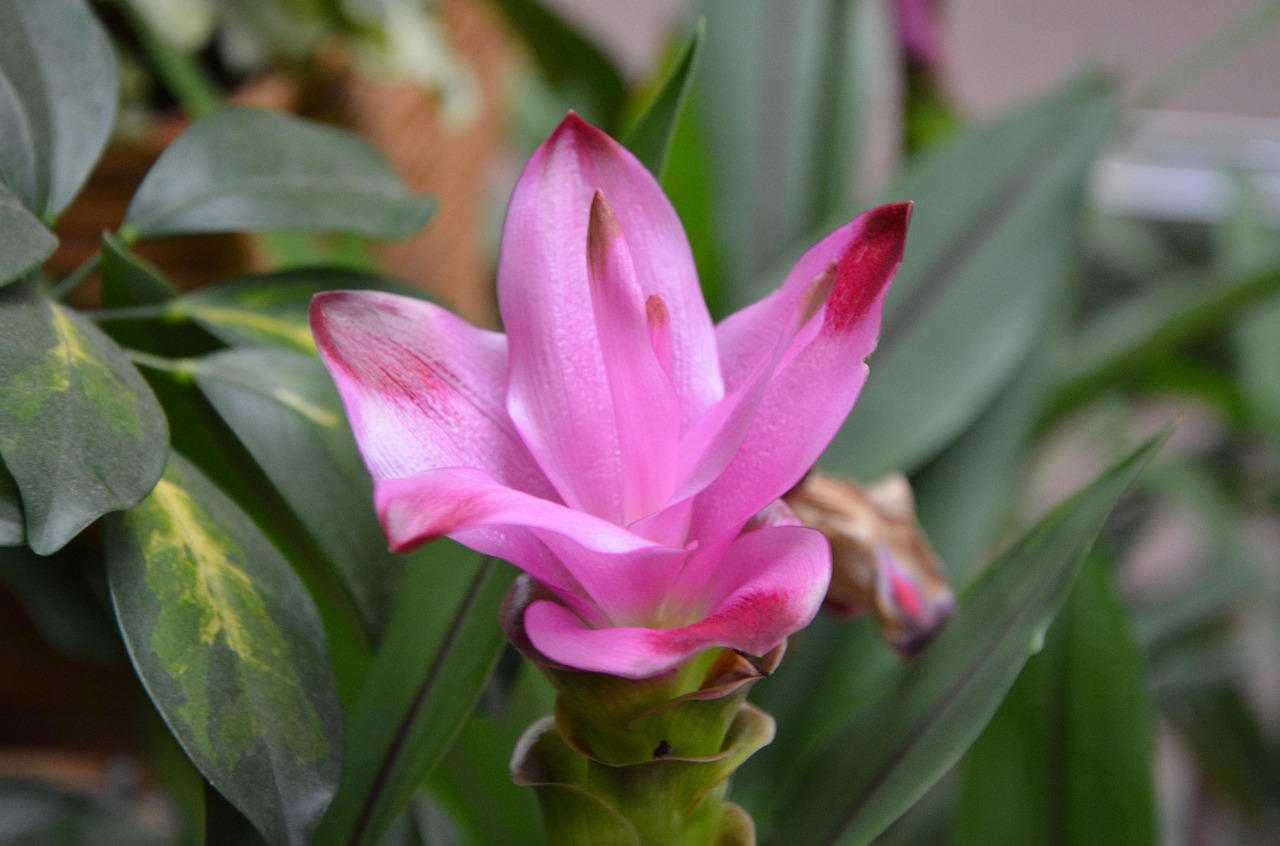
Flowers
- Pale yellow or white flowers
- Arranged in cone-like spikes
- Appear during the mid to late growing season
- Mainly ornamental; not used medicinally
Rhizomes
- Thick, fleshy underground stems
- Bright orange-yellow interior
- The main economic and medicinal part of the plant
Native Habitat and Distribution
Turmeric is native to the Indian subcontinent and Southeast Asia. It thrives in warm, humid climates and is widely cultivated in India, Sri Lanka, Bangladesh, Thailand, and Indonesia.
Climate Requirements
- Prefers tropical and subtropical climates
- Ideal temperature range: 20°C–35°C
- Requires moderate to high rainfall
- Sensitive to frost and cold conditions
Soil Requirements
- Well-drained, fertile loamy soil
- Rich in organic matter
- Slightly acidic to neutral pH (6.0–7.5)
- Avoid waterlogged or compacted soil
Nutritional and Medicinal Importance of Turmeric
The medicinal value of turmeric is primarily due to curcumin, a bioactive compound with strong antioxidant and anti-inflammatory properties.
Key Compounds
- Curcumin
- Essential oils
- Polyphenols
- Minerals like iron and potassium
Uses and Benefits of Turmeric
Medicinal Benefits
Turmeric has been traditionally used to:
- Reduce inflammation and joint pain
- Support immune system function
- Aids digestion andimprovese gut health
- Promote wound healing
- Support liver health
- Improve skin conditions
- Act as a natural antioxidant
Turmeric milk, herbal decoctions, and powders are common household remedies.
Culinary Uses
Turmeric is a staple spice in Indian cuisine:
- Used in curries, dals, and vegetable dishes
- Acts as a natural food preservative
- Adds color, flavor, and aroma to food
Skin and Beauty Uses
- Applied as face packs for glowing skin
- Used to reduce acne and blemishes
- Traditional pre-wedding rituals include turmeric application
Cultural and Religious Importance
Turmeric plays a significant role in Indian traditions:
- Used in religious ceremonies
- Considered auspicious and purifying
- Symbol of prosperity and health
How to Groa w Turmeric Plant
Propagation Method
Turmeric is propagated using rhizomes, not seeds.
Steps:
- Select healthy, disease-free rhizomes
- Cut into pieces with at least one bud
- Plant directly in the soil
Planting Location
- Open area with partial to full sunlight
- Can be grown in gardens, fields, or large containers
Sunlight Requirement
- Prefers partial sunlight
- Can tolerate full sun with adequate moisture
Planting Turmeric
Best Time to Plant
- Planting is usually done during the early monsoon
- Warm soil and moisture support rapid sprouting
Planting Process
- Prepare the soil with compost
- Plant rhizomes 5–7 cm deep
- Space plants adequately
- Water thoroughly after planting
Care and Maintenance
Watering
- Requires regular watering during growth
- Soil should remain moist but not soggy
- Reduce watering as the plant matures
Fertilization
- Organic manure before planting
- Compost or vermicompost during growth
- Avoid excessive chemical fertilizers
Mulching
- Helps retain soil moisture
- Controls weeds
- Improves soil quality
Pest and Disease Management
Common issues may include:
- Rhizome rot
- Leaf spot disease
Good drainage and organic treatments help prevent problems.
Harvesting and Yield
Harvesting
- Harvested 7–9 months after planting
- Leaves turn yellow and dry
- Rhizomes are carefully dug out
Processing
- Rhizomes are boiled, dried, and ground into powder
- Proper processing preserves color and potency
Recommended Products
Disclosure: As an Amazon Associate, PlantsInfo may earn from qualifying purchases.
🌱 Plant Care Essentials
The following tools can help with pruning, plant health, soil management, and fruit garden maintenance.

Neem Oil for Plant Care
Natural plant protection against aphids, whiteflies, mites, and other common garden pests.

Fungicide for Root Care
Helps suppress soil-borne fungal diseases and supports healthier root systems.

Spray Bottle for Plants
Ideal for applying foliar sprays, neem oil solutions, and liquid plant treatments.

Rubber Hand Gloves
Protects hands during pruning, planting, soil preparation, and garden maintenance.
Environmental and Agricultural Importance
- Improves soil health when rotated with other crops
- Suitable for intercropping
- Supports sustainable farming systems
Ayurvedic and Traditional Importance
In Ayurveda, turmeric is classified as a healing and purifying herb. It is widely used in formulations for skin, digestion, immunity, and joint health. Turmeric’s role as both food and medicine makes it a unique plant in traditional knowledge systems.
Epilogue
Turmeric (Curcuma longa) is a versatile and invaluable plant that bridges the gap between food, medicine, and culture. Its long history of use, powerful medicinal properties, and ease of cultivation make it an essential plant for Indian households and medicinal gardens. Whether grown for personal use or agricultural purposes, turmeric continues to be one of the most important plants in traditional and modern plant knowledge.
Frequently Asked Questions (FAQs) About Turmeric Plant
1. What is the turmeric plant mainly used for?
The turmeric plant is mainly used for its medicinal and culinary value. The rhizome is used as a spice in cooking and as a traditional remedy to support immunity, reduce inflammation, aid digestion, and promote skin health.
2. Is turmeric and haldi the same?
Yes, turmeric and haldi refer to the same plant. Curcuma longa is the scientific name, while “haldi” is the commonly used name in India.
3. Can turmeric be grown at home?
YesAreturmeric can be easily grown at home in gardens or large containers. It requires warm weather, well-drained soil, partial sunlight, and regular watering during the growing season.
4. How long does turmeric take to grow?
Turmeric typically takes 7–9 months from planting to harvest. The rhizomes are ready to harvest when the leaves turn yellow and begin to dry.
5. Which part of the turmeric plant is used?
The rhizome (underground stem) is the most commonly used part of the turmeric plant. It is processed into fresh turmeric, dried turmeric, or turmeric powder.
6. What climate is best for growing turmeric?
Turmeric grows best in tropical and subtropical climates with warm temperatures and moderate to high rainfall. It does not tolerate frost or very cold conditions.
7. Does turmeric need a lot of water?
Turmeric needs regular watering during its active growth phase, but the soil should not be waterlogged. Good drainage is essential to prevent rhizome rot.
8. Can turmeric be grown in pots?
Yes, turmeric can be grown in large pots or grow bags. The container should be deep enough to allow rhizome development and must have proper drainage holes.
9. Is turmeric a perennial plant?
Turmeric is a perennial plant that regenerates from rhizomes. However, it is often grown seasonally, as the above-ground parts die back after harvest.
10. Are there any side effects of using turmeric?
Turmeric is generally safe when used in normal dietary amounts. Excessive consumption may cause digestive discomfort in some individuals. People with medical conditions should consult a healthcare professional before using turmeric supplements regularly.
10. Are there any side effects of using turmeric?
Turmeric is generally safe when used in normal dietary amounts. Excessive consumption may cause digestive discomfort in some individuals. People with medical conditions should consult a healthcare professional before using turmeric supplements regularly.
Plants Info is a growing plant knowledge platform where you can explore reliable information, growing guides, and care tips for medicinal and garden plants.