Introduction to the Sunflower Plant
The sunflower plant is a well-known flowering plant admired for its large, bright blooms and distinctive growth habit. Scientifically known as Helianthus annuus, the sunflower belongs to the Asteraceae family and is cultivated across many parts of the world for ornamental, agricultural, and practical purposes. Its tall stems, broad leaves, and prominent flower heads make it one of the most recognizable plants in gardens and fields.
Classification
- Plant Type
- Herb
- Lifecycle
- Annual
- Leaf Habit
- Deciduous
- Native Region
- North America
- Plant Family
- Asteraceae
Sunflowers are valued not only for their visual appeal but also for their adaptability and relatively simple growing requirements. They are commonly grown in home gardens, farms, and landscapes, and are often associated with open spaces and sunny environments. Due to their fast growth and reliable flowering, sunflower plants are frequently chosen by both beginner and experienced gardeners.
Quick Plant Information
| Attribute | Details |
|---|---|
| Common Names | Sunflower |
| Scientific Name | Helianthus annuus |
| Family | Asteraceae |
| Plant Type | Flowering plant |
| Lifespan | Annual |
| Native Region | North America |
| Growth Habit | Upright, erect herb |
| Average Height | 1–3 meters |
| Leaf Characteristics | Large, rough, heart-shaped |
| Flower Color | Yellow with dark central disc |
| Sunlight Requirement | Full sunlight |
| Water Requirement | Moderate |
| Soil Type | Well-drained loamy soil |
| Toxicity | Non-toxic |
Botanical Characteristics of the Sunflower Plant
Growth Habit
The sunflower plant grows as a tall, upright annual herb with a strong central stem. It typically develops a single main flowering head, although some varieties may produce multiple smaller blooms through branching.
Height and Spread
- Height ranges from 1 to 3 meters, depending on the variety
- Some ornamental or dwarf varieties remain much shorter
- Spread is moderate, primarily determined by leaf size
The plant’s vertical growth makes it suitable for borders, backgrounds, and open garden areas.
Stem
- Thick, sturdy, and fibrous
- Covered with fine hairs
- Capable of supporting large flower heads
Strong stems help the plant withstand wind when grown in open areas.
Leaves
- Large, broad, and heart-shaped
- Rough texture with visible veins
- Arranged alternately along the stem
The large leaf surface plays a key role in energy production through photosynthesis.
Flowers
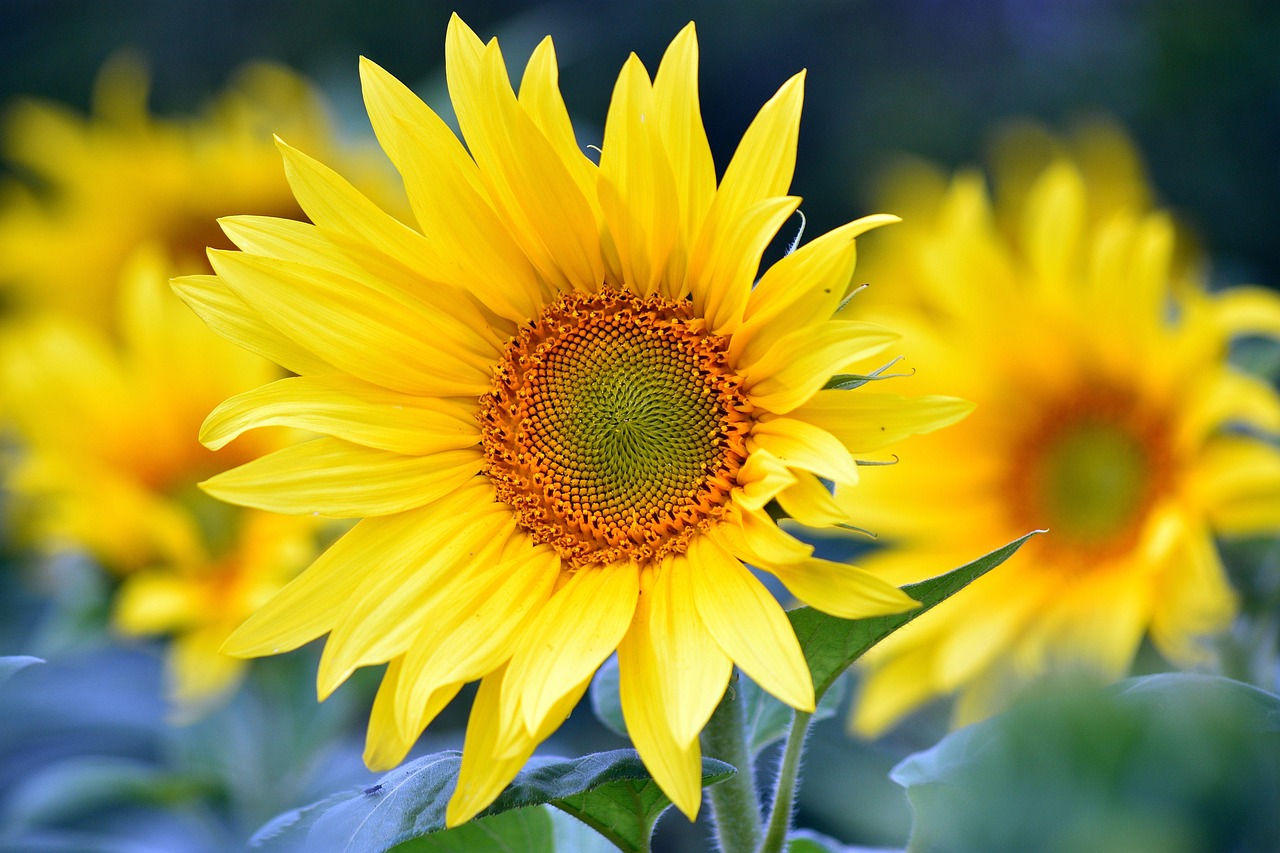
The sunflower is actually a composite flower head made up of many small individual flowers.
- Outer ray florets appear as bright yellow petals
- Inner disc florets form the dark central area
- Flower heads typically face the sun during early growth stages
Flower size varies widely depending on the cultivar.
Roots
- Develops a strong taproot system
- Supported by lateral roots
- Helps anchor the tall plant and absorb nutrients
Native Habitat and Distribution
The sunflower plant is native to North America, where it was historically grown by Indigenous communities. Over time, sunflower cultivation spread to other regions due to its adaptability and usefulness.
Today, sunflowers are grown across:
- Asia
- Europe
- Africa
- South America
Climate Requirements
- Warm, sunny climates
- Ideal temperature range: 18°C–30°C
- Sensitive to frost
Soil Requirements
- Well-drained soil is essential
- Performs best in fertile loamy soil
- Tolerates slightly acidic to neutral pH
Types and Varieties of Sunflower
Sunflower varieties are broadly categorized based on use and appearance.
Common types include:
- Tall, single-head varieties
- Multi-branching ornamental varieties
- Dwarf varieties suitable for pots
- Seed-producing agricultural varieties
Variety selection depends on available space and growing purpose.
Uses and Importance of the Sunflower Plant
Ornamental Uses
Sunflowers are widely grown for:
- Garden decoration
- Landscape design
- Floral arrangements
Their bright appearance makes them a focal point in many settings.
Agricultural Uses
Sunflowers are cultivated on a large scale for:
- Seed production
- Oil extraction
- Livestock feed (in some regions)
Cultural Significance
Sunflowers have symbolized positivity, warmth, and vitality in various cultures. Their association with sunlight has made them popular in art and traditional symbolism.
How to Grow a Sunflower Plant
Propagation
Sunflowers are primarily grown from seeds.
- Seeds are easy to germinate
- Direct sowing is preferred
- Transplanting is generally avoided
Planting Location
- Open area with full sunlight
- Protection from strong winds, if possible
- Adequate spacing for air circulation
Sunlight Requirement
- Requires full sunlight throughout the day
- Insufficient light results in weak growth and smaller flowers
Planting Sunflower Seeds
Best Time to Plant
- After the last frost
- When soil temperatures are warm
Planting Steps
- Prepare loose, well-drained soil
- Sow seeds ata shallow depth
- Space seeds adequately
- Water gently after sowing
Seeds usually germinate within a short period under favorable conditions.
Care and Maintenance of Sunflower Plant
Watering
- Regular watering during early growth
- Moderate watering once established
- Avoid waterlogging
Fertilization
- Sunflowers respond well to fertile soil
- Organic compost improves growth
- Excess fertilizer may cause weak stems
Support
- Tall varieties may require staking
- Support prevents lodging in windy areas
Mulching
- Helps retain soil moisture
- Suppresses weed growth
Recommended Products
Disclosure: As an Amazon Associate, PlantsInfo may earn from qualifying purchases.
🌱 Plant Care Essentials
The following tools can help with pruning, plant health, soil management, and fruit garden maintenance.

Neem Oil for Plant Care
Natural plant protection against aphids, whiteflies, mites, and other common garden pests.

Fungicide for Root Care
Helps suppress soil-borne fungal diseases and supports healthier root systems.

Spray Bottle for Plants
Ideal for applying foliar sprays, neem oil solutions, and liquid plant treatments.

Rubber Hand Gloves
Protects hands during pruning, planting, soil preparation, and garden maintenance.
Common Problems and Pests
Sunflower plants may encounter:
- Aphids
- Caterpillars
- Fungal diseases in humid conditions
Maintaining good air circulation and hygiene reduces most issues.
Flowering and Seed Development
Flowering Stage
- Flowers appear during warm months
- Bloom duration varies by variety
Seed Formation
- Seeds develop in the central disc
- Mature seeds harden and darken
Harvesting and Post-Flowering Care
Harvesting Seeds
- Heads are harvested when seeds mature
- Dried naturally before seed removal
After Flowering
- Plants complete their life cycle after seed formation
- Residues can be composted
Lifespan and Growth Cycle
The sunflower plant is an annual, completing its life cycle within a single growing season. From seed germination to flowering and seed production, the entire process occurs within a few months.
Environmental Benefits
- Attracts pollinators such as bees
- Supports garden biodiversity
- Improves visual diversity in landscapes
Conclusion
The sunflower plant (Helianthus annuus) is a striking and versatile flowering plant valued for its bright blooms, upright growth habit, and ease of cultivation. Whether grown for ornamental beauty, seed production, or landscape enhancement, sunflowers remain a popular choice across regions and climates. With proper sunlight, soil preparation, and routine care, sunflower plants can thrive and complete their life cycle successfully within a single growing season.
Frequently Asked Questions (FAQs) About Sunflower Plant
Is the sunflower plant annual or perennial?
The sunflower plant is an annual plant, meaning it completes its entire life cycle—from seed to flowering and seed production—within one growing season.
How long does a sunflower plant take to grow?
Most sunflower plants take 70 to 100 days from seed sowing to flowering, depending on the variety and growing conditions.
Can sunflower plants be grown in home gardens?
Yes, sunflower plants are well-suited for home gardens. Dwarf and ornamental varieties are especially suitable for small spaces and container gardening.
How much sunlight do sunflower plants need?
Sunflower plants require full sunlight, ideally at least 6–8 hours of direct sunlight per day, to grow properly and produce large flowers.
How often should sunflower plants be watered?
Sunflower plants need regular watering during early growth. Once established, moderate watering is sufficient, and the soil should not remain waterlogged.
Do sunflower plants need support?
Tall sunflower varieties may require staking or support, especially in windy areas, to prevent the stems from bending or breaking.
What type of soil is best for sunflower plants?
Sunflowers grow best in well-drained, fertile loamy soil. They can tolerate a range of soil types but perform poorly in waterlogged conditions.
Why are my sunflower flowers small?
Small flowers may result from insufficient sunlight, poor soil nutrition, overcrowding, or irregular watering during growth.
Are sunflower plants toxic?
No, sunflower plants are non-toxic and are generally safe to grow in home gardens.
Can sunflower seeds be harvested for replanting?
Yes, mature sunflower seeds can be harvested and stored for replanting, provided they are fully developed and properly dried.
Visit the Plants Info homepage to discover detailed plant information, care tips, and growing guides for a wide variety of garden plants.