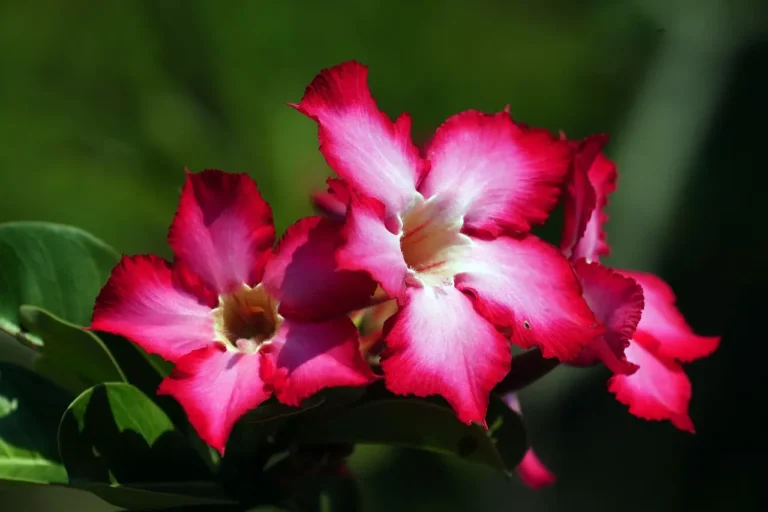
The Ashoka Tree (Saraca asoca), also spelled Saraca asoka, is a renowned evergreen to semi-evergreen tree widely recognized for its cultural, botanical, and ecological significance in the Indian subcontinent. It is traditionally associated with classical literature, temple landscapes, and historical gardens, where it is valued for its dense foliage and vibrant seasonal flowering. The tree belongs to the legume family and is distinct from the commonly misidentified ornamental “false ashoka” (Polyalthia longifolia).
Classification
Botanically, the Ashoka Tree is notable for its spreading canopy, compound leaves, and clustered flowers that transition in color as they mature. Beyond its ornamental appeal, the species has long-standing importance in traditional knowledge systems and conservation discussions due to its declining presence in the wild.
Quick Plant Information
| Attribute | Details |
|---|---|
| Common Names | Ashoka Tree, Sita Ashoka |
| Scientific Name | Saraca asoca |
| Family | Fabaceae |
| Plant Type | Flowering tree |
| Lifespan | Perennial |
| Native Region | Indian subcontinent |
| Growth Habit | Upright, spreading canopy |
| Average Height | 6–10 meters |
| Leaf Characteristics | Pinnate, glossy, dark green |
| Flower Color | Yellow, orange to red |
| Sunlight Requirement | Partial sun to full sun |
| Water Requirement | Moderate |
| Soil Type | Well-drained, fertile soil |
| Toxicity | Non-toxic |
Botanical Characteristics
The Ashoka Tree is a medium-sized flowering tree characterized by a dense, rounded crown and smooth to slightly fissured bark. Its leaves are paripinnate, consisting of multiple lance-shaped leaflets arranged symmetrically along a central rachis. Young leaves often emerge in lighter shades before maturing into deep green, contributing to the tree’s layered visual texture.
The flowers are borne in compact, terminal clusters and are among the most distinguishing features of the species. Individual flowers lack petals but possess brightly colored sepals that shift from yellow or orange to deep red as they age. Numerous prominent stamens extend outward, giving the inflorescences a brush-like appearance.
Fruits develop as flat, leathery pods containing several seeds. These pods mature gradually and may remain on the tree for extended periods, adding to its seasonal variability.
Native Habitat and Distribution
Saraca asoca is native to the tropical and subtropical regions of the Indian subcontinent, particularly the Western Ghats, central India, and parts of the eastern Himalayan foothills. In its natural habitat, the tree is commonly found in moist, deciduous forests and along riverbanks, where humidity and soil fertility support steady growth.
Historically, the Ashoka Tree has been cultivated in palace gardens, temple compounds, and monastery grounds, leading to its widespread presence beyond native forest ecosystems. While it remains cultivated across South Asia, natural populations have declined in several regions due to habitat loss and overexploitation.
As a result, the species is increasingly associated with conservation-focused planting and botanical collections.
Common Varieties or Types
The genus Saraca comprises several species, though Saraca asoca is the most widely recognized and culturally significant. Other related species include Saraca indica and Saraca thaipingensis, which share similar floral structures but differ in distribution and morphological details.
Within cultivated landscapes, variations are primarily observed in flower color intensity, canopy spread, and growth rate rather than formally recognized cultivars. These differences are often influenced by local environmental conditions rather than genetic selection.
Uses and Importance
The Ashoka Tree holds substantial importance in cultural, historical, and traditional contexts. It is frequently referenced in ancient Indian literature, art, and religious symbolism, where it is associated with fertility, love, and renewal. The tree is often planted in sacred spaces, reinforcing its symbolic role across generations.
In traditional knowledge systems, various parts of the tree have been historically documented for their significance in herbal formulations. Due to these associations, the species has gained recognition in ethnobotanical studies and conservation literature.
Additionally, its ornamental value makes it a favored tree for heritage gardens, institutional campuses, and landscape designs that emphasize native flora.
Growth Behavior and Care
The Ashoka Tree exhibits moderate growth, developing a balanced canopy over time. It demonstrates a preference for warm, humid environments and shows consistent foliage density when grown under favorable conditions. The tree responds well to seasonal rainfall patterns, with active vegetative growth typically observed during warmer months.
Root systems are relatively shallow but wide-spreading, supporting stability and nutrient uptake. Leaf shedding is minimal compared to deciduous species, contributing to its evergreen or semi-evergreen appearance in suitable climates.
Lifecycle, Flowering, and Fruiting Patterns
As a perennial tree, Saraca asoca follows a long-term growth cycle marked by gradual structural development. Flowering generally occurs seasonally, often in late winter to spring, though timing may vary by region.
The flowering phase is visually prominent, with clusters attracting insects that facilitate pollination. Fruit development follows flowering, with pods maturing over several months. Seed dispersal occurs naturally as pods dry and split.
The tree’s reproductive cycle plays a key role in sustaining both cultivated and wild populations where conditions remain supportive.
Environmental or Ecological Value
Ecologically, the Ashoka Tree contributes to forest biodiversity by providing habitat and shelter for insects, birds, and small fauna. Its flowers serve as a seasonal resource for pollinators, while its canopy offers shade and microhabitats within planted landscapes.
In native ecosystems, the species forms part of mixed forest assemblages that support soil stability and moisture retention. Due to its declining wild populations, the Ashoka Tree is often discussed within conservation frameworks focused on preserving indigenous tree species.
Conclusion
The Ashoka Tree (Saraca asoca) stands as a botanically distinct and culturally embedded species within South Asian landscapes. Its characteristic foliage, seasonal flowering, and historical associations contribute to its enduring relevance in plant databases and botanical studies.
As both an ornamental and ecologically valuable tree, it represents the intersection of natural heritage and cultivated tradition. Accurate documentation and awareness of its botanical identity remain essential for distinguishing it from visually similar species and for supporting long-term conservation understanding.
Recommended Products
Disclosure: As an Amazon Associate, PlantsInfo may earn from qualifying purchases.
🌱 Plant Care Essentials
The following tools can help with pruning, plant health, soil management, and fruit garden maintenance.

Neem Oil for Plant Care
Natural plant protection against aphids, whiteflies, mites, and other common garden pests.

Fungicide for Root Care
Helps suppress soil-borne fungal diseases and supports healthier root systems.

Spray Bottle for Plants
Ideal for applying foliar sprays, neem oil solutions, and liquid plant treatments.

Rubber Hand Gloves
Protects hands during pruning, planting, soil preparation, and garden maintenance.
Frequently Asked Questions (FAQs)
Is the Ashoka Tree evergreen or deciduous?
The Ashoka Tree is generally evergreen to semi-evergreen, depending on climate and regional conditions.
Are Ashoka Tree flowers fragrant?
The flowers are mildly fragrant, with scent intensity varying by flowering stage and environment.
Is Ashoka Tree the same as Polyalthia longifolia?
No. Saraca asoca is botanically distinct from Polyalthia longifolia, which is often incorrectly referred to as false ashoka.
Does the Ashoka Tree produce fruits?
Yes. The tree produces flat seed pods that develop after flowering.
Is the Ashoka Tree toxic?
The Ashoka Tree is not considered toxic to humans or animals.
Plants Info presents detailed, reference-focused profiles of trees, herbs, shrubs, and flowering plants with an emphasis on botanical accuracy and long-term knowledge value. The Ashoka Tree profile contributes to this growing plant database by documenting traditional species alongside their ecological and cultural context, supporting informed understanding of native and historically significant plants.