Complete Tomato Plant (Solanum lycopersicum L.) Guides
Growing Guide
Problems & Diseases
Flowering Season
Introduction
Solanum lycopersicum L., commonly known as tomato or cultivated tomato, is a member of the family Solanaceae. Kew treats it as a scrambling subshrub and records its native range as a cultigen from Peru; its present global occurrence largely reflects cultivation and subsequent introduction rather than a broad native distribution.
Classification
- Plant Type
- Herb
- Lifecycle
- Annual
- Leaf Habit
- Deciduous
- Native Region
- Andean Region, South America
- Plant Family
- Solanaceae
As a cultivated species, S. lycopersicum is ecologically distinctive for its close association with human-managed environments. Its wild and semi-domesticated relatives occur across the western Andean region, while the cultivated lineage has undergone extensive genetic and phenotypic modification associated with domestication. Population-genomic evidence indicates a complex domestication history involving South American intermediate populations and subsequent selection in Mesoamerica.
Tomato cultivation has a long pre-Columbian history in the Americas, followed by movement to Europe and subsequent worldwide dissemination. Modern domestication research supports Mexico as an important region in the emergence of the common cultivated tomato while recognizing that the broader domestication pathway was more complex than a simple single-origin model. The species is now globally important as a food crop and as a major experimental system for plant genetics, development, and crop improvement.
Identity
Quick Plant Information
| Field | Info |
|---|---|
| Accepted name | Solanum lycopersicum L. |
| Family | Solanaceae |
| Common names | Tomato; cultivated tomato; garden tomato |
| Life form | Scrambling subshrub |
| Native range | Peru, treated by Kew as a cultigen |
| Conservation status | IUCN Red List: Not Evaluated |
| Uses category | Food; animal food; medicine; social and environmental uses |
The accepted name, life form, native-range treatment, and uses are supported by Kew’s current species treatment; common names and the IUCN status are independently documented in authoritative species resources.
Classification and Taxonomy
| Rank | Taxon |
|---|---|
| Kingdom | Plantae |
| Phylum | Streptophyta |
| Class | Equisetopsida |
| Subclass | Magnoliidae |
| Order | Solanales |
| Family | Solanaceae |
| Genus | Solanum |
| Species | Solanum lycopersicum L. |
Kew’s current Plants of the World Online classification places the species in Solanum, family Solanaceae, order Solanales, and recognizes Solanum lycopersicum L. as the accepted species name.
No formally recognized infraspecific rank is included in the current accepted taxon treatment used here. Historical names such as Lycopersicon esculentum Mill. are treated as synonyms rather than as the accepted species.
Related Species of Significance
| Species | Relationship | Distinguishing Note |
|---|---|---|
| Solanum pimpinellifolium L. | Closely related wild tomato | Red-fruited wild species and an important relative in studies of tomato domestication and crop improvement |
| Solanum cheesmaniae (L. Riley) Fosberg | Closely related tomato-clade species | Endemic to the Galápagos Islands |
| Solanum galapagense S.C. Darwin & Peralta | Closely related tomato-clade species | Galápagos endemic and closely related to S. cheesmaniae |
These species belong to the closely related tomato clade; S. pimpinellifolium is particularly significant for reconstructing cultivated-tomato domestication, while S. cheesmaniae and S. galapagense form a closely related Galápagos lineage.
Taxonomic Context
The principal nomenclatural confusion concerns the historical use of Lycopersicon esculentum Mill. and related Lycopersicon combinations for tomato. Linnaeus originally described S. lycopersicum in 1753, while Miller subsequently established Lycopersicon esculentum; modern taxonomic treatments place the cultivated tomato within Solanum.
For researchers consulting older literature, searches limited to Solanum lycopersicum can therefore miss relevant records published under Lycopersicon esculentum and related combinations.
Cytogenetics
| Parameter | Info | Source |
|---|---|---|
| Chromosome number | 2n = 24 | Pavan, van Heusden & Bai (2009) |
The cultivated tomato is diploid with 24 somatic chromosomes. Species-specific cytological work also documents the 2n = 24 complement directly in S. lycopersicum.
The chromosome number is well established, although variation has been reported in some cultivated material and should not be generalized without accession-level qualification.
Scientific Stability and Nomenclature
The current accepted name is Solanum lycopersicum L., originally published by Linnaeus in Species Plantarum in 1753.
A major historical reclassification moved tomato between Solanum and the segregate genus Lycopersicon. Lycopersicon esculentum Mill. became a widely used name, but current authoritative treatments recognize it as a synonym of S. lycopersicum. This nomenclatural history is important when interpreting older taxonomic, breeding, genetic, and agronomic literature.
Form
Growth Habit and Architecture
Solanum lycopersicum is a herbaceous tomato with a highly variable shoot architecture. Plants may be erect, procumbent, trailing, or straggling, and cultivated genotypes differ substantially in determinate versus indeterminate growth habit. The architecture is therefore strongly genotype-dependent rather than represented by a single fixed form.
The characteristic tomato gestalt is a soft, pubescent shoot with compound foliage, repeatedly branched stems, and terminal or apparently lateral flower clusters produced as the vegetative shoot develops. In indeterminate types, vegetative and reproductive growth can continue through successive inflorescences; determinate types terminate shoot extension after a limited sequence of inflorescences.
| Field | Info |
|---|---|
| Life form | Herbaceous annual; perennial behaviour can occur under suitable conditions |
| Mature height | Up to about 2 m in documented botanical treatments |
| Stem type | Weak, fleshy to herbaceous; erect, procumbent, trailing or straggling |
| Bark/surface texture | Not applicable as a woody-bark character; stems are pubescent, including glandular hairs |
| Branching pattern | Spreading or ascending; architecture varies among genotypes |
| Root morphology overview | Primary/taproot system with lateral and adventitious roots |
| Distinguishing architectural feature | Strongly variable determinate and indeterminate shoot architectures |
Stem
The stem provides a useful field character because young tomato shoots are typically soft, green, and conspicuously pubescent rather than woody. Glandular hairs contribute to the characteristic viscid surface of vegetative and reproductive shoots.
| Field | Info |
|---|---|
| Stem type | Herbaceous, fleshy or weak |
| Cross-section shape | Angular to angled |
| Surface texture | Pubescent-hairy, including glandular and eglandular hairs |
| Young/mature colour | Green |
| Thorn/spine/wing status | Unarmed |
| Internal structure | Not documented in available literature. |
Leaves
Tomato leaves are alternate and compound, with a strongly dissected appearance that is immediately useful for field recognition. Leaf architecture varies among cultivated genotypes, but the typical blade consists of larger lateral leaflets interspersed with smaller leaflets along the rachis. Pubescence and glandular hairs are characteristic surface features.
| Field | Info |
|---|---|
| Presence | Present |
| Leaf type | Alternate, compound and imparipinnate |
| Size | Commonly about 9–31 × 6–14 cm in a documented flora treatment |
| Colour | Green |
| Arrangement | Alternate |
| Special features | Deeply incised or serrate leaflets; viscid pubescence; smaller interstitial leaflets may occur |
Flowers
Tomato flowers are yellow and typically borne in racemose or forked cymes. The corolla is stellate, while the stamens form a conspicuous cone around the style. The combination of yellow, star-shaped corolla and connivent yellow anthers is diagnostically important within the cultivated plant.
| Field | Info |
|---|---|
| Inflorescence type | Racemose simple or forked cyme |
| Flower diameter | About 1.4–2.4 cm |
| Sepals | Five, narrowly triangular to lanceolate; persistent and reflexed in fruit |
| Petals | Five, yellow, stellate; lobes reflexed after anthesis |
| Stamens | Five; anthers connivent into a cone |
| Pistil | Ovary usually bilocular but potentially plurilocular in cultivated varieties; style and capitate stigma |
| Fragrance | Not documented in available literature |
| Anthesis | Not documented in available literature |
Fruit
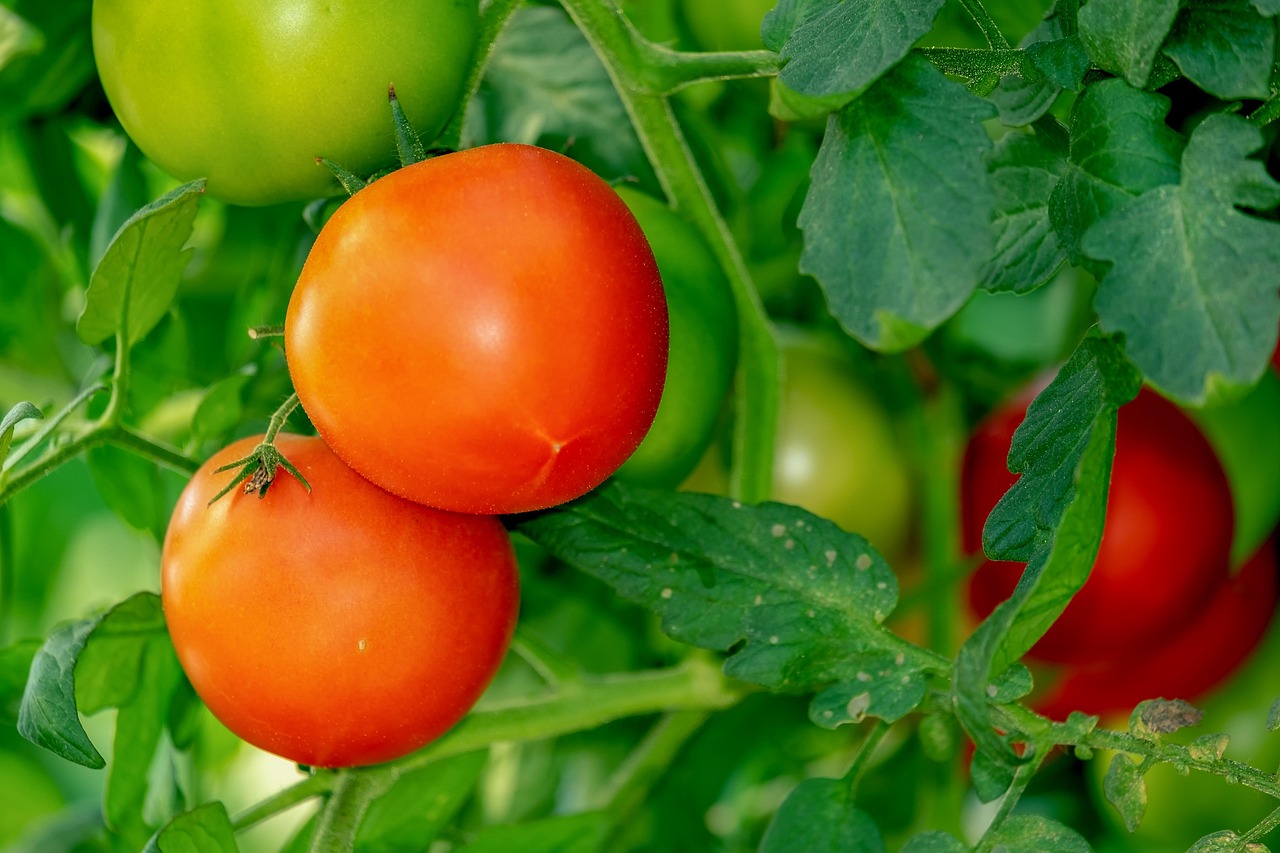
The tomato fruit is a fleshy berry whose external form is extraordinarily variable among cultivated genotypes. Variation includes differences in size, shape, ribbing, colour and shoulder expression, making fruit morphology one of the most important characters for cultivar recognition.
| Field | Info |
|---|---|
| Fruit type | Berry |
| Shape | Globose, ovoid, pyriform, depressed or irregularly lobed; highly variable among cultivars |
| Length | Not documented as a single species-wide value |
| Diameter | About 1–10 cm in documented botanical treatments |
| Weight | Not documented as a single species-wide value |
| Skin colour | Red, orange or yellow at maturity; additional colours occur among cultivated genotypes |
| Surface features | Smooth or ribbed; green shoulder may be present in some genotypes |
| Flesh colour/texture | Fleshy; mature colour varies among genotypes |
| Seed count | Usually more than 100 in documented botanical treatment |
| Sugar content | Not documented as a single species-wide value |
| Maturation period | Not documented as a single species-wide value |
Seeds
Tomato seeds are small, flattened, and enclosed within mucilaginous tissue in the fruit. Their surface morphology and size provide additional diagnostic characters, although substantial variation can occur among cultivated material.
| Field | Info |
|---|---|
| Size | About 3–3.8 × 1.7–2.4 mm in a documented flora treatment |
| Shape | Elliptic-ovoid and flattened |
| Colour | Yellow to light brown |
| Seed coat | Verrucate; surface may retain strand-like remnants of thickening |
| Oil content | Not documented in available literature. |
| Viability period | Not documented in available literature |
| Germination rate | Not documented in available literature |
Root System
Tomato develops a primary or taproot system that branches extensively through lateral roots; adventitious roots can also contribute to the mature root architecture. Studies of cultivated genotypes demonstrate substantial variation in lateral-root distribution, lateral-root length, and adventitious-root development. The resulting architecture is therefore structurally branched and developmentally plastic rather than a simple single-axis root system.
The root system contributes strongly to anchorage because the primary root and its lateral branches form the underground structural framework of the plant. Root architecture is also readily observable in seedlings and differs among genotypes, providing a useful morphological character in controlled comparative studies.
Field Identification
A tomato plant is most readily recognized by the combination of soft, pubescent stems; strongly divided alternate leaves; yellow, star-shaped flowers with a conspicuous cone of connivent anthers; and fleshy berries that vary widely in form and colour.
Single best distinguishing feature: the combination of deeply divided, aromatic/pubescent foliage with yellow stellate flowers and fleshy, highly variable berries is characteristic of cultivated tomato.
Normal vs. Concerning Observations
| Observation | Status | Notes |
|---|---|---|
| Soft, pubescent green stems | Normal | Characteristic vegetative morphology |
| Glandular or viscid stem and leaf surfaces | Normal | Glandular and eglandular hairs are documented |
| Strongly divided compound leaves | Normal | Characteristic tomato foliage |
| Variation between determinate and indeterminate shoot architecture | Normal | A documented feature of cultivated genotypes |
| Fruit shape and colour differing substantially among plants or cultivars | Normal | Tomato has extensive cultivated morphological diversity |
| Adventitious roots occurring in addition to the primary root system | Normal | Documented component of tomato root architecture |
| Markedly abnormal root branching relative to the genotype | Monitor | Root architecture varies genetically; interpretation requires genotype and growth context |
| Morphology substantially outside the expected cultivar phenotype | Investigate | Tomato cultivars can differ strongly, so identification should be checked against the relevant genotype rather than assumed from species-level morphology |
Cultivar Summary
Tomato has extensive documented cultivar diversity, so the cultivar section is applicable. The following examples are included because their identities and research roles are specifically documented.
| Cultivar | Key Characteristic | Commercial Status | Origin |
|---|---|---|---|
| Micro-Tom | Miniature, dwarf, determinate cultivar widely used as a tomato research model | Experimental | Developed at the University of Florida, USA |
| M82 | Determinate cultivar widely used in tomato genetic research | Experimental | Not documented in available literature. |
| Ailsa Craig | Non-dwarf cultivar used extensively in tomato genetic studies | Experimental | Not documented in available literature. |
Micro-Tom was generated from ‘Florida Basket’ and ‘Ohio 4013-3’ and developed at the University of Florida; subsequent work established its value as a compact model cultivar. M82 and Ailsa Craig are documented cultivated tomato lines used extensively in genetic studies.
Physiology and Phytochemistry
Functional Traits
Solanum lycopersicum combines C3 photosynthesis with substantial physiological plasticity in stomatal regulation, carbon assimilation, root development, and reproductive allocation. Species-specific studies demonstrate that tomato accessions differ in photosynthetic and water-use responses under drought, including changes in the relationship between mesophyll and stomatal conductance. This variation indicates that water-use efficiency is not a single fixed species trait but a genotype-dependent physiological property.
| Trait | Mechanism Description | Ecological Context |
|---|---|---|
| Photosynthetic pathway | C3 carbon fixation uses Rubisco to assimilate atmospheric CO₂ through the Calvin cycle | Supports rapid vegetative and reproductive growth under suitable light and temperature conditions |
| Water-use regulation | Stomatal conductance can decline during water deficit, restricting transpirational water loss; genotypes differ in the relationship between stomatal and mesophyll conductance | Provides a variable physiological response to drought rather than a uniform species-wide tolerance level |
| Growth-form strategy | Vegetative and reproductive growth can be maintained through repeated shoot development in indeterminate genotypes, whereas determinate genotypes terminate extension after a defined reproductive sequence | Produces major differences in resource allocation and developmental duration among cultivated genotypes |
| Reproductive allocation | Carbon assimilated through photosynthesis is partitioned among continuing vegetative growth, flowers and developing fruit | Supports the species’ characteristic high reproductive investment in fleshy berries |
| Chemical defence | Steroidal glycoalkaloids including α-tomatine and dehydrotomatine occur in tomato tissues and are associated with defence against biological antagonists | Particularly important in immature tissues, where glycoalkaloid concentrations are higher |
| Stress-response mechanism | Water deficit can alter stomatal and photosynthetic parameters and induce genotype-dependent physiological responses | Drought response differs among tomato genetic backgrounds and environments |
Physiological Integration
Tomato physiology reflects a balance between carbon acquisition, water conservation, and reproductive investment. Under water limitation, reduced stomatal conductance can limit water loss but also constrains CO₂ entry and therefore photosynthetic carbon assimilation. Species-specific studies show that accessions can differ in how mesophyll and stomatal conductances change together, indicating that the resulting water-use efficiency depends on coordinated regulation rather than on stomatal closure alone.
The same resource-allocation framework interacts with development: indeterminate genotypes continue producing vegetative and reproductive sinks, whereas determinate genotypes impose a stronger developmental endpoint. The literature supports these individual processes, but a single experimentally established quantitative model integrating architecture, water relations, photosynthesis, and reproductive allocation across the species is not established here.
Phytochemistry
Tomato has a chemically diverse specialized-metabolite profile. The best-characterized groups include carotenoids, phenolic compounds and steroidal glycoalkaloids. Characterization is particularly mature for fruit carotenoids and tomato glycoalkaloids, while the complete metabolite composition varies with genotype, developmental stage, tissue, and environment.
| Compound Class | Representative Compounds | Primary Location | Ecological or Biological Function |
|---|---|---|---|
| Carotenoids | Lycopene, β-carotene, phytoene, phytofluene, ζ-carotene, γ-carotene, neurosporene, lutein | Developing and ripe fruit; carotenoid profiles change strongly during ripening | Pigmentation and participation in photosynthetic and photoprotective processes; fruit carotenoid accumulation accompanies chloroplast-to-chromoplast transition |
| Phenolic compounds | Chlorogenic acid, caffeic acid, quercetin, kaempferol, rutin, naringenin | Fruit and vegetative tissues, with tissue- and developmental-stage-dependent distribution | Antioxidant and redox-associated functions; phenolics also participate in plant defence |
| Steroidal glycoalkaloids | α-Tomatine, dehydrotomatine | Leaves and other vegetative tissues; immature green fruit contains substantially more than ripe fruit | Chemical defence against pathogens and herbivores |
| Tocopherols | α-Tocopherol | Fruit and photosynthetic tissues | Lipid-phase antioxidant and membrane-protective function |
| Ascorbate | Ascorbic acid | Fruit and other metabolically active tissues | Redox metabolism and antioxidant buffering |
Carotenoid characterization is especially extensive. Lycopene is the dominant carotenoid of red ripe tomato fruit, accompanied by β-carotene and several upstream or related carotenoids.
Glycoalkaloid chemistry is likewise well characterized, particularly for α-tomatine and dehydrotomatine. Their distribution changes markedly during fruit development, with α-tomatine declining as the fruit ripens.
Phytochemical Organ Distribution
Direct organ-level evidence is sufficiently established to retain this conditional section.
| Organ | Compound Class | Representative Compounds | Concentration | Source |
|---|---|---|---|---|
| Leaves | Steroidal glycoalkaloids | α-Tomatine, dehydrotomatine | Concentration varies with developmental state and tissue; no single species-wide value established | Friedman et al. (2003) |
| Flowers | Steroidal glycoalkaloids | α-Tomatine, dehydrotomatine | Not documented as a single species-wide concentration | Friedman et al. (2003) |
| Stems | Steroidal glycoalkaloids | α-Tomatine, dehydrotomatine | Not documented as a single species-wide concentration | Friedman et al. (2003) |
| Roots | Steroidal glycoalkaloids | α-Tomatine, related tomato glycoalkaloids | Not documented as a single species-wide concentration | Friedman et al. (2003) |
| Green fruit | Steroidal glycoalkaloids | α-Tomatine, dehydrotomatine | Concentration changes substantially during ripening; values vary with developmental stage and material | Friedman et al. (2003); Kozukue et al. (2004) |
| Ripe fruit | Carotenoids | Lycopene, β-carotene, phytoene, phytofluene, lutein | Concentrations vary substantially among cultivars and fruit tissues | Shi & Le Maguer (2000); recent reviews |
| Ripe fruit | Phenolic compounds | Chlorogenic acid, caffeic acid, quercetin, rutin | Concentration varies with cultivar, tissue and ripening stage | Recent tomato phytochemistry reviews |
Phytochemical Significance
The phytochemical literature is disproportionately concentrated on tomato fruit, especially carotenoids and their ripening-associated changes. Within fruit chemistry, lycopene has received particularly extensive analytical and mechanistic attention, followed by β-carotene and other carotenoids. Fruit phenolics are also well represented, whereas comparable comprehensive characterization of roots, stems, and leaves is less extensive.
A second major research concentration concerns tomato glycoalkaloids, particularly α-tomatine and its related compounds. This literature is unusually valuable because it follows chemistry across multiple organs and developmental stages rather than treating the fruit as the sole chemically relevant tissue.
The characterization of these compounds is mature enough to establish compound identities and major distribution patterns, but concentration values remain highly context-dependent. Cultivar, ripening stage, tissue, environmental conditions, and analytical method can all alter reported concentrations. Consequently, isolated concentration values should not be generalized to the species without specifying their experimental context.
Evidence for direct synergistic or antagonistic relationships among tomato phytochemicals within the living plant is considerably less developed than the literature describing individual compounds and biosynthetic pathways. Such interactions should therefore not be treated as established species-level properties without specific experimental evidence.
Evidence, Nutrition, Soil Ecology, and Safety
Evidence Hierarchy for Medicinal Use
Solanum lycopersicum is a food species with substantial nutraceutical and health-related research. The evidence base is therefore applicable, but medicinal claims require separation between dietary associations, intervention evidence, and demonstrated clinical treatment effects.
| Evidence Layer | Status | Notes |
|---|---|---|
| Traditional Use | Documented | Tomato has a long history of food use and traditional applications, but traditional use does not establish therapeutic efficacy. |
| Nutritional Evidence | Documented | Tomato is well characterized as a food containing vitamin C, carotenoids, potassium, folate and dietary fibre. |
| In Vitro Studies | Documented | Numerous studies examine tomato constituents, particularly lycopene and related compounds, in cellular and biochemical systems. |
| Animal Studies | Documented | Animal studies have investigated tomato-derived compounds and preparations across cardiovascular, metabolic and toxicological endpoints. |
| Human Clinical Studies | Documented | Human intervention studies exist, particularly for tomato products and lycopene in cardiovascular-risk outcomes, but findings are heterogeneous. |
| Regulatory Recognition | Partial | Tomato is established as a conventional food; this does not constitute regulatory recognition of tomato as a treatment for disease. |
| Unsupported Commercial Claims | Documented | Commercial promotion can extend beyond the clinical evidence, particularly when food or lycopene products are presented as preventing or treating specific diseases. |
Evidence Assessment
The strongest human evidence concerns cardiovascular-risk biomarkers, not treatment of established disease. A 2017 systematic review and meta-analysis of intervention studies found associations between tomato supplementation and reductions in LDL cholesterol and IL-6, while lycopene supplementation was associated with reduced systolic blood pressure. Other outcomes were not consistently affected.
More recent evidence remains mixed. A 2023 GRADE-assessed systematic review and meta-analysis found that overall tomato or lycopene consumption did not significantly affect most assessed cardiovascular risk factors, although lycopene supplementation reduced malondialdehyde. A 2026 umbrella review reported stronger evidence for blood-pressure improvement but inconsistent lipid findings and very low certainty for HDL-cholesterol outcomes.
Accordingly, tomato and tomato-derived lycopene can be described as subjects of substantial nutritional and clinical research, but the evidence does not justify presenting tomato as a clinically established treatment for cardiovascular disease or other disorders.
Nutritional Composition
The following values apply to raw, red, ripe tomato represented by the USDA FoodData Central reference food and therefore should not be interpreted as universal values for every cultivar, maturity stage, growing environment, or processing state.
| Nutrient | Value per 100 g | Notes | Source |
|---|---|---|---|
| Energy | 18 kcal | Low energy density | USDA FoodData Central |
| Protein | 0.88 g | Low protein concentration | USDA FoodData Central |
| Total fat | 0.20 g | Very low total lipid content | USDA FoodData Central |
| Carbohydrate | 3.89 g | Includes naturally occurring sugars | USDA FoodData Central |
| Dietary fibre | 1.20 g | Contributes to total carbohydrate profile | USDA FoodData Central |
| Total sugars | 2.63 g | Primarily glucose and fructose | USDA FoodData Central |
| Potassium | 237 mg | Principal mineral contributor in the reference profile | USDA FoodData Central |
| Vitamin C | 13.7 mg | Meaningful source in the raw reference food | USDA FoodData Central |
| Folate | 15 µg DFE | Present at a relatively modest concentration | USDA FoodData Central |
| Vitamin A | 42 µg RAE | Includes provitamin-A carotenoid contribution | USDA FoodData Central |
| Vitamin E | 0.54 mg | Present primarily as α-tocopherol in the reference profile | USDA FoodData Central |
| Vitamin K | 7.9 µg | Present in the raw fruit | USDA FoodData Central |
| Vitamin B6 | 0.08 mg | Present at a modest concentration | USDA FoodData Central |
| Lycopene | Not fixed as a species-wide value | Concentration varies with cultivar, maturity and analytical conditions | USDA reference food; species-specific literature |
Nutritional Significance
Raw ripe tomato is characterized by high water content, low energy density and relatively modest protein and lipid concentrations. Its nutritional significance is therefore more closely associated with micronutrients, fibre and specialized food constituents than with macronutrient density.
Vitamin C and potassium are quantitatively relevant contributors in the reference food, while carotenoids provide additional nutritional significance. Lycopene is particularly important because its concentration varies strongly with cultivar and ripening state; consequently, a single value should not be treated as representative of the species as a whole.
Processing can substantially alter carotenoid availability and concentration per unit mass because water is removed and plant tissues are disrupted. The resulting nutritional profile therefore cannot be assumed to be equivalent between fresh fruit, juice, paste and other processed products. The evidence base supports this distinction, although a universal fresh-versus-processed conversion factor is not established.
Cultivar variation in nutritional composition is documented. Comparable species-wide quantitative characterization of cultivated versus genuinely wild material is less consistent and should not be generalized without specifying the genetic and production background.
Soil Ecology and Mycorrhizal Associations
Tomato has a well-documented rhizosphere microbiome containing diverse bacteria, archaea, and fungi. Studies of S. lycopersicum rhizospheres identify bacterial groups including Proteobacteria, Actinobacteria, Firmicutes, Acidobacteria and other taxa, with community composition influenced by soil and field conditions.
Arbuscular mycorrhizal fungi are documented in tomato and have been experimentally studied using both wild-type and mycorrhiza-defective tomato genotypes. The evidence supports a genuine plant–AMF association rather than merely incidental fungal presence.
At the functional level, tomato-associated rhizobacteria have been investigated for nutrient mobilization, plant-growth promotion, and antagonism toward soilborne pathogens. Reported functions include contributions to phosphorus, potassium, magnesium and nitrogen acquisition and biological suppression of some pathogens. These findings are strongest at the level of experimentally studied microbial associations rather than as a universal microbiome characteristic of every tomato population.
The rhizosphere literature is therefore relatively strong for microbial community structure, plant-growth-promoting bacteria and arbuscular mycorrhizal associations, but much less suitable for assigning one characteristic microbial consortium to the species. Soil type, field location, plant health, and management history can substantially alter observed communities.
A species-specific allelopathic mechanism attributable to a defined tomato phytochemical and demonstrably operating as a major soil-ecological process is not sufficiently established here to warrant a stronger claim.
Toxicity and Safety
| Subject | Toxic Compounds | Clinical Effects | Source |
|---|---|---|---|
| Humans | Steroidal glycoalkaloids, principally α-tomatine and related compounds, concentrated more strongly in green tissues and immature fruit | High exposure can produce gastrointestinal and systemic effects; ordinary ripe-fruit consumption is not equivalent to exposure to concentrated glycoalkaloids | Peer-reviewed toxicological literature; NC State Extension toxicology summary |
| Cats | Tomato glycoalkaloids, particularly in leaves and stems | Veterinary toxicology sources identify gastrointestinal and systemic risk from ingestion of tomato plant material; species-specific dose-response evidence is limited | Veterinary toxicology references |
| Dogs | Tomato glycoalkaloids, particularly in leaves and stems | Risk is principally associated with ingestion of plant material rather than ordinary ripe-fruit consumption; severity depends on exposure | Veterinary toxicology references |
| Livestock | Tomato glycoalkaloids, especially in foliage and immature plant material | Excessive consumption can produce gastrointestinal and systemic effects; susceptibility and exposure depend on species and dose | Cornell University Animal Science toxicology resources |
Tomato toxicity is strongly tissue- and dose-dependent. Glycoalkaloid concentrations are substantially higher in immature green tissues and decline during fruit ripening. Experimental toxicology demonstrates that purified tomatine can produce biological effects at sufficiently high exposures, while oral toxicity is substantially different from effects observed after parenteral administration.
Toxicity Context
The principal safety distinction is between ripe tomato fruit as a conventional food and concentrated or substantial ingestion of vegetative tissues or immature fruit. Tomato glycoalkaloids are not uniformly distributed throughout the plant, and exposure cannot be inferred from the presence of the compounds alone.
Dose is critical. Experimental evidence indicates substantially different effects depending on route of administration, and high-dose purified compounds cannot be directly equated with ordinary dietary exposure.
Species-specific veterinary risk is better established as a plant-material ingestion concern than as a hazard from ordinary ripe tomato fruit. Available extension and veterinary resources identify leaves and stems as the principal concern.
Specific clinically validated thresholds for vulnerable human populations, pregnancy, renal impairment, hepatic impairment, or defined drug interactions with ordinary tomato consumption are not established sufficiently here for species-wide claims. These gaps should not be filled through extrapolation from purified compounds or animal experiments.
This profile does not constitute medical or veterinary advice.
Distribution, Habitat, Climate, and Stress Tolerance
Biogeographic Context
The present distribution of Solanum lycopersicum is primarily a consequence of domestication and global cultivation rather than natural range expansion. Current Kew treatment recognizes the native range as a cultigen from Peru, while older and regional accounts sometimes describe the historical origin more broadly as Peru–Ecuador or the Andean region. This distinction matters because the cultivated species has been transported far beyond its original distribution and frequently occurs as an escape from cultivation.
The species is now recorded across tropical, subtropical, and temperate regions worldwide. Its broad cultivated envelope reflects human selection for diverse growing environments, while its persistence outside cultivation is constrained by frost sensitivity and dependence on disturbed or managed habitats in many regions.
The literature is heavily biased toward cultivation environments, particularly commercial production systems and greenhouse experiments. Evidence describing the ecological behaviour of genuinely wild or long-established feral populations is substantially thinner.
| Region | Countries or Sub-regions | Notes |
|---|---|---|
| Western South America | Peru | Current Kew treatment recognizes Peru as the native range, specifically as a cultigen |
| Andean South America | Peru and adjacent Andean areas | Historical and regional accounts sometimes extend the origin to Ecuador; this differs from the narrower current Kew treatment |
| Mesoamerica | Mexico | Major historical region in tomato domestication and subsequent diversification, but not treated here as part of the current native range |
| Global cultivated range | Tropical, subtropical and temperate regions worldwide | Extensive human-mediated cultivation; records outside Peru are treated primarily as introduced rather than native |
Global Cultivation and Naturalisation
Tomato is one of the world’s major vegetable crops and is cultivated across a very broad climatic range. Kew records introductions across numerous regions of Africa, Asia, Europe, Oceania and the Americas. FAO Ecocrop likewise characterizes the species as a large-scale crop capable of production across multiple tropical, subtropical and temperate climate classes.
| Region | Countries or Areas | Cultivation Status | Notes |
|---|---|---|---|
| South Asia | India and neighbouring South Asian production regions | Commercially established | Extensive open-field and protected production across contrasting climatic zones |
| East and Southeast Asia | China, Japan, Southeast Asian countries | Commercially established | Production spans warm-season open-field and protected systems |
| Europe and Mediterranean | Southern and central European production regions | Commercially established | Climate frequently determines seasonal versus protected production |
| North America | United States, Mexico and Canada | Commercially established | Large commercial production; Canada has stronger climatic constraints because of cold sensitivity |
| Latin America | Mexico, Andean and other tropical/subtropical regions | Commercially established | Historically important in domestication and now extensive cultivation |
| Africa | Multiple tropical and subtropical regions | Commercially established | Cultivated widely, including both commercial and smallholder systems |
| Oceania | Australia, New Zealand and Pacific islands | Commercially established | Cultivation is widespread; naturalised or feral occurrence is locally variable |
Cultivation Range Note: The principal production envelope is much broader than the current native-range designation. Literature is disproportionately concentrated on major commercial production regions, especially China, India, Europe, North America and controlled-environment systems.
Natural Habitat
The concept of a single natural habitat is difficult to apply to modern S. lycopersicum because the cultivated lineage has been extensively domesticated. Current Kew treatment places the species in the wet tropical biome and identifies Peru as its native range, while regional floras describe escapes in roadsides, waste places, riverbanks, woodland, marshy areas and other disturbed environments.
Documented occurrences therefore span habitats with substantially different moisture and temperature regimes. In introduced settings, the species is particularly associated with disturbed, open or human-influenced sites rather than being restricted to a narrowly specialized natural plant community. Regional records include roadsides, abandoned fields, riverbeds and waste areas.
Elevation is similarly broad in cultivation. FAO Ecocrop records an absolute altitude envelope reaching approximately 2,400 m, while regional Colombian records document cultivation from about 100 to 2,500 m. These values describe documented production or occurrence envelopes rather than a single natural ecological optimum.
Ecological Role
Evidence is strongest for the species’ role within agroecosystems rather than for a distinct ecosystem-engineering role in natural communities.
| Role Type | Species or Agent Involved | Notes |
|---|---|---|
| Floral resource | Wild bees, including Exomalopsis spp. | Tomato flowers provide pollen; species-specific field research in Cuba documented Exomalopsis pulchella as the principal observed visitor in the studied system |
| Pollination relationship | Exomalopsis pulchella | Buzz-pollination-capable bee; documented field interaction with tomato in Cuba |
| Floral resource | Bombus terrestris | Experimental and commercial pollination studies demonstrate effective use of tomato flowers |
| Seed dispersal | Birds and baboons | Regional botanical evidence records animal-mediated dispersal of escaped tomato plants |
| Food resource for herbivores | Herbivorous insects | Regional floristic records document tomato as a food plant for insect larvae |
| Disturbance-associated plant | Human-disturbed habitats | Escaped plants are repeatedly documented on roadsides, waste ground, riverbanks and abandoned sites |
The species is not established here as a keystone or ecosystem-indicator species. Its ecological significance is instead strongly tied to its role as a cultivated food plant and as a floral and fruit resource where plants escape cultivation.
Invasive Status
Naturalisation is documented in some regional sources, but the species is not consistently classified as an invasive plant. Kew contains regional records describing naturalised populations, while other authoritative treatments characterize escaped tomato as ephemeral or state that it is not truly naturalised. Canadian environmental assessment, for example, found no evidence that S. lycopersicum establishes persistent invasive populations in natural Canadian ecosystems.
| Region | Status | Impact | Management |
|---|---|---|---|
| Colombia | Naturalised documented | Regional naturalised occurrence is recorded; a species-wide ecological impact is not established | No species-wide invasive management response identified |
| Belgium | Locally naturalised / disputed | Persistent populations have been reported locally, particularly along suitable riverine sites, but the permanence of naturalisation remains debated | No broad invasive-management classification established |
| Canada | Introduced/escaped, not established as invasive | Persistent invasive populations in natural ecosystems have not been documented | Environmental risk assessment treats invasive potential as low under Canadian conditions |
A further distinction is necessary for cherry-type tomato material historically treated as S. lycopersicum var. cerasiforme. Some literature describes feral or naturalised cherry tomato populations as substantially more persistent or invasive than conventional cultivated forms. That evidence should not automatically be generalized to the species as a whole.
Optimal Climate Parameters
FAO Ecocrop provides a species-level cultivation envelope under the historical synonym Lycopersicon esculentum, explicitly linked to S. lycopersicum. Its temperature and rainfall values represent crop requirements rather than climatological averages of the native range.
| Parameter | Optimal Range | Tolerance Range | Notes |
|---|---|---|---|
| Mean Annual Temperature* | 20–27 °C (68–80.6 °F) | 7–35 °C (44.6–95.0 °F) | FAO Ecocrop temperature requirement; this is a crop-temperature envelope, not a literal species-wide mean annual air-temperature range |
| Annual Rainfall | 600–1,300 mm (23.6–51.2 in) | 400–1,800 mm (15.7–70.9 in) | FAO Ecocrop cultivation envelope; performance depends on drainage and seasonal water availability |
*The source supplies crop temperature requirements rather than a true mean-annual-temperature statistic. It is therefore retained as the closest verified quantified temperature parameter rather than converted into a synthetic climatic statistic.
Tomato production is particularly sensitive to temperature during reproduction. Regional agricultural guidance places favourable daytime temperatures broadly around 20–28 °C, with lower night temperatures generally preferred for reproductive performance; heat above the optimal range can impair fruit set and quality.
Climate Interpretation
Temperature is a stronger limiting parameter than the broad rainfall envelope alone. Tomato can be cultivated across a wide range of annual precipitation regimes when water availability is suitable, but frost and sustained temperature extremes directly constrain growth and reproduction.
The cultivation envelope substantially exceeds the current native-range interpretation because the species has been selected and managed across many environments. At the lower end, chilling suppresses growth and reproductive performance; at the upper end, sustained heat can disrupt photosynthesis, assimilate partitioning and particularly fruit set.
The distinction between plant survival and commercial reproductive performance is important. Tomato can remain physiologically active outside the optimum range while experiencing major reductions in fruit set, quality or yield.
Stress Tolerance Profile
| Stress Type | Tolerance Level | Physiological Response | Notes |
|---|---|---|---|
| Drought | Verified | Soil drying promotes hydraulic limitation and stomatal closure, reducing transpirational water loss; ABA-mediated signalling and antioxidant responses also contribute | Responses vary among genotypes |
| Heat | Verified | High temperature alters photosynthesis, membrane and redox homeostasis and can impair reproductive development; antioxidant and heat-shock responses are activated | Reproductive processes are particularly heat-sensitive |
| Salinity | Verified | Increasing salinity alters stomatal conductance, water potential, chlorophyll status and transpiration while producing osmotic and ionic stress | Strong cultivar-dependent variation is documented |
| Low temperature / chilling | Verified | Chilling increases oxidative stress and can impair photosynthesis; antioxidant enzymes and stress-response pathways become activated | Tomato is generally chilling-sensitive, but cold-tolerant genotypes exist |
| Waterlogging / hypoxia | Verified | Waterlogging reduces transpiration and growth and alters redox and oxidative balance; adventitious-root formation can accompany prolonged waterlogging | Response is genotype-dependent |
Drought studies directly demonstrate stomatal regulation linked to below-ground hydraulic conditions, while recent tomato research identifies ABA-associated stomatal closure and antioxidant responses as components of drought tolerance.
Heat-stress studies demonstrate effects on both vegetative physiology and reproductive performance, with fruit set particularly vulnerable to sustained high temperature.
Salinity experiments show cultivar-specific physiological responses, including changes in stomatal conductance, water potential, chlorophyll, transpiration and relative water content.
Low-temperature experiments document oxidative damage and activation of antioxidant systems, while genetic studies demonstrate that particular tomato genes can modify cold tolerance.
Recent experiments also establish tomato responses to waterlogging and hypoxia, including reduced transpiration, altered growth and genotype-dependent adventitious-root responses.
Compound Stress Assessment
Species-specific evidence for combined stresses is emerging but remains much thinner than the literature on individual stresses. A 2025 experiment with S. lycopersicum cv. Micro-Tom directly compared salt stress, waterlogging and their combination. Waterlogging alone strongly impaired growth and water status, whereas the combined treatment produced a partially different physiological response involving oxidative regulation, proline and photosynthetic pigments.
This result demonstrates that combined-stress responses cannot safely be predicted by simply adding the effects of individual stresses. However, the available experiments remain strongly genotype- and treatment-specific, so a generalized species-wide compound-stress model is not yet justified.
Adaptations, Phenology, Pollination, and Reproductive Biology
Structural and Physiological Adaptations
The most defensible adaptations in Solanum lycopersicum are those associated with reproduction under variable pollination environments and with persistence across a broad cultivated climatic envelope. Its enclosed anther cone is not merely a floral character: it restricts pollen release and makes vibration by appropriate floral visitors especially important. The cultivated species is also self-compatible, providing reproductive assurance when compatible pollen from another plant is unavailable.
| Adaptation | Mechanism Description | Ecological Context |
|---|---|---|
| Enclosed pollen-release system | Pollen is retained within the connivent anther cone and released efficiently when the anthers are vibrated | Favours buzz-pollinating bees and links pollen transfer to a specialized floral-visitation mechanism |
| Self-compatibility | Pollen from the same plant can fertilize ovules, reducing the absolute requirement for genetically different mates | Provides reproductive assurance where pollinator visitation or compatible neighbouring plants are limited |
| Genotypic reproductive plasticity | Cultivated tomato populations contain genetic variation affecting pollen viability, fruit set and other reproductive traits under temperature stress | Allows selection of lines differing in reproductive performance across thermal environments |
Climate Change Vulnerability
| Factor | Assessment | Notes |
|---|---|---|
| Primary Climate Sensitivity Factors | High sensitivity to reproductive heat stress; additional sensitivity to drought and altered water availability | Species-specific studies demonstrate reductions in pollen viability and fruit set at elevated temperatures; drought also modifies reproductive and physiological performance |
| Key Threatening Climate Processes | Increasing temperature extremes, heat waves and compound heat–water stress | Experimental evidence directly links elevated temperature to pollen impairment and reduced fruit set; combined-stress responses are increasingly documented but remain genotype-specific |
| Resilience Factors | Substantial genetic variation and documented physiological plasticity | Tomato germplasm contains variation in reproductive traits under heat, drought and other stresses, providing biological capacity for differential response |
| Confidence Level | Moderate | Strong experimental evidence exists for heat sensitivity, but species-wide climate-vulnerability projections remain constrained by genotype, environment and cultivation-system differences |
The strongest climate-change concern is therefore not simple plant survival but reproductive reliability under increasing temperature extremes. Experiments have identified genetic loci associated with pollen viability, fruit set and other reproductive traits under elevated temperature, demonstrating that vulnerability is genetically variable rather than uniform.
Assessment note: this is a qualitative species-level assessment based primarily on experimental stress physiology and reproductive studies. It is not a scored global extinction-risk model.
Phenological Calendar
Tomato phenology is highly plastic across latitude, temperature regime and cultivated genotype. Consequently, the table distinguishes the broad native-region context from cultivated-range timing rather than assigning a universal calendar.
| Event | Native Range Timing | Cultivated Range Timing | Environmental Triggers |
|---|---|---|---|
| Vegetative Growth Onset | Seasonally variable; no sufficiently standardized species-wide native-range month range established | Commonly follows establishment during the warm growing season | Specific minimum soil-temperature threshold not established here |
| Flower Bud Initiation | Variable with environment and genotype | Typically follows vegetative establishment during the active growing period | Thermal accumulation and developmental stage are important; a universal species-specific threshold is not established here |
| Anthesis or Peak Flowering | Seasonally variable | Commonly occurs during active warm-season growth; timing differs strongly with latitude and production environment | Temperature strongly affects reproductive development; a universal photoperiod threshold is not established |
| Fruit Development | Follows successful flowering | Occurs progressively after flowering during the growing season | Successful fertilisation and temperature conditions influence development |
| Fruit Maturation | Environmentally variable | Typically follows fruit development during the warm growing season | Ripening is developmentally regulated and temperature-sensitive |
| Seed Dispersal | No standardized native-range calendar established | Usually follows fruit maturation; timing varies with fruit persistence and animal or human removal | Fruit maturation is the immediate developmental prerequisite |
| Dormancy or Rest Period | No true species-wide dormant-season calendar established for the cultivated species | Not a consistent phase of actively cultivated annual populations | Frost and low temperatures can terminate or suppress active growth rather than producing a standardized endogenous dormancy |
Phenological Notes
Tomato development is strongly temperature-responsive, but the literature does not support a single universal month-by-month phenological calendar for the species. Cultivated genotypes are grown across environments ranging from tropical to temperate regions, producing substantial shifts in developmental timing.
Heat can create an important phenological mismatch: vegetative development may continue while reproductive processes deteriorate. In tomato, elevated temperature has been directly associated with reduced pollen viability, altered pollen germination and reduced fruit set.
Pollination Ecology
Tomato represents a classic buzz-pollination system. The bright yellow flower, tightly fused anther cone and pollen release through anther pores create a floral system in which vibration-producing bees can remove pollen efficiently. The species is self-compatible, but bee visitation can increase reproductive output and fruit quality.
| Parameter | Value | Notes |
|---|---|---|
| Primary Pollinators | Bombus spp. | Bumblebees are well documented as effective buzz pollinators of tomato |
| Secondary Pollinators | Exomalopsis spp. and other buzz-pollinating bees | Species-level visitor identity varies geographically; the cited literature documents solitary bees and other vibration-producing bees |
| Pollination Syndrome | Buzz pollination | Pollen is released from poricidal anthers through floral vibration |
| Floral Mechanism | Connivent anther cone surrounding the stigma; vibration dislodges pollen through anther pores | Physical pollen-release mechanism rather than a nectar-reward system |
| Reproductive System | Hermaphroditic and self-compatible | Individual flowers contain both reproductive functions and can set fruit with compatible self-pollen |
| Seed Dispersal Agent | Birds and other fruit-consuming animals; identity varies geographically | Animal-mediated dispersal is documented, but a single dominant disperser cannot be assigned species-wide |
| Reproductive Evidence Status | Verified | Floral structure, self-compatibility and bee-mediated pollen transfer are supported by species-specific experimental literature |
| Human Intervention | Biologically feasible | Tomato can reproduce without a genetically different mate because of self-compatibility; pollinator-mediated vibration can nevertheless improve fruit production |
The principal evolutionary significance is the combination of specialized pollen-release morphology with self-compatibility. This provides both a specialized route for efficient pollen transfer and a degree of reproductive assurance when outcross pollen is unavailable.
Pollination Context
Tomato flowers do not primarily reward visitors with nectar; pollen is the principal floral resource. Buzzing bees are consequently better suited to exploiting the flower’s poricidal anthers than bees unable to generate the required vibrations. Meta-analysis of tomato experiments found that supplemental buzz-pollinating bees and open bee pollination increased fruit weight relative to no-pollination controls.
Self-compatibility means that complete dependence on genetically distinct pollen donors is not required. Nevertheless, pollinator decline can still affect reproductive output because successful pollen release and deposition are improved by appropriate bee visitation. The biological feasibility of autonomous reproduction therefore does not eliminate ecological dependence on pollination services.
Seed Biology and Germination
| Parameter | Value | Notes |
|---|---|---|
| Seed Type | Verified — orthodox | Tomato seeds tolerate desiccation and are suitable for conventional dry seed conservation |
| Dormancy Class | Conditional — physiological/thermo-inhibitory behaviour is documented | Tomato seeds generally germinate readily under favourable conditions, but high temperature can suppress germination; dormancy terminology varies with genotype and experimental treatment |
| Dormancy-Breaking Requirement | Conditional — return to favourable temperature can restore germination after high-temperature inhibition | Moneymaker seeds exposed to 37 °C resumed germination after transfer to 25 °C, demonstrating reversible temperature inhibition |
| Optimal Germination Temperature | Verified — approximately 25 °C (77 °F) | Moneymaker seeds reached approximately 90% germination at 25 °C under both light and dark conditions |
| Germination Rate | Conditional — approximately 90% under the cited Moneymaker/25 °C experiment | This is an accession-specific experimental value, not a species-wide germination percentage |
| Germination Period | Conditional — germination response assessed over several days | A universal species-wide germination-period value is not established here |
| Storage Behaviour | Verified — orthodox | Seeds are desiccation-tolerant and can remain viable during long-term storage when appropriately conserved |
| Seed Longevity | Conditional — long-term viability documented, but strongly dependent on storage conditions and accession | Tomato accessions harvested decades apart have been studied for retained viability; no universal species-wide lifespan is justified |
Tomato seeds are classified as orthodox, and long-term conservation studies demonstrate that viability can persist over many years under suitable storage conditions.
Temperature is an important constraint on germination. In the cultivar Moneymaker, approximately 90% germination occurred at 25 °C, whereas 37 °C completely inhibited germination under the tested conditions. The response was reversible after transfer back to 25 °C, demonstrating thermo-inhibition/thermo-dormancy behaviour rather than simple irreversible loss of viability.
Germination Notes
The germination response of tomato is strongly genotype-dependent. High-temperature inhibition is particularly important because temperatures that remain physiologically tolerable for an established plant can nevertheless prevent or delay seed germination.
Storage behaviour is comparatively well characterized: tomato seeds are orthodox and can retain viability for extended periods when deterioration is controlled. However, accession age, moisture history, temperature and storage duration influence the outcome, so longevity should not be represented by a single fixed number.
Recent research also demonstrates that redox signalling participates in tomato seed-dormancy regulation, indicating that germination is not controlled by temperature alone.
Vegetative Reproduction
| Parameter | Value | Notes |
|---|---|---|
| Vegetative Regeneration Capacity | Verified | Tomato can regenerate vegetatively from detached organs and form adventitious shoots/roots under appropriate biological conditions |
| Primary Regeneration Mechanism | Verified — adventitious regeneration from stem tissues | Regenerative capacity is associated with meristematic or competent stem tissues |
| Minimum Propagule Size | Conditional — not established | No defensible species-wide minimum propagule size was identified |
| Ecological or Invasive Significance | Conditional | Vegetative regeneration can contribute to persistence after physical damage, but its importance for naturalised population establishment is much less well established than sexual reproduction |
Vegetative regeneration is biologically documented in tomato, particularly in experimental regeneration systems, but the ecological importance of this capacity in unmanaged natural populations is insufficiently resolved to treat it as a principal dispersal strategy.
Human Interaction and Applied Cultivation Knowledge
Economic Importance
Solanum lycopersicum is a globally important food crop with production distributed across nearly all major agricultural regions. Its economic significance extends across fresh-market fruit, processing industries, seed systems, greenhouse production and international trade. FAOSTAT maintains production and trade datasets through 2024, confirming the continuing global importance of tomato within agricultural commodity systems.
| Use Category | Description | Economic Impact |
|---|---|---|
| Fresh food | Fresh tomato fruit is consumed globally in raw and cooked forms | Major international and domestic food commodity |
| Processed food | Fruit is processed into paste, sauces, juice, canned products and other preparations | Supports large processing and value-added industries |
| Seed and breeding material | Commercial cultivars, breeding lines and hybrid seed constitute a specialized agricultural input sector | High-value seed and breeding markets depend on genetic uniformity and trait performance |
| Protected cultivation | Tomato is extensively produced in greenhouse and other controlled environments | Supports intensive horticultural industries where climatic constraints limit open-field production |
| Research and biotechnology | Tomato is a major experimental crop and genetic model | Supports research, breeding, genomics and biotechnology sectors |
| Summary Economic Assessment | Global cultivated food crop with extensive fresh, processing, seed and research markets | Very high economic importance; supply is geographically diversified but vulnerable to climate, disease and market fluctuations |
The economic literature and international statistical system are strongly concentrated on commercial production and trade, rather than wild or subsistence populations. Cultivated fruit overwhelmingly represents the economically relevant supply, while wild relatives are primarily important as genetic resources rather than as sources of commercial tomato production.
Traditional Uses
Documented ethnobotanical use exists, including culturally attributed medicinal and food-related practices. These records should not be interpreted as evidence of clinical efficacy.
| Use Category | Knowledge System | Region or Cultural Group | Practice Summary | Documentation Level | Source |
|---|---|---|---|---|---|
| Food and household use | Indigenous ethnobotanical knowledge | Mizo communities, Mizoram, India | Fruits are eaten raw or cooked and used as juice | Documented | Lalramnghinglova et al. |
| Topical skin use | Indigenous ethnobotanical knowledge | Mizo communities, Mizoram, India | Tomato fruit preparations are reported for skin care and sunburn | Documented | Lalramnghinglova et al. |
| Topical skin use | Indigenous ethnobotanical knowledge | Mizo communities, Mizoram, India | Ground tomato leaves are reported as a topical preparation for spotted skin or leprosy lesions | Documented | Lalramnghinglova et al. |
| Medicinal food use | Siddha | Tiruvallur District, Tamil Nadu, India | Tomato fruit is recorded as a food-medicine used in the local Siddha knowledge system, with tonic/cooling classifications and several attributed uses | Documented | Food-medicine continuum study of Siddha practitioners |
| Traditional medicinal use | Rakhine Indigenous communities | Southern Bangladesh | Tomato leaf extract is recorded as a traditional treatment for tuberculosis | Documented | Ethnobotanical survey of Rakhine communities |
The Mizo documentation explicitly identifies tomato under the historical name Lycopersicon esculentum and records both food and topical applications. The Siddha study specifically identifies S. lycopersicum and records fruit use within the local food-medicine framework. The Bangladesh ethnobotanical survey records a leaf-based practice attributed to Rakhine communities.
Traditional Use Summary
The documented record is geographically concentrated in South Asian ethnobotanical studies, especially India and Bangladesh. Food use is widespread and culturally embedded, while medicinal applications are more localized and vary substantially between knowledge systems.
The medicinal-use record should be treated as ethnobotanical documentation rather than therapeutic validation. The practices documented in regional surveys do not establish that the preparations are effective or safe for treating the named conditions.
Regional Ethnobotanical Context
Tomato’s ethnobotanical history differs from that of long-established medicinal plants native to South Asia because the cultivated species originated in the Americas and was subsequently incorporated into agricultural and culinary systems elsewhere.
The available documentation therefore reflects a combination of introduced crop adoption, culinary integration and subsequent incorporation into regional health traditions. The South Asian literature is particularly useful for documenting continuity of local knowledge, but it should not be extrapolated to all communities or to the species’ entire global distribution.
The record is also vulnerable to nomenclatural fragmentation because older ethnobotanical sources may use Lycopersicon esculentum rather than the currently accepted Solanum lycopersicum.
Traditional Ecological Knowledge
No sufficiently specific species-level traditional ecological knowledge was identified during the current audit concerning agroforestry, living fences, ecological-indicator use, or traditional landscape/resource-management systems.
Ethical Considerations
The principal ethical issue is appropriate attribution of community-held medicinal knowledge. Ethnobotanical records should preserve the identity of the knowledge-holding community rather than converting a documented local practice into an unattributed generalized claim.
Generic controversies surrounding plant genetic resources, patents or commercial tomato breeding are not attributed to S. lycopersicum here without specific supporting evidence.
Traditional medicinal claims should also remain clearly separated from experimentally demonstrated efficacy. This is particularly important where community practices concern potentially toxic plant tissues such as leaves.
Cultural Significance
Tomato has documented cultural significance beyond simple botanical utility through its integration into regional food cultures, household practices and local food-medicine systems. The evidence reviewed here does not establish a distinct religious or ceremonial role that warrants a separate species-wide claim.
Cultivation Summary
Tomato is biologically suited to intensive cultivation because it combines rapid development, substantial fruit production and extensive genetic variation for plant architecture, fruit phenotype, maturity and environmental response.
Cultivation occurs across tropical, subtropical and temperate environments, including open-field and protected systems. Genotypes differ in determinate versus indeterminate growth, temperature response, fruit characteristics and stress performance. The species is therefore highly adaptable at the cultivar and production-system level, although individual genotypes can have considerably narrower environmental requirements than the species-wide cultivation envelope.
Pest, Disease and Physiological Burden Summary
Tomato has an unusually large documented pest and disease burden because it is cultivated intensively and continuously across large geographic areas.
Important biological pressures include late blight (Phytophthora infestans), bacterial wilt caused by Ralstonia species, bacterial spot and speck, Fusarium wilt, Verticillium wilt, tomato viruses, root-knot nematodes, whiteflies, aphids, thrips, tomato fruitworm and other herbivorous insects. The importance of individual pathogens and pests varies geographically and by production system.
Physiological disorders are also economically significant. Heat-related reproductive failure, blossom-end rot, fruit cracking, irregular ripening and disorders associated with water or mineral imbalance can reduce marketable yield even in the absence of an infectious pathogen.
The burden is therefore not attributable to a single dominant pest or disease: tomato production is exposed to a complex interacting burden of pathogens, insects, nematodes and abiotic disorders.
Failure Points and Commercial Risks
The principal commercial vulnerabilities are:
- Heat stress, particularly during flowering and pollen development, can reduce fruit set and marketable yield.
- Water limitation and excessive moisture can both impair production, through physiological stress at one extreme and root-zone oxygen limitation or disease pressure at the other.
- Pathogen evolution and resistance breakdown create recurring risks for genetically uniform commercial material.
- Virus-vector relationships can rapidly amplify disease impacts where susceptible cultivars and competent vectors coincide.
- Fruit-quality variation can cause commercial losses even when total biological production remains high.
- Highly concentrated commercial production systems can magnify the consequences of regional disease outbreaks or climatic extremes.
- Market structure and trade exposure create additional risks because fresh and processed tomatoes move through different supply chains and are subject to geographically variable production conditions.
These vulnerabilities are biological and market-structural observations rather than recommendations for remediation.
Conservation, Research, and Synthesis
Conservation Analysis
Cultivated abundance does not establish conservation security for Solanum lycopersicum. The current global crop is extraordinarily widespread, but conservation questions concern the genetic breadth of the cultivated gene pool, the maintenance of landraces, and the continued availability of wild relatives that contain diversity useful for future breeding.
The most important conservation issue is therefore genetic-resource security rather than immediate species extinction risk. Domestication and subsequent breeding narrowed genetic diversity within cultivated tomato relative to the broader tomato gene pool, while wild relatives retain substantial adaptive variation. Conservation of these relatives is consequently directly relevant to the long-term resilience of the crop.
In situ and ex situ conservation are complementary. Genebanks preserve accessions for research and breeding, while geographically representative in situ populations preserve evolutionary processes and locally adapted variation. Conservation-gap analyses in Peru have identified underrepresented wild tomato relatives and geographic gaps in existing collections, demonstrating that the genetic-resource problem is not simply solved by maintaining a large aggregate number of accessions.
Conservation Status
| Parameter | Value | Notes | Source |
|---|---|---|---|
| IUCN Red List Category | Not Evaluated | S. lycopersicum itself has not been formally assessed against the IUCN Red List Criteria | Royal Botanic Gardens, Kew; IUCN status reported by Kew |
| Population Trend | Not assessed globally | No formal global IUCN population-trend assessment was identified for the species | No species-level global IUCN assessment identified |
| Primary Conservation Concern | Genetic diversity and conservation of crop genetic resources | Conservation concern principally concerns cultivated diversity and associated wild relatives rather than demonstrated global extinction risk of the crop species | Tomato genetic-resource literature |
| Major Conservation Approach | Ex situ germplasm conservation complemented by in situ conservation of landraces and wild relatives | Gap analyses demonstrate the need for geographic and ecological representation rather than accession number alone | Peruvian tomato CWR gap analysis |
| IUCN URL | No species-specific IUCN assessment page identified | The species is reported as Not Evaluated by Kew; a generic IUCN homepage is not represented as a species assessment | Kew species account |
| Access Date | 2026-08-24 | Current profile audit date |
Kew currently reports S. lycopersicum as Not Evaluated by the IUCN Red List. Kew separately reports an Angiosperm Extinction Risk Prediction of “not threatened”; that prediction is not equivalent to a formal IUCN Red List assessment and is therefore not substituted for one.
Conservation Risk Factors
| Risk Factor | Severity | Evidence Status |
|---|---|---|
| Loss of genetic diversity through domestication and breeding | Moderate | Verified |
| Under-representation of wild-relative diversity in germplasm collections | Moderate | Verified |
| Geographic gaps in wild-relative collection coverage | Moderate | Verified |
| Loss of locally maintained landraces | Conditional | Documented in individual regional studies; not quantified globally |
| Climate-driven alteration of growing environments | Moderate | Supported by species-specific climate-stress literature |
| Habitat pressure on wild tomato relatives | Conditional | Documented for conservation-priority relatives, but not equivalent to demonstrated threat to cultivated S. lycopersicum |
Conservation Assessment
There is no evidence from the current audit that cultivated S. lycopersicum should be treated as globally threatened under an IUCN category. The appropriate conservation framing is instead that the species is globally cultivated but incompletely assessed, while the genetic resources associated with its landraces and wild relatives require continued conservation.
The distinction is especially important because tomato breeders depend on diversity outside elite cultivated material. Wild tomato relatives provide variation for abiotic stress, disease resistance, reproductive traits and other characteristics that may become increasingly valuable under changing environments.
Consequently, conservation of tomato should not be reduced to preserving commercially dominant cultivars. A robust genetic-resource strategy requires representation across geographic origins, ecological environments, landraces and wild relatives.
Research Coverage and Knowledge Gaps
| Research Topic | Coverage Level | Key Gaps | Priority |
|---|---|---|---|
| Taxonomy and nomenclature | High | Limited practical risk; older literature remains fragmented by historical names | Medium |
| Cultivated genetic diversity | High | Broader representation of landraces and minor regional cultivars | High |
| Wild-relative genetic diversity | High | Geographic and ecological sampling gaps | Very high |
| Conservation status | Low | No formal global IUCN assessment of the cultivated species | High |
| Climate resilience | High | Translation from controlled experiments to diverse field environments | Very high |
| Combined climate stresses | Moderate | Genotype × stress × environment interactions | Very high |
| Reproductive heat tolerance | High | Broader validation across germplasm and environments | High |
| Seed conservation | High | Long-term viability differences among accessions and storage histories | High |
| Soil microbiome | Moderate–High | Environmental generality and field-scale reproducibility | Medium |
| Phytochemical diversity | High | Under-characterized organs, genotypes and environments relative to fruit | Medium |
| Ethnobotanical knowledge | Moderate | Geographic and community coverage | Medium |
| Ecological role outside cultivation | Low–Moderate | Long-term feral population ecology and ecosystem effects | High |
Research Landscape
Tomato research is accelerating rather than stagnating, particularly in genomics, phenotyping, stress biology, breeding and multi-omics. The research infrastructure is unusually mature: extensive germplasm, genetic maps, genome sequences and functional tools allow questions to move rapidly from phenotype to candidate genes and experimentally testable mechanisms.
The major concentration bias is toward commercially important cultivars, controlled environments and agricultural production regions. Wild tomato ecology and evolutionary biology are comparatively smaller research domains despite their importance for understanding adaptation and genetic diversity.
Geographic concentration also affects inference. Research generated from Mediterranean, European, North American and East Asian production systems cannot automatically represent Andean wild populations, South Asian field systems or other environments. The strongest knowledge base therefore concerns tomato as a crop, while its broader ecological context remains less completely sampled.
Priority Knowledge Gaps
- Formal global conservation assessment of S. lycopersicum under a standardized threat-assessment framework.
- Geographically representative conservation of cultivated diversity, especially under-documented landraces and regional selections.
- Comprehensive mapping of wild-relative genetic diversity across environmental gradients.
- Field validation of climate-resilience traits identified in controlled experiments.
- Combined-stress physiology, particularly heat combined with drought, salinity or flooding.
- Long-term reproductive consequences of increasing heat extremes across diverse genetic backgrounds.
- Ecology of feral and naturalised populations, including persistence, gene flow and ecological effects.
- Improved integration of soil microbiome, genotype and environment, rather than isolated microbiome descriptions.
- Under-studied phytochemical organs and genotypes, particularly outside commercially dominant fruit material.
- Greater geographic coverage of ethnobotanical knowledge, with explicit attribution to individual communities and knowledge systems.
Interesting Facts
- Solanum lycopersicum was described by Linnaeus in 1753, while Lycopersicon esculentum became a historically widespread alternative name.
- Tomato is the only domesticated species within Solanum section Lycopersicon.
- The tomato research system includes extensive publicly available germplasm and genomic resources, making it unusually tractable for linking ecological traits with genetic mechanisms.
- Wild tomato relatives contain substantial genetic diversity that is disproportionately important for crop improvement.
- The cultivated species combines self-compatibility with a floral system adapted to vibration-mediated pollen release.
- Kew currently reports the cultivated species as IUCN Not Evaluated, despite separately reporting a predicted extinction risk of “not threatened.”
Frequently Asked Questions
Is Solanum lycopersicum endangered?
No formal global IUCN assessment has been identified for the species. It should therefore not be assigned an IUCN threatened category.
Does global cultivation mean the species is conservation-secure?
No. Cultivated abundance does not guarantee preservation of genetic diversity, landraces or wild relatives.
Why are wild tomato relatives important?
They contain genetic variation for traits relevant to crop improvement, including adaptation to biotic and abiotic stresses.
Is tomato native everywhere where it is cultivated?
No. Current Kew treatment recognizes Peru as the native range and treats the extensive global distribution primarily as introduced or cultivated.
Can tomato tolerate climate stress?
It has documented physiological responses to drought, heat, salinity, chilling and waterlogging, but these responses vary strongly among genotypes and environments.
Why is tomato scientifically important beyond food production?
It combines major agricultural importance with unusually extensive genetic, genomic and experimental resources.
Conclusion
Solanum lycopersicum is simultaneously a globally dominant crop, a highly tractable scientific model and a genetically diverse biological system whose broader diversity extends into landraces and wild relatives. Its importance cannot be represented adequately by the abundance of commercial tomato alone: the long-term value of the species depends on retaining genetic variation across cultivated and wild components of the tomato gene pool.
Across the profile, the strongest evidence concerns taxonomy, morphology, phytochemistry, crop physiology, reproductive biology, nutrition, stress responses and commercial cultivation. Important limitations remain in global conservation assessment, naturalised-population ecology, geographically representative genetic-resource coverage, compound-stress biology and several under-studied ecological and ethnobotanical domains.
The complete profile therefore supports a distinction between documented crop security and unresolved genetic-resource security. Tomato is not presently demonstrated to be globally threatened, but continued conservation of its diversity remains strategically important because future breeding, ecological adaptation and food-system resilience depend on genetic resources that are not represented equally by modern commercial cultivars.
Recommended Products
Disclosure: As an Amazon Associate, PlantsInfo may earn from qualifying purchases.
🌱 Plant Care Essentials
The following tools can help with pruning, plant health, soil management, and fruit garden maintenance.

Neem Oil for Plant Care
Natural plant protection against aphids, whiteflies, mites, and other common garden pests.

Fungicide for Root Care
Helps suppress soil-borne fungal diseases and supports healthier root systems.

Spray Bottle for Plants
Ideal for applying foliar sprays, neem oil solutions, and liquid plant treatments.

Rubber Hand Gloves
Protects hands during pruning, planting, soil preparation, and garden maintenance.
References
A. Taxonomy, Nomenclature and Distribution
- Linnaeus, C. (1753).
Solanum lycopersicum L. In: Species Plantarum, Vol. 1, p. 185.
Stockholm: Laurentius Salvius. Original publication of the name
Solanum lycopersicum L. IPNI — Solanum lycopersicum L. - Miller, P. (1768).
Lycopersicon esculentum Mill. In: The Gardeners Dictionary,
8th ed. London. Historical publication of the name
Lycopersicon esculentum Mill., formerly widely used for cultivated
tomato. - Royal Botanic Gardens, Kew. (2026).
Solanum lycopersicum L. Plants of the World Online. Taxonomy,
nomenclature, native-range treatment and global distribution.
Accessed 24 August 2026.
Plants of the World Online — Solanum lycopersicum L. - Govaerts, R., Nic Lughadha, E., Black, N., Turner, R. & Paton, A. (2021).
The World Checklist of Vascular Plants, a continuously updated
resource for exploring global plant diversity. Scientific Data,
8, 215.
https://doi.org/10.1038/s41597-021-00997-8
B. Domestication, Breeding and Genetic Diversity
- Bai, Y. & Lindhout, P. (2007).
Domestication and breeding of tomatoes: What have we gained and what
can we gain in the future? Annals of Botany, 100(5), 1085–1094.
https://doi.org/10.1093/aob/mcm150 - Razifard, H., Ramos, A., Della Valle, A.L., Bodary, C., Goetz, E.,
Manser, E.J., Li, X., Zhang, L., Visa, S., Tieman, D., van der Knaap, E.
& Caicedo, A.L. (2020).
Genomic evidence for complex domestication history of the cultivated
tomato in Latin America. Molecular Biology and Evolution, 37(4),
1118–1132.
https://doi.org/10.1093/molbev/msz297 - Moyle, L.C. (2008).
Ecological and evolutionary genomics in the wild tomatoes
(Solanum sect. Lycopersicon). Evolution, 62(12), 2995–3013.
https://doi.org/10.1111/j.1558-5646.2008.00487.x - Dempewolf, H., Eastwood, R.J., Guarino, L., Khoury, C.K., Müller, J.V.
& Toll, J. (2017).
Adapting agriculture to climate change: A global initiative to collect,
conserve, and use crop wild relatives. Agroecology and Sustainable
Food Systems, 41(4), 333–348. - Donoso, A., Carrasco, B., Araya, C. & Salazar, E. (2023).
Genetic diversity and distinctiveness of Chilean Limachino tomato
(Solanum lycopersicum L.) reveal an in situ conservation during the
20th century. Frontiers in Conservation Science, 4, 1156786.
https://doi.org/10.3389/fcosc.2023.1156786 - Vilchez, D., Sotomayor, D.A. & Zorrilla, C. (2019).
Ex situ conservation priorities for the Peruvian wild tomato species
(Solanum L. sect. Lycopersicum (Mill.) Wettst.). Ecología
Aplicada, 18(2), 171–183.
https://doi.org/10.21704/rea.v18i2.1335
C. Morphology, Development and Root Biology
- Alaguero-Cordovilla, A., Gran-Gómez, F.J., Tormos-Moltó, S. &
Pérez-Pérez, J.M. (2018).
Morphological characterization of root system architecture in diverse
tomato genotypes during early growth. International Journal of
Molecular Sciences, 19(12), 3888.
https://doi.org/10.3390/ijms19123888 - Pavan, S., van Heusden, A.W. & Bai, Y. (2009).
Solanum lycopersicum (Tomato). In: Encyclopedia of Life Sciences.
Chichester: John Wiley & Sons.
https://doi.org/10.1002/9780470015902.a0020086
D. Pollination and Reproductive Biology
- Cooley, H. & Vallejo-Marín, M. (2021).
Buzz-pollinated crops: A global review and meta-analysis of the effects
of supplemental bee pollination in tomato. Journal of Economic
Entomology, 114(2), 505–519.
https://doi.org/10.1093/jee/toab009
E. Phytochemistry and Glycoalkaloids
- Friedman, M. (2002).
Tomato glycoalkaloids: Role in the plant and in the diet.
Journal of Agricultural and Food Chemistry, 50(21), 5751–5780.
https://doi.org/10.1021/jf020560c - Friedman, M., Levin, C.E., McDonald, G.M. & Stoewsand, G.S. (2000).
Tomatine contents of tomatoes and tomato products determined by HPLC
with pulsed amperometric detection. Journal of Agricultural and Food
Chemistry, 48(11), 5724–5729. - Kozukue, N., Han, J.-S., Lee, K.-R. & Friedman, M. (2004).
Dehydrotomatine and α-tomatine content of tomatoes and tomato products.
Journal of Agricultural and Food Chemistry, 52(7), 2079–2083. - Shi, J. & Le Maguer, M. (2000).
Lycopene in tomatoes: Chemical and physical properties affected by food
processing. Critical Reviews in Food Science and Nutrition, 40(1),
1–42.
https://doi.org/10.1080/10408690091189275
F. Nutrition and Human Health Evidence
- Cheng, H.M., Koutsidis, G., Lodge, J.K., Ashor, A., Siervo, M. &
Lara, J. (2017).
Tomato and lycopene supplementation and cardiovascular risk factors:
A systematic review and meta-analysis. Atherosclerosis, 257,
100–108.
https://doi.org/10.1016/j.atherosclerosis.2017.01.009 - Cheng, H.M., Koutsidis, G., Lodge, J.K., Ashor, A.W., Siervo, M. &
Lara, J. (2019).
Lycopene and tomato and risk of cardiovascular diseases: A systematic
review and meta-analysis of epidemiological evidence. Critical
Reviews in Food Science and Nutrition, 59(1), 141–158.
https://doi.org/10.1080/10408398.2017.1362630 - Li, X., Xu, J., et al. (2020).
Tomato and lycopene and multiple health outcomes: An umbrella review.
Food Chemistry, 330, 128396.
https://doi.org/10.1016/j.foodchem.2020.128396
G. Abiotic Stress, Physiology and Climate Response
- Amuji, C.F., Omale, B.B., Unagwu, B.O. & Eze, M.O. (2025).
Abiotic stresses in tomato (Solanum lycopersicum) under climate change:
Physiological impacts and emerging mitigation strategies, a review.
Bio-Research: Journal of Biological Research and Biotechnology,
23(2), 77–85.
https://doi.org/10.4314/br.v23i2.9 - Anand, R., Vardhan, S., Parihar, A., Bhatt, D. & Arora, S. (2026).
Salinity stress mitigation in tomato (Solanum lycopersicum L.):
Mechanisms, impacts and copper nanoparticle based solution.
Frontiers in Plant Science, 17, 1777876.
https://doi.org/10.3389/fpls.2026.1777876 - Liu, B., Liu, Z., Lu, X., Shabala, S. & Ouyang, B. (2026).
Transcriptional regulation and adaptive responses of tomato to abiotic
stresses. Horticultural Plant Journal, 12(5), 998–1014.
https://doi.org/10.1016/j.hpj.2025.12.006 - Conti, V., Parrotta, L., Romi, M., Del Duca, S. & Cai, G. (2023).
Tomato biodiversity and drought tolerance: A multilevel review.
International Journal of Molecular Sciences, 24(12), 10044.
https://doi.org/10.3390/ijms241210044