
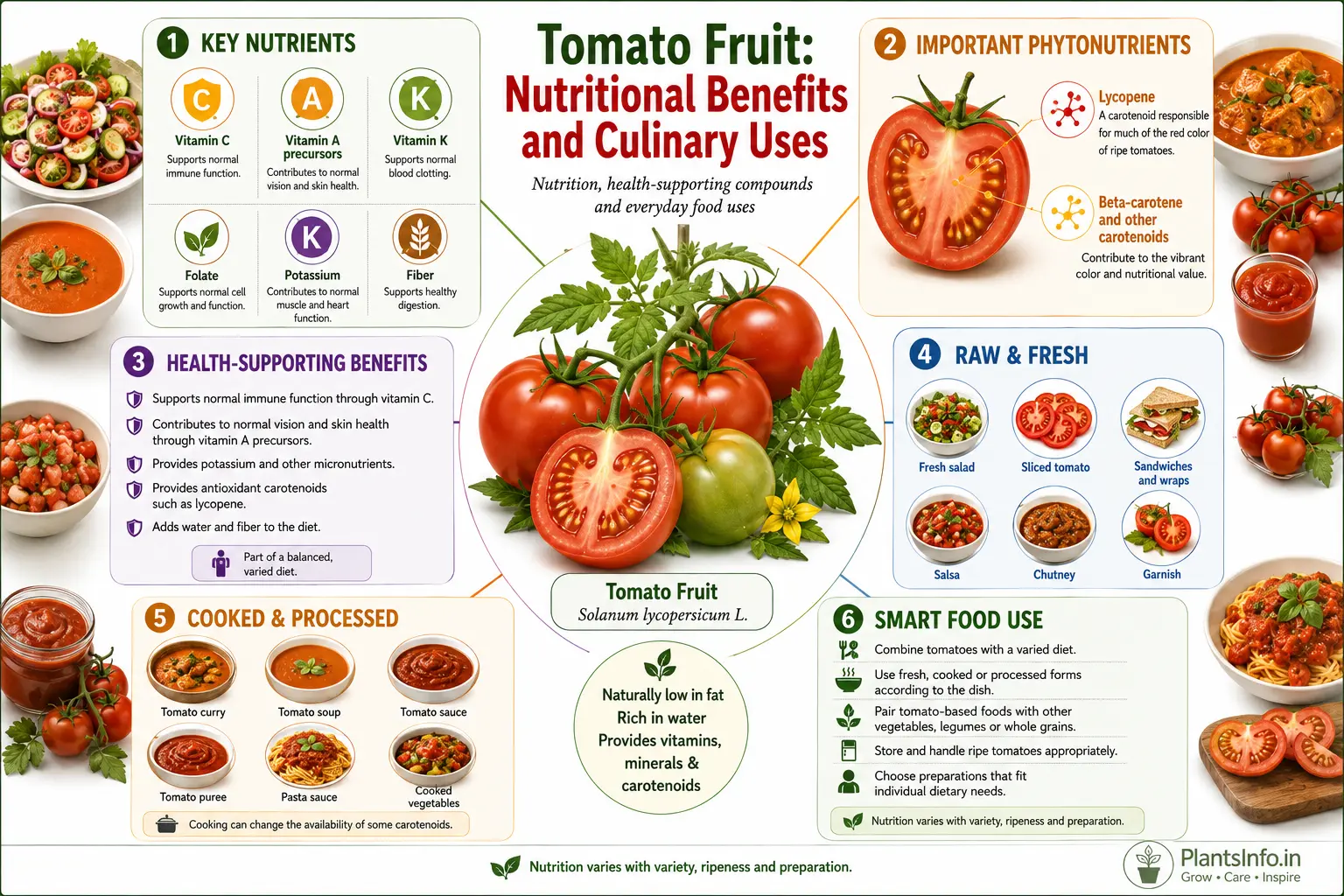
Tomato Fruit: Nutritional Benefits and Culinary Uses
Quick Answer
Tomato (Solanum lycopersicum) is primarily a food and culinary crop, valued for its nutritional composition and exceptional versatility in Indian cooking. It supplies nutrients and plant compounds while working equally well in fresh dishes, cooked gravies, chutneys and processed preparations.
See also: Tomato Plant plant profile, how to grow it, common problems, its flowering season, and its varieties.
A ripe tomato brings acidity, sweetness, colour, and aroma to a dish, while its relatively high water content keeps the fruit light and easy to incorporate into everyday meals. Its significance comes less from one exceptional property than from how often and in how many ways it can be used.
Recommended Products
Disclosure: As an Amazon Associate, PlantsInfo may earn from qualifying purchases.
🌱 Growing Essentials
The following products can help with container gardening, potting, root development, soil management, and healthy plant growth.
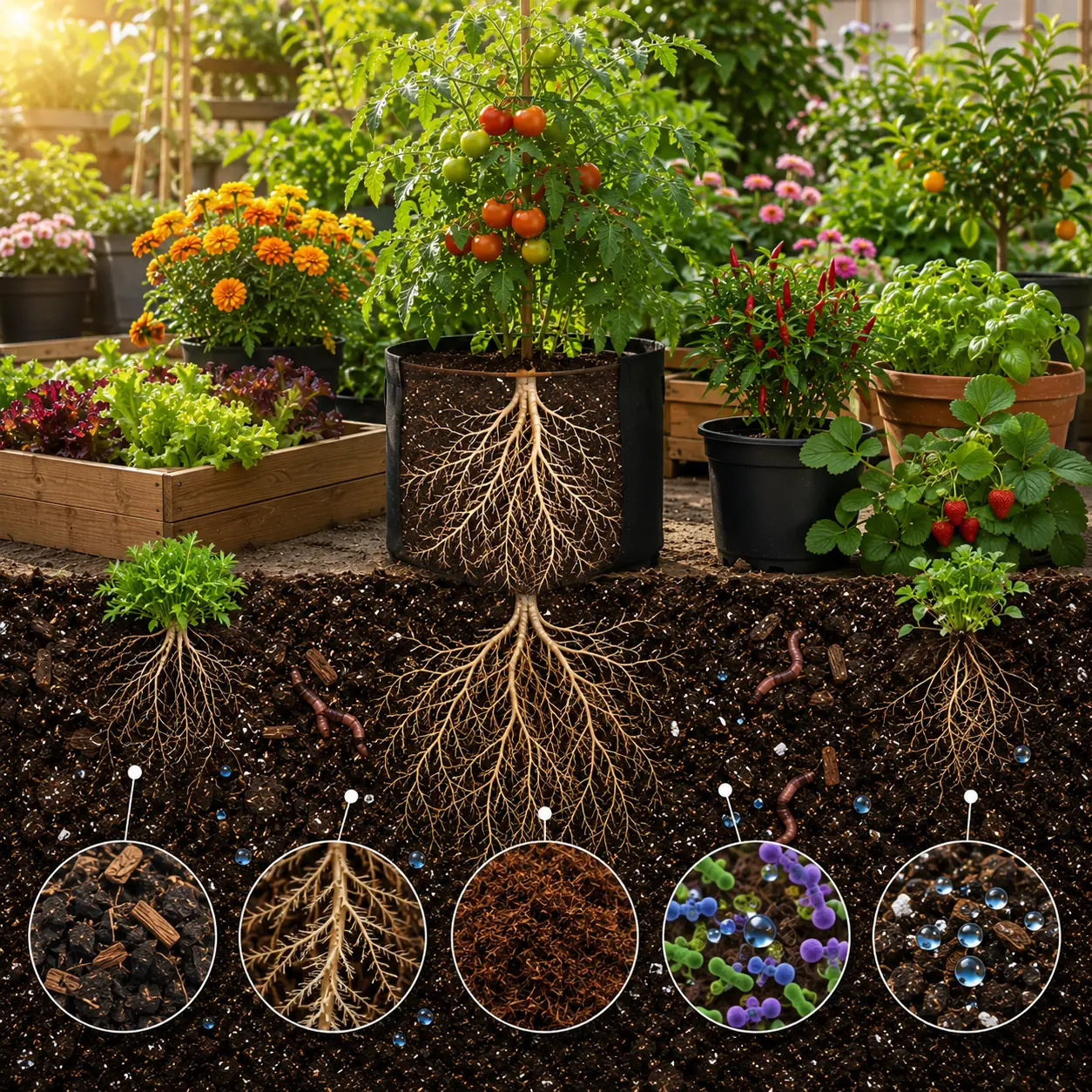
Organic Potting Soil Mix
Provides nutrients, structure, and healthy growing conditions for container plants.
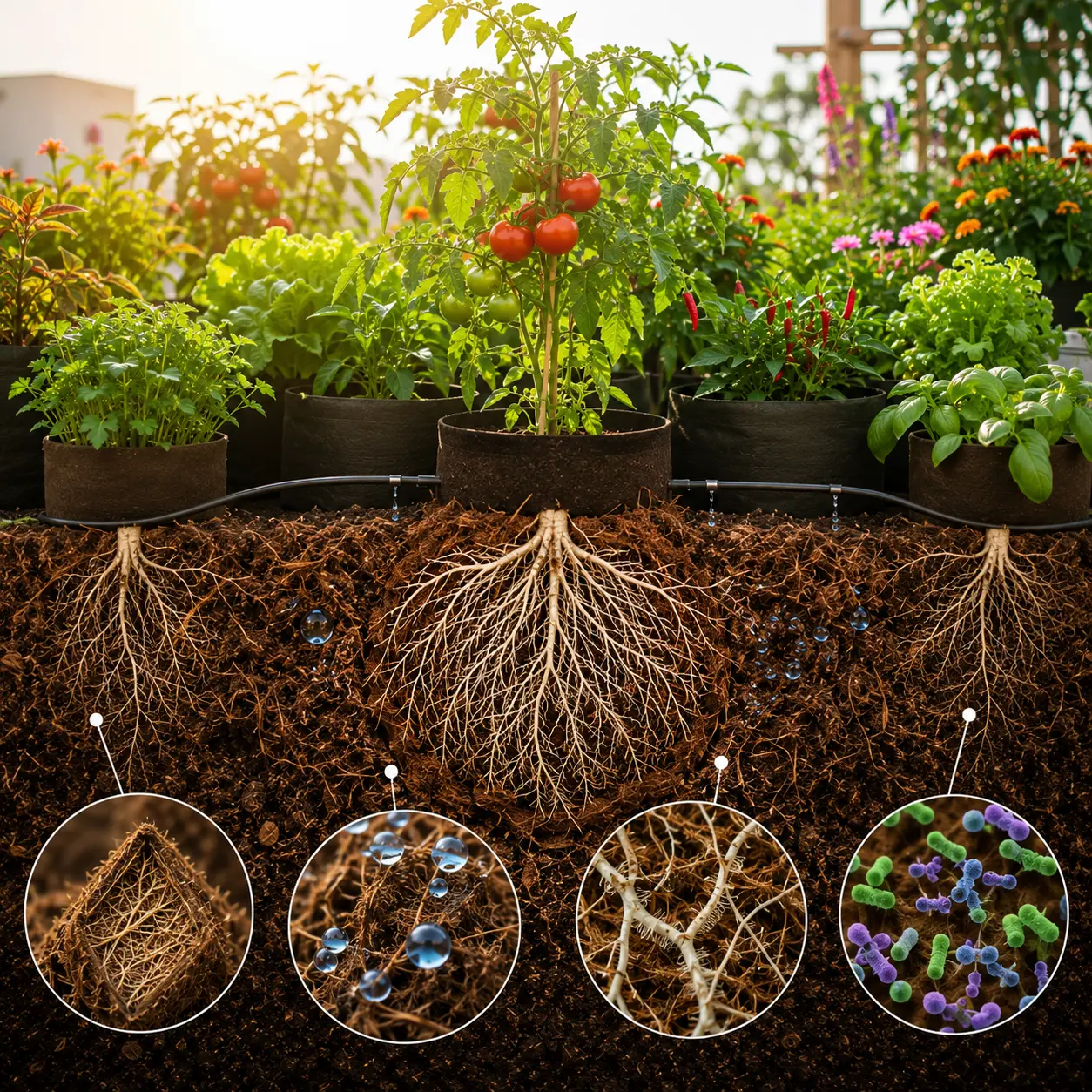
Coco Peat Growing Medium
Enhances moisture retention while maintaining excellent root-zone aeration.

Grow Bags for Plants
Improve drainage, root aeration, and vegetable production in limited spaces.

Plastic Pots for Plants
Ideal containers for seedlings, ornamentals, herbs, and balcony gardens.
Uses at a Glance
| Domain | Main use/role | Context |
|---|---|---|
| Food | Fresh edible fruit | Everyday diets |
| Culinary | Curries, chutneys, sauces | Indian and global cooking |
| Traditional | Food-based household use | Regional cuisines |
| Ornamental | Edible garden plant | Kitchen gardens |
| Ecological | Flowers and fruit for garden organisms | Home gardens |
Nutritional Value and Everyday Food Use
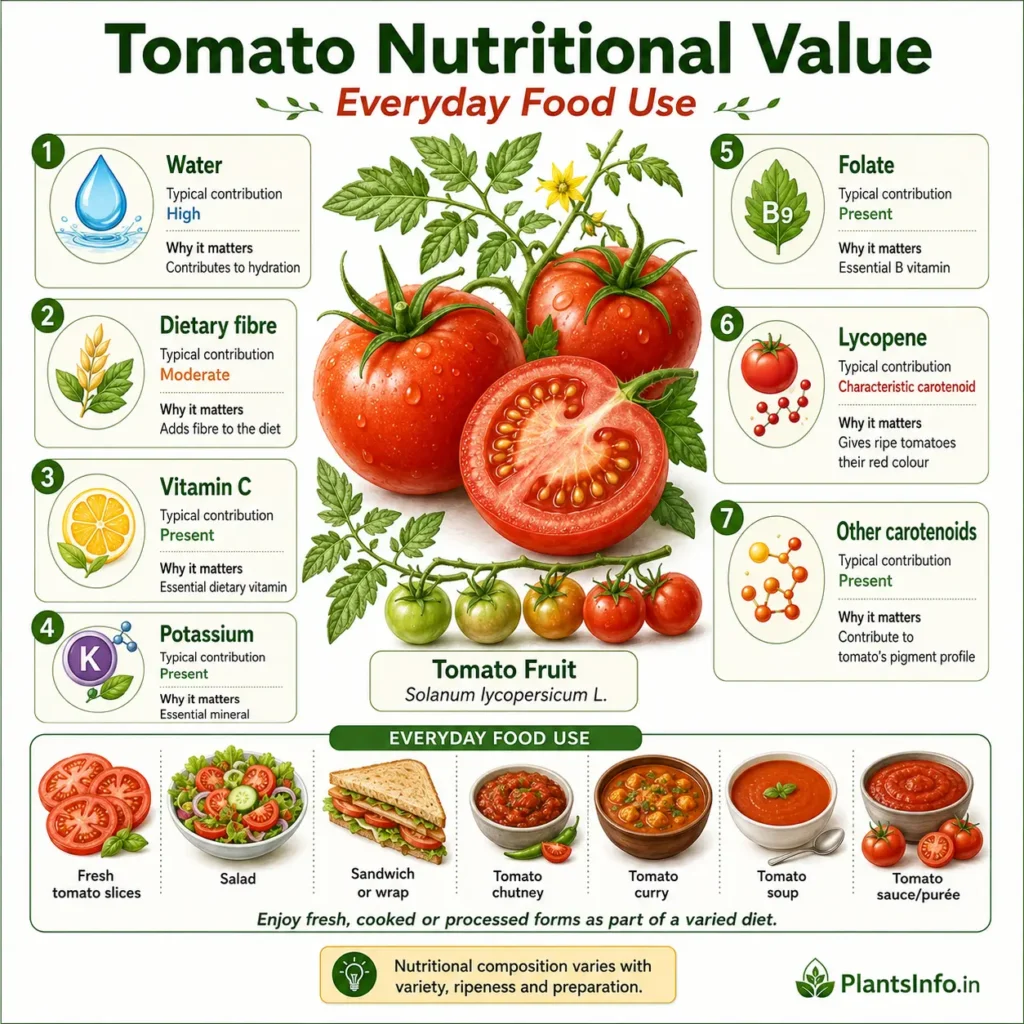
| Nutrient / compound | Typical contribution | Why it matters |
|---|---|---|
| Water | High | Contributes to hydration |
| Dietary fibre | Moderate | Adds fibre to the diet |
| Vitamin C | Present | Essential dietary vitamin |
| Potassium | Present | Essential mineral |
| Folate | Present | Essential B vitamin |
| Lycopene | Characteristic carotenoid | Gives ripe tomatoes their red colour |
| Other carotenoids | Present | Contribute to tomato’s pigment profile |
Tomatoes contain substantial water along with dietary fibre, vitamin C, folate and potassium. They also contain carotenoids, including lycopene, which contributes strongly to the red colour of ripe fruit.
The nutrient profile changes somewhat with variety, maturity and processing. Fresh tomatoes retain their characteristic water content and crisp or juicy texture, while cooking concentrates flavour and changes the texture considerably.
Tomatoes are particularly useful as a regular food because they can be combined with many other ingredients without requiring a specialised preparation. They contribute acidity to lentil dishes, body to gravies and freshness to salads and chutneys.
How tomatoes are eaten in India
Indian cooking uses tomatoes in both regional and everyday household preparations. They may be chopped into dals and vegetable dishes, cooked into gravy bases, blended into chutneys, added to rasam, or served raw in salads and accompaniments.
In preparations where acidity matters, tomato can partly replace or complement ingredients such as tamarind or other souring agents. In richer gravies, prolonged cooking softens the fruit and produces a thicker, more concentrated base.
Tomatoes are also commonly processed into puree, paste, sauce and other preserved forms. These products extend their culinary usefulness beyond the period when fresh fruit is immediately available.
What the major compounds contribute
Lycopene is a carotenoid pigment responsible for much of the red colour of ripe tomatoes. It is not a vitamin, but it is one of the plant compounds for which tomatoes are especially recognised.
Tomatoes also contain smaller amounts of other carotenoids and vitamin-related compounds. Their nutritional contribution therefore comes from a combination of components rather than from lycopene alone.
Research on tomato-derived compounds has investigated possible health associations, but evidence about a food or isolated compound should not be treated as proof that tomatoes prevent or cure a particular disease.
Culinary Versatility
Tomato changes character substantially with ripeness and preparation, giving the same crop several distinct culinary roles.
Less-ripe tomatoes are firmer and more acidic, making them useful where a sharper flavour and stronger texture are wanted. Fully ripe tomatoes are softer, juicier and generally sweeter, making them suitable for fresh eating, sauces and cooked bases.
Cooking produces another useful transformation: the fruit loses much of its fresh texture while its flavour becomes deeper and more concentrated. Pureeing or sieving can produce a smoother base for gravies, soups and sauces.
This flexibility explains why tomato is not tied to one type of Indian meal. The same harvest can be divided between raw preparations, cooked dishes, chutneys and processed products.
Household Processing and Storage Value
Tomatoes can be turned into several forms when a household has more fruit than it can use immediately.
Fresh chopped tomato: Suitable for salads, sandwiches, chutneys and quick cooked dishes where fresh acidity is desirable.
Puree: Ripe tomatoes can be processed into a smooth base for gravies, soups and sauces.
Cooked sauce or concentrate: Longer cooking produces a thicker, more concentrated preparation that can be used in smaller amounts across later meals.
For food quality, avoid keeping cut tomatoes at room temperature for prolonged periods, particularly in India’s warm conditions. Clean handling and appropriate refrigeration after cutting are more important than trying to preserve an opened tomato preparation indefinitely.
Traditional Food Significance
Tomato is now deeply integrated into many Indian regional cuisines, but its history in India is comparatively recent rather than ancient. It became widely incorporated into Indian cooking after its introduction to the subcontinent and subsequent spread through household and commercial agriculture.
Its modern significance is therefore primarily culinary rather than based on a documented ancient Indian medicinal or religious role.
Ecological Role
A tomato plant can contribute modest ecological value within a mixed home garden. Its small flowers provide floral resources for visiting insects, while the plant’s foliage and structure add living cover within a garden bed or container area.
Ripe fruit can also attract animals that feed on garden produce. This value is local and small-scale: tomato should not be treated as a major habitat or soil-conservation species.
For an Indian kitchen garden, its strongest ecological contribution is therefore as one component of a diverse planting system rather than as a standalone wildlife plant.
Practical Value for Home Gardeners
Freshly harvested tomatoes are especially useful when a household cooks regularly because the crop can be divided according to ripeness and immediate need.
A few ripe fruits can go directly into a meal, while firmer fruit can be reserved for later cooking. Surplus ripe tomatoes can be processed into puree or sauce instead of being left unused.
The plant also gives container and terrace gardeners a practical edible crop that connects cultivation directly with everyday kitchen use. The Growing Guide covers cultivation techniques; this section focuses only on what the harvest can provide.
How to Prepare or Use at Home
Fresh: Use ripe tomatoes raw in salads, sandwiches, chutneys, or simple accompaniments. Their acidity can brighten dishes without requiring a large quantity.
Cooked: Chop or puree tomatoes for dals, gravies, rasam, soups, and vegetable preparations. Longer cooking gives a deeper, less fresh flavour.
Processed: Turn surplus ripe tomatoes into puree, sauce or a cooked concentrate for later culinary use.
There is no need to consume unusually large quantities to obtain their nutritional components; tomatoes work best as one food among a varied diet. People with a known tomato allergy should avoid them rather than treating increased consumption as beneficial.
Secondary Culinary Value: Acidity and Flavour
Tomato is valuable not only for its nutrient composition but also for the way it changes the balance of a dish.
Its acidity can sharpen otherwise rich preparations, while natural sugars become more noticeable as the fruit ripens. This makes tomato useful as both a principal ingredient and a supporting ingredient.
The distinction matters in Indian cooking: a tomato may be the main base of a gravy in one dish, while in another it may simply supply acidity, colour and freshness alongside other ingredients.
Conclusion
Tomato’s real strength is its versatility: one harvest can move from fresh food to cooked dishes and household processing without losing its everyday usefulness.